
Trade View: A Guide for Nigerian Investors
📊 Discover how Trade View helps Nigerian investors analyse markets and make smart decisions despite economic challenges. Navigate local and global trends with ease.
Edited By
Emily Foster
ECOS cloud mining has become a noticeable option for Nigerian investors looking to tap into cryptocurrency mining without the hassle of owning and maintaining physical hardware. Instead of buying expensive machines and dealing with power outages or cooling issues common in Nigeria, ECOS offers a platform where you essentially rent mining capacity located elsewhere.
Cloud mining works by allowing investors to purchase mining contracts, which represent a share of mining power operated in data centres. ECOS manages all technical aspects, including hardware setup, electricity, and maintenance. As a result, investors receive a proportionate share of the mining rewards based on their contract size and the cryptocurrency's current market conditions.
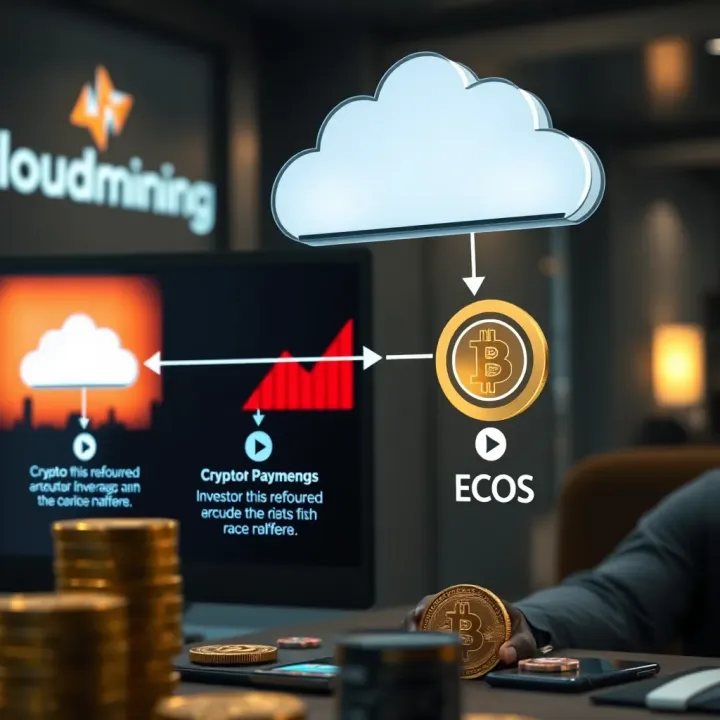
For Nigerian investors, this approach removes barriers like the need for a constant power supply — a persistent challenge for home miners. Plus, ECOS provides an accessible entry point which requires less technical knowledge.
However, it’s essential to understand the payment structures and associated risks. ECOS typically distributes payouts in cryptocurrencies like Bitcoin, though converting these earnings to naira depends on your chosen exchange or wallet. Pricing models for mining contracts vary; some offer fixed durations and expected returns, while others link earnings to real-time mining performance.
Nigerian investors should carefully evaluate contract terms and understand market volatility before committing funds. Mining profits can dip due to factors such as cryptocurrency price swings or increased mining difficulty, which affects returns.
In short, ECOS cloud mining presents a convenient way to participate in digital asset creation without hardware constraints. But it demands thorough research to navigate payment setups, contract specifications, and the broader crypto market environment effectively. The following sections will unpack these elements to guide Nigerian investors looking to make educated decisions in this space.
Understanding how ECOS cloud mining operates is essential for Nigerian investors keen to earn from cryptocurrency without handling complex hardware setups. This section breaks down the mechanics and specific features of ECOS to help you assess if it fits your investment strategy.
Cloud mining means renting computing power from remote data centres to mine cryptocurrency, rather than buying and maintaining your own mining rig. Traditional mining requires investors to buy hardware like ASIC miners or GPUs, set them up, and cover electricity and cooling costs. Cloud mining removes these hurdles by letting you use mining power via the internet, so you can participate without technical headaches or the upfront capital needed for hardware.
Remote data centres play a pivotal role here. They house energy-efficient mining equipment operating 24/7 under optimised conditions, often in cooler climates to reduce power bills. Instead of struggling with NEPA instability or high diesel generator expenses, Nigerian investors tap into these overseas or local farms through the ECOS platform. This allows you to focus on managing your investments rather than worrying about equipment failures or power cuts.
ECOS offers several types of mining contracts tailored for different investment sizes and risk appetites. You can choose between fixed contracts that run for a set period and flexible contracts designed for ongoing mining with the option to withdraw anytime. This variety helps match diverse investor goals, whether you want short-term returns or long-term asset accumulation.
The platform supports popular cryptocurrencies like Bitcoin (BTC), Ethereum (ETH), and Litecoin (LTC), all known for their market liquidity and established mining networks. This range lets you diversify your exposure while focusing on digital assets widely accepted by Nigerian exchanges and payment platforms.
Accessibility is another major appeal for Nigerian users. ECOS supports payment methods that work well in Nigeria, including bank transfers and some local e-wallets, easing the fund deposit process. The interface is user-friendly, making it possible even for those less tech-savvy to navigate and monitor their mining contracts effectively. Plus, ECOS has mobile and desktop access, which suits Nigerian investors who often rely on smartphones for financial transactions.
For Nigerians, especially those wary of hardware costs and unstable power supply, ECOS cloud mining offers a practical, hands-off route into cryptocurrency earnings.
In summary, ECOS simplifies cryptocurrency mining through cloud technology, providing flexible contracts, supporting key cryptocurrencies, and offering a platform tailored to Nigerian users' needs. These features make it an accessible option worth considering if you want to invest in crypto mining without the usual complications.
ECOS cloud mining offers several benefits that make it attractive, especially to Nigerian investors navigating the complexities of cryptocurrency. Its advantages primarily stem from reducing technical hurdles and lowering costs, both big obstacles for local miners dealing with power outages and expensive hardware.
No need to buy or maintain hardware is a major plus. Traditional crypto mining demands costly mining rigs, frequent maintenance, and constant upgrades. In Nigeria, where access to reliable hardware and spare parts is limited, this becomes a headache. ECOS handles all this remotely, so you simply purchase a mining contract and let their established data centres do the heavy lifting. This means you avoid the hassle of sourcing powerful graphics cards or ASIC miners and the stress of setting them up.
The simplified mining process makes participation much easier. You don’t have to understand the intricacies of blockchain technology or grapple with trial-and-error adjustments. ECOS presents a user-friendly platform where contracts are clearly explained, and mining operations are monitored on your behalf. For Nigerian investors often juggling numerous daily challenges like erratic power supply and fluctuating naira exchange rates, this simplicity is a valuable benefit.
ECOS leverages economies of scale in mining farms. Rather than running a small operation in a bedroom or office, their large farms buy electricity and equipment in bulk, lowering the per-unit cost of mining. These savings can in turn reflect in the contract prices offered to users. Nigerian investors can thus benefit from high-volume operational efficiencies that small-scale or individual miners typically cannot access.
In addition, ECOS farms enjoy reduced electricity and cooling costs. Mining rigs run hot and need substantial power to keep cool. Local Nigerian miners often struggle with rising diesel prices powering their generators or overburdened electricity distribution companies (DISCOs). ECOS situates their operations in locations with stable and cheaper energy sources, slashing power expenses. For Nigerian users, this means potentially better returns without the stress of constant generator fuel scouting or the risk of damaging equipment due to overheating.
For Nigerian investors, these advantages translate into easier access and potentially improved profitability, removing common barriers tied to hardware acquisition and operational costs.
Overall, ECOS makes cryptocurrency mining more accessible and financially feasible for Nigerians by cutting out traditional technical and cost hurdles, letting investors focus on strategy and returns.
Cloud mining platforms like ECOS attract many Nigerian investors because they simplify access to cryptocurrency mining. However, before committing funds, it is crucial to understand the risks involved. These risks can affect profitability and the safety of your investment.
The value of cryptocurrencies can swing wildly within short periods. For instance, Bitcoin’s price once dropped from nearly $68,000 in November 2021 to below $30,000 several months later. Such fluctuations directly impact returns from cloud mining since the payout depends on the crypto’s market price. When prices fall steeply, even steady mining output might yield minimal profits or outright losses.
The cost of mining contracts is usually fixed in US dollars, but Nigerian investors pay in naira, exposing them to exchange rate risk. If the naira weakens against the dollar, the upfront cost becomes heavier. So, a sharp dip in crypto prices coupled with naira depreciation can diminish your gains much faster than expected.
Mining networks adjust their mining difficulty, a measure of how hard it is to validate transactions. When more miners join a network, difficulty rises, reducing the number of coins mined per unit of computing power. This means the same ECOS contract might yield less cryptocurrency over time. For example, when Bitcoin’s mining difficulty increased during its bull run, many miners reported declining returns despite stable equipment performance.
Difficulty adjustments help keep block times consistent, but for cloud mining users, changing difficulty can erode profitability unpredictably. Nigerian investors should watch network difficulty trends carefully and consider them when evaluating contract options.
Concerns about the legitimacy of cloud mining platforms are common. While some providers openly display mining farm locations and offer transparent terms, others operate with little verifiable information. User reviews and community feedback on forums such as Bitcointalk or Reddit can help gauge trustworthiness. For example, multiple complaints about delayed payouts or unresponsive customer service should signal caution.
Unfortunately, the industry has seen its share of scams—platforms that collect funds but fail to provide mining services. Nigerians are particularly vulnerable due to the relative novelty of cloud mining and the challenges in legal recourse across borders.
Security is another vital factor. Cloud mining accounts hold earnings and personal data, making them targets for hackers. There have been cases where attackers gained access to user wallets or altered payouts. Using strong, unique passwords and enabling two-factor authentication (2FA) can reduce risks. Moreover, Nigerian investors should prioritise platforms that follow stringent cybersecurity measures and avoid using shared or public devices when accessing their accounts.
Always verify the platform’s background, assess user feedback thoroughly, and take personal security seriously before investing in any cloud mining service.
Understanding these practical risks helps Nigerian investors make informed choices about ECOS cloud mining and protect their capital in a volatile, sometimes risky market.
Understanding ECOS's payment structure and returns is central for Nigerian investors aiming to make smart moves in cloud mining. This section breaks down how contracts are priced, in which currency payments occur, and how earnings flow back to you. Knowing these details helps avoid surprises and manage your investments better amid Nigeria’s fluctuating naira exchange rates.
ECOS offers mainly two types of mining contracts: fixed and flexible. Fixed contracts require a one-time upfront payment for a mining power capacity that runs for a set period—usually one to three years. You know exactly how long you’re in, which can suit investors who prefer predictability. On the other hand, flexible contracts let you adjust or stop mining as you wish, offering a ‘pay-as-you-go’ style. This is handy if you want to test the waters or avoid locking money down long-term.
One important point for Nigerian users is that ECOS prices all contracts in US dollars. This means you’ll pay in dollars or convert from naira using the prevailing exchange rate. This has practical consequences: when naira weakens against the dollar, your effective naira cost goes up, impacting your initial investment amount. Nigerian investors should monitor the naira-dollar rate closely, especially during times of high volatility. For example, if a contract costs US$200, and the naira weakens from ₦460 to ₦520 to the dollar, your naira outlay increases from ₦92,000 to ₦104,000.
ECOS typically calculates your mining earnings based on the amount of cryptocurrency your mining power generates daily, less any fees or operational costs. Payouts occur frequently, often daily or weekly, depending on the contract type. This frequent payout means you can track your returns regularly and decide whether to cash out or reinvest.
For Nigerian investors, accessing these earnings requires reliable withdrawal methods. ECOS supports several withdrawal options including crypto wallets and bank transfers, but it is crucial you use methods compliant with Nigerian financial regulations. Many Nigerians prefer converting earnings to stablecoins or directly into naira using platforms like Binance or local exchanges such as Patricia or Quidax. Also, using secure payment platforms like Paystack or Flutterwave during deposit and withdrawal phases can add peace of mind.
Remember, the timing and method of withdrawals matter. Delays or unsuitable platforms could expose you to volatile naira rates or extra fees, reducing net returns.
In summary, understanding the dual nature of ECOS's contract types and payment denominations—plus how payouts work—equips Nigerian investors to navigate cloud mining with clearer expectations and better control over risks.
Venturing into ECOS cloud mining requires more than just enthusiasm; Nigerian investors must be smart about managing risks and handling their investments amid our unique economic landscape. This section gives direct, practical advice to help you navigate common pitfalls and make informed decisions.
Understanding investment limits is critical before putting your money into ECOS cloud mining. Cryptocurrency mining returns can swing wildly, affected by market prices and mining difficulty. It’s wise to allocate only an amount you can afford to lose without disrupting your essential finances. For instance, if you have ₦500,000 set aside for investments, consider limiting your cloud mining exposure to maybe ₦50,000 or ₦100,000, enough to test the waters without risking your entire portfolio.
Also, recognize that mining contracts are often priced in US dollars. Fixed naira amounts may not protect you from fluctuations in exchange rates. This brings us to the next point.
Considering naira exchange rate fluctuations is important since ECOS contracts usually require payment in USD or stablecoins pegged to USD. Given the naira's somewhat unstable value against the dollar, your effective investment cost could increase unexpectedly. For example, ₦40,000 might cover a contract today, but if the naira weakens, the equivalent naira cost next week could rise to ₦45,000 or ₦50,000. This currency risk affects both the initial cost and eventual withdrawal amounts, so plan for possible volatility.
Using secure Nigerian payment platforms helps you manage funds safely when funding your ECOS mining contracts or withdrawing earnings. Platforms like Paystack, Flutterwave, or bank USSD codes provide trusted channels that avoid the risk of scams or fraud common with unverified third-party services. Always double-check recipient details and transaction summaries before confirming payments.
Protecting account credentials cannot be overstated. Nigerian investors must use strong, unique passwords for their ECOS accounts, preferably managed with a password manager. Enable two-factor authentication (2FA) where available, so that even if your password is compromised, an attacker cannot easily access your mining dashboard. Remember, many Nigerians have faced losses due to poor password hygiene, so avoid recycling the same password across different accounts.
Staying cautious and disciplined with your investment amount, currency risks, and account security will drastically improve your chances of a positive experience with ECOS cloud mining.
In summary, set clear investment limits, watch how naira moves against the dollar, use secure Nigerian payment channels, and lock down your account with strong credentials. Following these practical steps reduces risk and helps you make the most of ECOS’s cloud mining opportunity in Nigeria.
📊 Discover how Trade View helps Nigerian investors analyse markets and make smart decisions despite economic challenges. Navigate local and global trends with ease.
Explore Independent Reserve—safe and easy crypto exchange trusted by Nigerian investors 🇳🇬. Learn fees, security, services, and how it stands against other platforms today!

📈 Stay updated on today's Bitcoin price and what it means for Nigerian investors. Understand global and local factors shaping ₦-value and learn smart moves to trade safely.

Looking for the best broker in Nigeria? 🏦 Learn how to pick a reliable broker with the right fees, features, and support to boost your investing success. 📈
Based on 15 reviews