
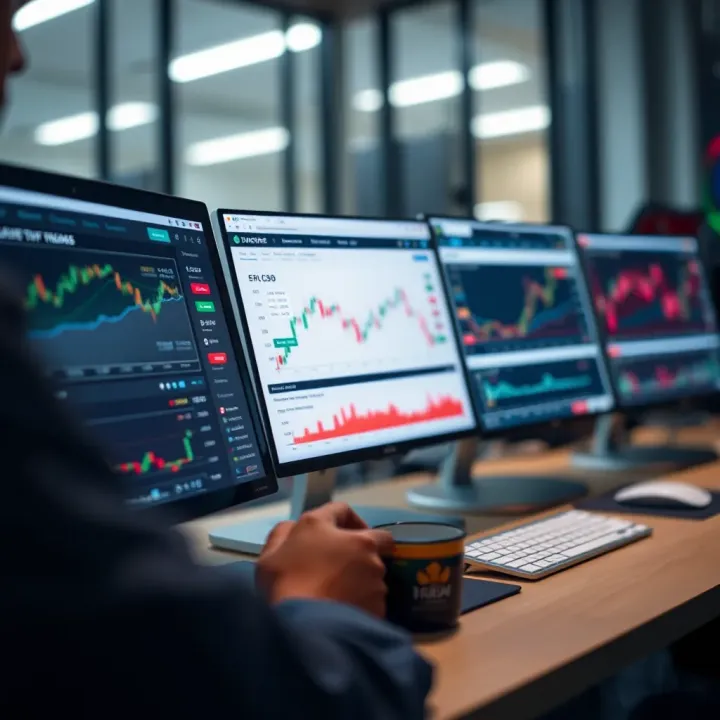
Trading Sites Guide for Nigerian Traders
Explore how to pick trading sites right for Nigerian traders 🇳🇬. Understand platform types, safe payment methods, and avoid common risks. Trade smart, earn ₦.
Edited By
Amelia Foster
Forex trading has steadily attracted many Nigerians seeking alternative income sources beyond traditional jobs and businesses. While the global forex market runs 24 hours daily, trading successfully demands more than luck—it requires a solid grasp of currency pairs, market mechanics, and timely decision-making.
For traders in Nigeria, accessing reliable learning resources can be tricky. This is where forex book PDFs come into play as valuable tools. These digital guides condense essential concepts, strategies, and local insights that help you understand and navigate forex trading effectively.
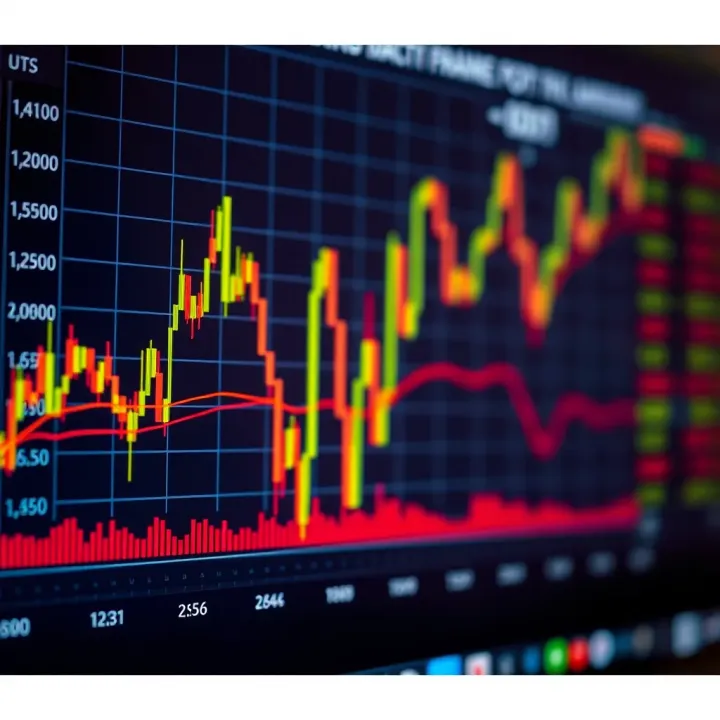
Using forex book PDFs lets you study at your own pace, which is helpful for Nigerians balancing trading with other commitments such as work or studies.
A good forex book PDF covers topics like:
Fundamental analysis: understanding how economic indicators like Nigeria's inflation rate or CBN policies influence currency values
Technical analysis: interpreting charts, trends, and candlestick patterns
Risk management: tactics to protect your capital against market volatility
Trading psychology: how emotions affect decision-making especially in a fast-moving market
When choosing forex book PDFs, look out for those authored by experienced traders or respected publishers. Many Nigerian traders share recommendations on platforms like Nairametrics or TechCabal which can guide you to qualitative materials.
Local challenges also shape how forex trading works here. High data costs, intermittent power supply, and fluctuating naira exchange rates affect trading platforms’ reliability and pricing spreads. Books that address these realities will prepare you better.
Practical tips for Nigerian traders include setting up a dedicated workspace with a stable internet connection, using forex demo accounts to practise without risking real money, and continuously updating yourself on global events as well as local economic policies.
Ultimately, forex trading in Nigeria is not a get-rich-quick scheme but a skill to develop. Combining comprehensive forex book PDFs with disciplined practice and sound money management improves your chances.
This guide will take you through reliable ways to find and use forex trading PDFs, decode crucial lessons from them, and handle local factors to trade smarter and safer.
Grasping the basics of forex trading is essential for anyone looking to participate in Nigeria's dynamic currency market. Without this foundation, it’s easy to get overwhelmed by the jargon and fast-paced nature of forex trading. This section breaks down key concepts to set you on the right path.
Forex trading involves buying and selling currencies against each other on the global market. For instance, a trader might buy the US dollar (USD) against the Nigerian naira (₦) if they expect the dollar to strengthen. The goal here is to make profit from changes in exchange rates. Unlike stock markets, forex runs 24 hours, Monday through Friday, allowing traders in Nigeria to react to global economic events at almost any time.
Before placing trades, knowing common forex terms helps you navigate the market effectively. Some basic terms include:
Pip (Percentage in Point): The smallest price move a currency pair can make, typically 0.0001 for most pairs.
Lot: A standardised number of units traded. A standard lot equals 100,000 units of the base currency.
Leverage: Borrowed capital from brokers to control larger positions with less money; for example, 50:1 leverage means ₦1,000 controls ₦50,000.
Spread: The difference between buying and selling prices. Wider spreads mean higher trading costs.
Base and Quote Currency: In a pair like USD/NGN, USD is the base, NGN the quote currency.
Mastering these terms ensures clarity when reading charts or following market analyses.
The appeal of forex trading in Nigeria lies mainly in its accessibility and earning potential amid economic challenges. Many see it as a way to grow funds beyond typical savings rates offered by banks. For example, during periods of naira instability, savvy traders buy stronger currencies like the dollar or euro to safeguard their savings.
Also, with mobile internet and USSD banking, even traders outside Lagos can participate without sophisticated tools. The relatively low starting capital compared to other investments attracts youths and entrepreneurs eager to build alternative incomes. Still, the high volatility demands good education to avoid costly mistakes.
Understanding forex trading basics not only helps you avoid common pitfalls but also empowers you to make informed choices that could improve your financial standing in Nigeria’s fluctuating market.
Starting on a solid footing lets you explore forex book PDFs and other resources with a sharper eye, ensuring you develop practical skills tuned to Nigeria's trading environment.

Accessing reliable forex book PDFs is a vital step for Nigerian traders aiming to deepen their understanding of forex markets. In Nigeria, where face-to-face training or online courses might be costly or limited, these PDFs offer an affordable, flexible way to learn. Traders can study at their own pace, revisit complex topics, and build a strong foundation without spending heavily on expensive seminars. However, the challenge lies in finding content that is credible and relevant to the Nigerian context, rather than generic materials with no practical application.
Many Nigerian traders turn to established financial websites, forex broker platforms, and educational portals that host quality forex books in PDF format. Websites like Babypips and Investopedia offer trusted resources for beginners, though they are global in scope. For Nigeria-specific material, fintech platforms such as OPay and Cowrywise occasionally provide tailored guides. Additionally, forums on platforms like Nairaland and WhatsApp groups dedicated to forex discuss and share PDFs, but caution is needed since these are less regulated.
Local libraries and financial institutions, including the Central Bank of Nigeria (CBN) and some commercial banks, sometimes release forex trading guides aligned with national trade policies. It is advisable to check official websites or trusted Nigerian educational platforms to avoid outdated or irrelevant content.
Before downloading forex PDFs, traders should verify the source’s credibility. Reliable forex books usually have identifiable authors—experienced traders or financial experts, often with verifiable credentials. Checking publication dates is critical since forex markets evolve rapidly, and outdated strategies can mislead.
Practicality is key: good forex books include real-life examples, preferably related to emerging markets or forex trends impacting Nigeria, such as naira volatility and CBN policies. Books that cover multiple analysis methods—technical, fundamental, and sentiment—offer a more rounded education. Avoid PDFs that promise quick riches or oversimplify trading basics; genuine books explain risks clearly.
Always cross-check information from PDFs with recent market reports or Nigerian forex news to ensure the strategies are current and applicable.
Many forex PDFs circulate freely online, but not all are legally shared. Downloading pirated materials violates copyright laws and undermines authors’ rights. Nigerian traders should prioritise official or authorised sources to avoid legal troubles or malware linked to illegal downloads.
Ethically, investing in original content supports the development of quality local forex education. There are several affordable or free legitimate resources available from fintech startups and local financial educators which encourage responsible learning without copyright infringements. Moreover, some forex educational firms in Nigeria offer certified PDF materials after registration or payment, ensuring you get up-to-date, quality content.
By focusing on reliable sources and respecting legal boundaries, Nigerian traders can build robust forex knowledge and skills efficiently. This approach not only safeguards the trader but also nurtures a healthier trading community in Nigeria.
Forex trading books dive into specific core topics that traders must understand to navigate the markets confidently. Mastering these areas equips you with the tools to analyse price movements, manage risks wisely, and maintain a disciplined mindset during trading — all essential in Nigeria’s fast-changing financial landscape.
Technical analysis forms the backbone of many traders’ strategies. Forex books explain how to read price charts and identify patterns like head and shoulders, double tops, or flags. For example, recognising a "double bottom" pattern could signal a potential uptrend, prompting you to buy the dollar against the naira. These books often include practical guides on using tools such as moving averages and RSI (Relative Strength Index), which help predict price direction rather than relying on guesswork.
Understanding what makes currencies move beyond charts is key. Forex books tailored to Nigerian traders highlight how events like CBN’s monetary policy changes, crude oil price shifts, or political developments affect the naira’s value. For instance, a hike in the CBN’s monetary policy rate usually strengthens the naira temporarily. Grasping these fundamentals lets you anticipate market moves and adjust your trades accordingly instead of reacting blindly.
Avoiding losses is as important as making profits. Forex trading books emphasise setting stop-loss orders and managing trade sizes relative to your account. They teach you how to calculate your risk per trade — for example, risking only 1–2% of your capital in a single deal. Books also advise on diversifying trades and not over-leveraging, which is vital for Nigerian traders facing volatile naira exchange rates and market uncertainties.
Many new traders overlook the emotional side of trading, yet it determines long-term success. Forex books shed light on controlling fear and greed, sticking to your trading plan, and avoiding impulsive decisions. Nigerian traders especially face psychological challenges like pressure from losses during volatile sessions or peer influence from local forex groups. Learning to keep calm and disciplined ensures you don’t let emotions erode your gains.
Understanding these core topics in forex trading books provides you a solid foundation. Applying their lessons helps cut through noise and make more informed decisions, especially in Nigeria’s unique trading environment where both technical signals and local economic factors interplay.
Each of these areas deserves steady study and practical application. Aim to integrate insights from these core topics regularly, as this will sharpen your ability to trade securely and profitably over time.
Using Forex book PDFs isn't just about reading theory; it’s about shaping your trading approach with practical knowledge. In Nigeria, where access to structured forex training can be limited, these digital resources bridge the gap. They help traders grasp complex concepts, test strategies, and build confidence before putting real money at risk.
Consistency is key when using forex PDFs for learning. Setting up a daily or weekly study schedule ensures steady progress. For instance, allocate specific time slots, like early mornings or late evenings, when distractions are minimal. Break down your reading into topics—technical analysis one week, risk management the next. Combining reading with note-taking helps retention. Also, revisiting chapters severally adds depth to your understanding, especially sections on chart patterns and indicators.
Reading alone won’t make you a profitable trader. Practical application through simulated trading (demo accounts) brings theory to life. Many Nigerian brokers offer free demo accounts, allowing you practise with virtual ₦100,000 capital or more. While reading about moving averages or Fibonacci retracements in your forex books, try spotting these on your demo charts. This “learning by doing” approach helps cement concepts and identifies which strategies suit your trading style.
Forex trading can be isolating, but you don’t have to go it alone. Joining local online forums, WhatsApp groups, or Telegram channels devoted to Nigerian traders offers valuable peer support. Nigerians often share insights about local challenges like payment gateways, bank restrictions, or regulatory updates not covered in international forex books. Discussing your reading and trading attempts within such communities clarifies doubts and keeps you motivated. You can exchange recommendations on quality forex book PDFs and mentor each other for better trading results.
Integrating structured study, real-world practice, and community engagement creates a well-rounded learning process. This combination especially benefits Nigerian traders navigating unique market conditions.
In sum, to use forex book PDFs effectively, treat them as part of a broader learning system that includes disciplined study, hands-on practice, and active networking. This way, you sharpen your skills steadily and avoid common pitfalls that many beginners face in Nigeria’s forex landscape.
Forex trading presents valuable opportunities for Nigerians, but the path to becoming a skilled trader isn't without obstacles. These challenges mostly stem from local infrastructural, regulatory, and informational issues. Understanding these hurdles and how to tackle them directly impacts traders’ success and helps them make informed decisions.
Stable internet access is fundamental for forex trading and learning, yet many parts of Nigeria still struggle with irregular connectivity and slow speeds. For example, traders in rural areas or smaller towns may find it difficult to download sizable forex book PDFs or participate in live webinars. Even in cities like Lagos and Abuja, frequent power outages force many to rely on generators, increasing costs and sometimes disrupting trading.
To cope, traders should consider lightweight versions of educational materials or offline downloads during times of good connectivity. Mobile data providers such as MTN and Airtel often offer special plans targeting data-heavy usage; subscribing to these can improve accessibility. Additionally, scheduling trading and study sessions during periods of stronger network performance—like early morning or late evening—can minimise disruptions.
Nigerian traders frequently encounter a flood of forex guides, courses, and ebooks online, many of which are either outdated or outright scams. For instance, some sellers promise guaranteed profits or insider secrets, which never materialise and only lead to losses.
To avoid falling prey, traders should stick to forex books and resources from recognised authors or reputable platforms like reputable brokers, financial education websites, or established digital libraries. Another practical approach is to cross-check book reviews and feedback from local forex communities on platforms such as WhatsApp groups or social media forums where Nigerian traders share experiences.
Always verify the credentials of authors and the authenticity of the content to protect yourself from misinformation.
Nigeria’s regulatory environment for forex trading remains complex. Banks and financial institutions sometimes restrict or delay international transactions needed for forex trading, frustrating traders who depend on swift fund transfers. Additionally, the Central Bank of Nigeria (CBN) regulations on foreign exchange limit some capital flows and add layers of bureaucracy.
To manage this, traders can engage with fintech solutions that integrate with the financial system smoothly, such as Flutterwave or Paystack for payments. Using brokers with strong Nigerian operations that comply with local regulations also helps reduce transactional pain. Moreover, maintaining good communication with banks and keeping abreast of CBN policy updates ensures traders anticipate changes that could affect fund movement.
In sum, Nigerian forex traders face distinct hurdles from infrastructure to regulatory issues, but practical approaches and local knowledge make it possible to navigate these barriers successfully. Tackling these challenges upfront helps traders focus on honing their skills and growing their accounts steadily.
Explore how to pick trading sites right for Nigerian traders 🇳🇬. Understand platform types, safe payment methods, and avoid common risks. Trade smart, earn ₦.

Explore how forex trading offers Nigerian investors easy access, high liquidity, flexible hours, and profit chances with smart risk management 📈💡💰

Learn how forex trading works for Nigerian investors 🇳🇬. Discover practical steps, risk management tips, market factors, and Nigerian regulation to trade safely.
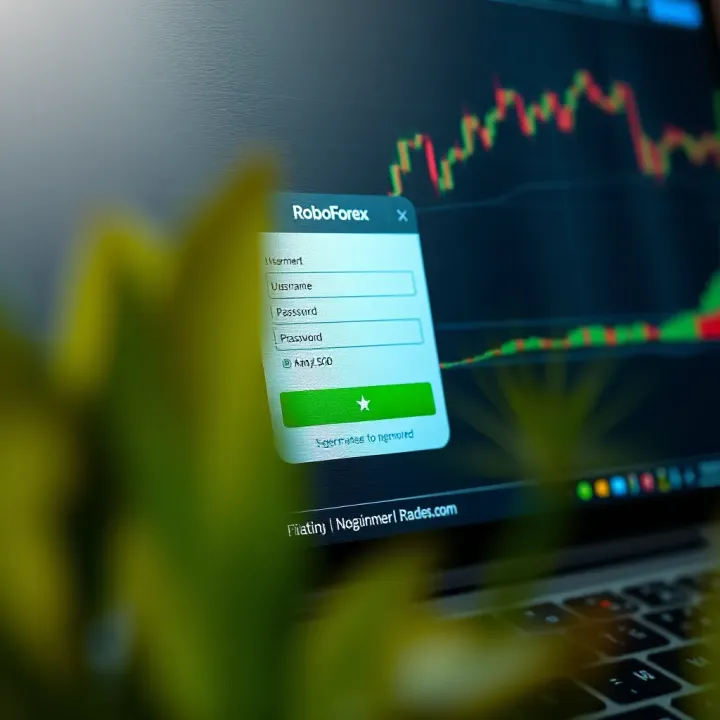
🔑 Learn how Nigerian traders can easily log in to RoboForex! From account setup, password recovery to troubleshooting, get secure access every time. 📈
Based on 9 reviews