
Online Trading in Nigeria: A Practical Guide
Discover how to trade online in Nigeria 🇳🇬! Learn top platforms, smart strategies, risk management, and local regulations to boost your ₦ profits safely 📈💡.
Edited By
Liam Parker
In Nigeria, trading online has grown fast, with many Nigerians eager to tap into stock, forex, and cryptocurrency markets. Yet, choosing the right trading site is not straightforward. The range of platforms is wide, varying from local brokers with easy naira access to international sites offering global assets but with complex payment routes.
Knowing the types of trading sites and how they work helps you avoid scams and unnecessary fees. For instance, while some platforms like GTI Securities focus on Nigerian stocks and allow deposits via bank transfers, others like Binance or eToro serve global markets but may require more effort to fund your account securely with naira.
The thing is, Nigerian traders face specific challenges—fluctuating exchange rates, restrictions on foreign currency payments, and irregular internet access—all of which affect your trading experience.
This guide breaks down the main types of trading platforms you’ll encounter, what features to look out for, and practical tips to trade safely and efficiently. Whether you’re seasoned or just starting, this section helps you build a solid foundation for smarter investments in Nigeria's digital trading world.
Getting to know the different types of trading sites is essential for Nigerian traders looking to navigate a complex market. Each platform caters to a particular asset class and investment style, so understanding these distinctions helps you pick a site that fits your specific goals and risk appetite. For example, stock trading platforms primarily give access to shares listed on the Nigerian Exchange Group (NGX), while forex and cryptocurrency sites focus on currency pairs and digital coins. Moreover, commodity and futures trading platforms serve those interested in agricultural or mineral assets, often with more advanced contract structures such as futures.
By familiarising yourself with these categories, you avoid the common pitfall of using the wrong tool for your investment aims. This knowledge also arms you with the ability to assess fees, regulatory compliance, and trading conditions specific to each type. In practice, this means a trader interested in local equities won’t be wasting time on a forex-only platform lacking NGX listings.
Platforms that connect you to NGX stocks are the cornerstone of equity trading in Nigeria. These websites or apps allow direct buying and selling of shares from companies listed on the NGX. For Nigerian investors, this is the primary avenue for participating in the country’s economic growth through equities.
Using popular platforms like Meritrade or Stanbic IBTC Online Stockbroking, traders can access real-time price updates, place orders, and monitor their portfolios from anywhere in Nigeria. These platforms often integrate with local banks for easy funding and withdrawals, providing convenient access to the Nigerian stock market without physically visiting a brokerage.
Several Nigerian stockbroking firms have developed user-friendly online platforms targeting diverse traders. Firms like CardinalStone, FBNQuest, and United Capital offer digital solutions where users can not only trade but also access market research and educational resources.
These platforms matter because they bring transparency and ease to stock trading, reducing barriers such as paperwork and manual processes. Plus, they often have mobile apps tailored for Nigerian users, essential given our high mobile internet penetration. For serious traders, choosing a stockbroking platform with solid customer support and minimal downtime is critical.
Forex trading involves buying and selling currencies, often leveraging small price moves for profits. In Nigeria, you’ll find brokers authorised by international firms but must ensure they comply with Nigerian regulations overseen by the Securities and Exchange Commission (SEC).
Trustworthy brokers like FXTM and HotForex provide platforms tailored to Nigerians, allowing access to major currency pairs such as USD/NGN, EUR/USD, and GBP/USD. These platforms offer charting tools, risk management features, and demo accounts to practice before committing real money.
Sticking to regulated brokers helps avoid the rampant scams that plague unregulated forex sites promising unrealistic returns.
Cryptocurrency is growing fast in Nigeria, with exchanges like Binance, BuyCoins, and Quidax playing key roles. These platforms enable Nigerians to buy, sell, and trade popular coins like Bitcoin (BTC) and Ethereum (ETH).
Besides trading, many exchanges facilitate deposits and withdrawals in naira, bridging the traditional financial system and crypto space. However, the volatility and regulatory uncertainties around crypto require traders to remain cautious and understand the risks.
Nigeria’s economy still heavily depends on agriculture and minerals, so commodity trading platforms have become vital for farmers, traders, and investors. Platforms like Nigerian Commodities Exchange (NCX) allow participants to trade items like cocoa, rubber, gold, and crude oil.
Accessing these markets online simplifies price discovery and contract execution, making it easier to hedge risks or profit from price swings in essential goods sector.
Futures contracts are agreements to buy or sell an asset at a future date for a fixed price. Nigerian trading platforms offering futures help participants lock in prices or speculate on future movements of commodities or currencies.
For instance, a cocoa farmer might sell futures contracts to guarantee a fixed income despite price fluctuations. Traders use these contracts to speculate but should understand margin requirements and risks before diving in.
Choosing the right type of trading site matches your investment style and goals, supports better decision-making, and protects you from unnecessary risks common in Nigeria’s diverse trading ecosystem.
Choosing the right trading site is more than picking a popular name. Nigerian traders must carefully consider vital features that affect security, ease of use, and cost efficiency. These factors determine whether trading will be smooth, safe, and profitable or fraught with avoidable pitfalls.
Trading platforms operating in Nigeria must comply with rules set by the Central Bank of Nigeria (CBN) and the Securities and Exchange Commission (SEC). This ensures they adhere to financial laws designed to protect investors from fraud and malpractice. For example, a trading site regulated by SEC Nigeria will have undergone rigorous checks to confirm its legitimacy, giving Nigerian traders peace of mind when investing.
Ignoring regulatory compliance exposes traders to higher risks of scams or fund mismanagement. Notably, platforms without CBN approval for payment processing or SEC licencing often feature in scam reports. Therefore, always verify whether the site you intend to use follows these regulations.
Secure payment gateways prevent unauthorised access and ensure funds move safely between your bank and trading account. Platforms supporting Nigerian payment services like USSD transfers and reliable bank APIs help reduce the risk of failed or intercepted transactions.
Data protection is equally critical. Trusted sites encrypt personal and financial information to stop hackers from stealing sensitive details. Confirm that the platform uses HTTPS and reputable security certificates, ensuring your BVN, NIN, and transaction data stay confidential.
Many Nigerian traders rely on smartphones due to inconsistent power supply or lack of constant desktop access. Trading sites optimised for mobile devices—running smoothly on Android and iOS—offer greater flexibility and convenience.
Such platforms also tend to consume less data, saving costs during trading sessions. This is especially important considering mobile data expenses and spotty network coverage in some Nigerian states.
A well-structured site makes it simple to find assets, check real-time prices, and place orders without confusion. Nigerian traders benefit when platforms reduce clutter and provide clear menus, especially given the fast-moving markets like forex and cryptocurrency.
Fast order execution is crucial to avoid losses from price shifts during delays. Sites with robust servers and optimised code support quick trade confirmations, allowing Nigerian traders to act decisively in volatile conditions.
Different trading sites adopt various commission models such as flat fees, percentage-based charges, or spread markups. Understanding this helps you estimate your trading expenses accurately.
For instance, investing ₦100,000 in NGX stocks on a platform charging 0.5% commission means paying ₦500 upfront. Platforms with unclear fees can significantly reduce your profits over time.
Some sites add extra costs like withdrawal fees, inactivity penalties, or currency conversion charges without upfront disclosure. In Nigeria, where forex rates and currency stability fluctuate, these costs can add up quickly.
Always read the fee schedule carefully. Platforms that openly present all charges save you from unpleasant surprises and allow better planning of your trading budget.
Choosing a reliable site is about balancing security, usability, and affordability. By focusing on regulated platforms with clear fees and user-friendly interfaces, Nigerian traders can maximise their gains while minimising risks.
Payment methods are central to the success and convenience of trading on online platforms in Nigeria. Because financial transactions directly affect traders, having trustworthy and efficient payment options reduces friction and increases confidence. Nigerian traders must consider security, speed, cost, and accessibility when choosing payment methods tailored to local realities like intermittent power and banking challenges.
Bank Verification Number (BVN) and National Identification Number (NIN) have become compulsory for verifying identities in financial transactions across Nigeria. These identifiers help trading platforms comply with regulations from the Central Bank of Nigeria (CBN) and prevent fraud. For example, when funding a trading account via bank transfer, your BVN links your transaction to your verified bank identity, ensuring legitimacy and reducing the risk of scams.
Verification with NIN is increasingly required for customer onboarding on trusted trading sites. This means your NIN must align with your BVN info during registration and deposits, helping detect suspicious activities early. For traders, this adds a layer of protection but also means you must have your documents handy to avoid delays.
USSD remains highly popular in Nigeria for quick banking transfers without Internet dependency. Codes like *919# (UBA), *737 (Zenith Bank), and *566 (GTBank) allow direct funding of trading accounts from mobile phones. This is invaluable for traders facing data or power outages since USSD does not rely on smartphones or apps.
Using USSD also avoids transaction failures linked to mobile app glitches. A trader in rural Ogun State, for instance, can fund their account from their basic feature phone even when power and network coverages are weak. This accessibility promotes more inclusive participation in online trading.
Mobile money platforms like OPay and PalmPay have transformed payments in Nigeria, especially for traders who want fast, simple transfers without bank queues. These fintech wallets support instant deposits and withdrawals, making trading activities fluid and responsive to market movements.
For instance, a Lagos-based forex trader can fund their account on a Friday evening through OPay without visiting a bank. These platforms often offer incentives, such as low fees or cashback, which traders can benefit from to reduce costs.
Many leading trading sites now enable direct integration with fintech wallets, allowing seamless wallet-to-platform transfers. This integration simplifies payment reconciliation and cuts down on manual errors during deposits and withdrawals.
Moreover, these fintechs provide options like QR code payments and USSD wallet top-ups, making it easier for traders to manage liquidity. Nigerian traders appreciate how these quick transfers support their trading strategies, particularly when markets move fast.
Cryptocurrency use on trading platforms is gradually growing in Nigeria as traders explore alternatives to the naira and traditional banks. Bitcoin and stablecoins such as USDT enable fast cross-border payments and 24/7 trading access without central authority delays.
Stablecoins peg their value to the dollar, reducing price swings and making them a practical choice for deposits and withdrawals. Traders can send ₦ equivalent in stablecoins to their accounts instantly, bypassing naira liquidity issues.
While cryptocurrencies offer speed and flexibility, volatility remains a key risk. Unexpected price dips can affect traders when converting crypto back to naira, sometimes resulting in losses.
Security is another consideration; traders must safeguard private keys and use wallet providers vetted for their Nigerian market presence. Additionally, regulatory uncertainty from the CBN and SEC signals caution—some crypto payment options might face restrictions, impacting usability.
Efficient and secure payment methods empower Nigerian traders to execute trades without delays or hassle, protecting funds while coping with local challenges. Always verify platform compatibility and regulatory status before committing significant funds.
Popular payment solutions reflect Nigeria's unique banking and tech landscape, blending tradition with innovation to support active, safe trading.
Trading online in Nigeria offers convenience but comes with unique risks that traders must be mindful of. Nigerian traders often face challenges such as fraudulent platforms, volatile markets, and infrastructural issues like poor internet and unstable power supply. Understanding these risks helps protect capital and improve trading outcomes in the Nigerian context.
With the rise of online trading, scam sites have proliferated, often masquerading as legitimate platforms. Fake sites typically use copycat designs of popular trading platforms but lack proper regulation by the Central Bank of Nigeria (CBN) or the Securities and Exchange Commission (SEC). Red flags include unrealistic promises of high returns with minimal risk, pressure to invest immediately, and lack of verifiable contact information. For example, many Nigerian traders have reported losing funds to platforms that suddenly disappear or refuse to process withdrawals.
Being able to recognise these signs is crucial. Always check if the trading site is registered with Nigerian regulators or global authorities like the Financial Conduct Authority (FCA) in the UK. Official regulatory listings and online reviews from credible Nigerian sources can help confirm a platform's authenticity.
If you suspect a trading site is fraudulent, reporting it to the SEC Nigeria or the Economic and Financial Crimes Commission (EFCC) is vital for protecting yourself and others. Nigerian law enforcement agencies are increasingly cracking down on cyber fraud, but timely reports improve their effectiveness.
To avoid scams, trust only platforms with transparent operations and positive local feedback. Use official payment methods linked to your Bank Verification Number (BVN) to add a layer of security. Avoid dealing with unknown individuals promising guaranteed profits and always use demo accounts first to verify platform legitimacy.
Forex and crypto markets are highly volatile worldwide, but Nigeria’s market adds layers of complexity due to regulatory changes and naira turbulence. Traders must apply risk management tools such as stop-loss orders, proper position sizing, and diversification.
For instance, the Nigerian crypto market experienced sudden bans and restrictions, impacting liquidity and prices. Hence, Nigerian traders should stay updated with CBN policies and global market trends, avoiding over-leveraging their accounts.
The naira’s instability affects trading, especially on platforms dealing with foreign currencies. A sudden naira devaluation can erode gains or amplify losses in foreign exchange or commodity trades priced in dollars or euros.
Consider this: a trader holding a forex position profiting in USD might see value dip when converting back to naira during a sharp depreciation. Thus, Nigerian traders need to factor currency conversion risks into their strategies and possibly hedge positions using available financial instruments.
Reliable internet access remains a challenge across Nigeria, with frequent downtimes disrupting trades. Unstable connections can lead to missed trade confirmations or delayed order executions, costing traders money.
Using mobile data from multiple network providers or upgrading to broadband services in urban areas helps reduce such disruptions. Keeping trading apps updated and having offline backup plans for market analysis also mitigates the impact of internet hiccups.
Power outages are common and can abruptly end trading sessions. Backup power solutions like inverters or generators allow traders to stay online during NEPA/DISCO failures.
Traders in Lagos or Abuja, for example, often keep small petrol generators running during peak trading hours. Solar power and battery packs offer quieter alternatives but may require upfront investment. Maintaining uninterrupted trading capacity is essential for capitalising on timely market opportunities.
In Nigeria’s trading landscape, staying alert to fraud, managing market risks carefully, and preparing for infrastructural challenges go hand in hand with using the right platforms effectively. Practical measures ensure safer and more successful online trading experiences.
Choosing the right trading site is vital to your success and safety as a Nigerian trader. The variety of platforms available means you need to carefully evaluate factors like reputation, customer support, and trial options. A good platform not only protects your funds but also gives you the tools necessary for smart trading.
Before committing your hard-earned naira, look at what other Nigerian traders say about a platform. Online reviews and forums tailored to Nigerian investors, such as dedicated Facebook groups or trading communities on WhatsApp and Telegram, offer ground-level feedback on user experience. Traders often share details on withdrawal processes, reliability, and hidden charges — all critical for spotting trustworthy sites. For example, platforms like Trove or Chaka receive regular discussions about ease of use and responsiveness from local users.
Confirm that the trading site is registered with Nigeria’s Securities and Exchange Commission (SEC) or regulated by the Central Bank of Nigeria (CBN) where applicable. Platforms listed on these official bodies meet compliance standards designed to safeguard traders against fraud. Checking regulatory databases helps you avoid unlicensed sites that can disappear with your money. For instance, SEC Nigeria’s website lists licensed stockbrokers, so verifying your chosen platform avoids embarrassment and risk later.
Having accessible local support strengthens your confidence, especially when issues arise. Trading sites with customer service staff who understand Nigerian market conditions and local banking systems tend to resolve complaints faster. A Nigerian trader benefits greatly when a platform provides helplines active in Lagos or Abuja working during Nigeria’s business hours. Sites like Quickteller and Paystack excel partly because of strong local customer engagement.
Educational resources can make or break a trader’s journey, more so for beginners. Platforms offering practical tutorials, webinars, and clear guides tailored to Nigerian contexts help users grasp basics of stock, forex, or crypto trading without guessing. For example, some platforms provide step-by-step videos on using USSD codes for deposits or explain Nigerian tax implications on trades. These resources lower entry barriers and improve trading outcomes.
Many reliable trading sites offer demo accounts where you trade with virtual money. This allows Nigerians to explore platform features without risking real capital. You can learn how to place orders, monitor market trends, and navigate the interface. For instance, platforms like eToro or IG Markets let users try their tools and features which reduces errors once you start live trading.
Trial accounts also provide a safe space to test different trading strategies tailored to the Nigerian market, such as how to hedge against naira volatility or enter forex trades during market peaks. Experimenting without the pressure of real loss lets traders adjust their approach, improving confidence and performance. This is particularly helpful given the sometimes unpredictable market movements linked to local economic events or policy changes.
Selecting the right trading platform isn’t just about flashy features; it's about security, support, and fitting your trading style. Take the time to research, test, and confirm before investing your naira.
With the right approach, you can avoid common pitfalls and make the most of Nigeria’s vibrant trading opportunities.
Discover how to trade online in Nigeria 🇳🇬! Learn top platforms, smart strategies, risk management, and local regulations to boost your ₦ profits safely 📈💡.
📊 Explore binary options trading in Nigeria with our guide: understand concepts, trading strategies, risks, and regulations to trade confidently! 🇳🇬
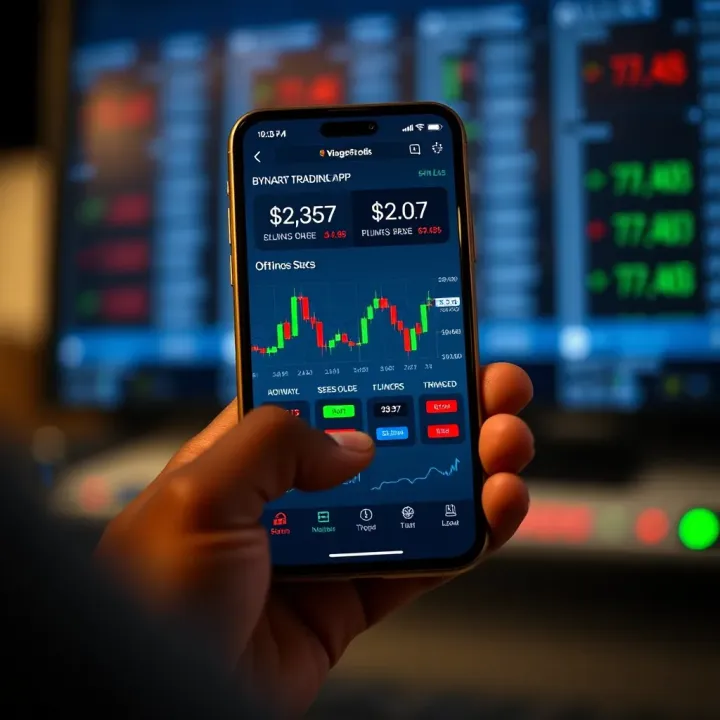
Explore binary trading apps tailored for Nigerian traders 📱. Learn how they work, key features, risks, and tips to pick reliable platforms for smarter trading.
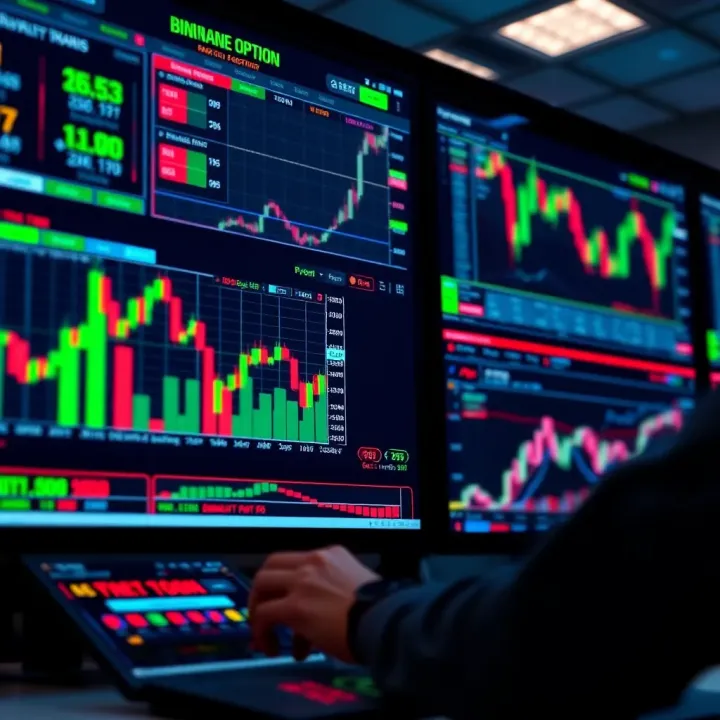
Explore binary option trading in Nigeria 🇳🇬—learn key strategies, legal tips, top platforms, and risks to trade smart and boost your success 🚀📈.
Based on 15 reviews