
Choosing the Best Trading Platform for Nigerian Traders
Discover how to pick the best trading platform for Nigerian traders📈. Learn about features, regulations, and practical tips for smarter investing🇳🇬.
Edited By
Sophia Bennett
Reversal candlestick patterns play a significant role in trading, especially in the Nigerian market where price swings can be sudden and sharp. These patterns form on price charts and signal a possible change in the direction of an asset's price. Traders who recognise them gain an edge by anticipating potential shifts rather than reacting after the event.
At their core, reversal patterns help identify when the trend might be ending. For instance, if the market has been on a steady rise, a reversal pattern could hint at a downturn beginning. Conversely, after a prolonged fall, a reversal pattern might suggest prices are about to climb again. This insight is valuable for making decisions that protect profits or reduce losses.
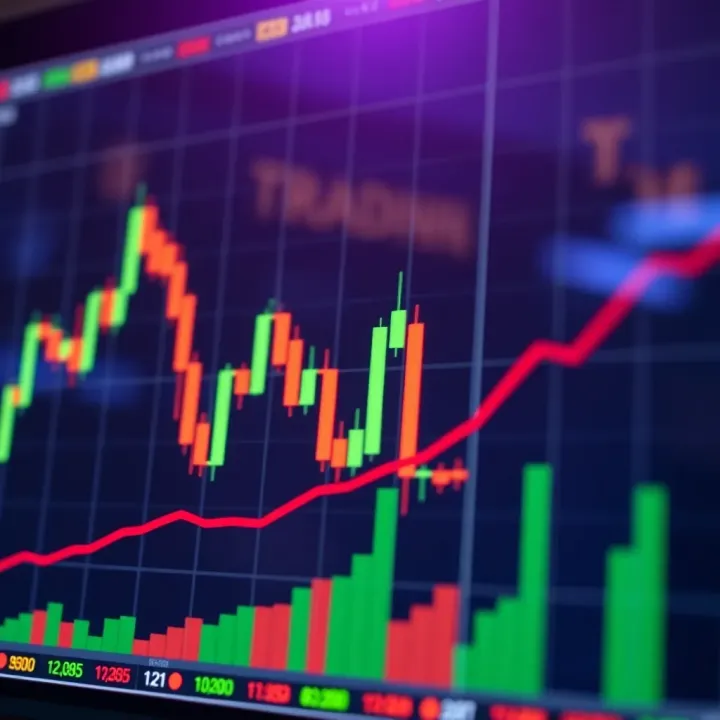
Some common reversal candlestick patterns include the "Hammer", which looks like a small body with a long lower wick; a signal that buyers are stepping in after sellers pushed prices down. Then there’s the "Shooting Star", appearing after an uptrend with a small body and a long upper wick, signalling sellers regaining control. Others like the "Engulfing Pattern" involve two candles where the second fully covers the first, indicating a strong reversal likelihood.
In Nigeria, where markets like the Nigerian Stock Exchange (NGX) can be volatile due to economic factors, political events, or sector-specific news, these patterns become practical tools. For example, during ember months, when trading activity picks up, spotting a hammer or engulfing pattern in a stock like Dangote Cement could help traders position themselves before a price reversal.
Understanding these patterns improves your timing when to enter or exit a trade in volatile markets. It’s not about predicting the future but reading market sentiment effectively.
To get started with reversal candlestick patterns, focus on:
Learning the key patterns and what they signify
Observing them in real market scenarios, on Nigerian stocks or forex pairs like USD/NGN
Combining pattern recognition with other indicators such as volume or moving averages for confirmation
Mastering these basics can greatly improve your trading strategy and help you make ₦-smart moves even in fast-changing markets.
Candlestick patterns provide a visual summary of market sentiment within a given time frame, essential for traders aiming to anticipate price movements. They help decode the struggle between buyers and sellers, offering clues on possible trend reversals or continuations. In the Nigerian market, where volatility can spike during events like ember months or election periods, understanding these patterns can give traders an edge.
Each candlestick displays four key price points: the opening, closing, highest, and lowest prices during a trading session. The body of the candlestick shows the difference between opening and closing prices, coloured typically green for bullish (price increase) and red for bearish (price decrease). The shadows or wicks represent the price extremes. For example, a long lower wick may indicate that buyers pushed the price up after a sell-off, signalling strong demand. Understanding these elements offers practical insight into market sentiment and trader behaviour.
Pins down whether the current trend will persist or change direction, this distinction is vital for crafting profitable trades. Continuation patterns suggest the existing trend—up or down—is likely to keep going. Reversal patterns point to a possible shift. Say, if a stock like MTN Nigeria shows a reversal pattern after a sustained uptrend, it may suggest the price could drop soon, prompting traders to consider selling or hedging. Conversely, continuation patterns reinforce the trader’s confidence to hold their position or add more.
Reversal candlestick patterns are especially valuable because they signal potential turning points, offering chances to enter or exit trades with reduced risk. In Nigerian markets, where external influences such as CBN policies or fuel subsidy changes cause sharp price swings, recognising reversals equips traders to respond promptly. For instance, spotting a bullish hammer pattern on the NGX index following a downtrend might signal a rebound, encouraging an investor to buy. Besides aiding strategy formulation, these patterns also help manage risk by suggesting where stop-loss orders might be optimally placed.
Mastering reversal patterns is not about perfect prediction but improving the odds in decision-making, which is crucial in the often unpredictable Nigerian trading environment.
Clear comprehension of these basics forms the groundwork for using candlestick analysis effectively. Next sections will explore key reversal patterns and how to apply them practically within the dynamics of Nigerian financial markets.
Grasping key reversal candlestick patterns is vital for traders aiming to spot shifts early in market trends. These patterns signal when an existing uptrend or downtrend may be losing steam, helping traders position for potential market turns. Their relevance cuts across markets, including equities, forex, and commodities, with specific applicability to Nigerian markets where volatility and local factors come into play.
The hammer and hanging man appear as single-candle shapes but have distinct meanings depending on the prior trend. A hammer forms during a downtrend and looks like a short body with a long lower wick, indicating buying pressure after initial selling. It suggests sellers may be tiring, and buyers are stepping in. For instance, if Guaranty Trust Bank (GTBank) shares fall sharply then close near their opening price with a hammer candlestick, it hints at a potential bullish reversal.

Conversely, the hanging man emerges after an uptrend. It shares the hammer’s shape but signals caution, showing sellers pushed prices down but buyers regained control. This pattern warns traders that the bulls’ grip might weaken, especially if confirmed by a bearish candle next day.
Engulfing patterns involve two candles where the second fully covers the body of the first. A bullish engulfing pattern happens when a small bearish candle is followed by a larger bullish one, suggesting a shift to buying momentum. Say, on the Nigerian Stock Exchange, when Dangote Cement stock forms this pattern after a downtrend, it may indicate buyers are gaining control.
A bearish engulfing pattern flips this, with a small bullish candle overtaken by a sizable bearish one after an uptrend. This can signal a sell-off phase starting. These patterns are more reliable if volume spikes accompany them, showing genuine market interest.
The piercing line and dark cloud cover are two-candle reversal patterns highlighting possible trend changes. A piercing line arises in a downtrend where the second bullish candle opens below the first bearish candle’s close but closes above its midpoint. This suggests buyers overpower sellers mid-session and can foreshadow price rises. For example, traders observing Nigerian forex pairs like NGN/USD might use this to anticipate a shift.
Dark cloud cover is the bearish counterpart. It forms during an uptrend when the second bearish candle opens above the first bullish candle’s close but closes below its midpoint, pointing to seller strength and potential price drops.
A doji is a candlestick where the opening and closing prices are virtually the same, forming a cross or plus sign. While not a reversal signal by itself, a doji represents indecision in the market. Its significance grows when found after strong trends. For instance, if MTN Nigeria’s share price surges, then a doji appears, it signals the bulls and bears are evenly matched, hinting a possible pause or reversal.
Doji patterns remind traders to watch for confirmation from subsequent candles before acting, reducing false signals.
In summary, recognising these patterns—hammer, hanging man, engulfing, piercing line, dark cloud cover, and doji—helps you read market mood swings and position smartly. In the volatile Nigerian context, combining these signals with volume and news events sharpens their usability, protecting capital and boosting gains.
Recognising reversal candlestick patterns on Nigerian financial markets charts can sharpen your trading edge significantly. These patterns indicate when a stock, currency pair, or commodity might be shifting direction, allowing you to get ahead of major price moves. However, trading here calls for sensitivity to local market dynamics, regulatory changes, and trading volumes common to Nigeria’s financial landscape.
The Nigerian Stock Exchange (NGX) provides accessible daily candlestick charts that capture price action for equities like Dangote Cement and GTBank. These charts display open, high, low, and close prices within a single trading session, visually highlighting demand and supply shifts. When spotting reversal patterns, focus on timeframes that suit your trading strategy—daily charts for swing traders or intraday charts for short-term players.
For example, if Dangote Cement forms a hammer pattern after a downtrend on its daily chart, it signals potential bullish reversal, suggesting buyers are regaining control. Incorporating volume data alongside this pattern strengthens its reliability by showing increased market participation. Tools like NSE’s Trader Terminal or data from investing platforms offer useful charting features for Nigerian equities.
Local events heavily sway the interpretation of reversal patterns. Fluctuating naira exchange rates, fuel scarcity affecting production costs, and changes in CBN monetary policies can create abrupt market moves that distort typical candlestick behaviour. For instance, a piercing line pattern on an equity chart may signal bullish reversal, but if it coincides with adverse economic news or currency depreciation, the pattern’s signal might weaken.
Unlike more liquid international markets, Nigerian assets sometimes face low liquidity during off-peak trading hours or ember months, which may cause false signals or irregular candle shapes. Traders must therefore cross-check patterns with market news and consider whether external shocks might override usual price behaviours.
Consider the Nigerian forex pair USD/NGN on platforms like OANDA or MT4. A bearish engulfing pattern could indicate a reversal if naira strengthens unexpectedly, perhaps following a positive CBN policy announcement. Traders who ignored this pattern in 2023 missed an opportunity to exit naira short positions.
Similarly, equities like MTN Nigeria sometimes display reversal patterns ahead of earnings releases. For example, a hanging man pattern after a rally might warn about an impending drop if market sentiment worsens. Recognising this early allows you to adjust your portfolio or place stop-loss orders appropriately.
Successful trading on Nigerian markets means blending technical signals like reversal candlestick patterns with an understanding of local economic shifts and market behaviour. It’s not just about spotting patterns; it’s about reading their context.
By mastering candlestick charts on Nigerian markets, factoring local influences, and connecting patterns to real examples, you can better anticipate market turns and improve your trade timing. This approach boosts your chances of making informed, ₦-wise decisions rather than relying on guesswork.
Incorporating reversal candlestick patterns into your trading strategies offers a practical way to anticipate market turns and manage positions effectively. These patterns give clues about shifts in buyer-seller momentum, which can guide entry and exit decisions when combined with other tools. For Nigerian traders facing volatile equities or forex markets, blending pattern recognition with disciplined strategy can improve timing and reduce guesswork.
Relying solely on reversal candlestick patterns carries risks since one pattern might mislead without broader context. Combining these patterns with technical indicators such as the Relative Strength Index (RSI), Moving Averages (MA), or the Moving Average Convergence Divergence (MACD) helps confirm signals. For example, spotting a bullish engulfing pattern near an oversold RSI level strengthens the chance it signals a true reversal. On the NGX, where liquidity may vary, these combined signals help avoid false alarms.
Oscillators like RSI highlight momentum shifts, while moving averages reveal support or resistance zones. Together with reversal patterns, they allow you to filter entries for more reliable trades. A trader noticing a Doji at resistance with bearish MACD crossover might prepare to sell rather than buy.
Even the best reversal patterns do not guarantee price direction, so managing risk is key. Use stop-loss orders placed just beyond the reversal candle’s wick to limit losses if the market moves against your position. This approach is vital in Nigerian markets where sudden news or policy changes can disrupt trends.
Position sizing also matters. Do not put too much capital behind a trade based purely on a single pattern without confirmation. For instance, if you identify a hammer pattern in a NSE stock recovering from a long downtrend, scaling into your position gradually allows you to adapt if the reversal does not fully sustain.
Effective risk management turns reversal patterns from hopeful guesses into disciplined trades that protect your capital.
The timing of your trades around reversal patterns can greatly impact profitability. Entering too early may catch you on the wrong side of volatility, while entering too late may reduce gains. After recognising a reversal candlestick, waiting for the next candle to confirm direction—such as a closing price above the hammer’s high in a bullish reversal—can reduce premature entries.
Exit points benefit from reversal signals too. A bearish reversal pattern like a hanging man at an uptrend peak may indicate it's time to lock in profits. Setting profit targets around previous support or resistance levels, confirmed by the pattern, ensures exits align with realistic market behaviour.
In sum, integrating reversal candlestick patterns within a broader, risk-managed strategy sharpens decision-making. Nigerian traders who combine these patterns with technical tools and disciplined trade management stand a better chance of navigating market swings confidently and keeping their ₦ safe.
Misunderstanding reversal candlestick patterns can cost traders dearly, especially in a fast-paced environment like the Nigerian markets. Avoiding common pitfalls sharpens your edge and prevents costly errors. Let's break down the most frequent mistakes.
Candlestick patterns don’t exist in isolation. A hammer in a strong downtrend hints at possible reversal, but spotting one in a stagnant or sideways market might give false hope. Context matters—market volume, prior trend strength, and overall market sentiment must support the pattern. For example, if a bearish engulfing appears after days of volatile, low-volume trading on the NSE, it might not signal a reliable reversal. Always check where the pattern forms and combine it with other analysis tools rather than treating every pattern as gospel.
Many new traders make the mistake of acting purely on candlestick signals without waiting for confirmation. For instance, a piercing line pattern might look bullish, but jumping in on the next candle without seeing increased buying volume or support from other indicators like RSI or moving averages can be reckless. Confirmations help reduce the frequency of false signals. If the pattern is ambiguous, waiting for the next session’s close or additional technical signs may save you from entering a losing trade.
Candlestick patterns are technical tools but markets move on news and macro trends too. Nigerian equities often react sharply to policy announcements from Abuja, CBN monetary policy changes, or oil price fluctuations. Even a textbook reversal pattern can fail if there's a sudden event like a new fuel subsidy policy or political unrest. Traders who disregard such broader factors risk being blindsided. Stay updated with market news and macro events alongside your charting. Remember, patterns reflect past price action—not the full story.
Missteps around candlestick patterns often come down to ignoring the bigger picture. A pattern is just one part of the puzzle—blend it with context, confirmations, and real-world events to improve your trading outcomes.
By sidestepping these common mistakes, Nigerian traders and investors can better use reversal candlestick patterns to anticipate moves on the NSE, forex, or commodities markets. Precision and patience go hand in hand for smarter trading decisions.
Discover how to pick the best trading platform for Nigerian traders📈. Learn about features, regulations, and practical tips for smarter investing🇳🇬.

Discover how to pick the best trading platform worldwide 🌍 by exploring features, security, tools, and user experience tailored for Nigerian traders 🇳🇬.

📱 Discover how to pick the best trading app in Nigeria! Learn key features, popular options, costs, and safety tips to grow your investments securely.

Looking for the best trading app in Nigeria? 📱 Discover must-have features, safety tips, and app picks tailored to your trading goals today! 🇳🇬
Based on 13 reviews