
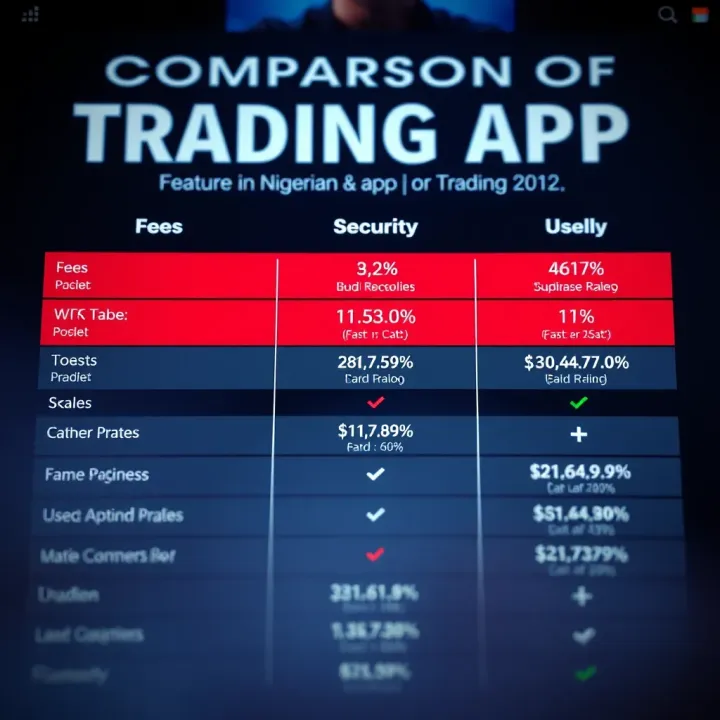
Choosing the Best Trading App for Nigerian Investors
📈 Looking for the best trading app in Nigeria? Compare features, fees, security & local market access to find the perfect fit for your investing needs!
Edited By
Isabella Hughes
Choosing the right trading app can feel like navigating a maze, especially in Nigeria’s unique financial landscape. From the bustling Lagos market to the quieter corners of Jos, traders are looking for apps that not only offer quick and easy access to markets, but also guarantee security and are tailored to local needs.
This article lays out everything you need to know about picking a trading app that fits your style and goals. We’ll go through the types of trading apps available—from stock exchanges to crypto platforms—and what features really matter, like low fees, user-friendly interfaces, or real-time data. We’ll also tackle the specific safety concerns Nigerian traders face, such as local compliance and fraud safeguards.
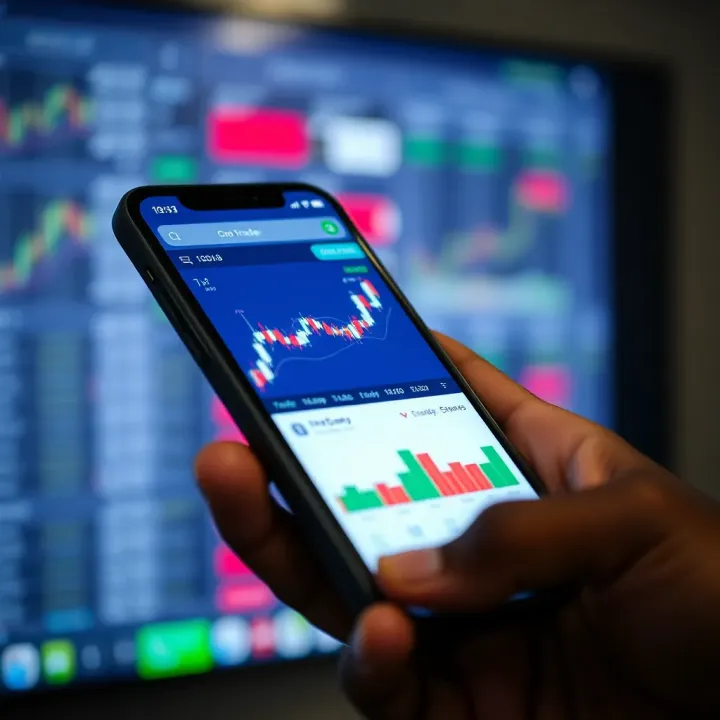
Whether you’re a day trader, a long-term investor, or someone dipping toes into the forex waters, this guide will help you make sense of your options and pick an app that works for you. By the end, you won’t just know what to look for—you’ll understand why those features matter in the Nigerian context and how to avoid common pitfalls.
Important: Not all trading apps are created equal, especially in emerging markets. What works in New York or London might not cut it here, so being informed is key to safeguarding your investments and making smart trades.
Ready to find the trading app that suits your needs? Let’s get started.
Trading apps have become a game changer for many Nigerians looking to participate in financial markets without the hassle of traditional setups. Grasping what trading apps are and why they matter is the first step in making smart choices about where to invest your time and money. Essentially, these apps bring the trading floor right to your fingertips, offering opportunities that were once out of reach for many due to cost, location, or lack of access.
At the heart of it, trading apps serve as bridge tools - they connect individual traders like you to vast networks where stocks, currencies, or cryptocurrencies trade continuously. Knowing how they work and the markets they cover sets the stage for selecting the right app based on your personal goals, be it dabbling in stocks or diving deep into forex.
Definition of trading apps: Trading apps are software applications designed to allow users to buy and sell financial assets using their smartphones or tablets. They typically offer a user-friendly platform where traders can monitor market prices, place orders, and manage their portfolio all in real-time. For instance, apps like Chaka and Trove have made stock trading accessible to many Nigerians by eliminating the need for physical brokerage visits.
How trading apps function: These apps typically link your account to an exchange or broker’s system. When you place an order—say, to buy shares of Dangote Cement—the app sends this request across to the market infrastructure. Through a complex web of digital communication, the order is executed often within seconds. The app then updates your account balance and portfolio to reflect the trade. Behind the scenes, sophisticated algorithms help ensure the process runs smoothly, giving traders immediate feedback on their trades.
Common markets accessible through apps: Most trading apps provide access to major markets such as Nigerian stocks on the Nigerian Stock Exchange (NSE), foreign stocks like those on the New York Stock Exchange (NYSE), forex pairs like USD/NGN, and cryptocurrencies such as Bitcoin or Ethereum. This variety allows Nigerian traders to diversify portfolios easily within a single app, avoiding multiple platforms for different asset types.
Accessibility from any location: One major appeal of trading apps is their convenience. Whether you’re in Lagos traffic or relaxing at a café in Abuja, you can manage your investments without being tied to a physical location. For Nigerians who often deal with power or internet issues, many apps are designed to be data-light and work well even on slower connections.
Lower fees compared to traditional brokers: Traditional stockbrokers typically charge higher commissions and sometimes require minimum balances. In contrast, trading apps like Bamboo often come with significantly lower fees, sometimes even zero commission for certain trades. This cost efficiency helps smaller investors enter the market without burning through their profits.
Real-time market updates and trading: Having the latest market info is critical, especially when prices can swing in minutes. Trading apps push real-time notifications about price changes, news, and alerts, allowing Nigerian traders to react quickly. For example, when the SEC of Nigeria announces changes that may affect stock prices, the right trading app delivers these updates instantly, helping traders decide fast whether to buy, sell, or hold.
The essence of trading apps lies in their ability to democratize access to financial markets. For Nigerians, they are not just tools but gateways to actively growing their wealth, learning about markets, and engaging with global economies directly from their mobile devices.
Understanding the different types of trading apps is key before deciding which one suits your needs in Nigeria. Each app type caters to a specific market, from stocks to forex to crypto, and knowing what they offer helps you make an informed choice that aligns with your trading style and goals.
Stock trading apps in Nigeria have gained traction because they allow users to buy and sell shares of companies listed on exchanges like the Nigerian Stock Exchange (NSE). Popular apps such as Chaka, Trove, and Bamboo offer Nigerians easy access to local and international stocks. These platforms typically have straightforward signup processes and provide real-time data, making stock trading accessible even for beginners.
Portfolio monitoring: Allows you to track your investments over time.
Dividend tracking: Alerts you when dividends are paid out.
Market news and analysis: Keeps you updated on company news to inform your buy/sell decisions.
Fractional shares: Lets you invest in expensive stocks by buying smaller portions, making it easier for people with limited capital.
These features turn stock trading apps into comprehensive tools, blending education with ease of use.
Forex trading is about buying and selling currency pairs, like USD/NGN, aiming to profit from fluctuations in exchange rates. It’s one of the largest markets worldwide and accessible 24 hours, which attracts Nigerian traders looking to trade outside regular stock market hours.
Among the apps facilitating forex trading in Nigeria, MetaTrader 4 and 5 stand out as popular choices, alongside local options like FXTM and HotForex. These platforms offer charting tools, real-time quotes, and leverage options.
However, forex trading is a double-edged sword:
Risks: High volatility can lead to swift losses; leverage can amplify both profits and losses. Scams also lurk in this space, so verifying the broker's legitimacy is a must.
Rewards: Potential for substantial short-term gains due to market fluidity.
Balancing these risks and rewards requires discipline and solid risk management, which good trading apps support through stop-loss orders and educational resources.
Crypto trading involves buying and selling digital currencies like Bitcoin, Ethereum, and others via dedicated platforms. Nigeria has one of the largest crypto user bases in Africa, making crypto trading apps highly relevant.
Top crypto apps available to Nigerians include Binance, Luno, and Yellow Card, offering easy deposit methods often tailored to local payment systems. They provide real-time price updates, wallet integrations, and some even allow peer-to-peer transactions.
It's essential to understand that crypto is still in a somewhat gray regulatory area in Nigeria. The Central Bank of Nigeria (CBN) has restricted banks from facilitating crypto transactions, but crypto trading remains legal with some caution advised.
Regulation is evolving, so traders should pick apps with clear compliance policies and audit trails. This helps ensure funds safety and aligns with local laws.
Overall, being knowledgeable about each app type's specific features, benefits, and risks makes picking the right trading app much easier—you won't be shooting in the dark but making good, calculated decisions.
When it comes to picking the right trading app, no two traders have the exact same needs. But some features are non-negotiable if you want a smooth, secure, and effective trading experience—especially in Nigeria, where market access and tech infrastructure might vary widely. Paying attention to these key features helps you avoid hassles and make trades fast without getting caught up in confusing layouts or hidden costs.
The first thing you'll notice with any app is its design and ease of use. An intuitive interface means you won’t waste time figuring out how to place an order or check your portfolio.
Nothing kills enthusiasm more than a tricky sign-up. Look for apps that allow quick account creation without endless paperwork or waiting periods. For example, apps like Chaka let you open an investment account within minutes, often with just your ID and phone number, making it perfect for Nigerians who want quick access.
Trading happens anywhere now — on buses, at markets, even while waiting in line. A responsive mobile app that works smoothly on various devices and network speeds is crucial. Think about apps like Bamboo or Trove that offer snappy interfaces which load fast and respond well even on average data connections common in Nigeria.
Trading apps handle your money and private info, so security isn’t something to skimp on. Without proper safeguards, you risk losing funds to cyber thieves or scams.

It’s not enough to just have a password. Two-factor authentication (2FA) acts like a double lock, requiring a second proof of identity like a text message code or authentication app. This step makes it much tougher for hackers to access your account even if they snag your password.
Any decent trading app encrypts your data, meaning it’s scrambled so outsiders can't read your info during transmission or storage. Look for platforms that state they use SSL or similar encryption protocols to protect your financial data and personal info.
The more options you have, the better you can tailor your trading strategy. Nigerian traders often want to mix stocks, forex, crypto, or commodities.
Some apps focus on stocks and ETFs only, while others incorporate forex or crypto markets. For example, eToro offers stocks and forex trading, while Binance supports a wide range of cryptocurrencies. Checking the asset types available ensures the app meets your trading interests.
Beyond single stocks or coins, some apps offer mutual funds, ETFs, or commodity contracts — valuable if you want to diversify and spread risk. Platforms like Access Bank's eTrading Service provide access to Nigerian stocks plus other asset classes, letting traders avoid putting all eggs in one basket.
Fees can quietly drain your profits if you aren’t vigilant. Understanding all charges is central to selecting an app.
Some apps charge a flat fee or a percentage of each trade. For instance, Trove charges a 1% commission on trades on Nigerian stocks, which is important to factor into your overall costs.
Watch out for spreads—the difference between buying and selling prices—and other hidden fees like withdrawal charges. These might not show clearly upfront but can add up quickly. Always read the fine print and check user feedback for surprises.
Trading can get technical, and when something is off, fast help is gold.
Look for apps with multiple support options — live chat, phone, email, or even WhatsApp. Quick access to real people means less waiting time to resolve issues.
It’s not just about being reachable but how well and quickly they respond. Check reviews to gauge if support teams are knowledgeable and actually assist with tough questions or technical glitches.
Choosing the right app boils down to picking one that not only fits your trading style but also respects your time, security, and money. Keep these features top-of-mind, and you’ll avoid surprises down the line while maximizing your Nigerian trading experience.
Security is a big deal for anyone trading in Nigeria, especially with the rise in digital platforms. Scams and cyber threats are a real pain, and a careless move can cost you a lot. Understanding the common dangers and the role of regulation can keep your investments safe. It’s about knowing what to watch for and how to act smart, because your hard-earned money deserves protection.
Fake trading platforms are a serious threat in Nigeria’s online trading scene. These bogus apps or websites promise big returns or easy profits but are just traps to steal your cash or personal info. They often mimic popular apps, making it tricky to spot them at first glance.
Here’s how to steer clear:
Always verify the app through official stores like Google Play or Apple App Store.
Check the app developer’s credibility and user reviews; lots of complaints or 5-star gimmicks should raise eyebrows.
Be wary if the app pressures you to deposit money quickly or promises guaranteed profits.
A practical example is when someone downloads a trading app that looks like ‘‘InvestNow’’ but is actually called ‘‘InvestNw’’. The fake one might ask for unnecessary personal details or deposits, then vanish.
Phishing is when scammers trick you into giving out sensitive data like passwords or bank details, often by sending fake messages pretending to be from your trading app or bank. Identity theft then takes that info to impersonate you, draining accounts or making unauthorized trades.
To guard yourself:
Never click on suspicious links or attachments claiming to be from your broker or app.
Confirm any requests for personal info directly with the company’s official contact.
Use unique and strong passwords and enable two-factor authentication where offered.
For instance, receiving an email that looks like it’s from the Nigerian Securities and Exchange Commission (SEC) asking for login info is a classic phishing attempt. Always double-check.
The SEC is the watchdog over Nigeria’s capital markets. It licenses and monitors brokers and trading platforms to keep them honest and operational within the law. Choosing an app regulated by the SEC means it has passed some level of scrutiny, which adds to your peace of mind.
The SEC also educates traders and issues warnings about shady companies, so keeping an eye on their announcements can protect you from falling for scams.
While the SEC handles securities, the Central Bank of Nigeria (CBN) oversees the monetary and banking system. CBN’s guidelines affect forex and cryptocurrency trading, sectors that often intersect with app-based trading.
For example, CBN has on several occasions clarified its position on cryptocurrencies, warning against unregulated trading and highlighting risks, which is crucial for app users to note before diving in.
Going with regulated trading apps isn’t just about following the rules—it means your money, data, and trades are somewhat shielded from fraud and mismanagement. Regulated apps usually have proper security protocols, customer complaint systems, and transparency on fees and operations.
Check if the app is listed on the SEC’s official registry.
Verify if the app complies with the CBN’s policies when dealing with currencies.
Avoid apps with no clear licensing details or those operating offshore without disclosure.
Remember, a legit app doesn’t promise guaranteed returns—it facilitates trading with security and openness.
Being cautious and informed about these security elements can make the difference between a smooth trading experience and falling victim to fraud. Your best defense? Staying alert, verifying credentials, and choosing wisely.
Choosing the right trading app in Nigeria isn't just about picking the flashiest one. It's about understanding which app fits your trading style, goals, and comfort level with risks. Evaluating and comparing apps helps avoid costly mistakes, and saves time by steering you toward platforms that actually work well in the local context. Apps differ in usability, security, fees, and features—so knowing what to check can really make a difference.
Not all reviews are created equal. For Nigerian traders, it's smart to focus on well-known platforms like Google Play Store, Apple App Store, and local finance forums. Websites like Nairaland can give real user feedback, though you should watch out for fake reviews or sponsored comments. Trusted fintech blogs and YouTube reviewers who test apps in Nigerian conditions provide more honest insights. Reliable sources paint an accurate picture of app performance, enabling you to spot recurring problems or standout features.
When scanning reviews, dig deeper than star ratings. Look for comments on transaction speed because slow trade executions can kill profits. Check if users mention easy deposit and withdrawal processes, especially in Nigerian Naira. Be cautious when multiple users report delayed customer support or mismatched pricing information. On the flip side, praise for a clean interface or useful educational tools might signal an app that suits beginners or busy traders. In practice, focus on patterns in feedback to avoid one-off experiences clouding your judgment.
Demo accounts are like test drives for your trading app. They let you explore the platform without risking ₦. For beginners, this means learning how to place trades and read charts without pressure. Experienced traders can test new strategies or app features before going live. For example, apps like Bamboo and Trove offer demo options so users can get hands-on practice using Nigerian stock market data. Demo accounts reveal how intuitive the app is, how fast the interface reacts, and what pitfalls may exist before real money is involved.
Many apps provide trial periods where you use the full version but with limited time or access. This allows you to evaluate premium features like advanced charting tools or automated trading options. Trial periods help you decide if the app’s extras are worth the cost. During this time, test how well the app handles real-time data feeds and whether notifications are timely, especially during peak market hours in Lagos or Abuja. Taking advantage of trial periods reduces the chances of surprise subscription fees or discovering critical missing features later on.
Remember, spending a little time upfront evaluating trading apps saves frustration and money down the road. It’s better to step carefully than to rush into platforms that don’t serve your needs well.
By paying close attention to where you get your reviews and what those reviews say, plus giving demo accounts and trial periods a real go, you can confidently narrow down your choices. This process makes picking a trading app in Nigeria less of a shot in the dark and more of a careful decision—just the way it should be for your money.
Choosing the right trading app tailored for Nigerian users goes beyond just the brand name. It boils down to how well the app fits your trading level, the ease of access, available markets, and most importantly, how it handles your money and data. Given the variety out there, it's crucial to highlight those apps that stand out for their reliability and alignment with local needs.
Many Nigerians lean towards apps like Troves, Chaka, and Rise Vest for stock trading, while IG Markets and MetaTrader 4 grab attention for forex trading. When it comes to crypto, platforms such as Binance and Bundle Africa have carved a niche with their robust interfaces and compliance with local regulations.
Remember, the best app for you hinges on your trading goals and comfort with financial tools. What works for a newbie might not suit an experienced trader, and vice versa.
Beginner-friendly apps prioritize simplicity. They have uncluttered interfaces, clear menus, and straightforward navigation that help a new trader avoid confusion. For example, apps like Chaka offer guided tutorials that walk you through every step - opening an account, placing a trade, and monitoring your portfolio. This approach makes learning less intimidating and allows beginners to focus on grasping market fundamentals instead of fumbling with the technology.
In practice, ease of use also means quick execution. A novice should be able to quickly find a stock or asset, see real-time prices without delay, and complete trades with minimal steps. This streamlining is essential so that new traders don’t lose confidence or make costly errors due to complicated user interfaces.
Another vital factor that lowers the barrier for beginners is the minimum deposit requirement. Apps such as Troves and Rise Vest offer deposit amounts as low as ₦500 to ₦1000. This flexibility means newcomers can start trading without locking away too much cash, allowing them to learn and experiment without fear of heavy losses.
Low deposit thresholds also encourage diversified learning. Beginners can try different markets – stocks, forex, or crypto – on a budget and decide which fits their style best before committing larger sums. This gradual exposure protects their capital while building hands-on experience.
Experienced traders look for more than just basic buy and sell options. They demand features like algorithmic trading, margin trading, and quick order types to capitalize on varying market trends. Apps like IG Markets provide functionality for placing stop-loss orders, trailing stops, and one-click trades, all designed to minimize loss and maximize gains in fast-moving markets.
Moreover, advanced traders appreciate customizable watchlists and alerts that can be tailored around specific assets or price points. This level of control isn’t just a bonus; it’s a necessity for managing complex portfolios and reacting swiftly to market shifts.
Knowing when to buy or sell hinges on the right data. Apps equipped with detailed charting tools and analytical indicators give seasoned traders the edge they need. For example, MetaTrader 4 offers a suite of technical analysis tools including Fibonacci retracements, moving averages, and RSI (Relative Strength Index). These help traders identify trends, forecast potential price movements, and make informed decisions.
Such analytics are crucial for Nigerian traders who often rely on both local market insights and global financial signals. Having access to real-time charts, multiple timeframes, and backtesting capabilities helps experienced users develop strategies with confidence.
Ultimately, picking the right trading app in Nigeria means balancing your skill level with the features offered. Beginners should prioritize user-friendly interfaces and wallet-friendly deposits, while veterans need advanced trading tools and sharp analytics to thrive. Whatever your level, choosing an app that suits your style will save you headaches down the road and help build your trading confidence.
Mastering a trading app goes beyond just knowing how to buy or sell assets. This section is about making the most of the platform you’re on—getting smarter, safer, and more strategic with every move. Using your app effectively can not only boost your potential gains but also guard you against pitfalls common in trading environments, especially in Nigeria where market volatility and regulatory changes add a unique layer of challenge.
Before you dive into the deep end, it's key to figure out how much risk you can stomach without losing sleep. Understanding your risk tolerance means recognizing whether you’re more about small but steady wins or comfortable weathering ups and downs for potentially bigger payoffs. For example, a trader who panics at every market dip might want to start with low-risk assets like blue-chip stocks instead of volatile forex pairs. Setting this boundary can save you money and stress.
When it comes to planning investment amounts, think of your trading money as part of your overall financial puzzle—never gamble what you can't afford to lose. Nigerian traders often find success by starting with small amounts, like ₦10,000 to ₦20,000, which allows room to learn without major setbacks. Gradually increase your stakes as you gain confidence and understanding of how the markets move.
Trading isn't a set-it-and-forget-it game; it requires staying alert. One handy feature on most apps is using app notifications. These alerts keep you in the know about price changes, news updates, or even scheduled economic announcements that could bulldoze or boost your positions. Turning on push notifications for your favorite assets helps you react faster than waiting for daily news emails.
In addition to in-app alerts, following trusted financial news sources is crucial. Nigerian traders benefit from platforms like BusinessDay, The Guardian Nigeria’s financial section, and international sites such as Bloomberg or Reuters. These sources provide broader context and analysis, helping you sift through noise and spot genuine opportunities.
Staying connected to market movements through multiple channels sharpens your trading instincts and prevents surprises.
Consistently monitoring your account gives you an edge in spotting errors, unauthorized trades, or changes in market conditions affecting your portfolio’s health. Make it a habit to log in daily or at least several times a week. For example, a quick check every morning on your app before starting your day can help you decide if adjustments are needed.
On the flip side, caution is needed to avoid overtrading, which often occurs when emotions run high or impatience takes over. Jumping on every tiny market shift results in increased transaction fees and can erode your capital quickly. Set clear trading rules, like limiting trades per day or week, and stick to them. This discipline protects your funds and helps you focus on meaningful opportunities.
By setting reasonable goals, staying informed, and managing your trades prudently, you'll not only improve your chances of success but also enjoy a healthier, less stressful trading experience.
📈 Looking for the best trading app in Nigeria? Compare features, fees, security & local market access to find the perfect fit for your investing needs!
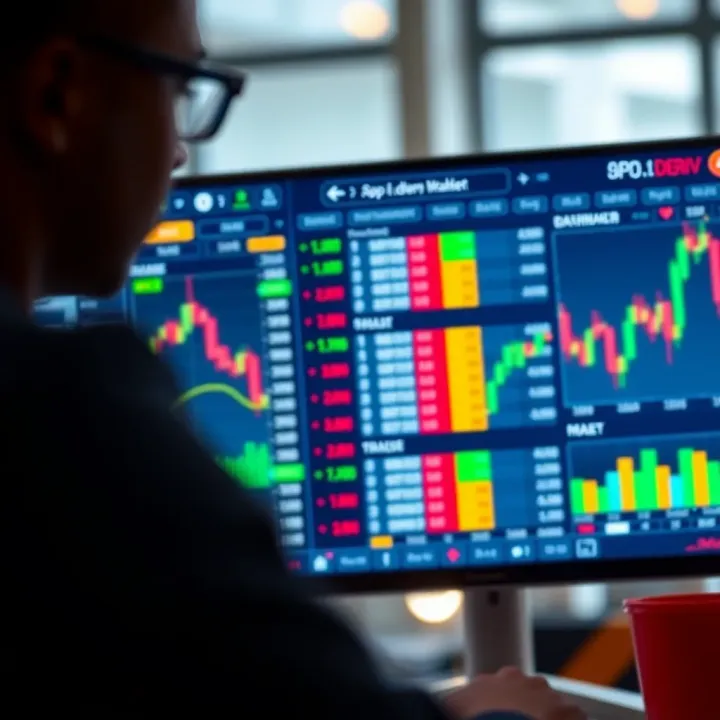
📈 Discover app.deriv's key features, security, and trading tools tailored for Nigerian traders. Start smart with account tips and trading options today! 🇳🇬
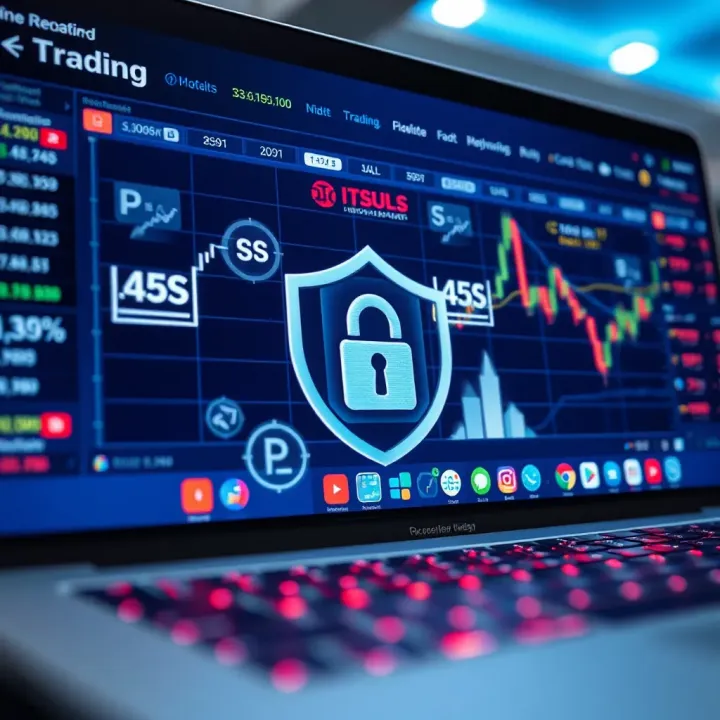
Discover how to pick the best trading platform for Nigerian traders📈. Learn about features, regulations, and practical tips for smarter investing🇳🇬.

Discover how to pick the best trading platform worldwide 🌍 by exploring features, security, tools, and user experience tailored for Nigerian traders 🇳🇬.
Based on 7 reviews