

Choosing the Best Broker for Nigerian Investors
Looking for the best broker in Nigeria? 🏦 Learn how to pick a reliable broker with the right fees, features, and support to boost your investing success. 📈
Edited By
Charlotte Hughes
Meta trading refers to the use of specialised software platforms that connect traders to global financial markets in a consolidated, user-friendly environment. For Nigerian investors, it offers a way to access forex, stocks, commodities, and indices all from one interface. Instead of opening multiple accounts on different exchanges, you can rely on a single meta trading platform like MetaTrader 4 (MT4) or MetaTrader 5 (MT5) to manage your trades efficiently.
These platforms use data from various brokers, giving you an overall view of market prices and liquidity. That means you can spot opportunities, place orders, and track your portfolio without constantly switching apps. Popular brokers serving Nigerian clients often integrate with meta trading platforms, allowing local investors to trade globally while using familiar payment methods like bank transfers or USSD.

Meta trading platforms blend convenience with powerful analysis tools – making them ideal for both beginners sizing up the market and experienced traders strategising on multiple assets.
Key features of meta trading platforms include:
Real-time market data: Stay updated with live prices for currencies, stocks, commodities, and more
Technical analysis tools: Draw trendlines, use indicators like RSI or moving averages to plan trades
Automated trading: Set your own rules and let the system execute trades on your behalf
Risk management options: Use stop-loss and take-profit orders to limit potential losses
For Nigerian investors looking to optimise their trading, understanding how to use these features is crucial. It not only saves time but helps sharpen decision-making under fluctuating market conditions. The use of meta trading is increasingly relevant given the naira’s volatility and the need to hedge risks or capture value across different asset classes.
Overall, meta trading offers a practical approach to global markets. Rather than juggling several platforms and accounts, you can focus on analysing and executing trades directly from one central spot.
Next, we'll explore the most popular meta trading platforms available in Nigeria and how to start using them effectively.
Meta trading is a widely adopted approach that enables investors in Nigeria to engage with global financial markets through software platforms. Understanding what meta trading involves is essential because it shapes how trades are executed, managed, and monitored. For Nigerian investors, appreciating these basics helps in selecting the right tools and strategies, thereby improving chances of success.
The term "meta trading" refers to trading activities conducted using specialist software designed to connect traders directly to financial markets. The name largely comes from the MetaTrader platforms, which popularised this form of trading by providing user-friendly interfaces and automated tools. These platforms originated in the early 2000s and quickly became standard among retail forex and stock traders worldwide.
At its core, meta trading revolves around automated trading solutions and comprehensive market access. This allows Nigerian investors to place trades in currencies, commodities, and indices through advanced platforms that simplify the complex process of market engagement. The practical relevance lies in how these platforms bridge gaps between local traders and international markets, offering a level playing field.
Software like MetaTrader 4 (MT4) and MetaTrader 5 (MT5) serve as crucial hubs where traders manage their investments. With functions ranging from charting to order execution, these platforms offer intuitive environments for analyzing markets and making trading decisions. Many Nigerian brokers integrate MT4 or MT5, making them the go-to software for most retail investors.
These platforms connect traders with global markets by acting as intermediaries between local accounts and international exchanges. For example, when you place a trade on MT4 via a Nigerian broker, your order is transmitted seamlessly to global markets where the actual buying or selling happens. This connectivity expands opportunities beyond the Nigerian Stock Exchange, allowing exposure to forex pairs like USD/NGN or commodities like gold.
Automation is another key feature of meta trading platforms. Expert Advisors (EAs) are algorithms that execute trades on behalf of users based on pre-set rules. For Nigerian traders, EAs provide an advantage by removing emotional biases and operating 24/7 even when the trader is offline. However, it’s important to understand their limitations and risks, as faulty coding or market shifts can lead to losses.
Meta trading platforms like MT4 and MT5 empower Nigerian investors with tools that combine market access, analysis, and automation—making global trading more approachable and efficient.
By grasping these aspects of meta trading, Nigerian investors can better navigate this fast-paced digital trading space with confidence.
Nigerian traders rely heavily on popular meta trading platforms because these tools provide the bridge between local investors and global financial markets. These platforms enable seamless access to diverse assets—from forex pairs to commodities—and are built with features that suit both beginners and experienced traders. Understanding their functionality and integration with Nigerian brokers is essential for making informed trading decisions.
MetaTrader 4 (MT4) is well-loved for its simplicity and robust tools, making it a staple among Nigerian traders. Its wide range of technical indicators, user-friendly interface, and support for automated trading (via Expert Advisors) help traders execute strategies without hassle. MetaTrader 5 (MT5) builds on these strengths with additional assets like stocks and futures, plus improved charting tools and a built-in economic calendar. Both platforms allow traders to analyse markets efficiently and place trades quickly, a practical advantage when market movements demand speed.
Both MT4 and MT5 run smoothly on Windows and Mac desktops, Android, and iOS devices. This device flexibility means Nigerian traders can monitor positions even while commuting on an okada or waiting for danfo in traffic. The mobile apps retain core functionalities, so traders won’t miss key alerts or trading signals. This convenience is vital in Nigeria’s busy urban settings where desktop access isn’t always practical.
A key factor for Nigerians is how well these platforms pair with local brokers. Many Nigerian brokers, including both licensed and international ones operating locally, provide tailored MT4 and MT5 accounts that support naira deposits and withdrawals through multiple channels like bank transfers, USSD, and fintech wallets such as Paystack or PalmPay. This integration simplifies funding and speeds up withdrawal processes, which can otherwise be bottlenecks in online trading.
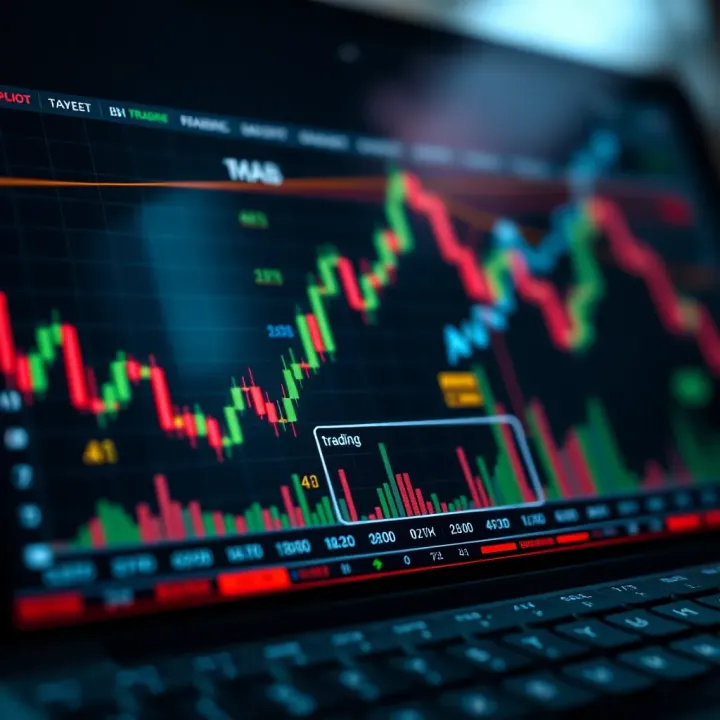
While less widespread than MetaTrader, cTrader offers an intuitive interface and sharper charting tools favoured by some seasoned Nigerian traders. Its capacity for level II pricing and advanced order types suits those looking for enhanced market depth. Nigerian traders attracted to ECN (Electronic Communication Network) models often prefer cTrader for lower spreads and faster execution, especially in high-volatility periods common in emerging markets.
ZuluTrade stands out for its focus on social and copy trading, allowing Nigerian beginners to mimic the trades of successful professionals. This platform appeals to those who may not have the time or expertise to trade independently but want exposure to forex and commodities. The social aspect also builds a community feel, which resonates well with Nigerian investors who value peer recommendations and trust.
MetaTrader remains dominant largely due to familiarity, widespread broker support, and a massive library of custom tools and expert advisors. However, cTrader offers superior visualisation and order execution for more advanced traders, while ZuluTrade caters to beginners and social traders. Choosing between them depends on your trading style and goals. For new Nigerian traders, starting with MetaTrader is often the smoothest path, with cTrader and ZuluTrade serving as useful alternatives for specific needs.
Selecting the right platform is more than personal preference; it affects execution speed, fees, and access to localised features vital for Nigerian investors navigating dynamic markets.
Meta trading strategies are essential for Nigerian investors who want to navigate the fast-moving global markets with confidence. Effective strategies help traders plan entries and exits, manage risks, and improve consistency. In Nigeria’s market environment, where volatility and power supply challenges add layers of complexity, applying these strategies wisely can mean the difference between profit and loss.
Technical analysis relies heavily on indicators and chart patterns to predict future price movements. Popular indicators such as the Relative Strength Index (RSI), Moving Averages (MA), and Bollinger Bands serve as signals for buying or selling assets. Nigerian traders often monitor candlestick formations like the hammer or engulfing patterns to spot reversals or continuations in the market. This visual approach helps traders make quick decisions without waiting endlessly for news or fundamentals.
Trend following and breakout strategies are also widely used among Nigerian traders. Trend following involves identifying and riding a prevailing market direction, whether up or down, often by using tools like the Moving Average Convergence Divergence (MACD). Breakout strategies capitalise on moments when price moves decisively beyond a support or resistance level, signalling strong momentum. For example, a trader spotting a breakout from a key resistance in the NSE All-Share Index futures could position for gains as the trend gathers steam.
Expert Advisors (EAs) are automated trading programs coded to execute trades based on predefined rules. They help Nigerian traders bypass emotional decisions by sticking strictly to strategy parameters—buying or selling when certain conditions are met. For instance, an EA can enter a trade when the 50-day MA crosses above the 200-day MA, a classic golden cross signal.
The advantages of EAs include 24/7 market monitoring, speed of execution, and removal of human error. However, common pitfalls are over-optimisation on historical data, which fails in live conditions, and mechanical failures due to poor internet or power outages common in Nigeria. Traders using EAs should monitor performance closely and back up with manual checks.
Copy trading allows Nigerian traders, especially beginners, to replicate trades of experienced professionals automatically. Platforms like ZuluTrade and integrated MetaTrader copy features enable straightforward setup, where you pick reputable leaders and mirror their moves. This reduces the learning curve and offers practical exposure to real market dynamics.
That said, copy trading carries risks. Blindly following traders without understanding their style or risk appetite may lead to losses. Beginners benefit by starting with small stakes and choosing traders with transparent performance records. The approach is especially useful for investors who juggle multiple commitments or those still learning technical tools.
Using a combination of these strategies lets Nigerian meta traders tailor their approach to personal risk tolerance, market conditions, and trading goals. Remember, no single method guarantees success—diversification and continuous learning remain key.
Meta trading offers exciting opportunities, but Nigerian investors must be aware of its inherent risks and challenges. Understanding these obstacles helps in making smarter decisions and safeguarding your investments.
Volatility and liquidity issues: Financial markets can be highly volatile, with prices swinging sharply within short periods. For Nigerian traders, this is especially relevant during global economic shifts, such as sudden changes in oil prices or geopolitical tensions affecting currencies like the naira. Illiquid markets can worsen this, as fewer buyers and sellers delay trade execution or cause unpredictable price gaps. For example, trying to exit a position during a political crisis might see your order delayed or filled at unfavourable prices, potentially wiping out profits quickly.
Platform glitches and internet connectivity: Reliable internet is essential for meta trading, but Nigeria faces frequent power outages and network inconsistencies. Platform glitches or delays interrupt trade execution, risking losses. Picture a situation where you place a stop-loss, but due to connection lag or software freeze, it does not trigger promptly. In such cases, you could suffer greater losses than intended. Using reliable ISPs and devices with backup power sources helps, but the risk remains a practical challenge many traders encounter.
Compliance with Nigerian laws: Traders must understand that while meta trading itself is legal, all activities must follow Nigerian financial regulations. The Central Bank of Nigeria (CBN) oversees foreign exchange controls, which affect how funds move for trading. Ignoring these laws may lead to account freezes or legal questions. For instance, failing to declare foreign currency inflows related to trading profits could attract unwanted attention from tax or financial agencies.
Broker licensing and scam awareness: Unfortunately, unscrupulous brokers target Nigerian traders frequently. Always verify that your broker is licensed by recognised authorities like the Securities and Exchange Commission (SEC) Nigeria or reputable international bodies. Many Nigerian traders have fallen victim to fake brokers promising high returns but disappearing with clients' funds. Awareness and thorough due diligence reduce such risks significantly.
_"Always double-check broker credentials before committing funds — it’s your first line of defence against fraud."
Using stop-loss and risk limits: Applying stop-loss orders limits potential losses by automatically closing trades at certain price points. Nigerian traders benefit from this tool to protect capital, especially when markets move unexpectedly. Setting realistic risk limits per trade—often 1-2% of your total account—helps in preserving funds over time, avoiding heavy blows during volatile periods.
Importance of demo accounts and education: Before risking real naira, practising on demo accounts offered by platforms like MetaTrader 4 or 5 allows you to learn without financial exposure. Many Nigerian traders skip this step and suffer avoidable losses. Continuous education on market behaviour, trading psychology, and platform features builds confidence and skill. Joining local trading communities or webinars can also provide practical insights unique to our environment.
Risk management isn’t just a buzzword; it’s the foundation of sustained success in meta trading. Taking these precautions seriously will help Nigerian investors protect their portfolio amid market and technical uncertainties.
Starting with meta trading in Nigeria demands attention to choice of broker, account setup, and mastering the software. These foundational steps shape the success of your trading activities and protect your investment.
Choosing a broker is the first crucial step. Look for factors like regulation status, trade execution speed, and transaction costs. For example, brokers regulated by Nigerian authorities or recognised international bodies offer more security. Cost matters too; high spreads and hidden fees diminish profits, so compare brokers carefully before committing.
Deciding between local and international brokers depends on your comfort with accessibility and trading instruments. Local brokers often provide easier naira funding options and customer service aligned with Nigerian market realities. However, international brokers tend to offer a wider range of assets and access to global markets, which can be attractive for diversifying.
After picking a broker, registering your trading account follows. Typically, this involves filling basic personal details online. The process is straightforward but may require patience if verification takes longer due to document checks.
Verification is essential and often includes submitting your Bank Verification Number (BVN) and National Identification Number (NIN). These steps confirm your identity and help curb fraud, aligning with Nigerian financial regulations. Having these documents ready speeds up account approval.
Funding and withdrawing from your account should suit your preferences and bank arrangements. Many Nigerian traders appreciate brokers offering direct naira deposits via local banks like GTBank or Access Bank. Quick withdrawal options and low charges also matter, as you want access to your funds without unnecessary delays.
Installing MetaTrader 4 or 5 is usually just a matter of downloading from your broker's site or an app store. Once installed, basic navigation involves opening charts, selecting currency pairs, and understanding the order window. Getting familiar here lays the groundwork for efficient trading.
Customising settings and indicators allows you to tailor the platform to fit your strategy. Adjust colours, timeframes, and add commonly used indicators like moving averages or RSI for better chart reading. This step transforms the platform from generic software into your personal trading space.
Executing trades and monitoring them closely is vital. The platform lets you place market or pending orders, set stop-loss levels to limit risk, and take-profit orders to lock gains automatically. Regularly monitoring trade status helps you react swiftly to changing market conditions, a must in Nigeria’s sometimes volatile forex scene.
Starting carefully with the right broker and mastering your tools makes meta trading less daunting and more rewarding for Nigerian investors. Every step counts towards building confidence and maximising opportunities.
Having the right tools and resources is key to success in meta trading, especially for Nigerian investors navigating fast-moving global markets. These resources provide practical guidance, market insights, and technological advantages that help traders make smarter decisions while managing risks effectively.
Online courses and webinars offer structured learning for both beginners and experienced traders. Many platforms provide courses tailored to the Nigerian market, covering basics like chart reading, technical analysis, and how to use MetaTrader software. Attending live webinars allows you to ask questions in real time and learn from seasoned traders, which can fast-track your understanding.
Nigerian trading communities and forums serve as valuable hubs where you can share experiences, discuss strategies, and get local insights on brokers and market conditions. Platforms like Nairaland and Telegram groups dedicated to trading in Nigeria create an environment where traders exchange tips, warn about scam activities, and celebrate wins together. Joining these networks helps you stay updated and feel connected, reducing the isolation many new traders face.
Local and international financial news sources keep you informed about factors that influence markets. Nigerian news outlets cover local economic data, naira exchange trends, and regulatory updates, while international sources highlight global events that affect forex, commodities, and indices. Regularly checking these news sources helps you anticipate market moves and adjust your trading strategy accordingly.
Integration with MetaTrader alerts allows you to receive real-time notifications on price changes, news events, and trading signals directly through the MetaTrader platform. This feature ensures you don’t miss crucial market developments even when away from your screens, helping you react quickly and protect your investments in volatile markets like Nigeria's.
Algorithmic trading tools are software plugins that automate trading based on predefined rules, removing emotion from decision-making. In Nigeria, using algorithmic tools can help manage trades efficiently amid frequent power outages or internet fluctuations, as these tools execute orders instantly when criteria are met. However, proper configuration and backtesting on demo accounts remain critical before deploying these tools live.
Signal providers and copy trading apps give you access to professional traders’ strategies, allowing you to mirror their trades automatically. This is particularly useful for novices who still build their confidence and skills. Some platforms integrate seamlessly with MetaTrader, where you can select verified signal providers and set limits on risk exposure. Always perform due diligence to avoid providers with poor track records or unrealistic promises.
Equipped with these educational, analytical, and technical aids, Nigerian traders can better navigate the complexities of meta trading, boosting both confidence and performance.
Looking for the best broker in Nigeria? 🏦 Learn how to pick a reliable broker with the right fees, features, and support to boost your investing success. 📈
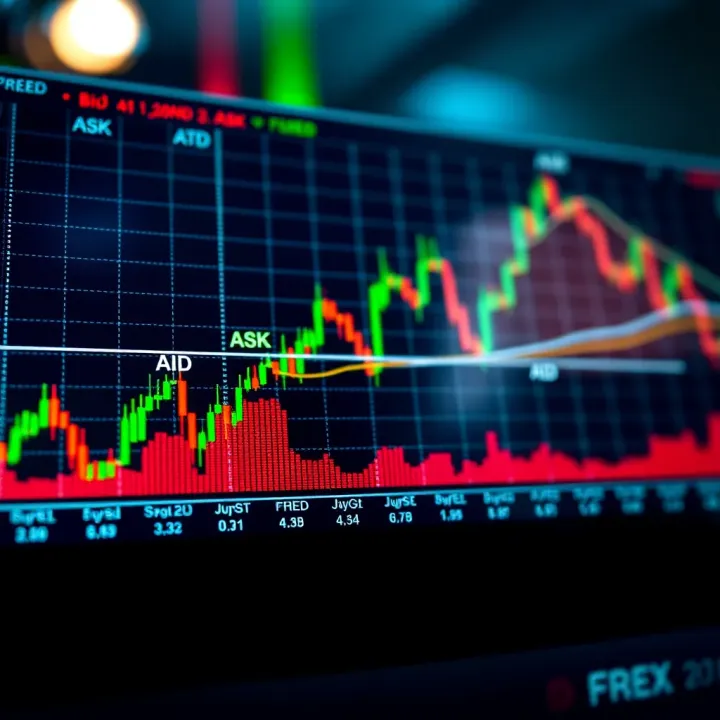
📊 Learn how forex spreads affect trading costs and strategy decisions. Discover spread types and key factors to trade smarter in Nigeria's forex market.
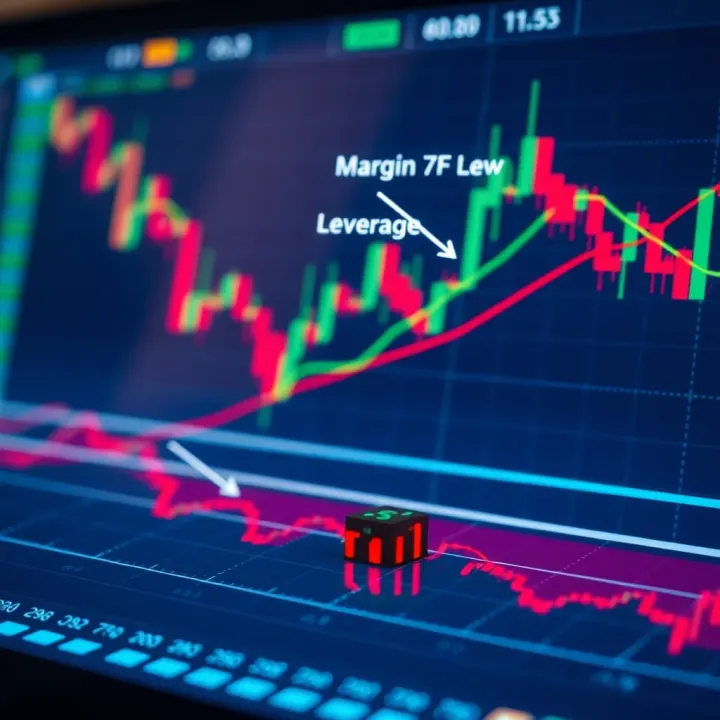
📊 Learn how margin works in forex trading, why it's vital, how to calculate it, and the risks to watch. Essential for smart trading in the forex market.
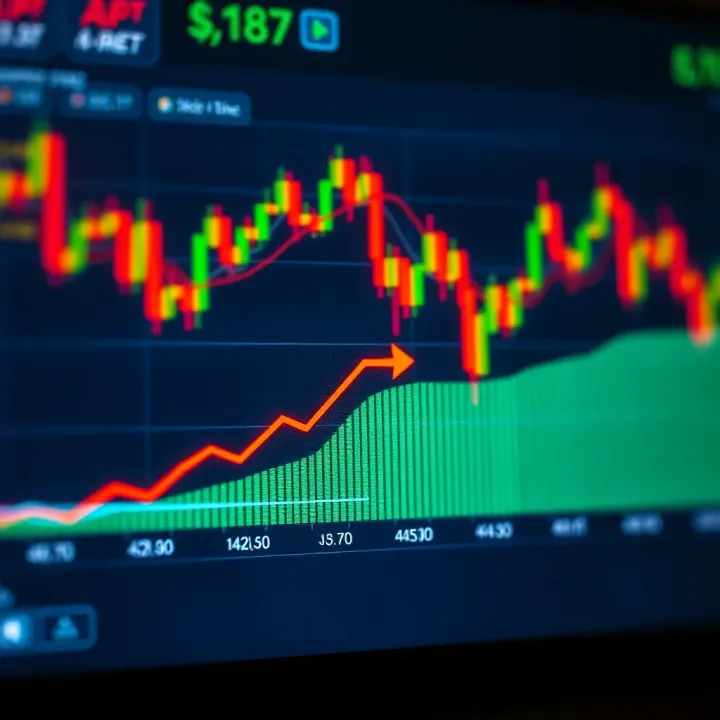
📉 Understand deviation in forex trading: learn why price differences happen, its impact on your trades, and practical tips for Nigerian traders to handle slippage effectively.
Based on 7 reviews