
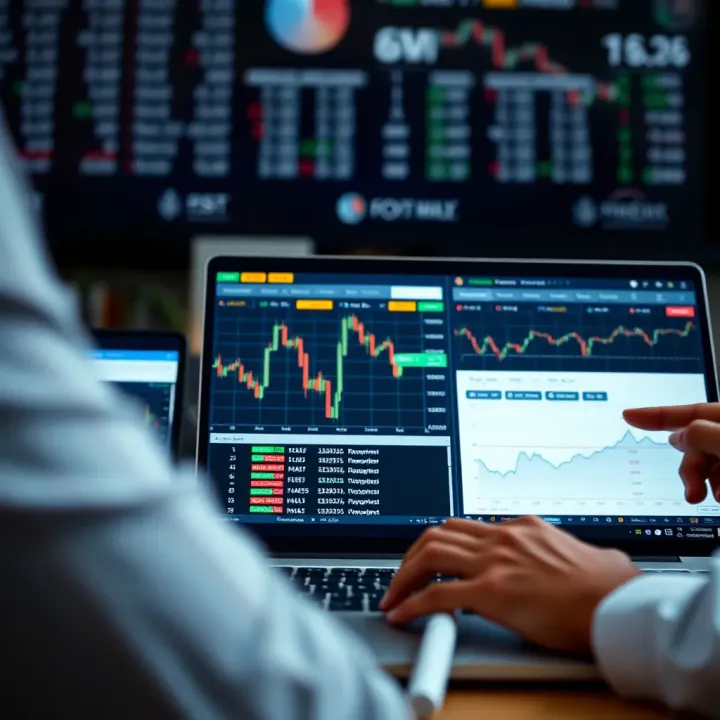
Choosing the Best Broker for Nigerian Investors
Looking for the best broker in Nigeria? 🏦 Learn how to pick a reliable broker with the right fees, features, and support to boost your investing success. 📈
Edited By
Sophie Bennett
Bitcoin’s price is always catching the eye of Nigerian investors and traders. Its value against the Naira fluctuates almost daily, influenced by global market trends and local economic factors unique to Nigeria’s financial landscape.
For many Nigerians, Bitcoin is more than just a digital asset; it's a new way to protect savings from naira depreciation and high inflation. But understanding why Bitcoin moves the way it does today requires a look at both international events and domestic realities.
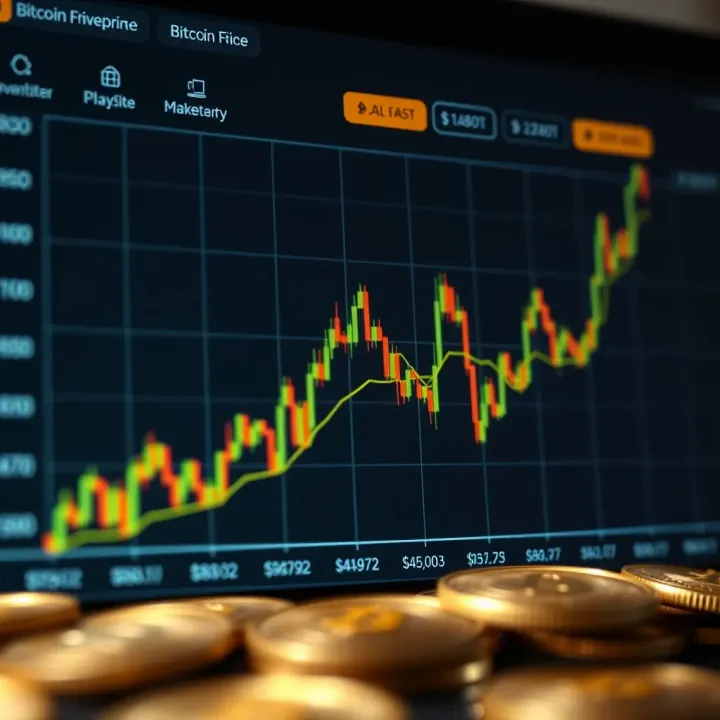
Globally, Bitcoin prices respond to geopolitical tensions, regulatory updates, interest rate changes by major economies like the US, and shifts in investor behaviour. For example, when the US Federal Reserve signals a rate hike, investors often move away from riskier assets like cryptocurrencies. This ripple effect hits the Nigerian market as well, often causing immediate price shifts in Bitcoin quoted in Naira.
Locally, factors like naira currency instability, CBN policies on foreign exchange, and the frequent power supply challenges affecting digital infrastructure impact Bitcoin trading. Higher diesel or generator fuel costs can make maintaining cryptocurrency mining rigs expensive, influencing supply indirectly.
Nigerian investors must therefore monitor global Bitcoin trends alongside domestic economic news. The naira-dollar exchange rate remains a key determinant in the effective price seen on local exchanges.
Here are key points to watch if you're trading or investing in Bitcoin in Nigeria today:
Naira Exchange Rate Movements: Changes in the parallel market rate can cause Bitcoin prices to swing sharply.
CBN Policies: Any new guidelines on cryptocurrency usage or foreign exchange rules affect market confidence.
Global Crypto Regulatory News: Announcements from countries like the US, China, or EU often trigger sharp price responses.
Local Power and Internet Stability: Downtimes limit access to exchanges, affecting trading volume.
Understanding these factors helps Nigerian investors make informed decisions rather than reacting purely to headline price changes. Keeping an eye on ₦-quoted prices of Bitcoin across platforms like Luno, Binance Nigeria, or Yellow Card can reveal arbitrage opportunities or risks.
In short, today’s Bitcoin price means much more than just numbers on a screen. It reflects complex economic forces both abroad and on Nigerian soil, making it essential for investors to stay sharp and updated.
Keeping a sharp eye on the current Bitcoin price is essential for Nigerian investors aiming to make informed decisions. Bitcoin's value doesn't move in isolation; it interacts closely with local economic factors like the naira exchange rate and global market trends. Without understanding today's price landscape, traders risk buying or selling at unfavourable rates, which can quickly lead to losses, especially given the naira’s occasional volatility.
Nigerian investors should rely on trustworthy sources to get daily Bitcoin price updates. Platforms like Binance and Luno offer real-time pricing directly linked to active exchanges, while some local fintech apps like OPay provide updates tailored to Nigeria’s market conditions. Relying on reliable sources prevents being misled by outdated prices that might not account for recent naira fluctuations or local demand.
Beyond global exchanges, local platforms such as Binance’s P2P market, Paxful, and LocalBitcoins allow traders to see prevailing rates in Nigeria. These sites reflect actual buying and selling activity, giving a clearer picture of what Nigerians pay. Comparing prices across such platforms helps spot arbitrage opportunities or decide when to enter or exit the market confidently.
Bitcoin's price in naira hinges heavily on the prevailing naira-to-dollar exchange rate. Since Bitcoin is priced globally in dollars, a weaker naira means Nigerians will pay more naira per Bitcoin, even if the dollar price remains steady. For example, when the parallel market rate jumps from ₦750 to ₦780 per dollar, Bitcoin's local cost adjusts accordingly, making timing critical for buyers.
Investors must also consider the spread—the difference between the buy and sell prices—and the fees charged by crypto exchanges. Nigerian platforms often have wider spreads than global exchanges to cover liquidity risks and operational costs. For instance, buying Bitcoin at ₦25 million and selling at ₦24.5 million means a ₦500,000 spread per Bitcoin, which traders need to factor in to avoid unexpected losses. Additionally, transaction fees vary; some platforms charge fixed amounts, while others take a percentage, impacting overall costs.
Monitoring Bitcoin prices in naira alongside exchange rates, spreads, and fees equips Nigerian investors to make smarter trades and improve profitability in a sometimes unpredictable market.
Understanding the factors that influence Bitcoin price is essential for Nigerian investors aiming to make informed decisions. Bitcoin’s value reacts to a mix of global and local forces, which can either push prices up or drag them down. Grasping these elements helps traders spot opportunities and manage risks effectively.
Global rules and how countries choose to accept or reject Bitcoin heavily affect its price. When major economies introduce clear regulations or adopt Bitcoin for payments, it usually boosts confidence and demand, pushing prices higher. For example, when the United States or the European Union issues positive guidance on cryptocurrencies, Nigerian investors may feel more secure trading Bitcoin.
On the flip side, harsh regulations or bans, as seen in some Asian countries, cause price dips because they reduce liquidity and access. Awareness of these developments helps Nigerian traders anticipate market reactions and adjust their strategies accordingly.

Turbulence like wars, sanctions, or economic sanctions often triggers fluctuations in Bitcoin’s price. For instance, if a geopolitical crisis limits access to traditional currencies or banking, people might turn to Bitcoin as an alternative store of value.
During financial crises, Bitcoin sometimes acts like “digital gold,” attracting investors seeking refuge from unstable fiat currencies. Nigerian investors should watch global events closely, as sudden shocks can create both risks and chances to buy at lower prices.
Inflation and swings in the naira exchange rate impact Bitcoin’s local value significantly. With persistent inflation in Nigeria, some people buy Bitcoin to shield their wealth from naira depreciation. This increased demand can drive Bitcoin prices up when measured in naira.
Still, fluctuating naira rates can complicate pricing, making it tricky for traders to predict short-term movements. For example, sharp naira depreciation against the dollar may spike Bitcoin's naira price, even if the Bitcoin dollar value stays stable.
The Central Bank of Nigeria (CBN) holds sway over how freely cryptocurrencies circulate. Policies such as restricting banks from allowing crypto transactions, as seen in the 2021 directive, cause liquidity issues and reduced trading volumes.
Such rules influence trust and accessibility, directly affecting Bitcoin price trends within Nigeria. Staying updated on CBN’s stance helps investors anticipate market liquidity and regulatory risks, which are crucial when planning trades or investment horizons.
Nigerian investors should balance global cues and local realities, understanding how inflation, currency moves, and regulations come together to shape Bitcoin price behaviour. This insight improves timing decisions and risk management in a market known for volatility.
Keep an eye on international regulatory news and adoption trends for early signals.
Monitor geopolitical developments to understand potential price shocks.
Track naira inflation rates and exchange fluctuations to gauge local price impact.
Stay informed on any updates from the CBN relating to cryptocurrency rules and banking access.
Building awareness of these factors equips Nigerian traders with practical knowledge for navigating Bitcoin price movements today.
For Nigerian traders, understanding how to navigate Bitcoin price changes is key to making profitable decisions. Bitcoin’s volatility, while risky, also presents opportunities for traders who can spot trends and apply smart strategies. Given Nigeria’s unique economic context—such as naira fluctuations and CBN's policies—knowing how to respond to price swings helps traders protect their investments and seize timely gains.
Many Nigerian traders watch Bitcoin price charts closely to identify patterns that hint at possible rises or drops. For instance, if Bitcoin’s price shows repeated support around a level—say ₦20 million—some traders might wait for a bounce back before buying. Conversely, a sudden dip might be a signal to sell, locking in profits before prices fall further. While timing the market perfectly is tricky, watching local news, global crypto updates, and technical indicators can give useful clues to enter or exit trades.
This approach is particularly relevant during volatile periods like the ember months when economic activity spikes and fluctuations intensify. Traders who spot trends early can avoid losses from sudden shocks or capitalise on short-term gains.
Instead of trying to buy Bitcoin at the lowest price each time, dollar cost averaging (DCA) involves investing fixed amounts regularly, regardless of price. For example, a trader might decide to buy ₦50,000 worth of Bitcoin every two weeks. This strategy spreads out the investment, lowering the risk of buying at a peak.
In the Nigerian market, where naira depreciation and exchange rate swings can affect buying power, DCA helps smooth out buying costs over time. It also encourages disciplined investing, preventing emotional decisions made during price spikes or crashes.
Stop losses and profit targets are essential tools for managing risk. A stop loss automatically sells Bitcoin if its price falls to a set point, limiting losses. For example, a trader who buys Bitcoin at ₦22 million might set a stop loss at ₦20 million to prevent deeper losses.
Profit targets work the same way but lock in gains when Bitcoin hits a predetermined price. Setting these levels helps Nigerian traders avoid greed or panic. Rather than holding on hoping for more gains, they can secure profits and avoid sudden reversals.
Bitcoin’s digital nature means security is paramount. Nigerian traders must use secure wallets—preferably hardware wallets or reputable software wallets with strong encryption—to protect against hacks and theft. Storing Bitcoin on exchanges exposes traders to risks if the platform experiences downtime or fraud.
Additionally, verifying transaction details carefully helps avoid losses due to scams or mistakes. With Nigeria’s growing crypto scene, scammers exploit poorly protected wallets or fake platforms. Practising good security hygiene — including two-factor authentication and regular software updates — ensures safer trading.
Nigerian traders who pair strategic buying or selling with strong risk management tools stand better chances in the unpredictable Bitcoin market. Understanding these approaches helps transform Bitcoin’s volatility from a threat into an opportunity.
Keeping an eye on Bitcoin prices is essential for Nigerian investors and traders looking to make informed decisions. Reliable tools and platforms not only provide real-time price updates but also enable deeper market analysis, helping users to spot trends and react promptly. Given the volatility in Bitcoin prices and the added layer of naira exchange fluctuations, using the right resources can make a noticeable difference.
OPay, Binance, and LocalBitcoins represent key options for Nigerians trading Bitcoin. OPay stands out for its user-friendly interface and integration with daily Nigerian payment systems, making buying and selling Bitcoin quite accessible. Binance offers a broader range of cryptocurrencies and advanced trading features suitable for more experienced investors. LocalBitcoins, on the other hand, allows direct peer-to-peer trading, which appeals to users wanting to bypass traditional exchanges or find better rates locally. Each platform has its fees and liquidity levels, so choosing the right one depends on your trading style and needs.
Mobile apps from these exchanges provide real-time price alerts that keep you updated on market movements wherever you are. For example, Binance’s app sends push notifications for significant price changes or when your set price targets are reached. OPay’s app integrates Bitcoin trading with everyday activities like bill payments, enhancing convenience. These instant alerts help traders avoid missing profit opportunities or cut losses early, especially when market volatility spikes unexpectedly.
Price charts, volume data, and trend analysis tools are vital for interpreting Bitcoin’s market behaviour. These analytics help investors identify patterns like support and resistance levels or volume surges signalling potential price moves. Using charting tools available on platforms like Binance or through dedicated apps lets you customise indicators and time frames, improving your ability to time trades more effectively.
Nigerian investors can also benefit from additional resources such as CoinMarketCap for global price comparisons and NGX market data to monitor overall market sentiment within Nigerian financial contexts. While NGX doesn’t list cryptocurrencies, its broader market trends and volume could indirectly influence crypto asset flows. CoinMarketCap offers comprehensive data on trading volume, market capitalisation, and price changes across exchanges, allowing Nigerians to cross-check local prices with global benchmarks.
For anyone serious about Bitcoin trading in Nigeria, combining exchange tools with independent analytics ensures better insight and timing, crucial for managing risks in a fluctuating market.
In summary, well-chosen platforms and apps tailored for the Nigerian market can empower traders with timely information and practical tools. This enables smarter trading decisions and stronger navigation through Bitcoin’s price shifts amid local economic challenges and global developments.
Understanding the outlook for Bitcoin price is vital for Nigerian investors because it helps them prepare for potential market shifts that affect their investment returns. Given Nigeria’s unique economic environment and the rapidly evolving cryptocurrency landscape globally, staying informed about upcoming changes and trends aids investors in making thoughtful and timely decisions.
Regulation remains one of the most significant factors shaping Bitcoin’s price, especially in Nigeria where the Central Bank of Nigeria (CBN) has taken a cautious stance on cryptocurrency trading. Any shift toward clearer, more supportive policies could increase adoption and push demand up, potentially lifting Bitcoin prices in naira terms. Conversely, stricter rules or outright bans — as seen in some countries — typically cause price dips.
On the global front, regulators in the US, EU, and Asia are crafting new cryptocurrency guidelines. For instance, the US Securities and Exchange Commission's tightening scrutiny on crypto exchanges could affect liquidity worldwide. Since Nigerian investors often rely on foreign exchanges like Binance, these international regulatory moves indirectly influence local prices and trading accessibility. Monitoring such developments allows Nigerian traders to anticipate volatility and adjust strategies accordingly.
Technological progress in blockchain and Bitcoin infrastructure also impacts its value. The ongoing enhancements in scaling solutions, like the Lightning Network, make Bitcoin transactions faster and cheaper, encouraging daily use and increasing demand. If Nigeria’s expanding fintech ecosystem adopts Bitcoin more extensively, it could foster wider acceptance, positively affecting price stability and growth.
Additionally, growing interest from institutional investors worldwide points toward maturation of the market. As platforms such as Paystack and Flutterwave explore crypto payment integrations, Nigerian users may find it easier to use Bitcoin, which could slowly ease scepticism and broaden the investor base.
Bitcoin can provide good returns but its high volatility means Nigerians should avoid putting all their eggs in one basket. Integrating Bitcoin alongside stocks, government bonds, fixed deposits, and local businesses reduces risk. For example, while Bitcoin might offer significant short-term gains, stable investments in Treasury bills or mutual funds ground a portfolio against sudden shocks.
A diversified approach also cushions investors against naira depreciation and inflation. Having assets in Bitcoin and traditional financial instruments prepares Nigerians to tackle multiple economic scenarios without overexposure to any single market movement.
Currently, Nigeria lacks explicit laws on cryptocurrency taxation, but the Federal Inland Revenue Service (FIRS) may treat Bitcoin trading gains under income or capital gains taxes. Investors must keep detailed records of transactions, dates, and amounts to comply with any future tax requirements. Failure to document appropriately could lead to penalties once clearer regulations emerge.
Regarding legality, despite the CBN’s restrictions on banks facilitating crypto transactions, retail trading via peer-to-peer platforms remains operational. However, investors should prioritise legal caution, using trusted wallets and exchanges to avoid scams or loss of funds from unregulated services.
Stay updated on regulatory shifts, maintain a diversified investment portfolio, and observe legal obligations to navigate Bitcoin investment wisely in Nigeria's complex market.
By considering these outlook factors and practical steps, Nigerian investors can better position themselves to manage the risks and opportunities that Bitcoin presents today and beyond.
Looking for the best broker in Nigeria? 🏦 Learn how to pick a reliable broker with the right fees, features, and support to boost your investing success. 📈
📈 Explore TradingView’s powerful charts, live data, and social tools tailored for Nigerian traders. Learn how to navigate markets effectively with this guide.
Explore Binary.com 📊 with our detailed guide for Nigerian traders 🇳🇬. Learn platform features, trading options, account setup, risk tips, and regulations.

Explore agency securities in Nigeria 🇳🇬: types, benefits, risks, comparisons with other bonds, and tips for investors navigating local regulations 📈💼
Based on 7 reviews