
Choosing the Best Broker for Nigerian Investors
Looking for the best broker in Nigeria? 🏦 Learn how to pick a reliable broker with the right fees, features, and support to boost your investing success. 📈
Edited By
Emily Walsh
Trade View stands out as a flexible tool for Nigerian investors looking to understand market movements clearly. In a market shaped by local economic conditions—like naira fluctuations, intermittent power supply, and shifting government policies—having reliable market analysis is not just helpful, it's necessary.
This platform provides real-time data, custom charting capabilities, and multiple financial indicators. Those features combine to offer a comprehensive view of price trends, volume changes, and momentum shifts across stocks, forex, commodities, and cryptocurrencies.
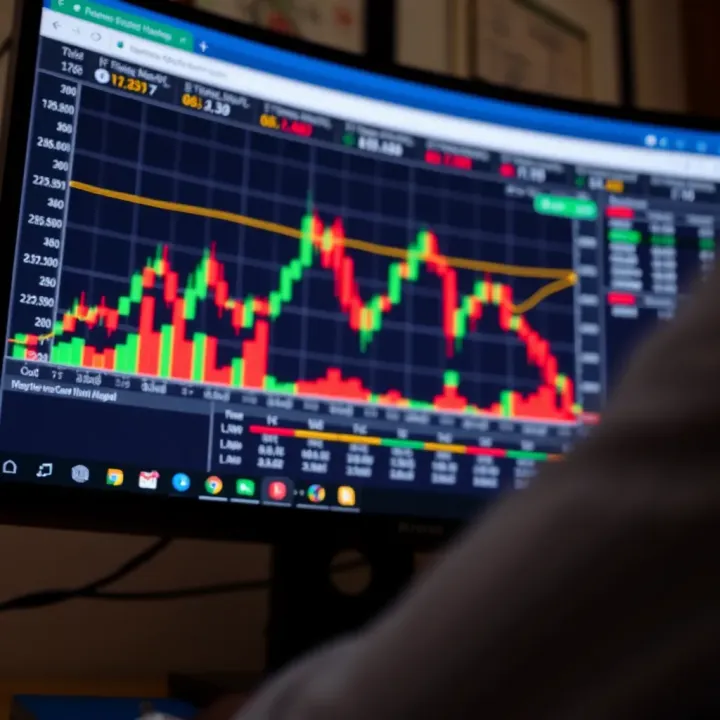
For instance, Nigerian investors tracking the All-Share Index on the Nigerian Exchange (NGX) can use Trade View to spot support and resistance levels quickly. This insight can inform decisions on when to enter or exit positions, helping to reduce exposure during volatile ember months when markets often fluctuate sharply.
What makes Trade View relevant locally is its ability to integrate with market data feeds from Nigerian financial institutions, allowing traders to monitor their portfolios against global benchmarks. This is crucial when considering how factors like crude oil prices affect the naira and overall market sentiment.
Understanding these connections through Trade View equips Nigerian traders to react promptly rather than rely on delayed information or gut feeling.
Moreover, Trade View's user interface allows investors to create customised watchlists featuring local stocks like MTN Nigeria, Dangote Cement, or Nestlé Nigeria alongside international assets. This blend provides a clearer picture of portfolio diversification possibilities.
Using Trade View effectively involves:
Setting alerts for price changes relevant to your investment goals
Utilizing technical tools such as moving averages, RSI, and Fibonacci retracements for entry and exit timing
Comparing local asset performance with global indices to assess relative strength
These practical steps help you navigate Nigeria’s dynamic investment landscape with more confidence and data-backed clarity. This article will explore these aspects in detail, offering Nigerian investors actionable advice to benefit from Trade View’s capabilities.
Grasping the basics of Trade View is key for any Nigerian investor aiming to make sharp, informed decisions in today’s market. The platform provides detailed tools for analysis, allowing users to study price movements, spot opportunities, and manage risks efficiently. Whether you're trading Nigerian equities or global assets like oil or crypto, understanding how Trade View functions sets the foundation for smart investing.
At its core, Trade View is a market analysis platform offering real-time financial data and charting tools designed to help investors track markets globally and locally. Its importance lies in its ability to consolidate diverse asset information into one interface, bringing clarity amid the noise of volatile markets like Nigeria's, where naira fluctuations and commodity price shifts matter.
Trade View covers multiple asset classes, enabling Nigerian traders to monitor Nigerian Exchange Group (NGX) equities, forex pairs especially USD/NGN, cryptocurrencies, commodities like crude oil and cocoa, and international stocks. This broad scope helps investors keep a finger on economic pulse points that impact portfolios and business operations.
The reliability of market data is crucial. Trade View aggregates data from trusted sources such as NGX official feeds, global exchanges like NYSE, and forex and crypto APIs, updating prices within seconds. This ensures that Nigerian investors get timely, accurate information necessary for quick decision-making, especially given how local markets can shift within minutes during dislocations.
An essential part of using Trade View effectively lies in its charting tools and visual displays. These interactive charts depict price action over different timeframes—minutes, days, or months—highlighting trends and patterns that physical brokers’ tools rarely provide with such clarity. For example, you might spot a breakout pattern in an NGX stock like GTBank or Dangote Cement, helping time buy or sell moves.
Indicators and technical features form the backbone of Trade View's analytical power. Popular tools such as Moving Averages, Relative Strength Index (RSI), and Bollinger Bands help measure momentum and volatility. Applying these correctly can guide entry and exit points in trades, yet caution is needed to avoid false signals common in choppy markets like Nigeria’s.
Customisation stands out as a practical benefit, letting users tailor dashboards, chart styles, and alert settings to their preferences. For instance, a trader focused on forex can set alerts for USD/NGN pair movements aligned with the Central Bank of Nigeria’s policy announcements. This personalisation makes Trade View not just a platform but a practical daily companion in navigating the often unpredictable Nigerian investment landscape.
Understanding these basics arms you with the tools and confidence to use Trade View effectively, transforming raw data into actionable insight tailored to your investment goals and the peculiarities of the Nigerian market.
Adapting to naira volatility is one major concern for Nigerian traders. The naira often experiences swings due to fluctuating oil prices, policy changes by the Central Bank of Nigeria (CBN), and shifting foreign exchange reserves. Trade View provides real-time charts that reflect these rapid movements, allowing investors to react promptly rather than relying on delayed information. For instance, a trader tracking the naira-dollar pair can spot sudden depreciation and adjust forex positions or import costs accordingly.
In addition, Trade View supports Nigerian equities and commodities, giving investors a direct window into local markets. The Nigerian Stock Exchange (NGX) features companies with price behaviours influenced by local events, such as election cycles or fuel subsidy changes. By integrating NGX asset charts and commodities like crude oil or cocoa, Trade View helps traders keep tabs on sectors that matter domestically. This holistic approach means traders don’t have to jump between several platforms to monitor the local financial landscape.
Tracking forex rates alongside CBN monetary policies is another key advantage. Since the CBN’s weekly and monthly policy moves can swiftly affect exchange rates and interest rates, having these changes reflected immediately on a platform reduces uncertainty. For example, a sudden increase in the monetary policy rate might signal a slowdown or impact lending rates. Trade View users can watch these shifts, incorporating the information into trading strategies for forex pairs, fixed income, or equities.
One big edge Trade View offers over older market tools is real-time data. Many Nigerian traders still depend on daily newspapers or end-of-day market summaries that lag behind events. With Trade View’s live price feeds from NGX, forex markets, and global exchanges, you catch changes the moment they happen. This immediacy is vital when naira depreciation or political news triggers swift moves in asset prices.
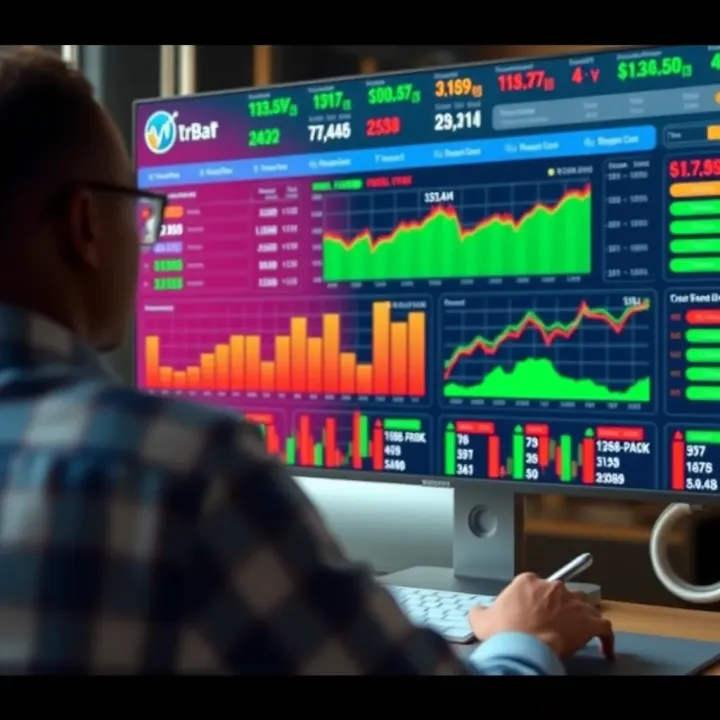
Accessibility and mobile compatibility make Trade View suitable for Nigerian investors who often rely on smartphones due to limited desktop access or irregular power supply. The platform’s responsive design ensures charts and alerts work smoothly even on slower networks or during fluctuating data availability. This keeps traders connected during the ember months or in areas where connectivity is spotty without losing critical updates.
When compared to local broker tools, Trade View stands out for its broad coverage and customisation. Many Nigerian brokers provide limited charting or basic price info, often lacking advanced technical indicators or alert systems. Trade View offers flexible watchlists and dozens of analytical features that professional traders appreciate, from simple moving averages to complex oscillators. This depth combined with global market integration lets Nigerian traders make decisions grounded in wider financial realities, not just local snapshots.
Nigerian investors benefit tremendously when given fast, reliable tools that reflect both local market quirks and global economic forces. Trade View fits this need by offering a comprehensive, easy-to-use solution tailored to Nigeria’s unique investment climate.
Trade View’s real strength lies in several key features that help Nigerian investors make sharper decisions amid the market's ups and downs. Knowing how to use these features can transform raw data into actionable insights, which is especially valuable given Nigeria’s economic swings and currency volatility.
Popular indicators such as the Relative Strength Index (RSI), Moving Averages (MA), and Bollinger Bands are mainstays for technical analysis on Trade View. For example, the RSI helps show whether a stock is overbought or oversold — valuable for timing entry or exit points on NGX-listed shares like Guaranty Trust Bank or Dangote Cement. Moving Averages smooth out price data to reveal trends, which can guide medium-to-long-term decisions.
Combining multiple indicators often gives a better signal than relying on just one. For instance, using RSI alongside Moving Averages provides confirmation: when the RSI is low (oversold) and the short-term MA crosses above the long-term MA, it might indicate a good buying opportunity. This approach reduces false signals and improves confidence.
One common mistake traders make is treating technical indicators as absolute predictors. Indicators only reflect past price data and should never be used in isolation. Over-relying on them can lead to missed fundamentals or emotional decisions. Nigerian traders should blend technical signals with market news, CBN policy announcements, and sector analysis to balance technical and fundamental perspectives.
Monitoring price movements on the Nigerian Exchange Group (NGX) and international markets is made practical with Trade View’s alert system. When you set an alert for a specific price or percentage change, you can stay informed without constantly checking charts. For example, getting notified when Zenith Bank’s share price hits a target gives you the chance to act fast. Importantly, this applies to global commodities like crude oil, which directly impacts Nigeria’s fiscal health.
Customising alerts to fit Nigerian market timings helps avoid noise during off-hours and focuses on moments when liquidity and volatility are usually higher, such as market open or close. This means you won't be overwhelmed by irrelevant updates during weekends or holidays but still catch crucial moves during trading sessions.
Watchlists are an excellent way to organise diverse asset classes — equities on NGX, forex pairs like USD/NGN, or commodities such as cocoa and gold. Grouping your favourite assets allows efficient monitoring and quick reaction to market shifts. A well-curated watchlist also supports portfolio diversification decisions, an essential strategy given Nigeria’s volatile market environment.
Using these features smartly can boost your trading precision and ensure you're not caught off guard by sudden market movements or policy changes.
Mastering Trade View’s technical indicators, alerts, and watchlists equips you to navigate Nigerian markets with a clearer head and better tools.
For Nigerian investors and traders, getting started with Trade View is a crucial step to harness the power of advanced market analytics. Given the country’s unique economic challenges—such as naira fluctuations, volatile commodity prices, and changing Central Bank of Nigeria (CBN) policies—Trade View’s platform offers tools that bring clarity and precision to trading decisions.
Starting with Trade View involves a simple registration process accessible via their website or mobile app. Users need to provide basic information such as email address, a secure password, and confirm identity details where necessary. For Nigerian users, it's advisable to link the registration to a valid BVN (Bank Verification Number) or NIN (National Identification Number) to ease financial verification and boost security. This ensures seamless integration when syncing with Nigerian payment platforms or brokerages.
Trade View offers several subscription tiers—from free versions with basic charts and data to paid plans that unlock sophisticated tools, historical data depth, and real-time alerts. For Nigerian traders, the standard or pro subscription plans are often the sweet spot, balancing cost with access to Nigerian equities, forex pairs relevant to NGN, and commodities like crude oil or cocoa. Pricing fluctuates with local exchange rates, but many premium users find the investment worthwhile against the backdrop of losses due to poor market timing.
Once logged in, the dashboard presents a clean layout with watchlists, live charts, and news feeds. Customisable widgets allow traders to monitor NGX-listed stocks alongside commodities like Lagos port oil exports or cocoa futures. Familiarity with this dashboard helps traders act quickly—whether it’s tracking ₦-denominated forex or responding to a sudden CBN rate change. The mobile app, lighter on data, is perfect for traders on the go, especially navigating Lagos traffic or at a mama put lunch break.
Trade View supports integration with several Nigerian brokerages, including those affiliated with NGX and fintech platforms like Cowrywise or Kuda. Linking accounts allows real-time syncing of portfolio data and trade executions directly from the platform. This connection streamlines decision-making, eliminating guesswork about current holdings or unrealised gains.
Having Trade View insights enhances daily trades by providing technical signals analysed against live market events. A trader might combine candlestick patterns with CBN monetary policy announcements to decide whether to hold or sell a blue-chip stock like Dangote Cement. Real-time alerts prevent missing price swings caused by naira volatility or global oil price shocks.
Successful Nigerian investors rarely rely on charts alone; they complement technical data with fundamental analysis. For example, Trade View might highlight a bullish trend in MTN Nigeria’s shares, but pairing that with the company’s recent subscriber growth report or dividend announcements gives a fuller picture. This combined strategy helps to navigate local market peculiarities, such as fluctuating power costs or regulatory changes.
Getting started with Trade View equips Nigerian investors not only with data but with actionable insights, crucial in a market that demands both speed and understanding.
In summary, the process of creating an account, understanding subscription options, and mastering platform navigation tailors Trade View to Nigeria's trading environment. Meanwhile, linking with Nigerian brokerages and integrating the platform into daily decisions make Trade View more than just a charting tool—it becomes an essential trading companion.
Using Trade View in Nigeria comes with its unique challenges that traders and investors must navigate. Understanding these limitations is essential to make the most out of the platform without falling into avoidable pitfalls.
Internet access in many parts of Nigeria remains patchy. Frequent power outages force many to rely on generators or power banks, raising operational costs sharply. This situation affects consistent access to online platforms like Trade View, especially for traders needing real-time data.
Data costs also weigh heavily on users. Some Nigerian traders find daily data spending unsustainable, particularly when following multiple markets on Trade View. A typical mobile data pack of 1GB could quickly run out when running charts and indicators actively throughout the trading day.
Trade View does not offer a fully offline mode, but Nigerian traders have found practical ways to manage. For example, they often download market charts during stable internet periods, analysing them offline later to save data.
Some use screenshots or export data reports for offline review, combining these with their notes. This approach safeguards against sudden disconnections and reduces pressure on data usage.
To keep updates flowing, many rely on mobile data plans with nightly bundle deals or bulk purchases to cover ember months when market activity spikes. Balancing data use between Trade View and other daily mobile needs requires setting app data limits and enabling data saving modes where available.
Customising alerts on Trade View to essential market movements only can also cut down unnecessary data flow. Traders often mute non-critical notifications and rely on specific price alerts aligned with Nigerian market hours.
No tool guarantees profit, and Trade View’s technical signals should not be your only guide. Markets can be swayed by unexpected events—regulatory changes by the Central Bank of Nigeria (CBN) or fuel subsidy news, for example—that charts cannot predict.
Overdependence can lead to missed opportunities or poor decisions. Nigerian investors should treat technical indicators as one piece of the puzzle rather than the full picture.
Trading emotions like fear or greed often mislead even seasoned investors. Markets in Nigeria can be volatile, and rapid fluctuations might trigger emotional reactions, leading to impulsive buys or shorts.
Trade View’s structured data helps, but you must consciously step back during sharp market moves. Setting predefined stop-loss and take-profit levels on your platform can help control emotions and enforce discipline.
Successful Nigerian traders combine Trade View’s technical insight with fundamental research. Following reports from the Nigeria Stock Exchange (NSE), CBN monetary policy reviews, and sector news provides context to the numbers.
For instance, understanding how power supply issues affect stocks in the manufacturing sector or how petrol price changes impact transport companies can sharpen your market analysis beyond what charts alone can offer.
Combining data, context, and discipline creates the edge Nigerian investors need in increasingly complex markets.
These challenges, while real, should not deter you. Instead, knowing them helps you prepare better and use Trade View with a practical, well-rounded approach.
Looking for the best broker in Nigeria? 🏦 Learn how to pick a reliable broker with the right fees, features, and support to boost your investing success. 📈
📈 Explore TradingView’s powerful charts, live data, and social tools tailored for Nigerian traders. Learn how to navigate markets effectively with this guide.
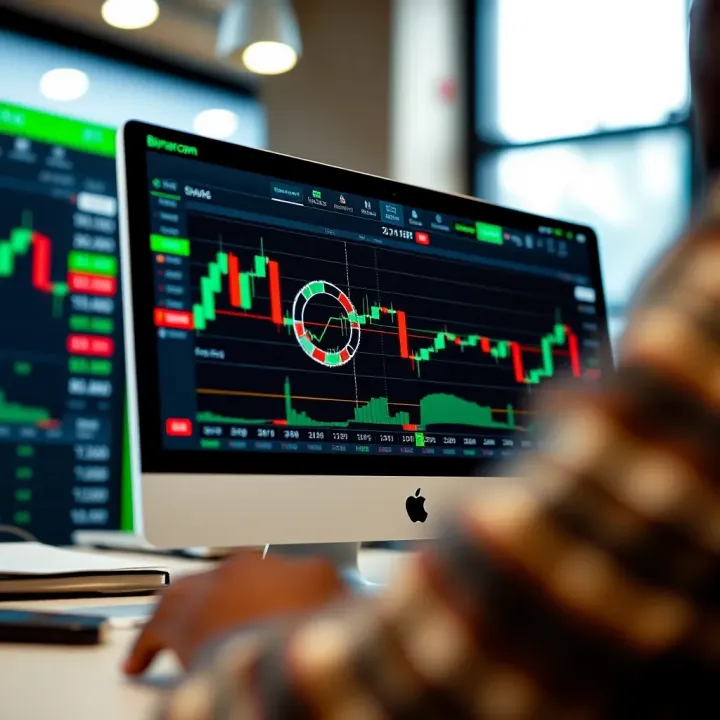
Explore Binary.com 📊 with our detailed guide for Nigerian traders 🇳🇬. Learn platform features, trading options, account setup, risk tips, and regulations.
Explore agency securities in Nigeria 🇳🇬: types, benefits, risks, comparisons with other bonds, and tips for investors navigating local regulations 📈💼
Based on 6 reviews