

Choosing the Best Broker for Nigerian Investors
Looking for the best broker in Nigeria? 🏦 Learn how to pick a reliable broker with the right fees, features, and support to boost your investing success. 📈
Edited By
Emily Richardson
Independent Reserve has steadily earned a place among the trusted cryptocurrency exchanges preferred by Nigerian investors. Unlike some platforms that overwhelm users with complicated interfaces, Independent Reserve focuses on simplicity without compromising security. This balance attracts traders and finance professionals who want to participate in crypto markets with confidence.
At its core, Independent Reserve offers a straightforward way to buy, sell, and store popular cryptocurrencies like Bitcoin and Ethereum. The platform supports Nigerian users by allowing deposits and withdrawals in Nigerian Naira (₦), which simplifies trading compared to foreign currency exchanges. This local currency feature reduces reliance on unstable forex markets, making it particularly appealing during times when naira volatility spikes.
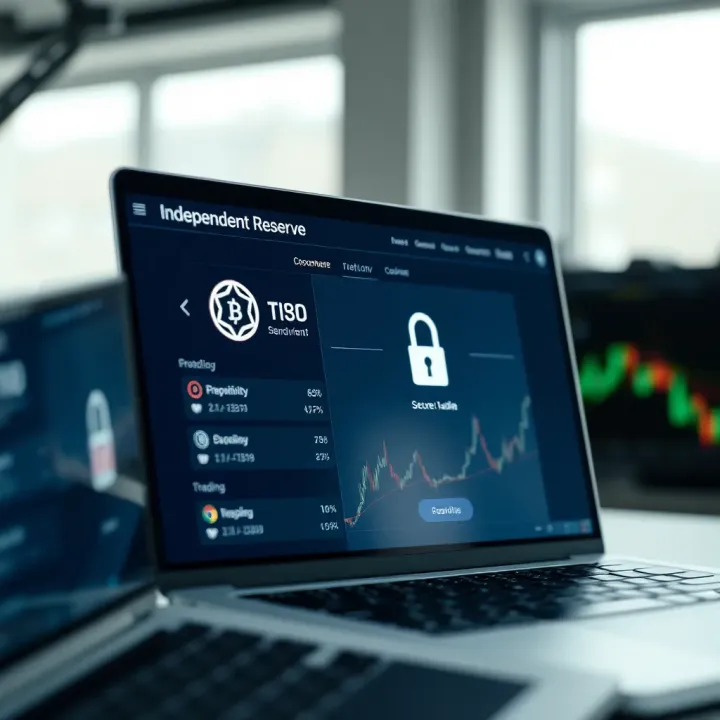
Security is a top priority at Independent Reserve. The exchange employs robust measures, including cold storage for most crypto assets, two-factor authentication (2FA), and strict compliance with international regulations. This approach greatly lowers risks associated with hacking or fraud, issues that are still prevalent across less reputable platforms accessible in Nigeria.
Another aspect Nigerian investors often appreciate is the transparent fee structure. Independent Reserve charges competitive trading fees which get lower as trading volume increases, providing incentives for active traders. Unlike some exchanges that levy hidden or confusing fees, Independent Reserve clearly outlines costs, helping investors plan their strategies without unpleasant surprises.
The platform also integrates features suited for both newcomers and experienced traders:
User-friendly interface: Easy navigation reduces the learning curve for those new to crypto.
Advanced order types: Options for market, limit, and stop orders satisfy more sophisticated trading needs.
API access: For finance professionals and brokers, API connectivity enables algorithmic trading and portfolio management.
Independent Reserve stands out by aligning essential features—ease of use, strong security, and clear fees—with a focus on local currency accessibility tailored for Nigerian investors.
Understanding these fundamentals is a great first step before exploring how Independent Reserve compares with other exchanges or the detailed steps to start trading. Nigerian investors seeking a reliable platform will find it useful to keep these points in mind as they navigate the fast-evolving crypto space.
Understanding Independent Reserve is essential for Nigerian crypto investors aiming to explore reliable platforms beyond the usual options like Binance or Luno. Independent Reserve has carved its space by combining strong security, user-friendly design, and practical services suitable even for novice traders. This section sheds light on the exchange’s foundation and what it offers, helping you decide if it matches your investment style and requirements.
Independent Reserve was founded in 2013 in Sydney, Australia, originally focusing on the Asia-Pacific region. Unlike some rapidly grown exchanges, it built a reputation on steady growth, regulatory compliance, and a transparent business model. Over the years, the platform has extended its reach to global users, including Nigerians seeking more diversified access to cryptocurrencies. Its experience of almost a decade in the market means it has passed through multiple crypto market cycles, refining its operations and services.
This mature history contrasts with many newer exchanges in Nigeria, which sometimes struggle with regulatory uncertainties or security lapses. For Nigerian users, knowing Independent Reserve’s background means using a platform steeped in industry knowledge and with a track record of stability.
Independent Reserve delivers several key features that appeal to Nigerian traders and investors. First, its interface balances simplicity and depth — straightforward enough for new users, yet with advanced options that professional traders appreciate. You’ll find tools like limit and market orders, automatic trading, and portfolio tracking.
Another strong point is its fee structure, which is competitive and transparent. For instance, trading fees drop as you trade higher volumes, rewarding active investors. Deposits and withdrawals can be done in major cryptocurrencies and fiat, including support for currency conversions relevant to Nigerians looking to swap naira via local banks or third-party payment processors.
The platform also supports smart order routing, meaning your trades get the best possible prices by scanning multiple exchanges, which is critical in volatile markets. User education and market insights are regularly updated, helping Nigerians keep up with crypto trends without needing to turn elsewhere for learning.
Independent Reserve’s service scope makes it a practical choice for Nigerian users who want a well-rounded, reliable crypto exchange with access to diverse markets and tools.
In summary, having a solid grasp of Independent Reserve’s history and offerings equips you to weigh its advantages against other platforms and decide if it suits your specific investment goals. Knowing these basics prepares you for the practical aspects of trading and managing crypto assets through this exchange.
Security and regulatory compliance form the backbone of any cryptocurrency exchange's credibility. For Nigerian investors navigating the crypto arena, these aspects assure protection against fraud, theft, and legal pitfalls. Independent Reserve has built a reputation by focusing seriously on these areas, thus securing users’ confidence and safeguarding funds. Nigerian traders, especially those moving large sums of naira into crypto assets, can find comfort knowing there are solid measures backing the platform.
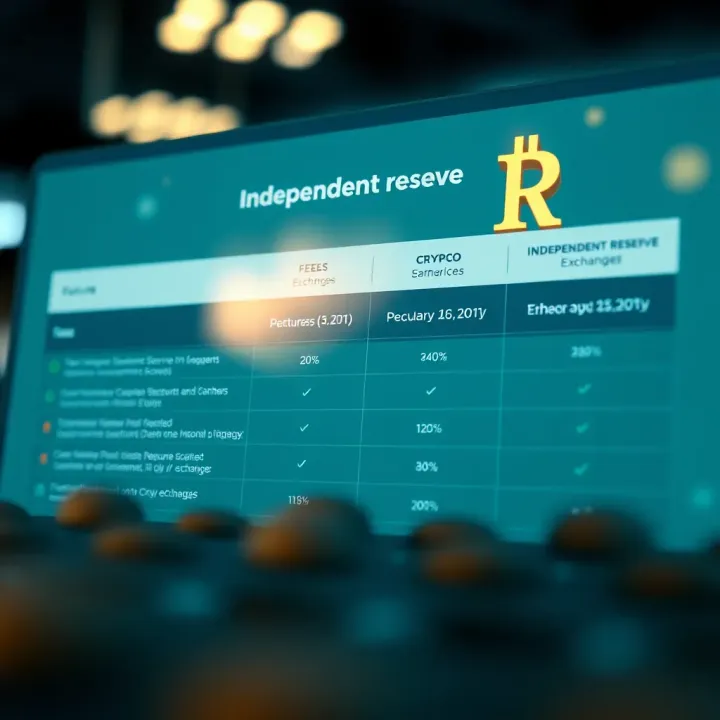
Independent Reserve employs multiple layers of security to protect users and their assets. First off, they use cold storage for the majority of customers’ cryptocurrencies, meaning most funds are kept offline and away from internet threats, reducing the risk of hacks. Additionally, the platform requires strong two-factor authentication (2FA) for every login and transaction, a bước crucial in preventing unauthorised access even if passwords get compromised.
On top of this, Independent Reserve performs regular security audits and penetration testing by independent experts to identify and patch vulnerabilities before attackers can exploit them. Their system also monitors accounts for suspicious activities, such as sudden large withdrawals or irregular IP addresses, alerting users promptly.
A practical example: If a Nigerian user logs in from Lagos and then an hour later from another country without prior notice, the system flags this, adding a protective layer against account takeovers.
Fund segregation is another security feature employed, separating client funds from company reserves. This ensures that even if the company faces financial trouble, user assets remain protected. Plus, Independent Reserve offers insurance coverage on digital assets held in its custody — a rare but vital safeguard.
Being regulated offers an extra layer of trust, especially for Nigerian investors wary of scams. Independent Reserve operates under strict regulatory frameworks in Australia, where it is headquartered, possessing licences that comply with anti-money laundering and counter-terrorism financing laws. This compliance means the platform implements user verification processes consistent with Know Your Customer (KYC) and Bank Verification Number (BVN) mechanisms familiar to Nigerian users.
While Independent Reserve does not hold a Nigerian-specific licence yet, it conforms with international financial standards that minimise risks associated with illicit funds. This is significant because Nigerian financial regulators are increasingly scrutinising crypto activities. Using a compliant exchange reduces legal risks and potential blockages when moving funds in and out of Nigerian banks or payment platforms.
Furthermore, Independent Reserve provides transparent transaction reporting and cooperates with regulators when needed. For Nigerian investors, this means better protection from money laundering queries that have caused many exchanges to be blacklisted or blocked in Nigeria.
In summary, Independent Reserve's focus on robust security and adherence to regulatory norms creates a safer and more trustworthy environment for Nigerian crypto investors, who demand assurance amid an often unsteady market.
Understanding the fee structure and trading options on Independent Reserve is key for Nigerian investors aiming to optimise their returns while minimising unnecessary costs. Unlike some platforms that mask charges in fine print, Independent Reserve provides a clear view of fees, which helps traders plan their activities better and avoid surprises when making transactions. This section breaks down these costs and explores the range of cryptocurrencies and trading pairs available, giving a realistic sense of what to expect.
Independent Reserve uses a tiered fee system based on monthly trading volume, which rewards active traders with lower fees. For example, a trader dealing under ₦10 million monthly usually pays a maker fee of 0.1% and a taker fee of 0.5%. If your monthly trading volume exceeds ₦100 million, these fees can drop to as low as 0.02% for makers and 0.17% for takers. This structure benefits investors by reducing costs as trading activity grows.
Deposit fees on Independent Reserve are generally low or zero, especially for cryptocurrency deposits, allowing Nigerian users to fund their accounts without heavy charges. When it comes to withdrawing funds, the platform applies fixed fees depending on the cryptocurrency. For instance, withdrawing Bitcoin attracts a flat fee of around 0.0005 BTC, which is competitive compared to other exchanges. It is worth noting that fiat withdrawals, especially to Nigerian banks, may be subject to additional processing fees from local payment gateways, so users should factor this in when planning transfers.
Transparent and predictable fees help Nigerian investors manage their trading budgets more effectively, avoiding unexpected deductions that erode profits.
Independent Reserve offers a curated selection of cryptocurrencies, which keeps the platform less cluttered but focused on major and reliable assets. Nigerian investors can trade popular coins like Bitcoin (BTC), Ethereum (ETH), Litecoin (LTC), and Ripple (XRP). The platform supports trading pairs mostly against the Australian Dollar (AUD), US Dollar (USD), and Bitcoin, which means Nigerian users typically buy or sell crypto against USD or BTC for more convenience.
While the range is not as wide as exchanges like Binance, the focus on liquidity and security over quantity appeals to investors prioritising stability and fewer market risks. For Nigerians trading in naira, using stablecoins like USDT or USDC paired with major cryptocurrencies can help hedge against naira volatility.
The platform also supports some altcoins such as Cardano (ADA) and Polkadot (DOT), allowing investors interested in promising blockchain projects to diversify their portfolio.
In sum, Independent Reserve provides a balanced offering: a fee system that encourages active trading with predictable costs, paired with a focused yet diverse range of cryptocurrencies suitable for Nigerian investors looking to enter or scale in the crypto market.
Using Independent Reserve as a Nigerian investor requires some practical insights to navigate registration, funding, and customer service effectively. Since crypto trading is growing sharply here, understanding these factors helps you avoid common pitfalls, transact efficiently, and make the most of your investments.
Starting your Independent Reserve journey demands a straightforward but thorough registration and verification process. Nigerian users must submit a valid identity, typically a National Identification Number (NIN), driver’s licence, or international passport, along with proof of address like a recent utility bill or bank statement. This complies with global Know Your Customer (KYC) standards aimed at preventing fraud and money laundering.
Verification can take between 24 to 72 hours, depending on document clarity and demand. Independent Reserve’s platform guides you through these steps, but delays may occur during peak periods or if documents are unclear. Note that your account activation is incomplete without verification, limiting deposit, withdrawal, and trading capabilities. For example, a Lagos-based trader who uploads blurry documents risks repeated delays.
Since Independent Reserve is an international exchange, deposits and withdrawals from Nigeria need linking with local banking infrastructure and international payment channels. Most Nigerian users fund their accounts via bank wire transfers or PayID options, which are supported by Independent Reserve.
For instance, if you bank with GTBank or Zenith Bank, you can initiate wire transfers through your online bank portal in ₦, converting at the prevailing rate. However, be mindful of additional bank charges and CBN foreign exchange policies that might affect the final amount credited.
Nigerian customers can also withdraw funds to their local bank accounts after converting crypto to fiat on the platform. Withdrawal processing times generally range from one to three business days, but occasional delays can arise due to compliance checks or banking holidays here.
Before making any transaction, confirm with your bank on charges and processing times. Also, keep your BVN handy to ensure smooth fund movements related to crypto trading.
Independent Reserve offers 24/7 customer support through live chat, email, and a help centre. Yet, Nigerian users sometimes report slower response times, especially when facing issues linked to local banking or regulatory constraints.
To ease this, reach out promptly with clear details of your concern and include transaction references. Also, community forums and social media groups like Telegram or WhatsApp crypto chats for Nigerian traders can offer quick advice based on shared experiences.
Moreover, the platform is built to handle multiple currencies and geographic zones, but it lacks a dedicated Nigerian helpline or local office. Hence, patience and detailed documentation go a long way in resolving KYC or funding issues.
In summary, using Independent Reserve from Nigeria is quite viable but needs careful handling of registration documents, understanding the deposit-withdrawal routes tied to Nigerian banks, and proactive communication with support services. With these in place, investors can tap into global crypto markets while navigating the unique Nigerian financial landscape smoothly.
Choosing the right cryptocurrency exchange in Nigeria means balancing security, fees, variety, and ease of access. Independent Reserve holds its own in this crowded space but comparing it with giants like Binance and Luno helps investors make informed decisions tailored to their needs.
Independent Reserve offers a straightforward interface which appeals to investors who prefer simplicity over extensive features. Unlike Binance, which boasts an expansive range of cryptocurrencies and advanced trading tools, Independent Reserve focuses on quality over quantity. This means fewer coins but a safer, more curated selection. For example, while Binance may list hundreds of altcoins, Independent Reserve concentrates primarily on well-established cryptocurrencies like Bitcoin, Ethereum, and Litecoin.
One key strength of Independent Reserve is its security protocols and strong regulatory compliance, which stands out compared to some platforms with less transparent oversight. Nigerian users especially benefit given the rising concerns about scams and fraud in the crypto space. However, Independent Reserve’s trading fees can be higher than Binance’s for some transactions, which may deter high-frequency traders.
Compared with Luno, popular among Nigerian beginners for its ease of use, Independent Reserve is more geared towards experienced investors who want extra security layers and professional trading options like limit and stop orders. Luno offers direct bank transfers with local banks, a feature Independent Reserve still lacks fully, which affects ease of deposit and withdrawal for Nigerian users.
For beginners, platforms like Luno remain the go-to due to simple sign-up and local payment methods. Still, those ready to graduate from basic buys and sells will find Independent Reserve valuable for its safer environment and more robust trading features.
Active traders and small-scale investors who prioritise security and don’t chase every new token will appreciate Independent Reserve’s transparent fee structure and user-friendly charts. For example, someone looking to diversify beyond Bitcoin with Ethereum and other top cryptos without juggling complicated interfaces will find it quite suitable.
Institutional investors and professionals might prefer Binance for its liquidity and extensive market offerings, but Independent Reserve’s reputation for compliance and fund protection makes it an attractive alternative for Nigerian brokers dealing with higher stakes.
Independent Reserve sits neatly between simplicity and professionalism. It may not offer the widest range of cryptos like Binance or the hyper-local banking ease of Luno, but it compensates with strong security and a user-focused platform that suits Nigerian investors moving towards more serious crypto trading.
Every Nigerian investor should weigh these trade-offs based on their trading style, experience, and how much they value security versus variety or cost savings.
Looking for the best broker in Nigeria? 🏦 Learn how to pick a reliable broker with the right fees, features, and support to boost your investing success. 📈

📈 Explore TradingView’s powerful charts, live data, and social tools tailored for Nigerian traders. Learn how to navigate markets effectively with this guide.

Explore Binary.com 📊 with our detailed guide for Nigerian traders 🇳🇬. Learn platform features, trading options, account setup, risk tips, and regulations.

Explore agency securities in Nigeria 🇳🇬: types, benefits, risks, comparisons with other bonds, and tips for investors navigating local regulations 📈💼
Based on 11 reviews