

Understanding Meta Trading for Nigerian Investors
Discover how meta trading works for Nigerian investors 📈, explore top platforms, smart strategies, risks, and Nigeria's regulations to trade confidently.
Edited By
James Montgomery
Derivative contracts play a significant role in financial markets, acting as tools to manage risk rather than just vehicles for speculation. In Nigeria, businesses and investors increasingly tap into derivatives to protect themselves against unpredictable price swings in commodities like crude oil or agricultural produce, and currencies such as the US dollar against the naira.
To put it plainly, a derivative contract is an agreement between two parties whose value depends on an underlying asset. These assets can be stocks listed on the Nigerian Stock Exchange (NSE), currency rates, interest rates, or even baskets of goods like cocoa and palm oil. Derivatives let market participants hedge against price fluctuations, lock in future costs, or gain exposure without owning the physical asset.
For example, a cocoa exporter in Ondo state might enter a futures contract to sell a fixed quantity of cocoa beans at a specific price three months from now. If market prices drop, the contract shields the exporter from losses, providing more certainty for revenue and business planning. Similarly, a corporate importer paying in US dollars might use currency forwards to fix the exchange rate, protecting against naira depreciation between order and payment.
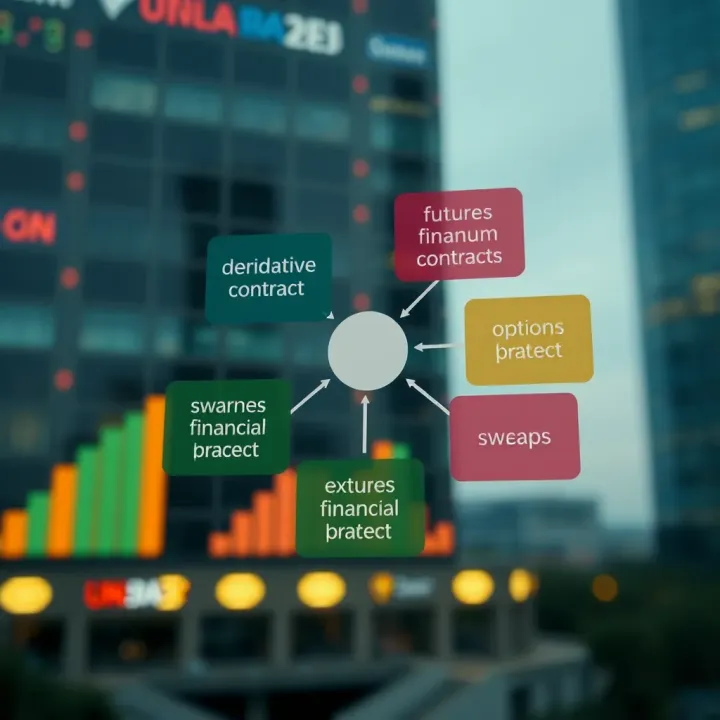
Futures: Standardised contracts traded on regulated platforms, obliging parties to buy or sell an asset at a future date and price.
Forwards: Customised agreements between two parties, often over-the-counter, with flexible terms.
Options: Contracts granting the right— but not obligation—to buy or sell assets at a set price before expiry.
Swaps: Contracts to exchange cash flows or assets, often involving interest rates or currencies.
Understanding how these contracts work helps Nigerian investors and businesses make informed decisions. Using derivatives appropriately can reduce exposure to volatile prices, especially given Nigeria’s dependence on oil revenues and foreign exchange fluctuations.
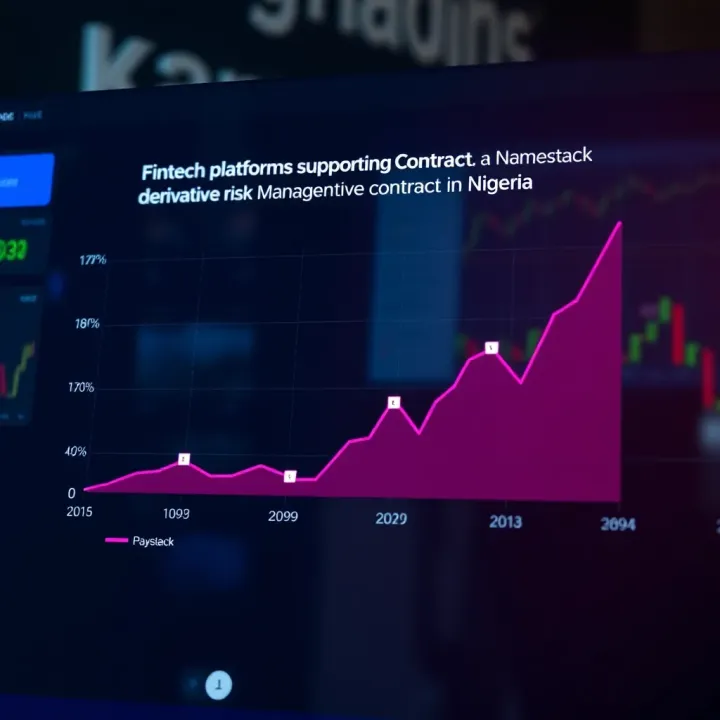
Local fintech platforms like Paystack and OPay are now integrating derivative options, providing more accessible hedging tools for small and medium enterprises (SMEs) that traditionally found these instruments exclusive to big players. The increasing availability combined with data from NSE enables better risk management right from smartphones.
In short, derivative contracts offer Nigerian market participants a practical approach to managing financial uncertainty — safeguarding profits, controlling costs, and supporting more stable growth despite economic ups and downs.
Understanding what derivative contracts are is key for traders, investors, and finance professionals aiming to manage risk or explore profit opportunities in Nigeria’s dynamic financial landscape. These instruments allow parties to lock in prices or hedge against price swings without having to own the underlying assets. For example, a Nigerian importer worried about naira depreciation against the dollar might use a derivative to secure a favourable exchange rate ahead of payment.
Derivatives are financial instruments whose value depends on an underlying asset like currencies, commodities, stocks, or interest rates. Their price moves in response to changes in these underlying factors. For instance, the value of a crude oil futures contract fluctuates as global oil prices rise or fall. This link means derivatives can serve as practical tools to transfer or share risk without buying or selling the actual commodity, stock, or currency.
Unlike traditional financial assets such as shares or bonds that have intrinsic value and entitle owners to dividends or interest, derivatives derive their value purely from changes in the price or rate of the underlying asset. This difference allows derivatives to be more flexible but also more complex. For example, while owning shares in a Nigerian company means you benefit from its earnings, holding a derivative linked to those shares doesn’t grant ownership but allows speculative or hedging exposure to its price movement.
Forwards and Futures are agreements to buy or sell an asset at a predetermined price on a set future date. Forwards are private, customised contracts commonly used in Nigeria’s informal export sector, such as cocoa traders fixing prices in advance to guard against market swings. Futures, on the other hand, are standardised contracts traded on exchanges like the Nigerian Stock Exchange (NSE), making them accessible to a wide range of investors and providing greater liquidity.
Options give the buyer the right, but not the obligation, to buy or sell an asset at a fixed price before a specific date. This provides flexibility and limited downside risk. Nigerian banks or commodity traders might use options to protect against adverse price changes while retaining potential gains. For example, a maize farmer could buy a put option as insurance against falling prices before harvest season.
Swaps are contracts where two parties agree to exchange cash flows or financial instruments over time, often to manage interest rate or currency risks. Nigerian corporate borrowers might enter into interest rate swaps to change a variable-rate loan into a fixed-rate one, stabilising repayment amounts amid monetary policy shifts by the Central Bank of Nigeria (CBN). Currency swaps are also handy for companies dealing across borders to mitigate exchange rate uncertainty.
Understanding these basic categories helps make sense of how derivative contracts can both protect value and open opportunities in Nigeria’s complex financial markets.
In Nigeria, businesses face a unique set of financial challenges, especially around currency volatility, interest rate fluctuations, and commodity price swings. Derivative contracts help firms manage these risks more effectively. By locking in prices or rates through derivatives like futures and options, companies can plan their cash flows better and protect profit margins against sudden market shifts.
The Nigerian Naira experiences fairly frequent swings against major currencies like the US dollar. Factors such as shifting oil prices, foreign capital movements, and Central Bank policies often cause the naira to weaken or strengthen unexpectedly. For Nigerian companies reliant on imported goods or foreign loans, this volatility can disrupt budgets and inflate costs suddenly.
For example, a manufacturing firm importing raw materials priced in dollars may face higher expenses if the naira falls against the dollar. This unpredictability complicates financial planning and could squeeze profit margins unexpectedly.
To guard against this, many Nigerian businesses use forward contracts or currency swaps. These derivatives allow companies to agree on an exchange rate today for a future date, effectively locking in costs or revenues.
A Nigerian exporter receiving dollars abroad, for instance, can enter a forward contract to convert those dollars to naira at a fixed rate later. This arrangement shields them from naira declines that would otherwise erode earnings. Such hedging improves financial stability, making budgeting and investment decisions more solid.
Currency hedging tools are especially valuable during periods of increased naira volatility, such as election campaigns or major economic announcements.
Interest rates in Nigeria often shift following decisions by the Central Bank of Nigeria (CBN) regarding monetary policy. When the CBN raises the Monetary Policy Rate (MPR) to tackle inflation, borrowing costs increase. Businesses with floating-rate loans risk higher interest expenses, affecting cash flows.
Using interest rate swaps or options, Nigerian companies can convert variable-rate debt into fixed-rate obligations. This move provides certainty over interest payments regardless of CBN’s policy changes, aiding effective financial planning.
Fuel and agricultural products form a big chunk of operating costs for many Nigerian companies, from logistics firms to food processors. Price swings caused by global oil markets or bad harvest seasons can disrupt business models significantly.
Commodity derivatives like futures contracts allow businesses to lock in purchase prices in advance. For example, a transport company can enter a fuel futures contract to secure a stable price for diesel over several months, reducing surprises caused by market hikes. Similarly, agro-processors might hedge against the volatility of maize or cassava prices to protect input costs.
These risk management practices make business operations more predictable despite Nigeria’s economic fluctuations and improve resilience against shocks common during the ember months or political cycles.
Derivative contracts serve multiple roles in the financial markets, particularly for Nigerian businesses and investors. Their primary function is risk management, allowing firms to shield themselves from unpredictable changes in currency, interest rates, or commodity prices. At the same time, these instruments present opportunities for profit through speculation, though this comes with significant risks.
Limiting financial exposure: Derivatives help businesses reduce their vulnerability to adverse price movements. For instance, a Nigerian exporter who expects payment in US dollars several months ahead can enter a forward contract to lock in the exchange rate. This contract ensures that no matter how much the naira fluctuates against the dollar, the business knows exactly what value it will receive, protecting profits from currency volatility.
Similarly, a fuel distributor facing the risk of rising petrol prices may use futures contracts to secure current prices for future purchases. This shields the firm from sudden price spikes caused by supply shortages or policy changes affecting the Nigerian National Petroleum Company Limited (NNPCL).
Improving cash flow predictability: By smoothing out price swings, derivatives bring more certainty to a company’s cash flow forecasts. When payments and receipts are fixed through hedging, businesses can plan working capital needs and budgeting more accurately. For example, a manufacturer purchasing agricultural raw materials can hedge commodity price risk with swaps or futures contracts. This steadies input costs despite erratic market prices due to seasonal variations or weather conditions affecting harvests.
Consistent cash flow streams help Nigerian businesses navigate challenges like fluctuating electricity tariffs or fuel subsidy removals which often disrupt operating expenses suddenly.
Opportunities for profit: Traders and investors use derivatives to gain exposure to asset price movements without actually owning the underlying asset. This leverage can magnify gains when markets move favourably. For example, by buying call options on shares listed on the Nigerian Stock Exchange (NSE), investors can profit from rising stock prices with a smaller initial outlay compared to purchasing the shares outright.
Also, short-selling via derivatives allows speculators to benefit from falling prices, which isn't easily done in the cash market. Fintech platforms like Paystack and Flutterwave help retail investors access derivative instruments, broadening participation in speculative strategies.
Risks involved in speculative use: Speculation carries the danger of significant losses, sometimes exceeding the initial investment, especially when leverage is high. Price swings in volatile markets such as foreign exchange or oil can expose traders to margin calls and forced liquidation. Nigerian investors must carefully assess their risk tolerance and avoid speculative positions without adequate knowledge or safeguards.
Moreover, the lack of sophisticated risk management or regulatory oversight in some segments increases the chances of fraud or counterparty default. Many times, inexperienced traders jump into options or futures chasing quick returns, only to suffer losses that cripple their portfolios.
Real benefits of derivatives come from understanding how to balance risk and reward and using these tools to manage exposure, not simply to chase profits.
In summary, derivative contracts provide Nigerian businesses and investors with powerful tools to manage financial risks and tailor investment strategies. While they improve financial stability and open profit opportunities, users must stay aware of the associated risks and regulatory requirements to avoid pitfalls.
Derivative contracts can be powerful tools for managing financial exposure, but they come with significant risks and challenges every trader and investor must understand. These contracts often hinge on counterparties honouring their commitments and the stability of market prices. In Nigeria's evolving financial landscape, especially with fluctuations in naira value and regulatory frameworks still maturing, recognising these risks helps businesses and investors avoid severe losses.
Counterparty default is a major concern in derivative contracts. This risk arises when one party fails to meet its financial obligations as agreed. For example, a Nigerian importer hedging currency risk with a forward contract might suffer losses if the counterparty bank or financial institution defaults. Since derivative trading in Nigeria sometimes involves informal arrangements or less transparent counterparties, this risk can be higher than in more developed markets. Traders often mitigate it by dealing only with licensed institutions or through central clearing mechanisms where available.
Market price volatility affects the value of derivative contracts unpredictably. Take, for instance, a commodities swap agreement referencing fuel prices; if the price of petrol suddenly spikes due to supply chain issues or a government policy change, the exposure can become expensive for one party. In Nigeria, factors like CBN's monetary policies, embargoes, or exchange rate policies can fuel sudden volatility, intensifying the risk. Investors need to monitor relevant market indicators closely and use stop-loss orders or other risk management tools to limit potential damages.
Compliance with Nigerian regulatory frameworks remains a challenging aspect for many involved in derivatives. The Securities and Exchange Commission (SEC) alongside the Central Bank of Nigeria (CBN) regulates derivative activities to prevent fraud and systemic risks. However, businesses must navigate overlapping rules, license requirements, and reporting duties, sometimes with limited guidance. For example, fintech firms attempting to introduce new derivative products face hurdles related to understanding regulations properly and ensuring all stakeholder compliance.
Documentation and contract enforcement issues are also practical challenges. Poorly drafted contracts or vague terms can lead to disputes or difficulties in enforcing agreements in Nigerian courts. Unlike some jurisdictions with specialised derivative law, Nigerian legal systems may take longer to resolve such cases. Thus, thorough documentation, clear terms, and legal counsel involvement become essential, especially for contracts involving significant sums or complex derivatives.
Understanding these risks and challenges is not just about compliance; it directly affects financial outcomes and reputation. Wise market players use comprehensive risk assessments and maintain good relationships with regulators and counterparties to navigate these hurdles successfully.
By being aware of market fluctuations, the reliability of counterparties, and regulatory expectations, Nigerian businesses and investors can make more informed decisions when dealing in derivative contracts.
Regulating derivative markets is vital for maintaining financial stability, protecting investors, and nurturing market confidence in Nigeria. Given derivatives’ complexity and potential for leveraged losses, proper oversight ensures these contracts do not become tools for unchecked speculation or fraud. This matters especially as Nigerian businesses are increasingly using derivatives to manage risks related to naira volatility, interest rates, and commodity prices.
Licencing and monitoring derivative trading: The SEC plays a frontline role in regulating derivative markets by issuing licences to brokers and exchanges dealing with these contracts. This licensing process sets clear operational standards and requires firms to demonstrate adequate capital, technology infrastructure, and risk management systems. For instance, a derivatives exchange on the Nigerian Stock Exchange (NSE) must meet SEC’s standards before facilitating trading. SEC also monitors trading activities to detect irregularities such as insider trading or market manipulation, helping keep the market fair and orderly.
Consumer protection efforts: Beyond licensing, SEC enforces rules that protect investors from misleading practices and excessive risk exposure. Nigeria’s retail investors increasingly engage with derivatives through fintech platforms like Paystack and Flutterwave. The regulator ensures these platforms provide transparent disclosures on risks and contract terms. SEC also handles investor complaints and educates the public on derivative products, reducing chances of uninformed decisions or scams. This protects Nigerians from falling victim to complex products without fully understanding the consequences.
Foreign exchange controls and derivatives: CBN’s policies on forex rules directly affect how derivatives are used in Nigeria. The central bank imposes controls that may limit currency forwards or swaps for certain businesses to manage naira stability and conserve foreign reserves. For example, companies seeking to hedge import costs against naira depreciation must operate within CBN's guidelines. These controls ensure derivative trading aligns with national economic priorities and prevents speculative attacks on the naira.
Impact on derivative market development: While CBN’s approach helps stabilise the naira, it also influences how derivative markets in Nigeria grow. Restrictions can create challenges for developing diverse derivative products or wider market participation. However, CBN’s gradual easing of forex rules, alongside its engagement with fintech innovations, has supported incremental market expansion. The central bank’s oversight encourages more businesses to adopt derivatives for genuine risk management rather than speculative betting, fostering a more sustainable market.
Effective regulation by SEC and strategic oversight by CBN together create a safer environment for derivatives trading in Nigeria, benefiting businesses, investors, and the broader economy.
Discover how meta trading works for Nigerian investors 📈, explore top platforms, smart strategies, risks, and Nigeria's regulations to trade confidently.
🔍 Learn how to navigate broker websites, check their reliability, and use trading tools safely. A must-read for Nigerian investors seeking secure, efficient online trading!
Looking for the best broker in Nigeria? 🏦 Learn how to pick a reliable broker with the right fees, features, and support to boost your investing success. 📈
Learn how forex trading works for Nigerian investors 🇳🇬. Discover practical steps, risk management tips, market factors, and Nigerian regulation to trade safely.
Based on 12 reviews