

Understanding Synthetic Indices in Financial Markets
📊 Understand synthetic indices, how they work, and their role in trading. Learn strategies, risks, and benefits for smarter financial decisions in Nigeria.
Edited By
Daniel Cooper
When stepping into financial markets, especially in Nigeria, you quickly come across the term broker. But who exactly are brokers, and why are they so important? In simple terms, a broker acts as the middleman between buyers and sellers in markets such as stocks, forex, commodities, or even government bonds.
Brokers facilitate transactions by connecting investors and traders to the larger marketplace. Without them, individual players would struggle to access the market or face much higher costs and risks. For instance, if you want to buy shares listed on the Nigerian Exchange (NGX), you can't do so directly—you need a licensed broker to handle that order.
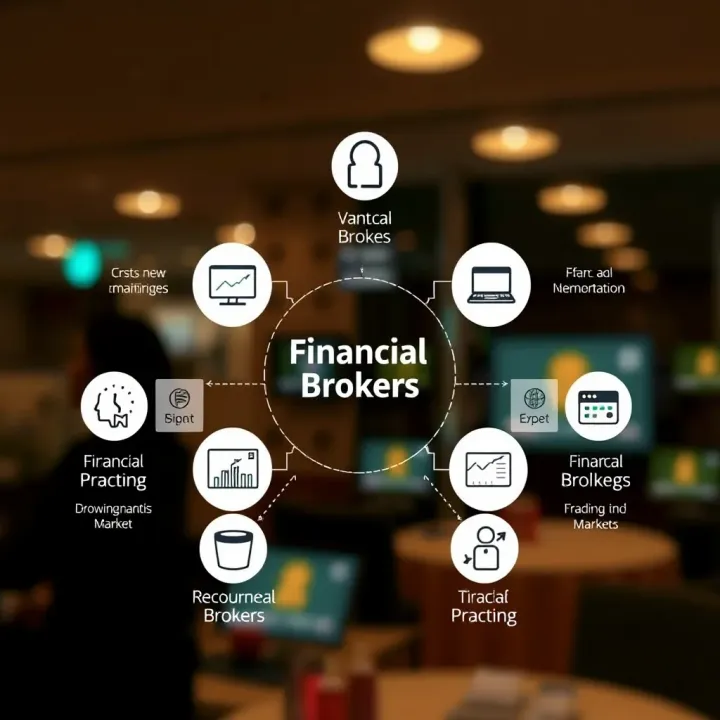
Execute Trades: Brokers take your instructions to buy or sell assets and carry out those trades on the exchange or market.
Provide Market Access: They grant access to platforms where you can trade various financial instruments.
Offer Advisory Services: Some brokers provide research, analysis, and guidance, helping investors make informed decisions.
These roles matter because markets can be complex and fast-moving. Good brokers not only execute trades quickly but may also help you navigate market rules and tax implications, especially relevant for Nigerian investors unfamiliar with regulatory requirements.
Brokers come in various forms, mainly:
Full-Service Brokers: These offer a wide range of services including research reports, investment advice, and wealth management. They often charge higher fees.
Discount Brokers: Focused on executing trades at lower fees, they offer minimal advisory services. Examples include some online platforms popular among Nigerian traders.
In Nigeria, many brokers are registered with regulatory bodies like the Securities and Exchange Commission (SEC Nigeria) to ensure they meet operational standards. This protects investors and maintains market integrity.
Choosing the right broker impacts your investments directly. It is wise to consider their reputation, fees, and the quality of tools they offer.
As you start your investing or trading journey, understanding what brokers do and their various types gives you the foundation to pick the best partner for your financial goals. Next, we'll explore how brokers earn their income and the fees you should expect to pay.
Understanding who brokers are and the roles they play helps investors and traders make smarter decisions. Brokers act as the bridge between you and the financial markets, making it easier to enter, trade, or invest in various assets. This clarity improves your ability to choose the right partner and avoid costly mistakes.
A broker is a licensed professional or firm that executes buy and sell orders on behalf of clients. Their main job is to facilitate transactions efficiently in exchange for a commission or fee. For example, when you want to buy shares on the Nigerian Stock Exchange (NGX), a stockbroker processes that order for you, handling the technical and regulatory side.
Brokers also provide access to markets you may not reach directly, such as foreign exchange or commodities. Without them, accessing some investments could be difficult, especially for individual traders or small investors.
Brokers connect buyers and sellers who otherwise may never meet. They match people who want to buy with those offering to sell, ensuring smooth, fast transactions. Think of them as matchmakers, linking demand and supply in the market.
By handling negotiations, documentation, and payment arrangements, brokers reduce the hassle for clients. This service is practical when dealing with complex markets, like foreign exchange or real estate, where buyers and sellers need trust and verified processes.
Stockbrokers specialise in buying and selling shares and other securities on stock exchanges. In Nigeria, stockbrokers help local investors participate in the NGX market. They guide clients on market trends, execute orders, and sometimes offer research insights. For instance, a Lagos-based trader may rely on a stockbroker to buy shares in Dangote Cement quickly while monitoring price movements.
Forex brokers facilitate trading in the foreign exchange market, where currencies like the US dollar, euro, and naira are bought and sold. They provide platforms, tools, and sometimes leverage to enable clients to trade currencies. For the average Nigerian who wants to speculate on currency rates or hedge against naira fluctuations, forex brokers are essential.
These brokers usually earn through spreads—the difference between buying and selling prices. They are crucial in markets operating 24/7 and can be accessed online from anywhere.
Commodity brokers help clients trade physical goods such as crude oil, gold, cocoa, or agricultural products. Given Nigeria's significant role in oil and agric exports, commodity brokers facilitate deals between producers, buyers, and investors.
They manage the complexities of commodity markets, including storage, delivery, and price volatility. For farmers or exporters looking to hedge prices or investors wanting exposure to commodity markets, these brokers make transactions practical.
Real estate brokers connect buyers and sellers or landlords and tenants in the property market. In Nigeria, they navigate the often informal property sector, verifying ownership, arranging site visits, and negotiating prices.
For someone wanting to buy a house in Ikeja or lease office space in Abuja, real estate brokers simplify the process and reduce risks associated with property fraud or unclear ownership. Their local knowledge adds value by helping clients find suitable properties quickly.
Brokers serve as vital links in different financial markets, offering expertise, access, and security that would be hard for individuals to secure alone. Understanding the various types helps you know which broker fits your investment or trading needs best.
Understanding how brokers make money is key to knowing what to expect when engaging their services. Brokers provide access to markets and facilitate transactions, but this convenience comes at a cost. Knowing the different revenue streams helps you compare brokers fairly and avoid unexpected expenses.
Fixed vs variable commissions are the common ways brokers charge for their services. A fixed commission is a set fee, say ₦500, per trade regardless of the trade's size. This works well for investors making large trades less frequently. On the other hand, variable commissions depend on trade value or volume. For example, a broker might charge 0.1% of the trade amount, meaning bigger trades cost more but smaller trades cost less. Variable fees can be more flexible but may add up if you're an active trader.
Spread and markups in trading refer to cost structures in market trading, especially in forex or commodities. The 'spread' is the difference between the buying price and the selling price quoted by the broker. For instance, if the spread on USD/NGN is 5 kobo, you start with that small loss as a trader. Markups are extra charges brokers add on top of market prices, which might be bundled into spreads. Being mindful of these costs matters because even small spreads can eat into profits for high-frequency trading. Brokers often adjust spreads depending on market conditions, so checking what’s typical is wise.
Account maintenance fees are charges some brokers impose regularly—monthly, quarterly, or annually—to cover account administration. While some Nigerian brokers waive this for active traders or minimum balances, others see it as a stable income stream. These fees may be small individually (around ₦1,000–₦5,000) but can add up over time and reduce your gains.
Interest on client funds means brokers may keep idle funds in your trading account and earn interest on them, without necessarily paying you the same. Nigerian brokers often keep client funds in interest-bearing bank deposits or invest them cautiously. This is a quiet income source for brokers but impacts clients with large cash balances who are better off negotiating terms or keeping funds elsewhere.
Additional services and advisory include premium features like personal account managers, market research, trading signals, or portfolio advice. Brokers charge separately for these services, which can be useful but costly. For example, a broker might offer specialised market insight on the Nigerian stock exchange (NGX) or forex signals for USD/NGN trades, charging a monthly fee. Evaluate these carefully since quality and value can vary widely.
Knowing all ways brokers earn income empowers you to select a provider that fits your trading style and budget. Transparency from brokers reduces the chance of unwelcome surprises.
In summary, commissions, spreads, and fees form the backbone of broker income. Additional charges for account upkeep, uninvested funds, and extra services supplement this. Nigerian investors should always review fee schedules before committing, as costs can impact returns significantly over time.
Rules and regulations for brokers in Nigeria serve as the backbone for ensuring fair play, market integrity, and investor protection. These frameworks protect traders and investors from malpractice and build trust in financial markets. When a broker follows these rules strictly, clients can trade with confidence, knowing that their funds and interests are safeguarded.
The SEC is the primary watchdog for the Nigerian capital market. It supervises activities relating to securities, including stocks and bonds. Brokers dealing with equities or investment funds must secure a licence from the SEC, which enforces stringent rules about fair dealing, disclosure, and record keeping. For example, if a brokerage firm operates without SEC approval, clients may struggle to seek redress in case of disputes.
The CBN oversees brokers involved in Forex trading and other related financial services. Its regulations focus on maintaining monetary stability and proper conduct in foreign exchange dealings. Any broker offering Forex services must register with the CBN to comply with anti-money laundering rules and foreign exchange policies. This ensures your FX transactions are legitimate and reduce risks related to unregulated operators.
NGX supervises broker activities specifically on the exchange floor, ensuring that all trading follows set procedures and ethical standards. Brokers registered with NGX must report transactions transparently and uphold market discipline. This guarantees that listed securities reflect true prices, and investors get fair access to market opportunities.
Obtaining a licence is mandatory for brokers before they can operate legally. This demonstrates they meet minimum financial and professional standards set by regulatory bodies. For instance, a stockbroker must hold an SEC licence and be a member of the NGX to execute trades on behalf of clients. This step weeds out unqualified operators who might otherwise cause harm.
Regulations require brokers to segregate client funds from their operational accounts. This means your money is kept separate, reducing the risk of misuse if the broker faces financial difficulties. Furthermore, some brokers offer insurance schemes or compensation funds to cover client losses in rare cases of insolvency. Such protection enhances investor confidence and market stability.
Brokers must maintain accurate records and provide timely reports to regulators and clients. This includes transaction statements, fee disclosures, and compliance audits. Transparency helps investors monitor their investments and detect irregularities early. For example, monthly account statements showing fees and trade activities protect clients from hidden charges or unauthorised transactions.
Clear rules and proper enforcement deter fraud and promote healthy competition among brokers, ultimately benefiting Nigerian investors.
Understanding these regulatory aspects helps you choose a reliable broker and navigate the financial markets safely. Always verify a broker’s registration status with SEC, CBN, or NGX before committing your funds.
Selecting the right broker is a vital step for any trader or investor aiming to succeed in Nigeria’s financial markets. Your broker will be the gateway to markets like the Nigerian Stock Exchange (NGX), Forex, or commodities, so choosing one without proper evaluation can cost you both money and time. A good broker not only provides access but also supports your trading goals with the right tools, clear fees, and reliable customer service.
Before committing your funds, always verify that your broker is licensed and registered with relevant Nigerian authorities such as the Securities and Exchange Commission (SEC) or the Central Bank of Nigeria (CBN). This official authorisation means they meet minimum standards designed to protect investors. For instance, a registered broker on NGX provides some assurance that clients’ funds are handled responsibly and that transactions comply with regulatory guidelines.
Lack of proper licensing is a red flag and often linked with scams or fraudulent operations, which have become more common during the busy ember months when investors seek to close out their year’s portfolio. Taking time to confirm credentials can save you stress and financial loss down the line.
Beyond official registration, look into what other clients say about the broker’s performance and reliability. Check financial forums, client testimonials, and independent review platforms. This helps you see how the broker handles real-life situations – like trade execution speed, handling withdrawal requests, or how transparent they are with their charges.
For example, a broker with multiple unresolved complaints about delayed fund transfers or poor customer support should be avoided. A solid reputation among Nigerian traders often reflects fairness and professionalism that you want backing your investments.
Brokers in Nigeria vary widely in how they charge for their services. Some use fixed commissions per trade, while others work with spreads or markups, especially in Forex and commodity trading. It's crucial to understand these fee models clearly, as they directly impact your overall profitability.
Watch out for hidden charges like inactivity fees, withdrawal costs, or account maintenance fees that can quietly erode your capital. For instance, some brokers might advertise zero commission but compensate by widening spreads significantly. Always request a full breakdown of all possible fees before signing up.
A broker’s trading platform is your main interface for markets. Good platforms should be user-friendly, stable, and offer essential tools like charting, technical indicators, and real-time data. Some brokers provide mobile apps suitable for on-the-go trading, which is handy given Nigeria’s sometimes erratic power supply and internet connectivity.
Beyond software, look for educational materials and analytical resources, especially if you’re a beginner. Brokers like Stanbic IBTC or Meristem often bundle research reports and access to webinars, which can add value.
Having local offices or agents means you can handle issues face-to-face if needed. It also shows the broker’s commitment to the Nigerian market and readiness to meet client needs directly. This accessibility is particularly useful if regulatory questions arise or for those new to financial markets who prefer personalised guidance.
For example, a Lagos-based broker with branches in Abuja and Port Harcourt provides more convenience than one operating solely online from abroad.
How quickly and effectively a broker responds to your queries matters a lot. Good customer service minimises downtime and frustration, especially during market volatility. Test their responsiveness by contacting them via phone, email, or live chat before opening an account.
Transparent and clear communication about any changes in fees, policies, or market conditions builds trust. If a broker regularly updates clients and offers multiple communication channels, it signals a professional approach.
Always remember: a broker is more than a service provider; they are your partner in navigating financial markets. Choose wisely with due diligence, and you'll avoid unnecessary risks while positioning yourself for steady growth in your investments.
Navigating financial markets with brokers comes with risks that traders and investors should be aware of. Common issues like scams, fraudulent brokers, and disputes can erode your investments if you’re not careful. Understanding these challenges and how to deal with them helps protect your money and enhances your confidence in trading.
One red flag is brokers who promise guaranteed returns or unusually high profits with little or no risk. In particular, if a broker pressures you to invest quickly or demands upfront fees without clear services, exercise caution. Another warning is poor or no regulatory credentials — legitimate brokers in Nigeria will have licences from bodies like the Securities and Exchange Commission (SEC) or Central Bank of Nigeria (CBN).
Furthermore, if the broker’s platform is hard to access, offers unclear terms, or has inconsistent pricing, these could indicate scams. For example, reports of clients finding it difficult to withdraw funds or getting delayed payments often signal fraudulent operations. Always watch out for unsolicited calls or emails from brokers offering “exclusive” deals.
Due diligence is crucial before engaging any broker. Verify their registration status with Nigerian regulators and check for client reviews, especially on Nigerian investment forums or social media groups where real users share experiences. Avoid brokers who cannot provide verifiable contact details or local office addresses.
Also, start with small amounts and avoid transferring large sums upfront. Use payment methods that offer traceability and some recourse, like bank transfers rather than cash deposits. Practising caution and taking time to research will help you dodge many common traps.
If you face issues with your broker, reporting promptly to the SEC or CBN can initiate investigations. These regulators usually have complaint mechanisms, so document all communication and transaction records carefully. Regulatory bodies have tools to sanction rogue brokers or mediate disputes, which can prevent further losses.
Timely reporting also helps protect other investors from falling victim to the same broker. While enforcement may take time, showing evidence strengthens your case and aligns with the regulatory framework in Nigeria.
When resolutions through regulators stall or prove insufficient, legal action becomes necessary. You can seek assistance from specialised financial dispute lawyers or consumer protection agencies in Nigeria. Filing claims in courts or arbitration panels can compel brokers to settle rightful dues.
That said, legal processes can be costly and slow, so weigh this option carefully. It helps to have clear contracts and proof of all dealings. Engaging a broker with good reputation and transparent operations reduces the risk of such disputes escalating to legal battles.
Protecting your investments means recognising warning signs early, researching your brokers well, and knowing where to turn if things go sideways. This practical approach helps build confidence and safety in Nigeria’s growing financial markets.
📊 Understand synthetic indices, how they work, and their role in trading. Learn strategies, risks, and benefits for smarter financial decisions in Nigeria.
Looking for the best broker in Nigeria? 🏦 Learn how to pick a reliable broker with the right fees, features, and support to boost your investing success. 📈
Explore Binary.com for Nigerian traders 🇳🇬: Learn about account setup, trading options, interface tips, and regulatory info to trade smartly and safely 📈💡
Explore Deriv's trading platforms, account types, security, and tips tailored for Nigerian users 🇳🇬. Learn how to trade confidently and navigate its features safely 📈💼.
Based on 11 reviews