
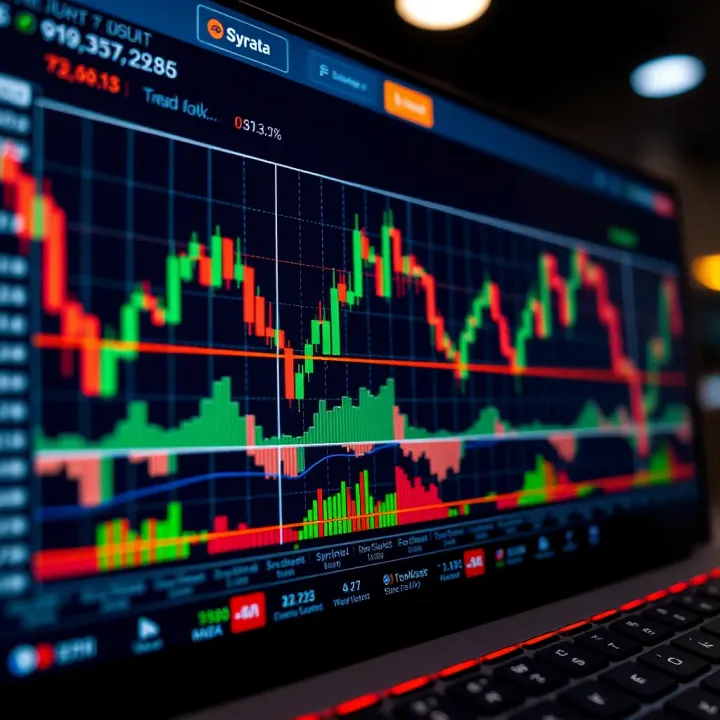
Guide to TradingView Synthetic Indices
Explore TradingView synthetic indices 📈: what they are, how they work, key features, benefits, risks, and tips to trade them effectively with confidence.
Edited By
Jack Wilson
Financial markets are always evolving, with new products and tools popping up to meet the needs of traders and investors. One of the newer players gaining attention is synthetic indices. These financial instruments might seem complex at first glance, but grasping their basics can really give traders an edge, especially in markets like Nigeria where access to diverse trading options can be a bit limited.
Synthetic indices aren't your run-of-the-mill market instruments like stocks or commodities. Instead, they're cleverly designed to simulate real-world financial indices but without relying on the actual underlying assets. This makes them accessible 24/7 and less prone to sudden news shocks that affect traditional markets.
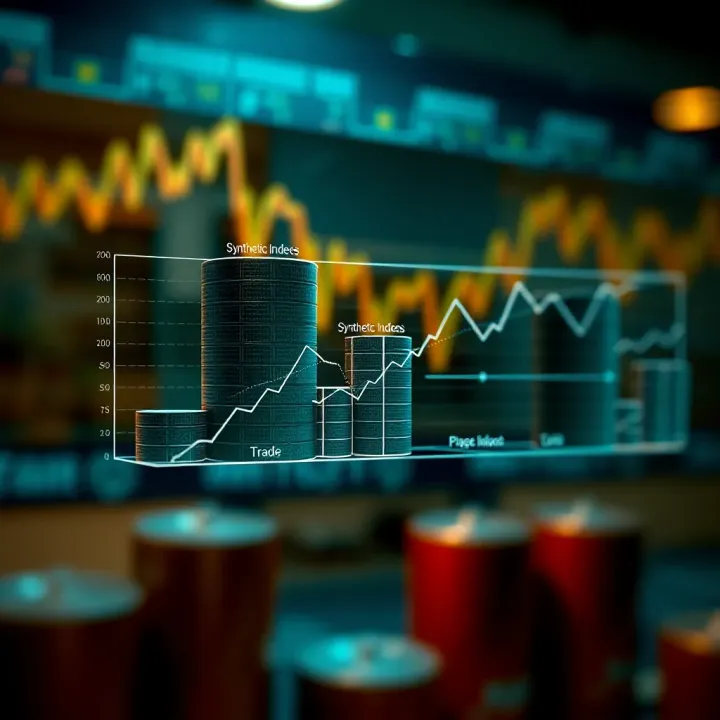
In this article, we'll break down everything from what synthetic indices are, how they're constructed, to practical strategies for trading them. We'll also touch on the risks involved and legal considerations, so traders here can make smart moves without flying blind.
Understanding synthetic indices is no longer optional; it's becoming essential for anyone serious about expanding their financial toolkit in today's market.
By the end of this guide, you’ll have a clear understanding of why these instruments matter, how to handle them wisely, and where they fit within the broader financial landscape. No jargon, no fluff, just straight talk tailored for traders and investors in Nigeria and beyond.
Synthetic indices have been gaining traction in the financial markets, especially among traders looking for alternatives to traditional market instruments. Understanding their basics is essential for anyone aiming to diversify their portfolio or enhance trading strategies. These indices simulate market conditions without being tied to real-world assets, making them accessible and unique in behavior.
For example, in Nigeria, where traders might face restrictions or higher costs in accessing some foreign markets, synthetic indices offer a round-the-clock trading opportunity that isn’t affected by economic or political events directly. This means traders can operate when traditional markets are closed.
Exploring synthetic indices helps investors grasp different risk profiles and volatility trends compared to established indices like the S&P 500 or FTSE 100. Knowing how these are constructed and their inherent characteristics aids in making informed decisions.
At its core, a synthetic index is a financial instrument that mimics the movements of a market or sector but doesn’t represent actual shares or commodities. Think of it as a digital recreation of price movements derived from complex algorithms and random number generators. Unlike standard indices which track real assets, synthetic indices provide a proxy for market volatility and trend without external influences.
Suppose you’re trading a synthetic volatility index offered by Deriv. This index isn’t connected to any stock exchange but is programmed to fluctuate in ways that simulate market ups and downs. This allows traders to speculate on price movements without the need to worry about underlying company performance or geopolitical pressures.
The main distinction lies in the source and nature of their price movements. Traditional indices, like Nigeria’s NSE All-Share Index, are calculated based on the market value of the listed companies within the index. They reflect real economic activity, affected by earnings reports, government policies, and global events.
Synthetic indices, however, rely on mathematical models and algorithms, not tied to real-world events. Because of this, they operate 24/7, independent of market hours. While this offers flexibility, it also means the behavior can be more predictable or programmable, unlike real indices which can be erratic due to external shocks.
Understanding these differences is key when considering trading synthetic indices: they provide a controlled environment that can be advantageous for specific trading styles but require careful risk management due to their unique nature.
In summary, synthetic indices expand the toolbox of traders and investors, providing alternative instruments that blend predictability with continuous market access, especially suitable for modern, fast-paced trading environments.
Grasping how synthetic indices are created is key to understanding what sets them apart in financial markets. Unlike traditional indices that reflect real-world asset prices, synthetic indices rely on mathematical models and programmed systems to simulate market behavior. This creation process ensures markets operate round-the-clock and maintain consistent volatility patterns, which is particularly useful for traders seeking reliable opportunities outside standard trading hours.
Synthetic indices run on complex algorithms designed to mimic price movements seen in real financial markets, but these moves aren’t tied to any physical asset or stock exchange. Instead, the algorithms use historical data, random inputs, and volatility settings to forge a dynamic price curve. Imagine an algorithm as a recipe combining various ingredients — volatility, trend patterns, and randomness — to bake a market simulation.
For instance, the Volatility 75 Index by Deriv is programmed to have higher price swings compared to its synthetic peers, targeting traders who thrive on market turbulence. These underlying mechanisms allow the index to present predictable volatility without being affected by geopolitical events or earnings reports, unlike traditional indices.
A crucial component of synthetic indices creation is the Random Number Generator (RNG), which injects unpredictability into the price movements. Think of the RNG as the dice rolled behind the scenes, introducing elements of chance that prevent the market from becoming entirely predictable.
This randomness mimics natural price fluctuations, stopping traders from easily forecasting the market direction, which keeps trading both fair and challenging. Operators use certified RNGs tested by independent bodies to ensure transparency and confidence among traders.
The RNG’s role isn’t to create chaos but to blend randomness with structured rules, generating market movements that resemble real-trade activity while maintaining a fair environment.
Together, the algorithms and RNGs create synthetic indices that offer a unique blend of stability and randomness. This combination allows traders to analyze patterns, trade consistently, and manage risks effectively, despite the artificial nature of the index. Understanding these elements helps traders appreciate why synthetic indices behave the way they do and how to approach trading them wisely.
Synthetic indices have carved a niche in financial markets due to their unique characteristics, setting them apart from traditional indices. Understanding these features helps traders and investors grasp what makes synthetic indices tick and how they can be leveraged for various trading strategies.
One standout feature of synthetic indices is their round-the-clock availability. Unlike stock markets or forex pairs, which typically close during weekends or after certain hours, synthetic indices operate continuously, offering trading opportunities 24 hours a day, seven days a week. For instance, the Volatility 75 Index provided by Deriv is open non-stop, allowing traders to react immediately to their own market signals rather than being tied to external market sessions.
This constant availability suits traders who can't stick to traditional market hours—whether due to other commitments or different time zones. It also helps retail traders in Nigeria and other regions to participate outside of local market hours, leveling the playing field. However, this feature comes with its own set of challenges, such as managing positions overnight and facing less predictable volume fluctuations during off-hours.
Synthetic indices are known for their distinct volatility profiles, which differ from many natural market indices influenced by real-world events. Artificially generated through algorithms, these indices often display recurring patterns of volatility that some traders can analyze and predict to some extent. For example, Volatility 10 tends to be steadier, while Volatility 100 can be quite erratic but follows a certain rhythm of spikes and calm periods.
This predictability can be a double-edged sword. On one hand, it allows traders to develop specialized strategies, such as scalping during low-volatility phases or swing trading in high-volatility bursts. On the other, unexpected swings can catch novices off guard. Therefore, it's crucial to understand these volatility cycles deeply before putting substantial capital at risk.
Liquidity in synthetic indices differs from natural markets since these indices don't depend on actual buyers and sellers but are backed by the broker's platform. The term "market depth" usually refers to the volume of buy and sell orders at various prices in traditional markets; synthetic indices simulate this to provide realistic trading conditions.
For example, platforms like Deriv ensure adequate liquidity by managing order flow internally, which means traders can enter and exit positions with minimal slippage during regular trading intensities. However, during periods of extreme volatility or technical malfunctions, liquidity can thin out, affecting trade execution.
Understanding the nuances of liquidity and market depth in synthetic indices helps prevent surprises in order execution, enabling traders to choose appropriate trade sizes and timing.
In summary, these key features—always-open markets, unique volatility behavior, and simulated liquidity—make synthetic indices a distinct category for financial markets participation. Traders who familiarize themselves with these traits can better tailor their approaches for improved results.
Synthetic indices come in various forms, each designed with unique characteristics to suit different trading styles and preferences. Understanding the common types helps traders identify which indices align best with their strategies and risk tolerance. Among the many variants, Volatility Indices and Trend-Based Indices are two of the most prominent types.
Volatility Indices are designed to mimic the fluctuations in market volatility rather than traditional asset prices. Unlike conventional indices that track a basket of assets or economic metrics, these indices measure the rate and magnitude of price swings. This gives traders a direct glimpse into market turbulence, which often signals potential trading opportunities. For example, the popular Deriv Synthetic Index 50 Index replicates mid-range volatility, offering steady but noticeable fluctuations that traders can scalp or position trade around.
Volatility indices are attractive because they provide predictable patterns of sharp rises and falls, which skilled traders can exploit. Let’s say a trader notices a repetitive cycle of spikes in volatility every few minutes; this can be leveraged for short-term trades. However, these indices require careful attention to timing and strict risk management due to their jumpy nature. A key point: Volatility indices run continuously—24/7—allowing Nigerian traders to engage anytime without worrying about market closing times.
Trend-Based Indices focus on price direction over time, showing clearer upward or downward momentum compared to volatility-driven indices. These are especially useful for swing traders and those who prefer following longer-lasting trends rather than quick bursts of activity. An example is the Synthetic Index 10, which typically exhibits steadier, less erratic movements, making it easier to apply tools like moving averages to identify ongoing trends.
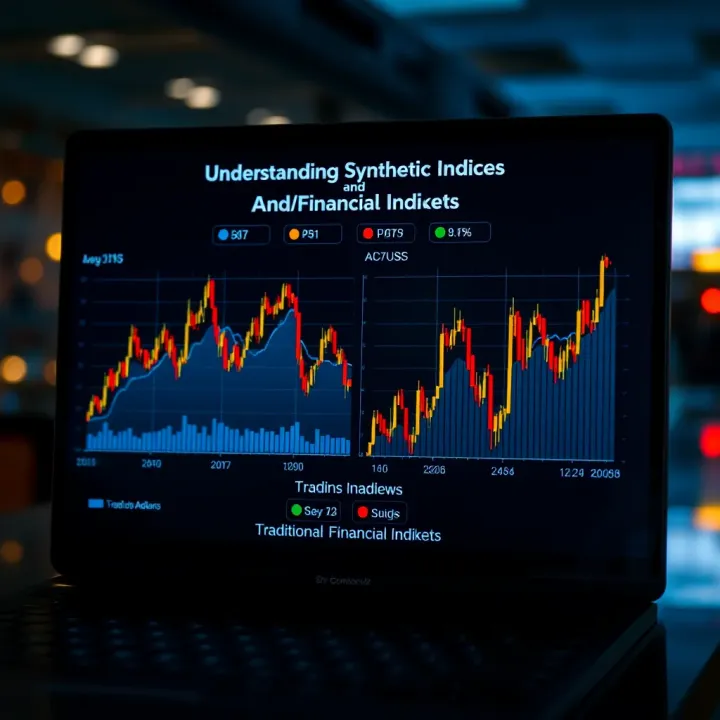
The advantage here is the ability to employ trend-following strategies—buying when the index shows a sustained uptrend and selling or shorting during downtrends. For instance, if the Synthetic Index 10 has persisted in a rising pattern for several hours, traders might jump on that momentum expecting the trend to continue. This index type is ideal for traders who want to avoid the stress of rapid price swings but still aim to capture profits from consistent movements.
Understanding these types helps traders choose synthetic indices suitable for their trading style, time commitment, and risk appetite. Whether you like the fast action of volatility indexes or the steadier ride of trend-based indices, knowing the characteristics lets you plan better and trade smarter.
In summary, the choice between volatility and trend-based synthetic indices boils down to how comfortable you are with market rhythms—do you prefer riding the waves of fast volatility or cruising the smooth currents of trends? In either case, knowing what you're dealing with improves your odds in the synthetic indices market.
Trading synthetic indices offers a unique opportunity for traders to engage with markets that aren't directly tied to traditional financial instruments like stocks or commodities. These indices simulate real market behaviors through algorithms, making them accessible 24/7 regardless of physical market hours. Because they operate independently from global economic events, synthetic indices can provide consistent trading environments, which is especially appealing to retail traders in Nigeria looking for constant market action.
One of the practical benefits of trading synthetic indices is the ability to test and refine trading strategies on a platform that mimics real-world volatility but without the noise that external economic or geopolitical events might introduce. This helps traders focus purely on price action and market patterns, making the learning curve less steep. However, it’s important to understand that these products still carry risks inherent to volatility and require solid strategies to succeed.
Scalping and day trading strategies involve making multiple trades throughout the day, capitalizing on small price movements. For example, a trader might enter a synthetic volatility index trade expecting a brief spike within minutes and close the position fast to lock in gains. These strategies thrive in synthetic market conditions because the indices run non-stop and exhibit predictable patterns during certain periods, which suits quick entries and exits.
A key point for scalpers is to have a strict stop-loss setup; relying on small profits means even a few bad trades can wipe out gains. Platforms like Deriv.com, which offer Volatility 75 and Volatility 100 indices, provide enough price fluctuations to make scalping a practical approach.
Swing trading focuses on capturing price swings over several hours or days. Traders observe the evolving trends on synthetic indices and hold positions until a desirable profit target or reversal signal appears. This strategy is useful because synthetic indices often display rhythmic patterns in their volatility, according to the time of day.
For instance, a swing trader might notice that volatility tends to rise during certain hours on Volatility 50 index and place trades aligned with these predictable movements. This approach requires patience and good timing but can yield better risk-to-reward ratios than rapid scalping.
Technical analysis remains a cornerstone for trading synthetic indices. Traders use tools like moving averages, RSI (Relative Strength Index), Bollinger Bands, and candlestick patterns to identify entry and exit points. Because synthetic indices are algorithm-driven, the price obeys technical signals fairly reliably, allowing traders to build systematic approaches.
One actionable tip is combining multiple indicators to confirm trades. For example, waiting for an RSI to move out of oversold territory while the price crosses above a moving average can signal a decent buying opportunity. Since news events have minimal impact, traders avoid false signals often triggered by market reactions elsewhere.
Risk management is vital when trading synthetic indices, as these markets can swing unexpectedly. Proper position sizing ensures a single loss doesn’t drain your account. Traders should limit exposure to no more than 2-3% of their capital per trade to stay in the game long-term.
Using stop-loss orders helps limit downside, especially during sudden volatility spikes. For example, setting a stop-loss 1-2% away from your entry point on a synthetic volatility index means you’re prepared to cut losses quickly if the market takes an unexpected turn.
Diversifying your strategy between scalping, swing trades, and varying indices can also spread risk. Lastly, maintaining discipline by sticking to your trading plan, avoiding overtrading, and keeping emotions in check can protect your capital.
Sustainable trading in synthetic indices comes down to smart strategies paired with effective risk controls — it’s not about chasing every move but managing your trades carefully.
By understanding how to trade synthetic indices with clear strategies and proper risk techniques, traders can better navigate these unique markets and potentially carve out profitable opportunities, even from the Lagos living room.
Trading synthetic indices offers several distinct benefits that make them appealing, especially to retail investors and traders looking for more flexible opportunities. These advantages range from easier market access to protection against some typical market disruptions. Understanding these can help traders make better decisions about including synthetic indices in their portfolios.
One of the biggest perks of synthetic indices is how accessible they are to retail traders. Unlike traditional stock markets that often require minimum investments or have complex entry barriers, synthetic indices can usually be traded with modest amounts of capital. For example, platforms like Deriv allow traders to start with very low deposits, sometimes just a few dollars.
This low barrier to entry means traders from Nigeria — or anywhere else in the world — can participate without needing large sums of money. Plus, trading synthetic indices doesn't demand ownership of the actual underlying assets, which simplifies the process and reduces some costs associated with trading.
These markets also operate 24/7, unlike regular stock exchanges that close during nights and weekends. This availability lets retail traders take advantage of market moves anytime, making them an ideal choice for people balancing trading with other commitments.
Synthetic indices are unique because their prices aren't directly tied to real-world economic or political events. Instead, their values are generated using algorithms and random number generators, which means they aren’t as vulnerable to the wild swings caused by news events, earnings reports, or geopolitical tensions.
For instance, when the Nigerian stock market reacts sharply to government policy changes or oil price shocks, traders holding synthetic indices won’t experience the same type of volatility. While these indices still have their own patterns of volatility, the removal of external shocks can make price movements somewhat easier to predict using technical analysis.
This characteristic appeals to traders who want to reduce their exposure to unpredictable global events. By focusing on synthetic indices, they can isolate trading strategies from market noise that often throws off decisions in other markets.
Synthetic indices can serve as a hedge against the ups and downs of real-world markets by offering a more controlled, algorithm-driven environment where price moves follow programmed patterns rather than external headlines.
Both accessibility and the shield against external market shocks make synthetic indices attractive tools for traders aiming for diversified and manageable trading experiences. Still, like any investment, it's crucial to understand their behavior deeply before jumping in.
Synthetic indices have become a popular choice for many traders looking for alternative markets. However, like any trading instrument, they carry specific risks and hurdles that demand careful attention. Understanding these challenges is key to trading these indices effectively and protecting your capital.
One of the biggest red flags in synthetic index trading is the potential for market manipulation. Unlike traditional stock indices that reflect the performance of real assets, synthetic indices are generated by algorithms controlled by brokers or trading platforms. This setup can sometimes open the door for unfair practices where prices might not always reflect genuine market forces.
For example, if a broker also acts as the market maker, it might have the power to influence price movements or execute trades against their clients. This conflict of interest can lead to manipulated volatility that hurts retail traders. Due to this, it’s crucial to choose brokers that are transparent about their trading models and have good reputations backed up by regulatory oversight.
Always question the integrity of the market source. Check if brokers publish their algorithms’ fairness and whether they allow third-party audits.
Synthetic indices often boast high volatility, which means prices can swing dramatically within short periods. While this can create opportunities for profit, it also means the risk of sudden losses is significant. Think of volatility like a double-edged sword: it can cut both ways.
A concrete example is the Volatility 75 Index, which simulates price movements every second. A trader might plan to hold a position for minutes, expecting steady gains, but unexpected spikes or drops can wipe out profits—or burn through stop losses—within moments. This unpredictability demands tight risk management, such as using stop-loss orders and position sizing appropriate to your comfort level.
Many traders underestimate how quickly volatility can derail a strategy if they are not prepared. Keeping an eye on volatility patterns and adjusting your trades accordingly is essential.
Regulation is often a gray area for synthetic indices, especially in emerging markets like Nigeria. Since synthetic indices are not tied to real-world assets, they sometimes fall into regulatory loopholes. This means traders may not have the same protections they’d expect when trading stocks or forex.
This regulatory uncertainty raises concerns about broker reliability. Some brokers might operate without proper licenses or regulatory checks, increasing the risk of fraud or unfair trading conditions. For instance, poorly regulated platforms may delay withdrawals or refuse to honor winning trades, leaving traders at a disadvantage.
To mitigate these risks, traders should:
Verify the broker’s regulatory status with authorities like the FCA (UK) or CySEC (Cyprus).
Read reviews from multiple sources, focusing on withdrawal processes and client treatment.
Avoid brokers offering guarantees of profits or suspicious bonuses.
In Nigeria, where financial regulations are evolving, sticking to brokers with an international presence and clear regulatory backing is a safer bet.
In summary, while synthetic indices open interesting trading doors, they also come with risks involving manipulation, volatility, and regulatory uncertainties. Keeping these in mind and conducting thorough due diligence can protect your investments and improve your chances of success.
Navigating the regulatory landscape is essential for anyone involved with synthetic indices, especially since these financial instruments operate outside the traditional asset classes. Understanding the legal framework helps traders avoid pitfalls and ensures their investments are protected. This section breaks down the significance of regulation, focusing on the Nigerian market and criteria for selecting trustworthy brokers.
In Nigeria, synthetic indices don't have a clear-cut regulatory category yet, which creates a tricky environment for traders and brokers alike. Unlike stocks or commodities, synthetic indices are often considered derivatives or complex financial products, but the Nigerian Securities and Exchange Commission (SEC) has not issued specific guidelines exclusively for them. This lack of direct oversight means Nigerian traders need to be extra cautious.
Despite this, the Nigerian SEC governs derivatives broadly and requires brokers to be registered and compliant with specific operational standards. This means synthetic indices platforms must meet these general rules but might not face the detailed supervision seen in other markets like the US or EU. Traders should keep an eye on Nigerian financial news and SEC announcements to stay updated, as regulatory frameworks can evolve.
For example, in 2022, some speculative activities involving binary options and synthetic products drew warnings from Nigerian authorities about unregulated platforms. This highlights the importance of verifying if a broker complies with regional rules before committing funds.
Picking the right broker is a dealbreaker when trading synthetic indices, especially given the regulatory grey area in Nigeria. Here's what to look out for to avoid scams and ensure your money stays safe:
Licensing and Regulation: Prioritize brokers licensed by recognized authorities such as CySEC (Cyprus), FCA (UK), or ASIC (Australia). Although these aren't Nigerian regulators, their standards generally surpass unregulated or loosely regulated platforms that might target Nigerian traders.
Transparency: A reliable broker will openly share details about their regulatory status, terms of service, and the algorithms behind their synthetic indices. If it feels like they're hiding how things work, it's a red flag.
User Reviews and Community Feedback: Real experiences from other traders, especially in Nigerian trading forums or social media groups, can reveal issues like withdrawal delays or questionable platform behavior.
Customer Support: Efficient and accessible support is vital. Brokers that respond promptly to inquiries and offer local support channels often demonstrate a commitment to their clients.
Trading Platform Quality: Check that their trading platforms (such as MetaTrader 5 or proprietary systems) are stable and transparent. Features like demo accounts allow you to test their indices without risking real money.
Remember, a flashy website or promises of huge profits rarely tell the full story. As the saying goes, "If something sounds too good to be true, it probably is."
Being cautious and informed about regulatory and broker considerations can spare you from costly mistakes and make your synthetic indices experience much smoother.
By understanding where synthetic indices stand legally in Nigeria and carefully choosing your broker, you're better placed to trade confidently, minimizing risks tied to regulatory uncertainty and unscrupulous operators.
Trading synthetic indices isn't just about guessing which way the market will move. It demands the right set of tools and knowledge to make smart decisions. For traders looking to succeed, having access to reliable charting platforms, indicators, and educational resources is crucial. These tools help break down complex price movements and allow traders to spot opportunities without getting lost in assumptions.
A solid charting platform serves as a trader's control center. Platforms like MetaTrader 4 and TradingView are popular choices because they offer a wide range of chart types, from candlestick to renko, each helping traders analyze price actions in their way. What sets these apart is the ability to customize indicators that track volatility, momentum, and trends specifically tailored for synthetic indices, which behave differently than traditional markets.
Indicators such as Bollinger Bands and the Relative Strength Index (RSI) can be particularly helpful. Bollinger Bands, for example, visually outline volatility by showing upper and lower price limits, which helps a trader anticipate potential reversals when the market hits these boundaries. RSI lets traders gauge overbought or oversold conditions, offering timely signals to buy or sell.
Don't overlook volume data either—though synthetic indices might not directly reflect traditional volume, some brokers provide proprietary data reflecting market activity. Keeping an eye on this can give an edge.
Choosing a platform that offers real-time updates and smooth execution will help you avoid costly delays or missed entries. Test drive the demo versions before committing money to ensure the tools fit your trading style.
Jumping into synthetic indices without understanding the terrain is like sailing without a compass. This is where educational resources become invaluable. Comprehensive guides from brokers like Deriv, or tutorials on platforms like BabyPips, can offer step-by-step insights into trading strategies, risk management, and interpreting volatility patterns unique to these indices.
Beyond solo study, trading communities provide a wealth of shared experience. Online forums and social media groups, such as those on Telegram or Reddit, allow traders to ask questions, exchange tips, and discuss market conditions. Hearing from others can reveal blind spots you might miss on your own.
Many communities often organize webinars and live trading sessions—a practical way to see strategies in action and learn how professionals react to sudden changes. Just be wary of overly hyped claims or guaranteed profit promises; remember, trading is about managing risks, not avoiding them entirely.
In summary, combining reliable charting software with solid educational material and active participation in trading communities builds a strong foundation for any synthetic indices trader. These tools don’t just help you follow the market—they help you understand it and make choices backed by data and real-world experience.
Understanding synthetic indices also means clearing up some common misunderstandings. These myths can mislead new traders, especially those getting into synthetic indices for the first time. Addressing these misconceptions is important because it helps traders approach synthetic indices with realistic expectations, leading to better strategies and risk management.
One widespread myth is that trading synthetic indices guarantees profits. This couldn’t be further from the truth. Like any financial market, synthetic indices involve significant risk. For example, a trader might see a streak of wins and wrongly assume the system is “foolproof.” However, market conditions fluctuate, and losses can occur unexpectedly. No broker or platform can promise profits without risk — anyone claiming otherwise should be treated with caution. Real success comes from careful analysis, disciplined strategies, and solid risk controls.
Another common misunderstanding is that synthetic indices move entirely at random, making them impossible to predict. While it’s true that these indices are generated by algorithms with random elements, their behavior isn't a pure coin toss. There are underlying volatility patterns and trends within certain synthetic indices — for instance, volatility indices often show repeatable cycles within a trading day.
Experienced traders use technical analysis tools like moving averages or RSI to identify possible entry or exit points rather than relying on luck alone. Treating synthetic indices as purely unpredictable ignores the subtle market rhythms they exhibit.
Recognizing and dispelling these myths helps traders take a more informed and practical approach, rather than falling for hype or unrealistic promises. Understanding the risks and characteristics of synthetic indices leads to smarter trading decisions.
By mixing clear knowledge with realistic expectations, traders can better navigate synthetic indices in Nigeria’s growing online trading scene, avoiding pitfalls fueled by misinformation.
Wrapping up, it's clear that synthetic indices offer a unique trading playground, especially for those in Nigeria who might be exploring alternatives beyond traditional stocks or commodities. Their round-the-clock availability and independence from global economic events make them especially appealing. However, that doesn't mean trading them is a walk in the park—you still need a solid game plan and awareness of the risks involved.
To recap, synthetic indices simulate price movements using algorithms and random number generators rather than relying on actual market performance. This gives traders a consistent and controlled environment, but one that demands respect for its volatility and pseudo-random nature. Key takeaways include:
Synthetic indices trade 24/7, offering flexibility unlike many traditional markets.
Volatility in these indices can be both an opportunity and a risk; it doesn’t always behave like classic financial instruments.
Unlike real stocks or commodities, synthetic indices aren’t influenced by external news, which means fewer surprises from geopolitical events but also less chance for fundamental analysis.
Effective trading often involves a mixture of scalping, day trading, and technical analysis tailored to these indices’ patterns.
Risk management is crucial — using stop-loss orders and controlling position sizes to avoid blowing accounts during volatile swings.
Trading synthetic indices isn’t about blindly chasing profits; it’s about discipline and strategy. Here are some practical tips:
Start Small and Learn: Open demo accounts offered by reputable brokers like Deriv or IQ Option first, to familiarize yourself without risking real cash.
Stick to Your Strategy: Whether you prefer scalping or swing trading, consistency beats erratic trading. Develop a plan and stick with it.
Use Technical Analysis Tools: Rely on trusted indicators like RSI, Moving Averages, or Bollinger Bands to spot potential entry and exit points. It’s not magic but reading the chart well.
Set Realistic Expectations: There’s no such thing as guaranteed profits. Accept losses as part of the game and manage them carefully.
Regularly Review Your Trades: Keep a journal of your trades, noting what worked and what didn’t. This kind of reflection sharpens your edge over time.
Choose Trustworthy Brokers: The quality and regulation status of the broker can make or break your experience. Avoid brokers with sketchy reviews or poor withdrawal reputations.
Safe trading comes down to respecting the tool you’re using—synthetic indices aren’t a shortcut to easy money but a structured instrument requiring serious practice and risk control.
In the end, synthetic indices can be a valuable addition to your trading toolkit if approached wisely. By understanding their mechanics, respecting the risks, and using disciplined strategies, traders in Nigeria and elsewhere can navigate these markets with confidence and care.
Explore TradingView synthetic indices 📈: what they are, how they work, key features, benefits, risks, and tips to trade them effectively with confidence.
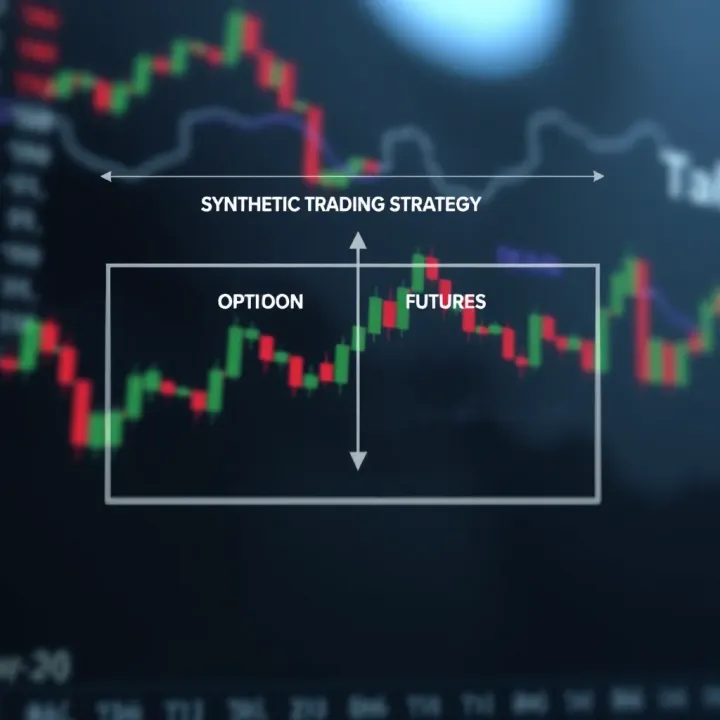
Explore synthetic trading concepts, practical examples, benefits, risks, and regulations to better navigate Nigeria’s financial markets 📈💼
Explore the role of vital markets in Nigeria’s economy 📈. Learn their key sectors, challenges, and impact on local and global trade 🌍.
📊 Understand the Volatility Index: how it measures market shifts, impacts financial decisions, and helps manage risks in Nigerian & emerging markets.
Based on 8 reviews