
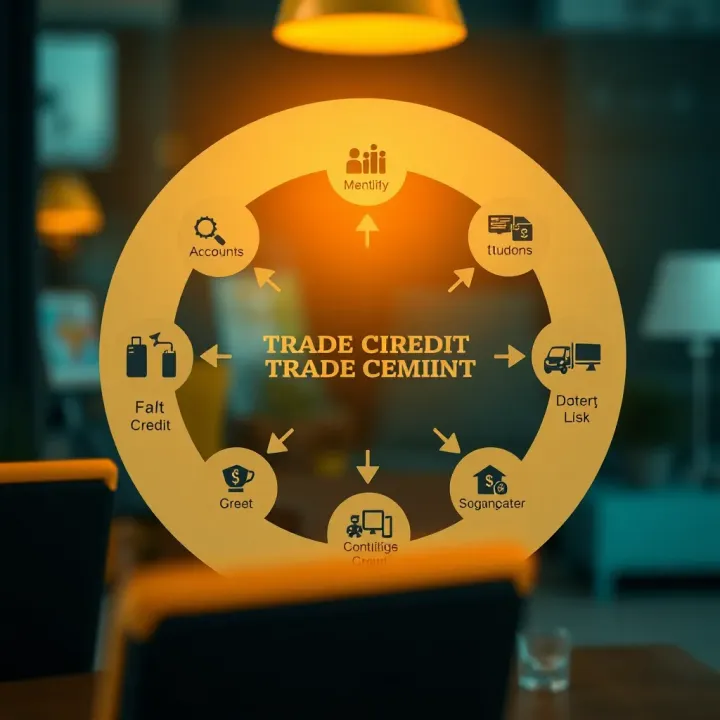
Trade Accounts Explained for Nigerian Businesses
📊 Trade accounts help Nigerian businesses buy goods on credit, boost cash flow, and maintain strong supplier ties. Learn how to set up and manage yours well.
Edited By
Isabelle Clarke
Ten trade is a longstanding economic custom in Nigeria where goods or services are exchanged directly without involving cash. This barter-like practice has been part of Nigerian markets for decades, especially within informal sectors like mama put stalls, okada rides, and small-scale trader networks.
Historically, ten trade enabled individuals without ready cash to access needed goods or services through mutual exchange. For example, a trader might swap 5 litres of palm oil for a day's transportation from an okada rider, or a tailor may trade repairs for farm produce. This system governed many local economies before widespread cash use and remains active today, particularly in rural areas and informal urban settlements.
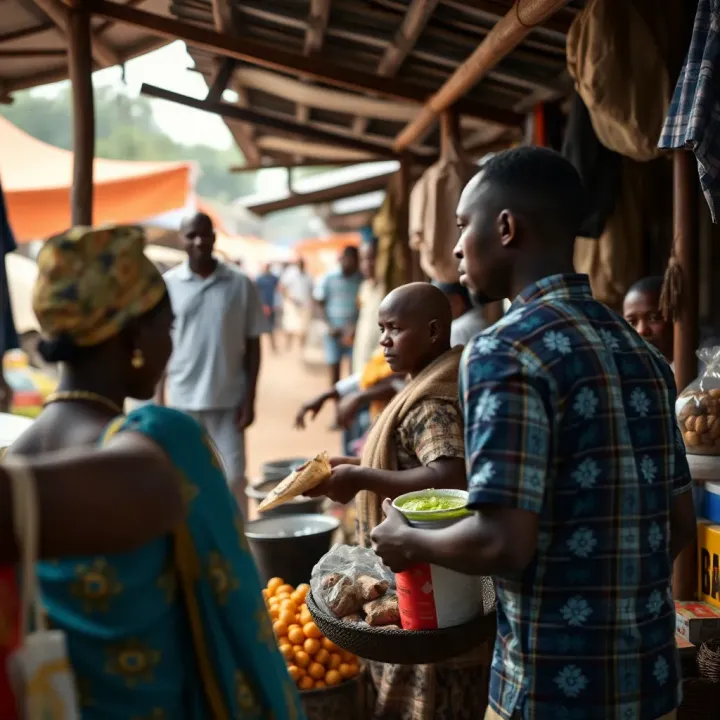
Ten trade usually takes the form of:
Direct barter: Exchanging one good or service for another of agreed value.
Credit-based swaps: Deferred exchanges where the value owed is settled over time.
Multi-party trades: More complex arrangements where three or more parties swap goods/services to balance value.
Such transactions depend heavily on trust and the perceived equivalent value of exchanged items. For example, a retailer may accept agricultural produce from a farmer and later provide household items in return, reflecting ongoing trade relationships.
Though often informal, ten trade sustains many micro and small businesses. It helps those with limited cash flow to keep businesses operating, especially during ember months when cash liquidity tightens due to festivals and household expenditures.
Furthermore, ten trade supports circular economies where goods cycle between communities without hard currency, easing the pressure on Nigeria’s cash supply and banking infrastructure.
Ten trade remains a lifeline for many entrepreneurs, helping them keep commerce alive without relying solely on naira, particularly in areas with limited bank access.
Understanding ten trade's dynamics offers investors and analysts a clearer picture of Nigeria’s informal market resilience, as well as opportunities to introduce fintech solutions like USSD payments, which complement traditional trading practices.
By recognising the mechanisms of ten trade, traders and finance professionals can better engage with this vibrant segment of Nigeria’s economy, harnessing both old customs and new technology for growth.
Understanding what ten trade means in Nigeria helps unravel a practice deeply rooted in the country’s informal business culture. This section outlines the origins and practical contexts of ten trade, plus its significant economic impact. For traders, investors, and analysts, grasping these elements provides insight into how everyday exchanges sustain communities and contribute to broader market dynamics.
Ten trade traditionally describes a straightforward barter or exchange system where goods and services are swapped without immediate cash payment or with an informal credit arrangement. The term 'ten' doesn’t have a fixed monetary value here but often refers to the simplicity or the standard rate of exchange tailored to local circumstances. In many Nigerian markets, especially informal sectors, ten trade traces back to when limited cash liquidity made bartering the go-to method for sustaining commerce.
For instance, a mama put selling amala might exchange portions of her food for vegetables from a nearby farmer without using cash, relying instead on trust and repeated dealings. This approach helps maintain goods flow where formal banking or payment systems aren’t immediately accessible.
Ten trade largely happens in informal markets across the country, from bustling Lagos street-side stalls to rural farmers’ markets in the North. It is common among small business owners who face cash flow challenges or prefer direct exchanges to cut costs. For example, a petty trader might swap textiles for mobile phone airtime credit using USSD codes instead of cash, which extends the concept into digital forms.
Small-scale artisans, okada riders, and market women also use this trade form, especially when cash reserves run low around ember months or during market slowdowns. These trades sustain daily needs while easing the burden of fluctuating naira value and frequent power outages.
The informal sector in Nigeria accounts for a large chunk of economic activity, often estimated at over 60% of GDP. Ten trade fuels this sector by enabling continuous movement of goods and services without relying solely on formal financial infrastructure. This system helps keep stalls stocked, services running, and incomes flowing, particularly for rural and peri-urban entrepreneurs.
Consider a keke napep mechanic who might trade repairs for food or household items, avoiding cash outlays while building reciprocal business relationships. This flexible exchange system supports a thriving informal sector that might otherwise stall during cash shortages or economic downturns.
Small businesses across Nigeria depend on ten trade to manage cash flow and survive low liquidity periods. The practice acts as a buffer against unpredictable incomes and fluctuating market prices. For example, a shoe seller in Oshodi might secure stock by offering airtime or services in exchange, thereby avoiding delays in restocking that direct cash payments could cause.
Ten trade also fosters strong networks among traders, promoting repeat partnerships essential for business continuity. Without this informal exchange, many mama puts, tailors, and roadside traders would struggle to survive in a cash-dependent economy characterised by erratic income and high operational costs like generator fuel and transport.
Ten trade is more than just bartering—it’s a vital economic lifeline that keeps Nigeria's informal market vibrant and businesses afloat, especially in times of financial strain.
By recognising its role and mechanisms, entrepreneurs and analysts can better appreciate the underlying resilience in Nigeria's informal commerce and spot opportunities for innovation, particularly through fintech and digital platforms.
Understanding the forms and practices of ten trade in Nigeria matters because it reveals the practical ways this economic activity sustains many informal businesses and communities. For Nigerian entrepreneurs, knowing what goods and services commonly exchange hands and how transactions typically occur helps in planning, managing risks, and identifying opportunities.

Foodstuff and agricultural products form the backbone of ten trade, especially among rural markets and urban roadside stalls. Traders exchange yams, tomatoes, pepper, and leafy vegetables, often swapping harvest surpluses directly without cash changing hands. For example, a vegetable seller may trade fresh pepper for cassava from a neighbouring farmer, ensuring a balanced supply without involving formal money.
This exchange extends to processed foods too, like gari and fermented locust bean (iru), which remain staples in many households. Such goods are perishable, so quick, frequent trades help avoid losses and maintain steady income flows for small-scale farmers and market women.
Clothing, textiles, and accessories are also prominent in ten trade, with transactions ranging from traditional fabrics like ankara and adire to everyday shoes and jewellery. Traders in Lagos's Balogun Market often swap new or slightly used fabrics for jewellery or hair extension items. This helps businesses maintain diverse stock without heavy upfront costs.
Moreover, accessory vendors sometimes trade in bulk to restock or offer fresh items during peak seasons like Sallah or Christmas, leveraging relationships with suppliers and customers for mutual benefit.
Small electronics and household items such as phone chargers, kitchen utensils, and fans move frequently via ten trade channels. For instance, market traders may exchange several phone chargers for a set of kitchen knives, balancing supply according to season or demand. Small electronics have high turnover but require trusted exchanges, as faulty items can erode customer trust.
These goods serve everyday Nigerian households and informal businesses, making their trade crucial for local economies. Importantly, many of these items come from tokunbo (imported second-hand) sources, which entrepreneurs often swap to refresh stock affordably.
Barter exchanges between traders remain a typical practice within ten trade. This method allows traders without sufficient cash liquidity to maintain business flow. For example, a food vendor might exchange cooked meals with a cloth seller, sidestepping cash constraints during ember months.
Barter trades require strong trust because they lack legal safeguards. That said, they also reduce risks for traders who can't access bank credit or who find cash expensive due to naira volatility.
Cash-based multiple items trade is also widespread. Traders trade several types of goods priced in cash, often negotiating the best deal on the spot. A trader might buy batches of tomatoes and onions while simultaneously selling sacks of rice for cash within the same market day.
This format provides flexibility and easier valuation compared to barter but depends more on market liquidity and currency stability.
Credit and deferred payment arrangements appear frequently in ten trade, especially among trusted partners and repeat customers. For instance, a trader may supply goods worth ₦50,000 to a customer, allowing payment in instalments over a few weeks.
Such informal credit helps maintain customer loyalty and supports low-income buyers who often can’t pay upfront. However, it also exposes traders to risks like default and requires careful record-keeping and trust-building.
The diversity in goods and transaction types reflects how ten trade adapts to Nigeria’s market realities, offering flexible options for small traders coping with irregular cash flows, seasonal demands, and limited formal financing.
Understanding these typical forms and practices equips Nigerian entrepreneurs with a sharper perspective on navigating informal markets and leveraging ten trade’s unique features.
Ten trade is a vibrant part of Nigeria's informal economy, but it is not without risks. For traders, understanding these challenges is vital for sustaining their businesses and protecting their investments. Without the proper safeguards, participants face potential financial losses, legal vulnerabilities, and operational hurdles that can drain time and money.
Lack of formal documentation and contracts slows down trust-building and complicates dispute resolution. Most ten trade transactions rely on verbal agreements or informal promises rather than written contracts. This lack of paperwork makes it difficult for traders to enforce deals or prove ownership during disagreements. For example, a trader swapping foodstuff for clothes may find it hard to claim their goods if the other party denies the agreement.
This informal nature exposes participants to grey areas where misunderstandings can easily escalate. Without contracts, recovering losses from failed transactions becomes almost impossible, discouraging new traders from venturing into ten trade.
Vulnerability to fraud and disputes is another major concern. Since ten trade often involves multiple items and credit arrangements without clear records, situations like shortchanging or delivery of substandard goods occur frequently. Imagine a trader accepting several electronic gadgets in exchange, only to discover some items are faulty or fake.
Such fraud impacts the reputation and trustworthiness essential for sustaining repeated trade relationships. Disputes are common because the system lacks a neutral framework to enforce fairness, often forcing traders to settle conflicts informally, sometimes with remaining grudges.
Market demand fluctuations affect ten trade participants unevenly. Many traders depend on selling perishable goods or seasonal products. Sudden drops in customer demand or unexpected changes in consumer tastes can leave stock unsold, tying up working capital. For instance, a mama put selling yam and vegetables may lose income dramatically during embargoes or infrastructural disruptions.
This unpredictability requires adaptive planning and quick access to market information, which many informal traders lack.
Limited access to formal financing remains a stubborn barrier. Most participants cannot provide collateral or official financial statements, preventing them from securing loans from banks or microfinance institutions. This absence of funds restricts growth opportunities and limits ability to scale inventory.
Consequently, traders often rely on personal savings or informal loans with high-interest rates. This cycle limits innovation and keeps many stuck in low-margin trades.
Lack of technology integration slows progress and efficiency for ten trade operations. While fintech platforms like Paystack and OPay have eased digital payments, many traders still rely on cash transactions or manual record-keeping.
Without digital tools, tasks like tracking sales, managing credit, and advertising sales are tedious and error-prone. For example, a trader managing stock with pen and paper faces challenges during busy market days or emergencies where fast decisions are crucial.
Adopting even basic digital solutions can enhance transparency, reduce fraud risk, and open access to wider markets, but lack of digital literacy and infrastructure remains a challenge.
Understanding these risks and challenges helps participants prepare better, mitigate losses, and position their ten trade ventures for sustainable growth.
Success in ten trade does not just happen by chance; it requires deliberate strategies to navigate the informal market's unpredictable terrain. For Nigerian entrepreneurs, applying tested methods can strengthen their trading ventures, reduce risks, and improve profits. This section explores key strategies covering trust-building, management practices, and modern tools that enhance efficiency and market reach.
In ten trade, personal reputation is everything. Traders rely heavily on word of mouth, as trust often replaces formal contracts. If a trader gains a reputation for honesty and fairness, they naturally attract more clients and partners. For instance, a mama put who consistently supplies fresh ingredients on credit and returns the agreed payment on time will build a dependable image in her community.
A solid reputation helps merchants avoid disputes and discourages fraud. This is particularly vital when transactions involve credit or barter but lack formal legal backing. A trusted trader may also negotiate better deals or access goods that others find difficult to obtain, securing an edge in competitive marketplaces.
Repeat trading partners form the backbone of successful ten trade ventures. Establishing long-term relationships with suppliers or customers reduces uncertainty and fosters mutual support. A textile seller in Lagos, for instance, might routinely swap goods or services with a footwear vendor, enjoying smoother transactions and flexible payment terms.
Such relationships also create informal credit lines and reduce the time and cost of searching for new partners constantly. Instead of relying on chance encounters or strangers, having a dependable circle creates a safety net during lean seasons or market fluctuations.
Despite the informal nature of ten trade, keeping basic records is invaluable. Many traders hesitate to keep detailed books due to literacy levels or time constraints, but even a simple notebook recording daily transactions and debts can prevent costly errors and misunderstandings.
For example, jotting down who owes what and when payments are due helps a trader avoid chasing after bad debts or double-selling stock. It systematically organises their cash flow, making it easier to plan purchases or reinvest profits, especially when day-to-day cash can be tight.
Beyond sales, tracking inventory helps traders know when to reorder stock or barter items before running out. A keke napep spare parts dealer who keeps an eye on which parts move faster can adjust orders accordingly, reducing the risk of capital tied up in unsold goods.
This habit also aids negotiation credibility. When traders can show consistent patterns of transactions or available stock, they negotiate better prices, avoiding overstocking or understocking situations that can hurt their business in the long run.
Mobile money services and Unstructured Supplementary Service Data (USSD) codes have revolutionised how ten trade happens. Many traders now accept payments through platforms like Paga, OPay, or bank USSD transfers without needing formal bank branches.
This ease of payment reduces the need for physical cash—which can be risky—while speeding up transactions. For instance, a textile trader in Aba can receive payment from buyers in Abuja instantly, broadening market reach beyond their immediate locality.
Social media platforms such as Instagram, Facebook, and WhatsApp provide informal traders access to wider audiences. Traders display their products, announce deals, or receive orders that could not have been possible just a few years ago.
Additionally, online marketplaces tailor-made for SMEs, such as Jumia Nigeria or Konga, help ten traders access logistics services and payment security. This reduces reliance on traditional face-to-face selling and creates opportunities for more sales, especially from customers who prefer online shopping.
Fintech players like Paystack and OPay have introduced tailored services for informal businesses, including easy payment gateways, credit facilities, and quick settlement of transactions. Entrepreneurs can integrate these solutions to accept payments via card, bank transfers, or mobile wallets.
These platforms also offer analytics that help traders monitor sales patterns, customer behaviour, or cash flow, even with limited financial expertise. Using fintech tools effectively bridges the gap between informal trade practices and formal financial systems, enabling traders to scale up operations securely.
Trust, proper management, and technology form the three pillars that will sustain ten trade ventures into the future. Nigerian entrepreneurs who adopt these strategies stand a better chance to survive market shocks and tap into new opportunities.
The future of ten trade holds considerable significance for Nigeria's economy, signalling shifts that could either strengthen or challenge the informal trading sectors. As Nigeria's economy evolves, the combination of technology and policy reforms offers new pathways for ten trade to expand beyond traditional boundaries, enhance efficiency, and better integrate with formal commerce. For entrepreneurs navigating this space, understanding these changes is vital to harness opportunities and avoid pitfalls.
Increasing access to wider markets
Digitalisation is transforming ten trade by breaking the physical limits traders once faced. Through online marketplaces and social media platforms like Instagram and Jiji Nigeria, small-scale sellers now reach customers beyond their neighbourhoods, even across states. For instance, a mama put selling suya in Lagos can receive orders from Abuja or Port Harcourt via WhatsApp or Facebook pages, broadening their customer base without the need for costly expansion. This access reduces dependence on local foot traffic, allowing traders to survive lean periods or local disruptions like danfo strikes.
Reducing transaction costs
E-commerce platforms and fintech apps are cutting down costs traditionally associated with ten trade. Handling cash in busy markets increases risks of theft and errors, while also incurring time lost in physical transactions. Digital payment methods via USSD codes and apps like OPay or Paystack enable traders to send and receive payments instantly, with minimal fees compared to informal credit arrangements. This streamlines cash flow management and lowers operational costs, giving especially small-scale traders a competitive edge.
CBN initiatives targeting SMEs
The Central Bank of Nigeria (CBN) has rolled out several programmes aimed at empowering small and medium enterprises (SMEs), including informal traders engaged in ten trade. One such initiative is the ₦100 billion Targeted Credit Facility (TCF) which offers low-interest loans to traders needing capital to scale operations or restock goods. Besides financing, the CBN promotes financial literacy schemes that help entrepreneurs understand credit facilities and digital banking tools. These policies help reduce the finance gap that has long limited growth for informal traders.
Regulatory reforms and licensing improvements
On the regulatory front, there’s progress in simplifying licensing processes and reducing bureaucratic hurdles for informal businesses. Some local governments have introduced market permits that are affordable and quick to obtain, cutting down unofficial levies and harassment. Besides easing entry, these reforms encourage traders to formalise their businesses, making it easier to access government support and financial services. For example, Lagos State’s new online permit system reduces time spent queuing and opens channels for compliance that protect traders’ interests.
Embracing these technological and policy changes will empower ten trade participants to stay relevant and competitive in Nigeria’s dynamic economic environment. With better access to markets, finance, and regulatory clarity, informal traders can build more sustainable livelihoods and contribute meaningfully to national growth.
📊 Trade accounts help Nigerian businesses buy goods on credit, boost cash flow, and maintain strong supplier ties. Learn how to set up and manage yours well.

Explore binary trade in Nigeria 📊: Learn how it works, discover key strategies, understand risks & benefits, plus vital Nigerian regulations to trade smartly.

📈 Learn the role of brokers in Nigerian financial markets, their fees, types, and how to pick a trustworthy broker. Avoid common pitfalls and invest smartly in ₦! 🇳🇬
📊 Discover how Trade View helps Nigerian investors analyse markets and make smart decisions despite economic challenges. Navigate local and global trends with ease.
Based on 15 reviews