

Understanding Binary Trade for Nigerian Traders
Explore binary trade in Nigeria 📊: Learn how it works, discover key strategies, understand risks & benefits, plus vital Nigerian regulations to trade smartly.
Edited By
Jacob Turner
Trade accounts play a significant role in how Nigerian businesses manage their operations, especially in sectors relying on regular purchases from suppliers. Simply put, a trade account allows a business to buy goods or services on credit, paying the supplier at a later date instead of immediately. This arrangement can seriously improve cash flow management, giving companies room to focus on production, sales, or other urgent expenses without waiting for cash inflows.
Unlike typical credit facilities from banks, trade accounts are often set up directly between businesses and their suppliers. For instance, a Lagos-based textile manufacturer might have a trade account with a polyester fabric supplier in Kano, allowing them to order materials up to a certain credit limit. The payment terms, such as payment within 30 days or 60 days, are usually agreed upon during the account setup.

A well-managed trade account strengthens supplier relationships and can lead to better terms, discounts, or priority allocation during times of scarcity.
Setting up a trade account involves several key considerations:
Creditworthiness: Suppliers generally assess a buyer’s payment history and business reputation before extending credit.
Clear payment terms: It is vital to agree on payment schedules, interest on late payments, and penalties to avoid future disputes.
Defined credit limits: Both parties should agree on spending caps to control risk.
Managing trade accounts requires disciplined accounting. Nigerian businesses must record each transaction carefully, track due dates, and avoid delays. The Federal Inland Revenue Service (FIRS) monitors certain aspects related to trade accounts when auditing VAT and other taxes, so accurate documentation is essential.
In Nigeria’s context, these accounts help bridge the common liquidity issues many SMEs face, especially during ember months when sales slow but expenses remain high. By using trade accounts wisely, firms can maintain operations smoothly without immediate cash outlay, preserving working capital for other critical needs.
In summary, trade accounts offer Nigerian businesses a practical credit facility tied directly to their purchasing needs. Though they demand clear agreements and timely payments, they remain a powerful tool for growth and operational efficiency when handled well.
Understanding the basics of trade accounts is essential for Nigerian businesses aiming to optimise their purchasing power and manage cash flow better. Trade accounts allow businesses to buy goods or services from suppliers on credit, paying later within an agreed period. This arrangement helps companies avoid upfront cash payments, making it easier to balance expenses, especially during seasons of tight liquidity.
A trade account is essentially a credit facility extended by suppliers to buyers, enabling the purchase of inventory or raw materials without immediate payment. Its main purpose is to support ongoing business operations by providing breathing room for cash flow. For example, a small electronics retailer in Lagos might use a trade account with a wholesaler to stock up on smartphones and accessories without paying right away. This gives them time to sell the products to customers and collect payment before settling their supplier's invoice.
Trade accounts are vital in sectors like retail, agriculture, and manufacturing, where upfront cash demands can strain working capital. By allowing deferred payment, trade accounts ease financial pressure and enable timely stock replenishment, which is crucial for meeting customer demand without interruption.
In Nigeria, trade accounts typically function through formal agreements specifying credit limits, payment terms—often ranging from 30 to 90 days—and conditions for renewals or penalties on late payments. Businesses usually establish these accounts based on trust and creditworthiness assessed by suppliers through past transactions or financial documentation.
For instance, an agric enterprise buying fertilisers for crop production might negotiate credit terms with a supplier. The supplier could extend a credit limit of ₦1 million payable within 60 days. The farm uses the fertilisers immediately but pays after the harvest sales come in. Suppliers often report payment behaviour to credit bureaus or maintain records that influence the buyer’s ability to secure better terms in the future.
On top of easing cash flow, well-managed trade accounts help build solid business credit profiles in Nigeria’s informal and formal markets. However, operating a trade account requires discipline; late payments risk straining relationships and may attract penalties or suspension of credit privileges. Therefore, Nigerian businesses must carefully monitor invoice schedules, keep communication open with suppliers, and always maintain clear records.
A trade account is more than just deferred payment—it’s a tool that, when handled properly, can significantly improve a business’s operational efficiency and financial health.
By understanding the mechanics and practical use of trade accounts, Nigerian traders and investors position themselves to run smoother operations, stay competitive, and grow sustainably.
Trade accounts offer clear advantages for Nigerian businesses, especially in sectors where managing cash flow and maintaining supplier trust are vital. Entrepreneurs who use trade accounts can operate more smoothly without immediate capital outlay, allowing them to reinvest funds into other parts of the business. This section breaks down key benefits and practical impacts.
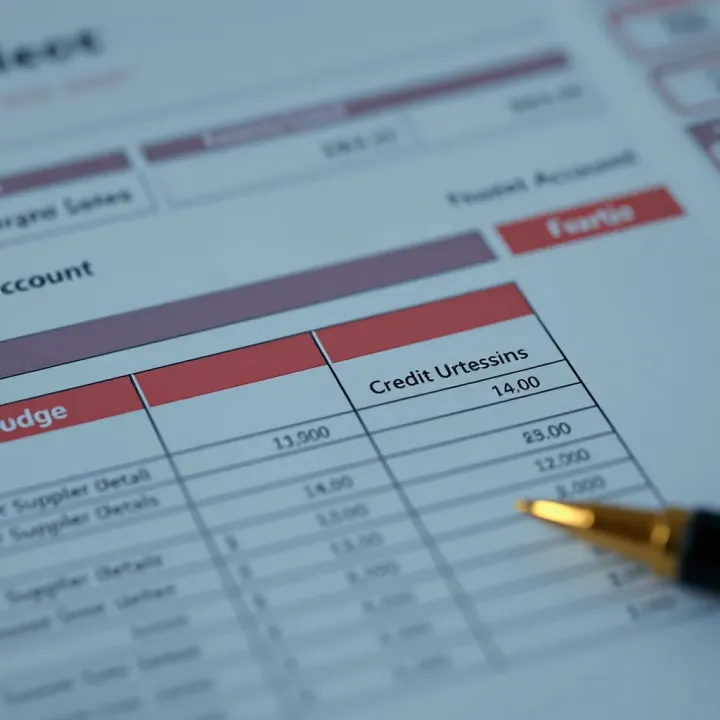
Managing cash flow remains a major challenge for many Nigerian entrepreneurs, often due to inconsistent revenue streams or delayed customer payments. Trade accounts ease this pressure by letting businesses buy stock or services on credit, postponing payments to suppliers. For example, a garment trader in Lagos might secure a trade account with a wholesaler, allowing them to stock up on fabrics ahead of the busy season without depleting cash reserves.
This flexibility means businesses can keep operations running even when sales fluctuate. It also reduces the need for costly short-term loans, which often come with high interest rates from informal lenders or microfinance banks. Furthermore, by aligning payments with sales cycles, entrepreneurs maintain liquidity for essential expenses like rent, staff salaries, or utility bills.
Good cash flow management via trade accounts can be the difference between surviving lean times and closing shop early.
Trade accounts help businesses establish a credit history, which is crucial in Nigeria's dynamic commercial environment where access to credit can be limited. Timely settlements on trade accounts build a positive reputation with suppliers, opening doors for better terms such as higher credit limits or discounts. For instance, a food distribution company regularly paying on trade terms with its suppliers may negotiate longer payment periods or priority delivery.
Strong supplier relationships also provide more than credit advantages—they can lead to insider information on market trends, early access to new products, or co-marketing opportunities. In sectors like manufacturing or agro-processing, this cooperation can enhance product quality and reliability.
Building such credibility often outweighs the benefits of cash-only deals, especially when scaling up. Over time, a solid trade credit profile may also ease access to formal financing from banks or fintech platforms, which review payment histories to assess risk.
In summary, using trade accounts optimally gives Nigerian entrepreneurs the breathing room to manage cash flow efficiently while nurturing vital supplier ties that support business growth. It's a practical tool that adds both financial and strategic value in Nigeria's commercial ecosystem.
Setting up and managing a trade account effectively is essential for Nigerian businesses aiming to optimise cash flow and strengthen supplier ties. A well-maintained trade account allows a company to purchase goods on credit, reducing immediate cash outflows and creating room to focus capital on other operations. But starting it off right and keeping it in good order requires clear understanding of the necessary steps and ongoing discipline.
To open a trade account with suppliers, businesses generally must provide specific documentation to prove legitimacy and creditworthiness. This usually includes:
Company registration papers (CAC Certificate): Verifies business authenticity.
Tax Identification Number (TIN): Shows the business is registered with FIRS for tax purposes.
Bank statements: Typically covering the last six months to demonstrate financial stability.
Trade references or credit history: Evidence from other suppliers or financial institutions about your payment behaviour.
Identification of authorised signatories: To ensure proper management and accountability.
For example, a Lagos-based garment maker seeking a trade account with a fabric supplier must submit their CAC registration and TIN alongside recent bank statements. They may also present references from previous suppliers like a plastics wholesaler where they've maintained a credit line successfully.
Clear and complete documentation speeds up account approval and sets a professional tone with suppliers.
Sustaining a positive relationship with suppliers is key to keeping a trade account in good standing. Consider these practical tips:
Pay on or before agreed due dates: Late payments strain trust and may lead to tightening of credit limits. Meeting deadlines signals reliability.
Communicate openly: Inform suppliers promptly if you anticipate any issues with payments or orders. Transparency fosters goodwill.
Keep order volumes consistent: Sudden erratic ordering can upset suppliers’ inventory planning. Regular, predictable purchases develop mutual confidence.
Negotiate credit terms periodically: Revisit terms like payment periods or credit limits especially when your business grows to avoid constraints.
Maintain clear records: Track invoices, payments, and correspondence accurately to avoid disputes and confusion.
A popular Lagos electronics retailer, for instance, saw their trade credit reduced after repeated late payments. By improving their payment discipline and maintaining open dialogue, they restored supplier confidence and extended their credit terms.
Managing a trade account is not just about documentation but keeping relationships alive through respect and professionalism. Good standing with suppliers equals better credit terms and business growth opportunities.
In sum, setting up a trade account with proper documentation and managing it through timely payments, ongoing communication, and consistent business behaviour ensures Nigerian businesses can tap into credit lines that boost operations without jeopardising supplier partnerships.
Trade accounts carry significant benefits for Nigerian businesses, but not without challenges that can disrupt operations and finances. Understanding these common pitfalls and how to handle them ensures you maintain good supplier relationships and protect your business's cash flow.
Late payments are a frequent issue that can stall the entire supply chain. When customers delay payment, suppliers might withhold future goods, creating a domino effect. Nigerian entrepreneurs often face this during ember months when cash flow tightens and payment cycles slow down.
To manage late payments, establish clear credit terms upfront, specifying deadlines and penalties. For example, a Lagos-based textile trader might agree with suppliers on payment within 30 days, with a 5% late fee after that period. Keeping detailed records helps resolve disputes efficiently, avoiding unnecessary strain.
Disputes often arise from misunderstandings over quantity, quality, or invoicing. Prompt communication is key. When a disagreement occurs, review the original contract and communicate openly with suppliers. For instance, if a wholesaler receives fewer bags of rice than ordered, sorting this quickly by checking delivery notes prevents escalation. It might also help to have an agreed dispute resolution process—like mediation—clearly stated when setting up the trade account.
Credit limits exist to protect suppliers from overextending themselves, but they can also limit business growth if managed poorly. Exceeding your credit limit might risk account suspension or damage your reputation.
Managing these limits requires accurate forecasting of your purchasing needs and cash flow. A small electronics reseller in Abuja might track sales trends monthly to avoid surpassing their ₦2 million credit limit unexpectedly. Staying within this boundary builds trust, which may lead to higher limits over time.
Credit risk also comes from fluctuating naira exchange rates, especially for businesses importing goods. Sudden currency devaluation can increase costs, making repayment harder. Mitigating this risk involves negotiating a mix of payments in naira and foreign currency or locking in prices through agreements.
Effective handling of these challenges protects your trade account’s integrity and keeps business relationships solid, which is crucial for long-term success.
In summary, avoid late payments and disputes through clear terms, prompt communication, and proper record-keeping. Manage credit limits wisely by forecasting needs and understanding risks posed by Nigeria’s economic environment. This approach will maintain your access to trade credit, helping your business thrive in a competitive market.
Trade accounts in Nigeria operate within a regulatory framework designed to protect businesses and maintain financial order. Understanding these regulations helps Nigerian businesses avoid legal pitfalls and build trust with suppliers and creditors. Compliance ensures smoother transactions, reduces the risks associated with credit defaults, and supports overall business growth.
The foremost legal framework governing trade accounts in Nigeria includes the Companies and Allied Matters Act (CAMA) and the Nigerian Contract Law. CAMA outlines corporate governance and the registration requirements for businesses, which influence how trade accounts are opened and maintained. Contract law, on the other hand, provides the foundation for credit agreements between businesses and suppliers, ensuring that terms like repayment schedules and penalties are enforceable.
Financial policies from the Central Bank of Nigeria (CBN) also shape trade account practices. For instance, CBN guidelines on lending and credit risk management indirectly affect businesses extending trade credit. The CBN’s monetary policy rate influences interest rates banks charge, impacting the cost of financing trade account transactions. Additionally, regulations requiring businesses to validate customer identities through Bank Verification Numbers (BVN) aid in reducing fraud risk in credit dealings.
Compliance with these frameworks is not just a box-ticking exercise; it safeguards your business from legal disputes and financial losses that can derail growth.
Several regulatory bodies oversee aspects of trade account usage in Nigeria. Besides the CBN, the Securities and Exchange Commission (SEC) regulates larger businesses and capital transactions, ensuring transparency in financial reporting related to credit. The Economic and Financial Crimes Commission (EFCC) steps in where fraudulent trade practices occur, protecting businesses from scams and deceptive credit schemes.
The Nigerian Customs Service (NCS) is relevant when trade accounts involve imported goods, ensuring compliance with import duties and customs regulations. Meanwhile, agencies like the Corporate Affairs Commission (CAC) confirm the legitimacy of businesses when setting up trade accounts.
From a practical perspective, knowing these agencies play a role means businesses should maintain proper documentation, follow due processes when extending or receiving trade credit, and stay updated on regulatory changes. This approach avoids disruptions such as frozen accounts or penalties, common when regulations are breached.
In summary, effective management of trade accounts in Nigeria requires not only good business practices but also adherence to legal and regulatory guidelines. This foundation supports trust, mitigates risks, and enables Nigerian traders and investors to engage with suppliers confidently and securely.
Explore binary trade in Nigeria 📊: Learn how it works, discover key strategies, understand risks & benefits, plus vital Nigerian regulations to trade smartly.
Explore Binary.com for Nigerian traders 🇳🇬: Learn about account setup, trading options, interface tips, and regulatory info to trade smartly and safely 📈💡

Learn how binary accounts work in trading, their pros, risks, and tips for managing them safely in Nigeria 🇳🇬📊💡 Get informed before you trade!

Explore Deriv's trading platforms, account types, security, and tips tailored for Nigerian users 🇳🇬. Learn how to trade confidently and navigate its features safely 📈💼.
Based on 14 reviews