
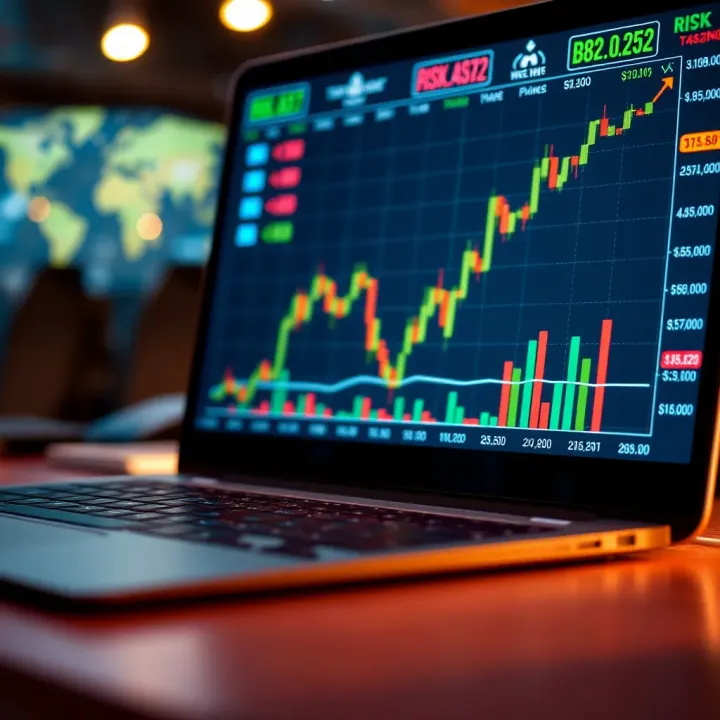
Online Trading in Nigeria: A Practical Guide
Discover how to trade online in Nigeria 🇳🇬! Learn top platforms, smart strategies, risk management, and local regulations to boost your ₦ profits safely 📈💡.
Edited By
Emily Foster
Bitcoin has steadily grown in popularity among Nigerians looking for alternative financial tools outside the traditional banking system. At its core, Bitcoin is a digital currency that operates without a central bank, relying instead on blockchain technology to secure transactions and control supply.
Unlike the naira, Bitcoin transactions do not depend on intermediaries such as banks or payment processors. Instead, users send or receive Bitcoin directly between wallets using cryptographic keys. This decentralised design appeals to many Nigerians facing challenges like limited banking access, naira depreciation, or high remittance costs.
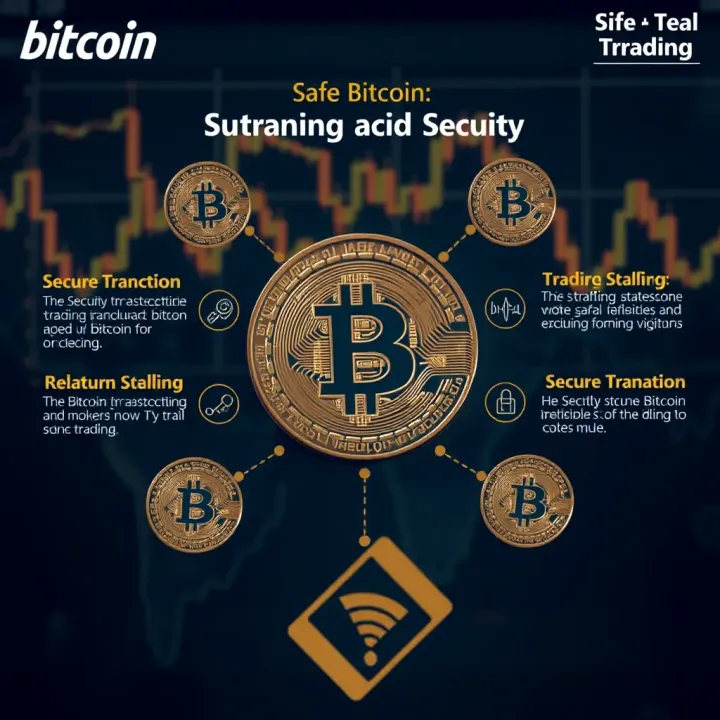
To get started with Bitcoin in Nigeria, you generally need to:
Create a digital wallet via trusted platforms like Binance, Luno, or native apps like Bundle
Fund your wallet with naira through approved methods such as bank transfers or USSD payment codes
Use a cryptocurrency exchange to buy Bitcoin at market rates
It's important to grasp the volatility associated with Bitcoin. Prices can swing widely within hours, impacting investments and trade. For instance, Bitcoin's price fluctuated by over 20% during some weeks in 2023, reminding investors to approach it cautiously.
While Bitcoin offers opportunities for profit and financial inclusion, its risks from price volatility and security demand careful attention.
Practically, Bitcoin lets Nigerians send and receive funds across borders without hefty fees. If you’re working abroad or dealing with businesses overseas, Bitcoin can be a cheaper, faster alternative to traditional remittances.
Still, before diving in, ensure you understand the legal position in Nigeria. The Central Bank of Nigeria (CBN) restricts financial institutions from facilitating cryptocurrency payments, but owning and trading Bitcoin remains legal for individuals. Knowing these boundaries helps avoid regulatory pitfalls.
In sum, Bitcoin combines technology, finance, and trust in a way that challenges conventional money. For Nigerians, it presents a mix of promise and caution, requiring informed decisions, secure handling, and practical knowledge to make the most of this digital currency.
Bitcoin is digital money that exists without the need for a central bank or government. In Nigeria, where banking access remains limited for many, Bitcoin offers a way to move and store value using just a smartphone and internet connection. Understanding how Bitcoin actually works is essential for traders, investors, and financial professionals who want to navigate this new asset safely and profitably.
Think of Bitcoin like digital cash you can send to anyone, anywhere, without involving banks or other middlemen. Unlike the naira, which depends on banks or payment processors, Bitcoin operates on a peer-to-peer network. For example, if you want to pay for a subscription to a software service that does not accept naira, Bitcoin enables payment with no currency conversion delays or exchange fees involved. However, unlike physical cash, Bitcoin transactions leave a permanent record on the network, giving transparency to users.
The technology behind Bitcoin is called blockchain—a public digital ledger that records every Bitcoin transaction ever made. Imagine if every naira transaction in Nigeria was recorded on a giant notebook everyone trusts and can see anytime. This ledger is maintained across thousands of computers worldwide, making it almost impossible to alter past transactions. This decentralisation prevents fraud and builds trust among users without needing a single authority, which is different from how Nigeria’s banks operate.
Mining is the process that keeps the Bitcoin network running smoothly. Miners use powerful computers to solve complex mathematical problems that validate transactions and bundle them into blocks on the blockchain. For instance, when a Nigerian trader sends Bitcoin to a vendor, miners confirm the transaction and add it to the blockchain, ensuring it’s legitimate. As a reward, miners receive new bitcoins, which also introduces fresh currency into circulation. This system ensures security and prevents double spending, making Bitcoin resistant to fraud and counterfeit.
Understanding these foundational elements helps you grasp why Bitcoin is more than just a currency; it’s a way to handle money that could reshape financial dealings in Nigeria and beyond.
Knowing this, investors and finance pros can better evaluate the practical use cases and risks of Bitcoin, especially in Nigeria’s evolving economy and regulatory environment.
Starting with Bitcoin in Nigeria means understanding how to access, store, and trade the digital currency safely within the local context. Given Nigeria's growing interest in cryptocurrencies, knowing where and how to buy or sell Bitcoin is crucial. Nigerians face unique challenges like regulatory uncertainties and currency volatility, so practical knowledge about using Bitcoin effectively can offer real financial alternatives.
Local crypto exchanges such as BuyCoins and Bundle provide a straightforward platform for buying and selling Bitcoin within Nigeria. These platforms allow users to trade Bitcoin directly with naira, making transactions quick and convenient. For example, you can fund your account via mobile banking or USSD codes, then buy Bitcoin at competitive rates without the hassle of converting currencies first.
These exchanges also tend to cater to Nigerian users with familiar payment options and customer support in Nigerian Pidgin or English. That said, always check their security measures and user reviews, as these are crucial to avoid scams.
Peer-to-peer (P2P) platforms connect buyers and sellers directly. This method is quite popular in Nigeria due to its flexibility and the ability to negotiate prices. A typical scenario could involve agreeing on payment via bank transfer, then the seller releases Bitcoin once payment clears. Platforms like Paxful and LocalBitcoins operate this way, giving Nigerians more control over trades.
However, P2P trading demands caution. It’s essential to verify counterparties and use platforms that hold Bitcoin in escrow until both sides fulfil their obligations. This reduces fraud risk, which is sadly common in informal trading environments.
Some Nigerians prefer international platforms like Binance or Coinbase because they offer larger liquidity and diverse trading pairs. Accessing these platforms usually requires Nigerian users to complete KYC (Know Your Customer) checks and use international payment options.
While international exchanges offer advanced features and global market exposure, dealing with currency conversion and withdrawal restrictions to local bank accounts can complicate things. Still, for experienced investors seeking trading volume, global exchanges remain a popular choice.
Choosing the right wallet is vital for managing Bitcoin safely. Hot wallets are connected online and enable quick access to Bitcoin, ideal for traders who make frequent transactions. Examples include mobile apps or web-based wallets. Although convenient, they are more vulnerable to hacks.
Cold wallets, on the other hand, store Bitcoin offline on physical devices like hardware wallets. This offers stronger protection against theft but limits instant accessibility. For instance, keeping a Ledger or Trezor device offline shields your funds from internet attacks, an important factor given Nigeria's evolving cybercrime landscape.
Given power outages and internet challenges in Nigeria, wallet choice should factor in usability under such conditions. Mobile wallets with offline capabilities or those that store backup phrases securely are preferable.
Many Nigerians opt for wallets supporting local languages and simple interfaces, like Trust Wallet or Luno. These wallets also integrate with local exchanges, easing the transfer process. Above all, back up your wallet’s private keys carefully—losing access means losing Bitcoin forever.
Starting with Bitcoin in Nigeria calls for a mix of practical knowledge and cautious security practices. Whether using local exchanges or storing Bitcoin in wallets, informed decisions can protect your investment and improve your experience.
Bitcoin offers several advantages that resonate strongly with Nigerians, especially given the country's economic and financial realities. Understanding these benefits helps traders, investors, and finance professionals see how Bitcoin fits into the Nigerian financial ecosystem.
Many Nigerians remain unbanked or underbanked due to factors like limited branch networks and stringent documentation demands. Bitcoin provides an alternative by enabling anyone with a smartphone and internet access to send, receive, and store value without relying on traditional banks. For example, traders in remote areas or those running small businesses, like a mama put, can use Bitcoin to accept payments from customers locally or abroad. This inclusiveness is especially vital in regions where banks are scarce or where opening an account is cumbersome.
Cross-border transactions through banks or money transfer operators often come with high fees and long wait times. Bitcoin enables direct peer-to-peer transfers globally, cutting out intermediaries and reducing costs. Nigerians with relatives overseas, for instance, can receive remittances through Bitcoin faster and for a fraction of typical charges by companies like Western Union. Similarly, importers can pay suppliers abroad using Bitcoin, avoiding expensive forex fees and delays linked to the naira’s fluctuating exchange rate.
The naira has experienced notable volatility and depreciation against major currencies, affecting Nigerians’ purchasing power. By holding Bitcoin, which often rises in value relative to the naira, individuals and businesses can hedge against local currency depreciation. For instance, exporters receiving payments in naira can convert part of their earnings into Bitcoin to preserve value, particularly during periods of exchange rate instability or inflation. However, it’s important to remember Bitcoin itself is volatile, so managing risks carefully is essential.
Bitcoin's potential to expand financial access, simplify international payments, and offer a hedge against local currency challenges makes it highly relevant for Nigerians today.
By weighing these benefits, Nigerian traders and investors can make informed decisions about adding Bitcoin to their portfolios or payment options, adapting to the country's unique financial landscape.
Using Bitcoin in Nigeria offers exciting possibilities but also comes with real risks and challenges. It matters especially because many Nigerians may be new to cryptocurrencies, and the landscape is still quite unsettled. Knowing what to watch out for helps protect your money and avoid costly mistakes.
Bitcoin prices can swing wildly in short periods. For example, ₦20 million worth of Bitcoin could plunge to ₦12 million within weeks or shoot up to ₦30 million just as fast. This unpredictability means investing a large sum without preparation can quickly erode your capital. Many inexperienced traders jumped in during the 2021 boom but faced heavy losses when prices fell. It’s essential to invest only what you can afford to lose and resist chasing quick profits amid volatile markets.
Nigeria’s regulatory stance on Bitcoin remains unclear. The Central Bank of Nigeria (CBN) banned banks from facilitating crypto transactions in early 2021, causing many platforms to face disruptions. However, there is no outright ban on owning or trading Bitcoin by individuals. This grey area can expose users to unexpected legal complications or difficulties accessing funds. For instance, some exchanges may suddenly suspend Naira withdrawals due to pressure from authorities. Traders need to stay alert to evolving regulations and use platforms with solid reputations.
Bitcoin’s rising popularity has attracted scams targeting Nigerians. Ponzi schemes promising unrealistic returns have burnt many wallets. A typical scam involves fake investment platforms or influencers urging people to send Bitcoin with promises of doubling or tripling the money quickly. Another common trick is phishing emails or fake apps that steal login details and drain wallets. These scams thrive because Bitcoin transactions are irreversible, so lost funds are nearly impossible to recover.
Securing your Bitcoin starts by choosing trusted wallets and exchanges with strong security features. Use hardware wallets or reputable mobile wallets that offer two-factor authentication (2FA). Avoid storing large amounts on hot wallets connected to the internet. Also, be cautious when sharing your wallet information; never disclose private keys to anyone. Regularly update your devices and software to protect against malware and hackers. Being vigilant and informed can drastically reduce the risk of theft or fraud.
Remember, understanding these risks upfront equips you to make smarter, safer decisions when dealing with Bitcoin in Nigeria.
Using Bitcoin securely is not just advisable — it’s necessary, especially given the growing number of scams in Nigeria’s crypto space. With increasing awareness, many Nigerians have begun trading or investing in Bitcoin, but a lack of proper security practices can lead to irreversible losses. Being responsible means protecting your assets, respecting legal obligations, and staying informed about best practices.
Two-factor authentication adds an extra layer of security by requiring a second piece of information apart from your password, such as a code sent to your phone. This simple step drastically reduces the chance of unauthorised access. For example, if someone hacks into your email or password, they still won’t get into your account without that code.
Many Nigerian crypto exchanges like BuyCoins and Bundle provide 2FA options using apps like Google Authenticator or SMS codes. It’s wise to enable 2FA on every platform holding your Bitcoin or personal data. Skipping this can be compared to leaving your front door unlocked in a high-risk neighbourhood — it just invites trouble.
Public Wi-Fi networks at places like cafes or malls are tempting, but they are a common way hackers intercept sensitive data. Conducting Bitcoin transactions or accessing your wallet on public networks puts your funds at risk.
Instead, use a personal, secure internet connection or a trusted VPN to encrypt your data. Consider this like crossing a busy highway — you wouldn’t do it blindfolded. In Nigeria, where public Wi-Fi security is often weak, this precaution prevents cybercriminals from stealing your login credentials or private keys.
The Nigerian government, particularly the Federal Inland Revenue Service (FIRS), hasn’t issued very detailed tax rules for cryptocurrency yet. However, income or gains from Bitcoin trading or investment are generally considered taxable under Nigerian law as capital gains or business income.
If you trade Bitcoin frequently or use it as part of a business, you should expect to declare profits and pay income tax accordingly. For investors holding Bitcoin long-term, gains realised at sale or exchange may attract capital gains tax. Keeping thorough records of all transactions, including wallet addresses, dates, and amounts, is essential for accurate tax filings. Ignoring tax responsibilities could lead to penalties or complications down the line.
Practising safe Bitcoin use in Nigeria means guarding your wallet with strong security, avoiding risky network habits, and staying on the right side of tax laws. This approach protects your investments and promotes confidence in the emerging crypto economy here.
Discover how to trade online in Nigeria 🇳🇬! Learn top platforms, smart strategies, risk management, and local regulations to boost your ₦ profits safely 📈💡.
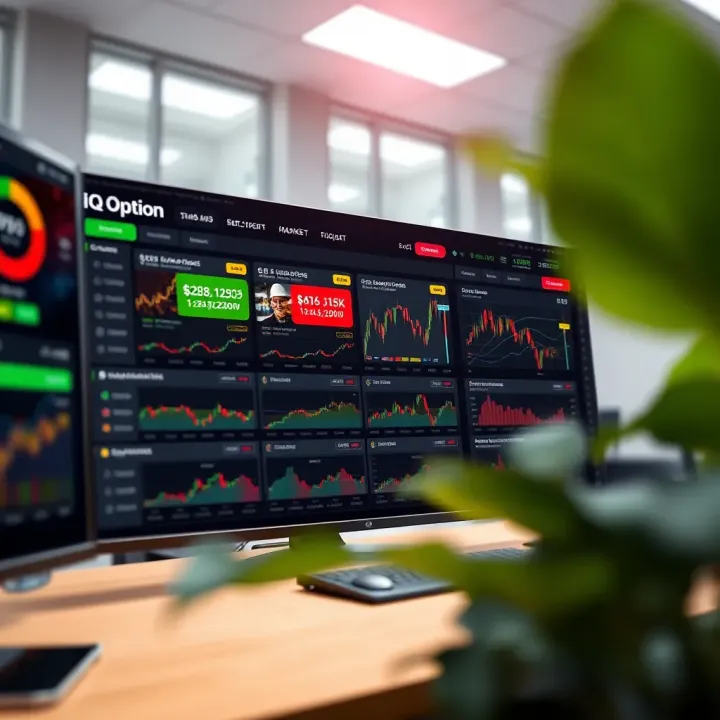
Explore IQ Option with this in-depth guide! Learn how to register, trade different assets, master strategies, and stay safe while trading in Nigeria 🇳🇬📊💡
🔍 Understand how today's Tapswap code powers contactless payments in Nigeria, its security features, practical tips, and what businesses must know for smooth transactions.
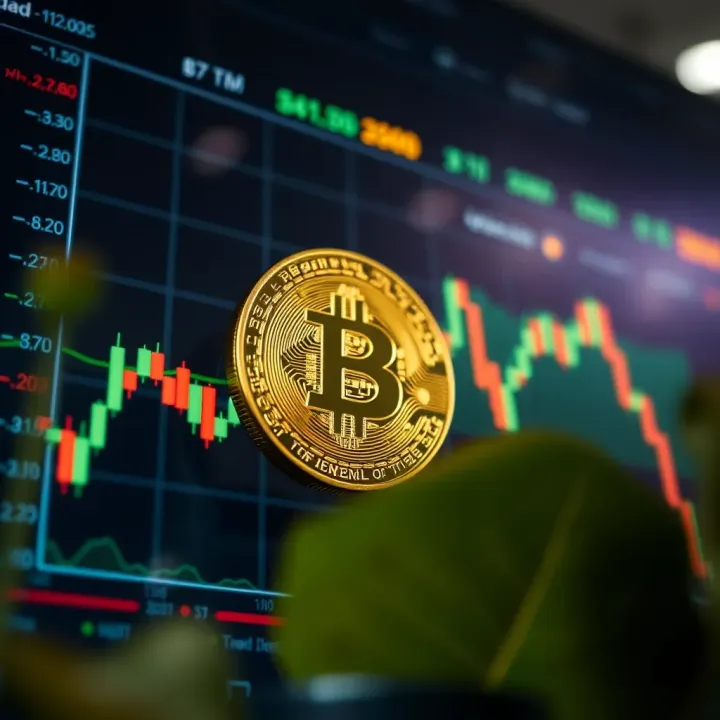
📈 Explore fresh Bitcoin market trends and forecasts shaping ₦ investments in Nigeria. Understand local regulations, economic hits, and risks ahead for smart crypto moves.
Based on 10 reviews