
Understanding Today's Gemz Daily Code in Nigeria
🎮 Discover the Gemz daily code for today, how to grab yours, tips for winning, and why Nigerian players trust it. Stay updated and win more every day! 💡
Edited By
Amelia Scott
Tapswap code has become a key player in Nigeria's contactless payment scene. As cashless transactions gain traction, this technology offers a simple yet effective way to pay using digital methods without the need for physical cards or cash.
At its core, the Tapswap code is a digital payment method designed for fast and secure exchanges. It works by linking the user's bank account, e-wallet, or payment platform to a scannable or tappable code displayed on a smartphone or printed material. When the code is scanned, the payment request is sent instantly, making it an ideal tool for merchants, traders, and customers who want quick and seamless payment options.
In Nigerian markets, from busy Lagos malls to roadside mama put stalls, Tapswap codes help merchants accept payments swiftly. For instance, a trader might display a Tapswap-generated QR code at their stall. Customers scan the code with their mobile banking or fintech apps like GTBank, OPay, or Flutterwave, then approve the transaction in seconds. This cuts down waiting time and reduces cash handling risks.
The security dimension of Tapswap codes is vital. These codes are usually dynamic, changing after every transaction or after a brief period. This makes it hard for fraudsters to reuse codes or intercept payments. Also, encryption protocols protect transaction data, aligning with the standards set by the Nigeria Inter-Bank Settlement System (NIBSS) and the Central Bank of Nigeria (CBN).
Businesses and users should always confirm that their payment apps support Tapswap codes and that QR codes displayed are legitimate to avoid scams.
For payment professionals, understanding Tapswap codes goes beyond usage—it means recognising their role in financial inclusion and digital innovation across Nigeria. Keeping up with this technology can provide businesses an edge, especially during high traffic seasons or ember months when cash circulation is erratic.
In the sections ahead, we'll examine how Tapswap codes function technically, common troubleshooting tips, and the evolving trends shaping Nigeria's contactless payments landscape. With that knowledge, you’ll be well-prepared to maximise Tapswap's benefits whether you’re a trader, investor, or analyst navigating Nigeria’s fintech space.
Understanding the Tapswap code is key for traders, investors, and finance professionals who want to navigate Nigeria's evolving payment landscape. This code underpins a contactless payment method that speeds up transactions while reducing physical contact—vital for fast-paced marketplaces and informal sectors where quick exchanges matter. It works by encoding transaction information into a digital code that can be scanned or tapped, making payments smoother for both consumers and merchants.
Overview of Tapswap technology
Tapswap code is a dynamic, digitally generated code used to enable contactless payments. Unlike traditional cards or cash, this technology allows mobile devices or payment terminals to communicate payment details wirelessly through near-field communication (NFC) or QR scanning. For example, a mama put in Lagos can display a Tapswap code on a device or printed slip, letting customers scan and pay without any cash exchange or physical POS interaction. This technology supports faster flows and better hygiene, especially necessary during the ember months when markets are bustling.
Comparison with other contactless methods
Unlike NFC-only payments that require tapping phones or cards on terminals, Tapswap codes can be scanned even by phones without NFC capabilities. QR codes, for instance, are common in e-wallet apps like OPay and PalmPay, where users scan to pay or receive money. However, Tapswap codes often combine QR and dynamic token elements, providing a back-end verification that reduces fraud risks compared to static QR codes or simple barcode scans. This blend makes Tapswap both flexible and more secure in Nigeria’s mixed-tech markets.
Behind the scenes: code generation process
The generation of a Tapswap code happens when a transaction is initiated in a payment app or system. The software creates a unique, encrypted code that contains information such as merchant ID, transaction amount, and timestamp. This code updates frequently to prevent reuse, protecting both parties. Think of it like a dynamic password that changes every time a payment is needed. Nigerian fintech platforms like Paystack and Flutterwave have integrated similar encryption protocols to safeguard users during each transaction.
Typical use cases in everyday transactions
Tapswap finds its place in various real-life scenarios: a trader at a crowded market can quickly generate and show the code for buyers to scan and pay instantly; transport operators like okada riders might use Tapswap to receive fares without fumbling for cash; small retailers without POS terminals rely on Tapswap to accept digital payments easily. The practicality is clear—transactions become instantaneous, reducing queues and minimizing handling of cash, which is vulnerable to theft or counterfeit risks.
The Tapswap code cuts across the formal and informal sectors, enabling faster, safer payments while bridging technology gaps among users with different device capabilities.
Tapswap code works via dynamic, encrypted digital codes for contactless payments
It is more versatile than NFC-only methods, allowing scanning on a wider range of devices
The code generation process ties each transaction to a unique, temporary code enhancing security
Everyday use spans markets, transport fares, and small retailers adapting to Nigeria’s vibrant cash-lite economy
By grasping how the Tapswap code functions, traders and finance professionals can better position themselves to leverage this payment shift for smoother operations and stronger customer trust.
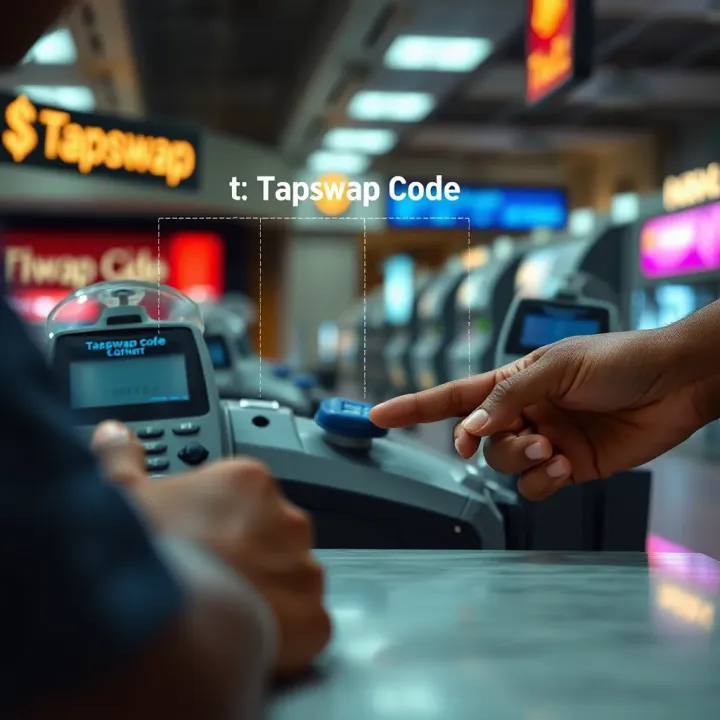
Tapswap code has quickly carved a niche in Nigeria's bustling payment landscape. As contactless payment grows in demand, this tech brings convenience and speed, especially in a country where cash still dominates but digital payments continue to expand. The Tapswap code simplifies transactions, helping businesses and consumers move money without queues or physical cards.
Several sectors in Nigeria have embraced Tapswap codes due to their ease of use and minimal infrastructure needs. Retail outlets, from supermarkets in Lagos to roadside markets in Kano, use Tapswap to speed up payment collection. Transport sectors like okada and keke napep operators increasingly accept Tapswap codes, providing a safer, cashless alternative for fares.
For small-scale retailers and informal traders, Tapswap codes offer an affordable entry into digital payments without costly POS terminals. A mama put in Oshodi, for example, can generate a simple Tapswap code using her smartphone, allowing customers to pay digitally with minimal fuss. This cuts down on handling cash, reduces theft risk, and appeals to tech-savvy customers who prefer cashless options. Moreover, it helps informal traders track sales digitally, something previously difficult without advanced bookkeeping.
Nigerian fintech firms are fast incorporating Tapswap codes into their apps to boost payment options. Fintech platforms such as OPay, PalmPay, and Kuda have embedded Tapswap code generation and scanning directly within their mobile wallets. This integration means users can initiate quick payments or request money without leaving the app, streamlining the transaction process.
For example, OPay’s app supports Tapswap codes for bill payments and peer-to-peer transfers, adding a layer of contactless convenience. PalmPay also promotes Tapswap for merchants to receive payments instantly, while Kuda helps small businesses adopt Tapswap codes to speed up sales. These platforms’ support has accelerated Tapswap’s penetration, especially among younger users who rely mainly on smartphones.
The growing use of Tapswap codes in the Nigerian payment ecosystem highlights the shift towards digital, contactless transactions that suit merchants large and small, alongside the unbanked and underbanked population.
With this trend, Tapswap is set to become a fundamental tool for businesses and consumers seeking swift, secure, and affordable payment methods in Nigeria’s evolving financial ecosystem.
Security remains a top priority as more Nigerians adopt Tapswap codes for contactless payments. These codes simplify transactions but also present risks if not well protected. Understanding these risks and how technology manages them helps traders, investors, and finance professionals make confident use of Tapswap.
Potential fraud scenarios often stem from unauthorised access to Tapswap codes, especially when users share QR codes or payment links openly. For instance, in crowded markets or busy okada stands, a fraudulent actor could intercept or clone a displayed code. Such activity can lead to unauthorised charges or data theft, impacting both merchants and customers. Also, social engineering remains a risk: scammers might impersonate support agents to trick users into revealing one-time codes or BVN-linked details.
Payment providers and fintech platforms use several tools to tackle these risks. The key lies in encryption and verification methods. Each Tapswap code is generated with dynamic encryption that changes frequently, making cloned codes useless almost immediately. Moreover, verification processes involve multi-factor authentication, linking code use directly to registered mobile numbers or bank accounts. This way, even if a code is copied, unauthorised transactions get blocked unless the fraudster passes these layers. For example, some platforms prompt biometrics or PIN entry before completing a payment.
To stay safe, users should follow tips for safe usage such as never sharing Tapswap codes on public platforms or social media. When paying at mama put stalls or small retailers, avoid letting others scan the code from a distance. It’s best to confirm transactions immediately via notification alerts on your phone or bank app. Also, regularly updating your fintech apps reduces vulnerability from outdated security features.
Recognising and avoiding scams is crucial. Be wary of unsolicited messages asking for code details or urging urgent payments. Genuine providers will not request sensitive data through SMS or WhatsApp. If an offer sounds too good or involves strange links, it likely is a scam. Legitimate Tapswap users should verify merchant identities by checking official app listings or using secure platforms like Paystack or Flutterwave. Staying alert limits exposure to fraud and protects your funds.
Security with Tapswap codes depends as much on your caution as on technology safeguards. Always handle codes with care and verify before approving payments.
Adopting these practices helps Nigerian businesses and individuals use Tapswap confidently, aiding the growth of a robust contactless payment environment.
Understanding how to troubleshoot problems with Tapswap codes is vital for traders and finance professionals relying on smooth, contactless payments. When transactions fail or devices don’t recognise codes, users lose time and money. Troubleshooting ensures quick resolution, helping maintain trust between customers and businesses.
Failed transactions and error messages commonly occur due to network interruptions, incorrect code entry, or expired codes. For example, a mama put operator might scan a Tapswap code, but if the customer’s phone network is unstable, the transaction could fail without clear explanation. Error messages sometimes display vague information like "Transaction failed" without specifying details, leaving users confused. These issues matter because delays hold up sales and frustrate both buyer and seller.
Device compatibility issues also present challenges. Not all smartphones or point-of-sale terminals fully support the latest Tapswap code standards. Some older Android devices in use across Lagos markets may struggle to scan or generate these codes accurately. Similarly, certain POS devices might require software updates to process Tapswap payments. When devices aren’t compatible, businesses risk losing customers who prefer faster, tap-and-go payment options.
Restarting applications and devices is often the first practical step. Closing and reopening the payment or fintech app can clear glitches causing code display or scanning errors. If that fails, a quick device reboot resets background processes, network connections, and system functions. For instance, a trader using a smartphone app for Tapswap might fix a frozen QR code display by restarting the phone, enabling them to complete sales sooner.
Contacting customer support is critical when issues persist beyond simple fixes. Reputable Nigerian fintech platforms maintain dedicated support teams reachable through apps or call centres. Getting help quickly prevents prolonged downtime and may uncover system-wide bugs needing patches. When a trader encounters repeated code recognition failures despite rebooting, reaching out to support often results in step-by-step guidance or notification of service updates affecting payments.
Troubleshooting Tapswap problems efficiently directly impacts business confidence and customer satisfaction, especially where quick transactions are indispensable.
In summary, knowing common Tapswap challenges and how to tackle them enables businesses to maintain steady operation. Restarting devices and prompt support contact are key practical steps that avoid costly delays and grow consumer trust in contactless payment systems.
Contactless payment systems like the Tapswap code are becoming part of everyday life in Nigeria, reshaping how consumers and businesses exchange value. Understanding what lies ahead helps traders, investors, and finance professionals position themselves to benefit from new opportunities and tackle possible challenges.
The COVID-19 pandemic accelerated a shift in consumer behaviour across Nigeria. People became wary of cash handling due to hygiene concerns, pushing many to embrace digital payments and contactless methods such as Tapswap codes. This behavioural change has become a lasting pattern, with more Nigerians preferring quick, touch-free transactions at markets, malls, and even mama puts.
For example, many Lagos residents now routinely use Tapswap codes at local supermarkets and food vendors, reducing the need for physical banknotes and speeding up queues. This trend is especially pronounced among younger shoppers who had previously been hesitant about digital wallets but now see them as practical and safe.
Mobile money and digital wallets play an increasingly vital role in this contactless ecosystem. Platforms like Paga, OPay, and PalmPay integrate Tapswap technology to enable customers to pay instantly without cards or cash. These wallets link to users’ bank accounts, allowing seamless transfers and making it easier for merchants to receive payments directly to their accounts.
Aside from ease, mobile wallets offer budget tracking and spending insights, which help users manage their finances better. Traders benefit by reducing cash float requirements and minimizing theft risks during ember months when cash handling spikes.
Security remains a top priority as Tapswap gains traction. Future iterations will likely implement enhanced encryption protocols and biometric authentication. For instance, integrating fingerprint or facial recognition with the Tapswap code could cut down fraud risks significantly compared to PIN-only verification.
Such improvements would reassure consumers and especially businesses handling large volumes daily. For example, petrol stations in Abuja and Lagos might adopt these enhancements to secure high-value transactions, aligning with CBN regulations on payment safety.
Greater interoperability between Tapswap codes, Nigerian banks, and POS terminals is also on the horizon. Currently, some merchants face challenges accepting all digital payment forms due to compatibility issues with existing hardware.
The next-generation Tapswap system might standardise APIs that connect seamlessly with various banking apps and POS devices. This would benefit merchants from diverse sectors—whether retailers using standalone POS terminals or informal traders using smartphones with mobile card readers—by expanding payment acceptance without extra costs.
For investors and finance professionals, tracking these technological shifts is crucial as they directly impact customer adoption rates and operational efficiencies across Nigeria’s booming fintech landscape.
In summary, Tapswap codes will continue evolving with better security and wider acceptance, reflecting Nigeria’s dynamic payment environment and growing demand for convenient, safe digital transactions.
🎮 Discover the Gemz daily code for today, how to grab yours, tips for winning, and why Nigerian players trust it. Stay updated and win more every day! 💡
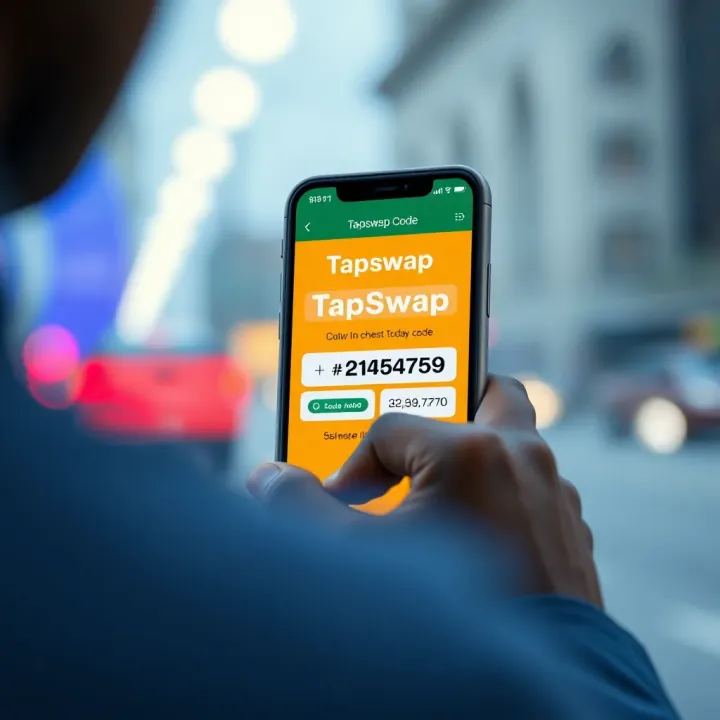
🔍 Learn how to check today’s Tapswap code easily and enjoy its benefits. Get step-by-step tips to maximise value within Nigeria’s digital world.

Explore binary trade in Nigeria 📊: Learn how it works, discover key strategies, understand risks & benefits, plus vital Nigerian regulations to trade smartly.

📈 Discover how to use a demo trading account in Nigeria to sharpen skills without risking ₦. Learn setup tips, platform guides, and how to switch to live trading smoothly.
Based on 6 reviews