
Understanding Binary Accounts in Trading
Learn how binary accounts work in trading, their pros, risks, and tips for managing them safely in Nigeria 🇳🇬📊💡 Get informed before you trade!
Edited By
Oliver Davies
A demo trading account is essential for Nigerian traders who want to sharpen their skills without risking real money. This practice account uses virtual funds, allowing you to experience real market conditions without the pressure of losing ₦. It’s like practising on a tokunbo vehicle before buying a brand-new car.
Many Nigerian traders, especially beginners, jump straight into live trading and sometimes lose significant amounts due to lack of experience. A demo account avoids this by offering a safe space to understand market dynamics, test strategies, and familiarise yourself with the trading platform.
Using a demo account helps you build confidence and reduce costly mistakes before committing real funds.
Real-time market data: Access live prices of forex, commodities, stocks, or cryptocurrencies just as in live trading.
Risk-free environment: Trade with virtual money, meaning your capital is safe regardless of the outcome.
Practice order execution: Learn how to place different types of orders (market, limit, stop-loss) and get used to platform navigation.
Testing strategies: Evaluate technical indicators or trading algorithms without financial risk.
In Nigeria, where market volatility is common and exchange rates fluctuate, demo accounts prepare you for live market conditions. Nigerian platforms like GTBank's investment services or global brokers with Nigerian support often offer these accounts. This helps you gain practical understanding before dealing with naira deposits.
Consider this: if you plan to trade on the NSE or forex markets through platforms like MT4 or MT5, practising with demo funds gives you a hands-on feel for the charts, trade timing, and risk management without losing a kobo.
Demo accounts are not just for newbies. Even experienced traders use them to test new techniques or adapt to changing markets. For Nigerian traders, this boosts readiness and helps avoid common pitfalls tied to the local economic landscape.
Taking advantage of demo trading improves your chance to grow wealth steadily rather than rushing headlong and risking capital unnecessarily. It's the first smart step towards serious trading success.
A demo trading account is essentially a practice version of a live trading account. It provides beginners and even seasoned traders a chance to experiment with different strategies in a simulated market environment without the fear of losing real money. In Nigeria, where many aspiring traders face uncertainties about market behaviour and platform navigation, having a risk-free testing ground can be invaluable.
A demo account replicates real market conditions by using virtual money and real-time price data. This setup helps you experience how trading unfolds on platforms such as MT4 or MT5, which many brokers offer. For example, if the price of USD/NGN spikes due to economic news, this change reflects in your demo account just like in a live market. The key benefit is that you engage with the market's ups and downs without financial consequences, giving room to understand order execution, spreads, and slippage firsthand.
The core appeal of demo accounts lies in their zero-risk nature. You can try out high-risk strategies, like scalping or using leverage, without worrying about draining your account. Consider a new trader in Lagos who’s interested in forex; practising on a demo account lets them learn how to open, modify, and close trades confidently before moving to real funds. This helps minimize costly mistakes when actual money is on the line.
Forex demo accounts allow you to trade currency pairs like USD/NGN, EUR/USD, or GBP/USD using virtual funds. Given that forex trading is popular in Nigeria, these accounts are commonly the starting point for many traders. They let you grasp how currency pairs fluctuate during different times of the day, especially considering Nigeria’s peak trading hours and the impact of global events like US Federal Reserve announcements.
Beyond currencies, some platforms offer demo accounts for stocks and commodities. Here, you can trade shares listed on the Nigerian Stock Exchange (NGX) or global commodities such as gold and oil. This gives investors the chance to test strategies like swing trading or hedging without risking real capital. For instance, you could try buying stocks like Dangote Cement or betting on crude oil futures virtually to see how price swings affect your portfolio.
With crypto trading gaining traction in Nigeria due to platforms like Binance and Luno, demo accounts focused on cryptocurrencies provide a useful training ground. These accounts simulate trading in assets like Bitcoin, Ethereum, or local stablecoins, letting you understand the high volatility and quick price changes without exposing your investment. Practising crypto trades virtually helps build timing skills, crucial in a market that moves fast and can surprise even seasoned traders.
Demo trading accounts tailor practical learning experiences for Nigerians, whether dabbling in forex, stocks, commodities, or crypto. They bridge the gap between theory and real-world trading, giving you confidence before committing your hard-earned naira.
Demo trading accounts offer Nigerian traders a safe space to learn and sharpen their skills without risking real money. These accounts allow users to try out trading strategies, understand market tools, and build confidence before stepping into live markets. By practising in a risk-free environment, traders reduce costly mistakes often seen in beginners.

Understanding charts and indicators is fundamental for every trader. Demo accounts let you explore different chart types—like candlestick or line charts—and essential technical indicators such as Moving Averages, RSI, and MACD. For example, a trader can observe how a 50-day moving average signals trends without worrying about loss. Getting comfortable with these tools helps you make informed decisions when real money is involved.
Testing strategies safely means you can try various approaches like scalping, trend following, or breakout trading using virtual funds. In a demo account, you might discover what works best under different market conditions before risking your ₦. For instance, a trader testing a breakout strategy on the Nigerian Stock Exchange (NGX) interface can adjust parameters without fear of financial loss. This trial-and-error process is critical to developing a robust trading plan.
Familiarisation with trading platforms is another big benefit. Nigerian brokers like FXTM, Exness, or local brokers linked to MTN Mobile Money offer demo accounts to help users navigate their platforms. Getting used to placing orders, adjusting stop-loss and take-profit levels, or using the mobile app without pressure builds confidence. When you finally add real funds, the platform feels less foreign and more manageable.
Managing emotional responses is often overlooked but vital. When practising with demo funds, a trader learns to stick to rules and avoid impulsive decisions triggered by fear or greed. This discipline can prevent rash moves once real money is at stake. For example, staying calm during a sudden market drop is easier to practice without financial stress, which improves emotional control for actual trading.
Trading with virtual funds means you can explore different markets—forex, stocks, commodities, or cryptocurrencies—without spending a dime. This removes the pressure to make immediate profits and encourages learning. A trader could try buying pairs like USD/NGN or investing in crude oil futures just for experience without worrying about losing hard-earned naira.
Avoiding losses during the learning phase is crucial. Most beginners lose money because they jump in too quickly. Demo accounts allow you to make mistakes without financial damage. This cushion buys time to develop skills and understand how markets react. For example, a trader might lose virtual funds testing a new indicator but gain insights that help avoid real losses later.
Practising on demo accounts offers Nigerian traders a no-risk environment to build skills, understand markets, and gain confidence before real investment. This foundation is critical for sustainable trading success.
By using demo accounts effectively, you reduce the stress and financial risks that come with trading, making your entry into live markets smoother and more informed.
Opening a demo trading account is a vital step for Nigerian traders aiming to sharpen their skills without risking real money. This process introduces you to trading environments and tools, preparing you to navigate live markets with confidence. The setup is straightforward but requires attention to broker credibility, personal data security, and platform choice.
Selecting a reputable broker licensed by the Nigerian Securities and Exchange Commission (SEC) or recognised international bodies like the Financial Conduct Authority (FCA) ensures your demo experience mirrors live trading standards. Such brokers comply with regulatory frameworks, which protect trader interests and ensure fair play. For instance, brokers like FXTM and Alpari operate globally with solid regulation, offering Nigerians credible demo accounts.
Using regulated brokers minimises the risk of scams and data breaches. It also guarantees that the trading platform handles orders realistically, giving you a reliable simulation to build your skills effectively.
Popular platforms in Nigeria include MetaTrader 4 (MT4), MetaTrader 5 (MT5), and cTrader. MT4 is widely favoured for its simplicity, extensive community support, and availability of expert advisors (EAs). MT5 offers enhanced features like more timeframes and better market depth, making it suitable for advanced traders.
cTrader stands out with its modern interface and unique order types useful for active forex traders. When choosing, consider which platform suits your trading style and offers a functional, user-friendly demo setup.
You will need to submit basic details such as your full name, email, phone number, and sometimes your address. The aim is to create a personalised account that the broker can manage securely. Using legitimate details avoids problems later if you decide to upgrade to a live account.
In Nigeria, data protection is important, so ensure the broker clearly states how they handle your information. A trustworthy brokerage maintains your privacy while allowing seamless demo access.
Some brokers require a simple verification, like email confirmation or phone number validation, before activating your demo account. This prevents fake registrations and keeps the trading environment secure. Unlike live accounts, demo accounts rarely demand extensive KYC (Know Your Customer) documents.
Completing verification steps quickly grants access to demo features and virtual funds, letting you start practising without delays.
Most brokers offer options to choose account types resembling their live accounts: standard, mini, or micro, each with varying lot sizes and leverage settings. Selecting one similar to your future live account aligns practice with real trading conditions.
You typically receive virtual capital – usually anywhere from ₦100,000 to ₦10 million – to trade within the demo. Pick an amount resembling your planned investment scale to develop realistic risk management habits.
Brokers often provide downloadable trading software compatible with Windows, macOS, or mobile devices. Downloading apps like MT4 or MT5 allows offline use and access to advanced tools. Alternatively, web-based platforms require no installation, letting you trade directly through your browser, which is handy with Nigeria’s occasional power and network challenges.
Choosing between software and web platforms depends on your internet stability and preference for features. Both types ensure access to demo accounts and the essential trading practice.
Opening a demo trading account well sets the foundation for a successful trading journey. Choosing trusted brokers and the right platform, while carefully completing the registration and setup, helps Nigerian traders gain real skills without risking a kobo.
By following these steps, Nigerian traders can confidently explore trading strategies in a risk-free environment, preparing adequately before stepping into live markets.
Demo trading accounts provide a valuable platform for learning, but acknowledging their limitations is essential. Understanding these constraints helps Nigerian traders set realistic expectations and prepares them for the differences they will face in live markets.
Lack of slippage and real market volatility: Demo accounts often simulate ideal market conditions without reflecting slippage, which is when the price at which an order executes differs from the expected price. For example, in the Nigerian forex market, where rates can change rapidly due to naira fluctuations or political events, a live trade might execute at a less favourable price than predicted. In contrast, demo accounts usually fill orders at displayed prices, hiding this important trading risk.
No impact of liquidity constraints: In real markets, especially during hours of low trading activity or in less liquid assets, traders might face difficulties executing large orders or encounter wider bid-ask spreads. Demo platforms typically overlook these liquidity issues, allowing trades to go through effortlessly regardless of order size. For instance, a Nigerian stock trading on the NSE might have low volumes, affecting order execution — a factor demo accounts rarely replicate.
No real money stress: Trading with virtual funds removes the emotional weight associated with risking actual money. This lack of financial pressure can make decision-making in demo trading very different from live trading. Nigerian traders learning via demo accounts might find that fear or greed, which heavily impact real-money trades, are absent, potentially causing them to underestimate the emotional challenges of live markets.
Potential overconfidence: Without facing real losses, traders can become overconfident, taking risks they might avoid when real capital is at stake. This can lead to reckless habits that don’t translate well into live trading. For example, a trader might repeatedly try high-risk strategies on demo platforms, believing they have mastered trading, only to find reality harsher with actual naira on the line.
Delayed data feeds: Some demo accounts rely on delayed price data, often lagging by several seconds or minutes. This delay can mask sudden price changes critical in fast-moving markets like forex or cryptocurrency. For Nigerian traders, who might trade during volatile sessions influenced by global economic releases or local political developments, delayed data could impair skill development.
Restricted order types: Demo platforms sometimes limit the range of order types available, such as missing advanced stop-loss orders or trailing stops. This restricts traders from practising key risk management tools used in live trading. Since using stop-loss effectively is vital for protecting ₦ investments, especially when naira volatility spikes, this limitation can leave traders unprepared for real market conditions.
While demo accounts are great for getting started, recognising their gaps saves traders from surprises when switching to live markets. Practising with a keen eye on these differences will sharpen readiness and improve trading outcomes.
Moving from a demo trading account to live trading is a major step for Nigerian traders. It marks the shift from practising with virtual funds to risking actual money. This transition demands careful preparation because real markets bring pressure, emotions, and risks that demo trading can't fully replicate. Understanding when you're ready and how to manage risks can save you from costly mistakes.
Consistent profitability in demo trading is a good indicator that your strategies have some merit. If over a period of several weeks or months, you find that your simulated trades generate steady gains, it suggests you understand market patterns and timing. However, don’t just chase profits; focus on how you manage losses too. For example, if you can handle a series of losing trades without panicking or changing your plan, your mindset is improving.
Comfort with platform and tools is equally important. Before going live, you should navigate your chosen platform effortlessly—whether it’s MetaTrader 4, MT5, or a local broker’s proprietary interface. Knowing how to place orders, modify stop-loss levels, and read charts without confusion reduces errors when real money is on the line. If every click feels smooth during demo trading, it's a sign that you’ve built familiarity necessary for live markets.
Starting small with real funds helps contain your losses while you adjust to the pressure of live trading. For instance, if you plan to invest ₦100,000, consider launching with ₦10,000 first. This way, any mistakes won’t be devastating, and you can gradually increase your capital as confidence grows. Many Nigerian traders skip this step and jump in too big, often burning their accounts early.
Setting stop-loss and take-profit levels protects your capital and locks in gains. These orders close trades automatically at predetermined prices—stop-loss limits your loss, take-profit secures your profit. For example, if you buy a stock at ₦500 and set a stop-loss at ₦480, the system cuts losses if the price drops beyond that. Discipline with these tools is a must; ignoring them exposes you to emotional decisions leading to large losses.
Avoiding impulse trades is critical once real money is involved. Demo trading doesn’t evoke fear or greed, but live markets do. You may be tempted to chase after quick wins or revenge trade after losing money, both dangerous behaviours. Developing a clear trading plan and sticking to it prevents these costly mistakes. For example, if your plan says to trade only during market hours or specific setups, resist going off-script.
Keeping a trading journal helps track your decisions, emotions, and outcomes. Writing down every trade you make, including why you entered or exited and how you felt, promotes accountability. Over time, you spot patterns like repeating errors or emotional triggers. Nigerian traders who maintain journals tend to improve faster, avoiding pitfalls common in unrecorded trades.
Transitioning to live trading is not just about skill, but also about managing risk and emotions effectively. Taking it slow, using proper tools, and learning from experience form the foundation for long-term success in Nigeria’s dynamic markets.
Learn how binary accounts work in trading, their pros, risks, and tips for managing them safely in Nigeria 🇳🇬📊💡 Get informed before you trade!

Discover how to trade online in Nigeria 🇳🇬! Learn top platforms, smart strategies, risk management, and local regulations to boost your ₦ profits safely 📈💡.
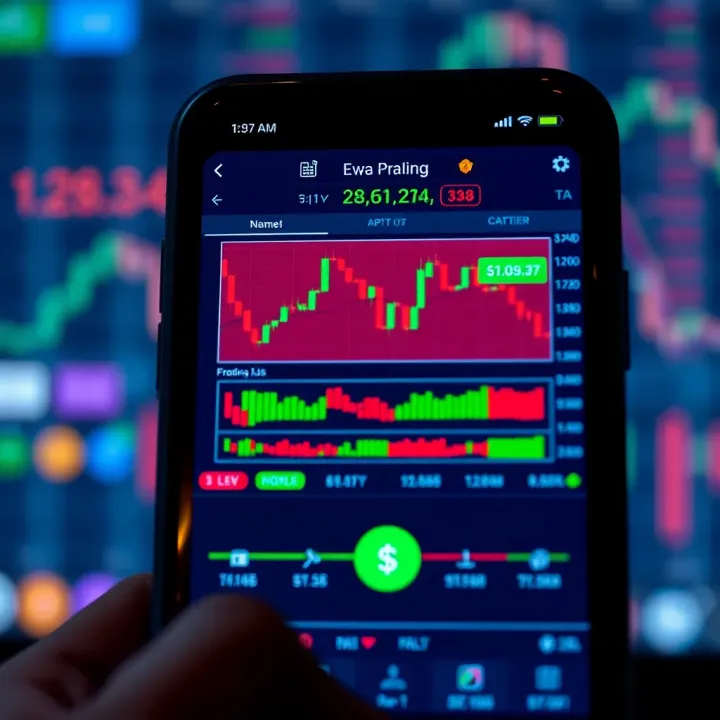
📱 Discover how demo trading apps help Nigerian traders test strategies risk-free, avoid common errors, and pick the right platform to grow in Nigeria’s markets.
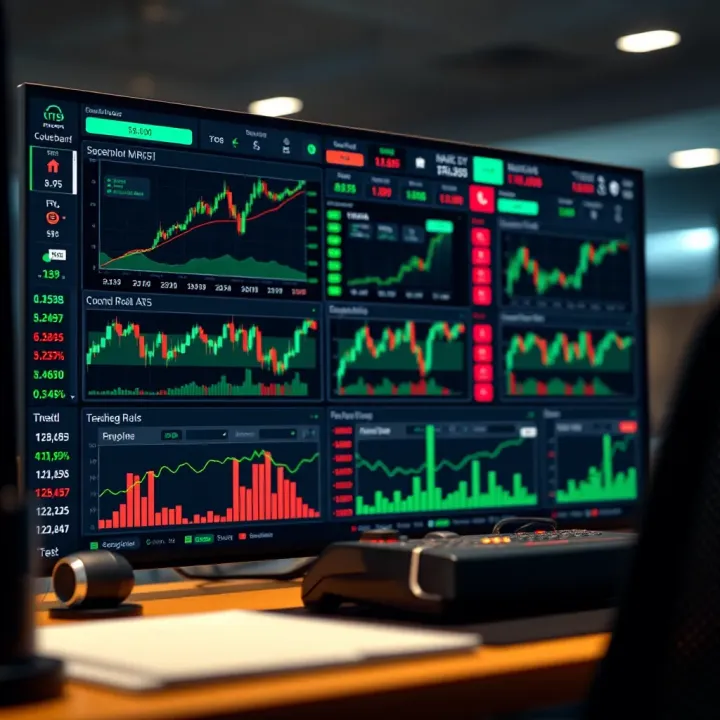
Discover how to pick the best trading platform for Nigerian traders📈. Learn about features, regulations, and practical tips for smarter investing🇳🇬.
Based on 13 reviews