

Nigeria's Top Forex Trader and Their Success Story
Discover Nigeria's top forex trader 🤑, their journey, trading challenges, and key lessons. Get insider insights into Nigeria's forex market dynamics 📊.
Edited By
George Hamilton
Qin Yinglin is a name that commands respect in China's agricultural sector, especially within pig farming. As the founder and chairman of Muyuan Foods Co. Ltd, Qin has transformed a modest farming venture into a leading industry powerhouse, making him one of the wealthiest pig farmers globally. His story offers valuable lessons in entrepreneurship, agribusiness growth, and adapting to market demands—insights that resonate well beyond China.
Starting from a small family farm, Qin pushed innovation in breeding, feed technology, and farm management to boost productivity and efficiency. Muyuan Foods has grown into a vertically integrated business that controls the entire pig farming process—from breeding piglets to processing pork products. This approach sharply reduces costs and increases quality control, a strategy that has propelled the company to the top in a fiercely competitive market.
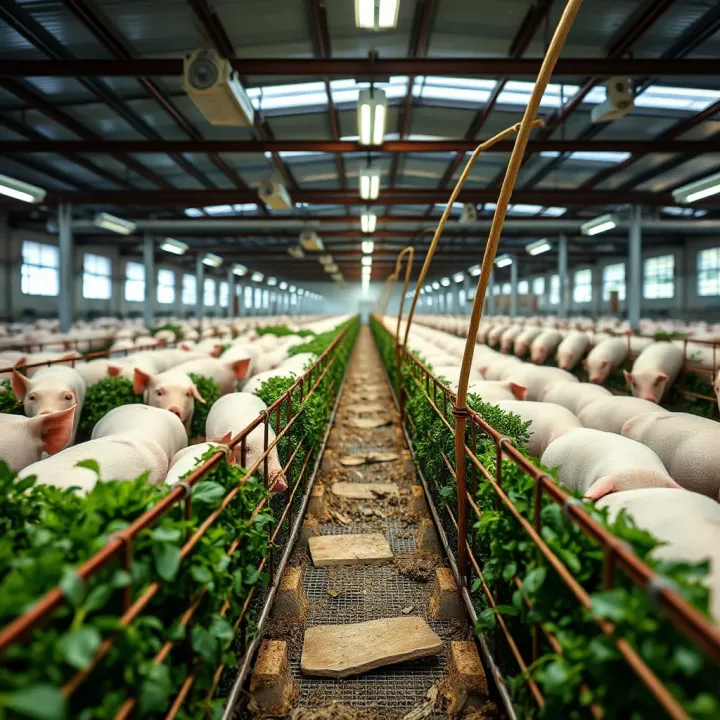
That said, Qin's success did not come without challenges. The pig farming industry in China faces risks like disease outbreaks and fluctuating pork prices, which demand agile responses and robust biosecurity measures. Qin’s company invested heavily in technology and scientific research to address these issues, placing it ahead of many competitors.
Qin Yinglin’s strategy shows how blending traditional farming knowledge with modern business practices can create sustainable growth even in volatile markets.
For investors and analysts, Muyuan Foods represents a solid case study of how agribusiness can thrive through scale, innovation, and smart integration. The company is listed on the Shenzhen Stock Exchange, offering tangible access to its performance and strategic direction. As China's middle class grows and demands better quality meat, Muyuan is well positioned to meet rising consumption, making it an interesting prospect for long-term investment.
Here are some key points about Qin Yinglin’s business model and industry influence:
Vertical integration: From pig breeding to pork sales, full supply chain control reduces costs and improves food safety.
Tech adoption: Use of AI and IoT in farm monitoring and disease prevention to enhance output.
Sustainability focus: Waste management and environmental controls align with China's tightening regulations.
Market leadership: Competes with major players like Wens Foodstuff Group, but stands out for rapid growth and innovation.
Qin’s journey reflects China's broader agricultural transformation—shifting from fragmented small farms to consolidated enterprises capable of meeting national demand efficiently. His ability to navigate economic shifts, regulatory changes, and market pressures offers valuable insights for anyone examining agribusiness dynamics in emerging markets.
Understanding Qin Yinglin’s early life sheds light on the roots of his resilience and business acumen, essential for investors and analysts assessing the foundations of his success. His upbringing and background influenced not only his work ethic but also his approach to modernising pig farming in China, offering practical lessons in entrepreneurship from humble beginnings.
Qin Yinglin was born in Henan Province, a landlocked region in central China known for its agricultural heritage. This setting is crucial because Henan's farming traditions and rural economy shaped Qin’s early exposure to livestock raising. The region’s climate and soil support extensive farming, making agriculture the backbone of many families, including Qin’s.
This agricultural environment instilled in Qin a practical understanding of farming challenges and opportunities. For investors, recognising this context is key to appreciating how Qin could leverage local knowledge in building a large-scale enterprise like Muyuan Foods.
Qin grew up in a family that engaged in pig farming on a small scale. This hands-on experience taught him the daily realities of animal husbandry and rural trade. From observing his parents and participating in farm activities, he developed a strong work ethic and practical skills which later informed his business strategies.
These early lessons in responsibility and attention to detail helped Qin navigate the complexities of pig farming at a much larger scale. Such background suggests to analysts that experience-driven knowledge often underpins successful agribusiness ventures, especially in traditional economies.
Qin pursued formal education at Henan Agricultural University, focusing on animal husbandry. This specialised training equipped him with scientific principles that contrasted with traditional farming methods. His academic background is significant because it enabled him to apply modern breeding and feeding techniques, elevating pig farming from a basic trade to a sophisticated industry.
For financiers, Qin’s education highlights the value of combining formal knowledge with practical experience when scaling a business. It also signals why Muyuan Foods adopted technological innovations early on.
Before founding Muyuan Foods, Qin worked in agricultural research and consultancy roles. These positions exposed him to industry-wide challenges, market trends and opportunities for efficiency improvements. Through these jobs, he built a network of contacts and sharpened his strategic thinking.
This phase of his career underlines a key consideration for investors: prior industry experience and expertise can drastically reduce startup risks and accelerate growth. Qin’s early professional journey provided a strong foundation for designing a resilient and scalable business model in pig farming.
Qin Yinglin’s early life and education laid the groundwork for his transformative impact on China’s pig farming industry, demonstrating how grounded roots and sound knowledge can drive large-scale business success.
Muyuan Foods' rise from a modest pig farm to one of China’s agricultural powerhouses illustrates the impact of strategic vision and pragmatic execution in agribusiness. This phase in Qin Yinglin’s career not only transformed his fortunes but also reshaped pig farming in China, making it relevant for investors and market watchers interested in agritech and food security sectors.
Muyuan Foods began in 1992, rooted in a family farm in Henan province. Qin Yinglin and his wife started with just a handful of pigs, reinvesting every profit back into the business. Their hands-on approach revealed early how close management and swift decision-making could turn a small operation into a sustainable enterprise. This start-up phase emphasised cost control and quality breeding, critical lessons that supported future scaling.
In the initial years, Muyuan focused on improving pig breeds and streamlining feeding practices. By adopting efficient husbandry methods common in local farms but enhancing them with discipline and better management, the company built a reliable base. This practical model served as a foundation, making Muyuan’s growth strategies not just aspirational but achievable in practice.
Muyuan’s early growth was driven by reinvestment and diversification within pig farming. Qin Yinglin avoided excessive debt, preferring organic growth funded by operational profits. This cautious approach shielded the company from common pitfalls in agriculture—price swings and disease outbreaks.
Qin also placed great emphasis on vertical integration early on. By controlling feed production, piglets, and even slaughtering processes, Muyuan reduced dependencies and maintained tighter quality oversight. Such control assured investors of steady profit margins and reduced risks, especially in a volatile agricultural market.
Muyuan was among the first in China to introduce automation in pig farming. The adoption of systematic data collection and scientific breeding allowed the company to improve productivity while monitoring animal health closely. Technologies like temperature controls, feeding automation, and health tracking guaranteed consistent quality and reduced losses. This tech-savvy approach positioned Muyuan ahead of traditional farms reliant on manual labour.
Beyond technology, Muyuan invested heavily in scientific breeding programmes. Selecting superior breeds increased reproduction rates and feed conversion efficiency, directly impacting profitability. For investors, this meant a business with robust fundamentals that could scale without sacrificing quality.
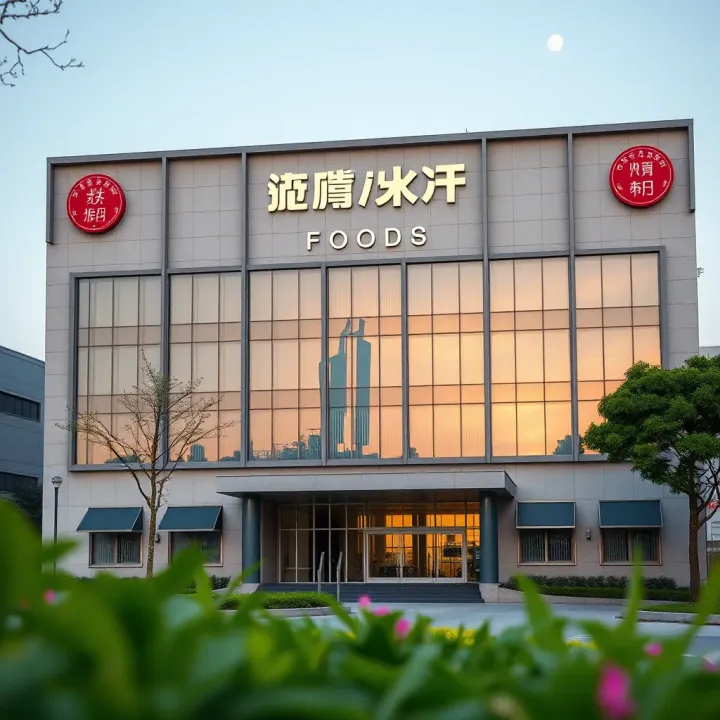
Muyuan’s expansion strategy involved moving beyond its Henan base into other provinces with favourable farming conditions. This geographic spread reduced exposure to regional disease outbreaks and regulatory changes, spreading risk across different markets.
The company scaled its production capacity rapidly, growing from thousands to millions of pigs yearly. Such expansion required substantial capital expenditure but paid off by meeting China’s soaring pork demand. The ability to supply large volumes consistently gave Muyuan a strong bargaining position with retailers and government programmes, cementing its status as an industry giant.
Muyuan’s evolution shows how combining local farming wisdom with modern business techniques creates sustainable growth – a valuable case for agribusiness players and investors looking to understand China’s food production landscape.
Strong focus on reinvestment and operational efficiency
Early adoption of technology to improve productivity
Vertical integration to control supply and reduce risk
Geographical diversification to minimise exposure
This story of scaling from a backyard farm to a multi-billion-naira enterprise is a testament to strategic patience, innovation, and market insight that investors and traders should follow closely.
Muyuan Foods, under Qin Yinglin’s leadership, owes much of its rapid expansion and resilience to key innovations and business practices that set it apart in China's competitive pig farming industry. These strategies not only improved productivity but also helped the company navigate challenges like disease outbreaks and market fluctuations. Understanding these aspects is crucial for anyone evaluating the company’s competitive edge and long-term sustainability.
Automation and data management form the backbone of Muyuan’s modern farming operations. The company employs automated feeding systems that adjust nutrition based on real-time monitoring of each pig's growth and health status. This cuts down on human error and improves feed efficiency, which directly impacts profitability by reducing costs. Furthermore, data analytics play a central role in managing breeding cycles and predicting potential health issues, allowing for prompt interventions. For example, sensors attached to pigs collect behavioural and physiological data, which are then analysed to prevent diseases or stress-related weight loss.
Biosecurity and animal health receive priority attention at Muyuan to safeguard both livestock and supply stability. The company enforces strict quarantine measures for new and sick animals, preventing the spread of illnesses such as African Swine Fever that have severely disrupted China’s pork industry in recent years. By maintaining high hygiene standards, controlling access to farm zones, and applying vaccines judiciously, Muyuan minimizes losses and keeps its herds robust. These efforts build investor confidence by reducing risks associated with epidemics and supply shocks.
Muyuan’s vertical integration strategy tightly controls the supply chain from feed production to pork distribution. This means the company owns feed mills, breeding facilities, and slaughterhouses, reducing dependency on external suppliers and lowering costs. Vertical integration also allows tighter quality control, ensuring consistent product safety and traceability. This streamlined control supports scale economies and sharpens responses to market demand, which is critical in a sector vulnerable to price swings.
Marketing and sales leverage both domestic and international channels with tailored approaches. Within China, Muyuan cultivates direct relationships with retailers and online platforms, ensuring fresh meat reaches consumers efficiently. The company also exports pork products to various countries, adapting packaging and branding to meet regulatory and cultural preferences abroad. Such diversified marketing reduces overreliance on any single market and strengthens revenue streams. For investors, these tactics highlight the company’s agility in meeting changing consumer trends and regulatory landscapes.
Muyuan Foods proves that combining smart technology with strategic business practices creates strong competitive advantages in agro-industry, offering insights for investors keen on scalable, resilient ventures.
By embedding technology deeply into farming processes and controlling operations end-to-end, Qin Yinglin’s Muyuan Foods stands as a contemporary model for large-scale agricultural success. These elements are vital for stakeholders to note when assessing its growth potential and risk management.
Qin Yinglin’s role extends beyond running a highly profitable pig farming enterprise; he has reshaped the entire agricultural sector in China. His approach brought scientific management and technological integration into traditional farming—features that many other producers have since adopted. These improvements boosted productivity while maintaining quality standards, helping modernise China's pork industry and push domestic supply to new levels.
Qin has been instrumental in setting new benchmarks for pig farming in China. By introducing rigorous biosecurity protocols and embracing automation, Muyuan Foods established standards that others regard as the gold standard. This leadership contributed to enhancing animal welfare and minimising disease outbreaks, which was a long-standing challenge for the sector.
For example, the company’s use of automated feeding systems and real-time data analytics to monitor pig health ensures early detection of illnesses. Such practices reduced mortality rates and set a precedent others in the industry now follow. This role in standard-setting not only improved operations but also reassured consumers about pork safety and quality.
African Swine Fever (ASF) swept through China’s pig farms, causing significant losses. Qin Yinglin’s response was swift and pragmatic. Muyuan Foods improved strict quarantine measures, implemented enhanced disinfection processes, and invested in resilient farm designs to contain the disease.
These actions helped stabilise production quicker than many competitors. It also influenced the wider industry, encouraging farms across provinces to adopt similar measures. The practical impact was a faster recovery of pork supply levels at a time when many smallholders faced collapse.
Pork is central to Chinese food consumption, so stable supply and pricing directly affect millions. Qin Yinglin’s efforts have played a key role in preventing sharp price hikes and shortages, especially during crises such as ASF outbreaks and market disruptions.
Muyuan Foods’ scale allows it to smooth supply fluctuations, easing pressure on prices. For investors and traders, this reduces volatility risks in agricultural commodities linked to pork. The company’s strategic expansions into multiple provinces further distribute supply risks geographically.
Qin has maintained close collaboration with Chinese government bodies, aligning Muyuan Foods' operations with national policies on food safety and agricultural modernisation. This cooperation entailed sharing data on disease outbreaks and participating in pilot projects for sustainable farming.
These partnerships have facilitated smoother regulatory compliance and faster adoption of recommended practices. For instance, cooperation on traceability systems allowed government agencies to monitor pork products effectively, enhancing consumer confidence. Such collaboration underscores Qin’s role not only as a business leader but also a partner in national food security strategies.
Qin Yinglin’s influence on China’s agricultural sector is notable for combining technological innovation with steady industry leadership, ensuring pork remains accessible and safe for consumers. This balance between business success and public responsibility marks him as a standout figure in modern Chinese agriculture.
Qin Yinglin’s financial growth and the market influence of Muyuan Foods offer crucial insight into how agribusinesses can scale to major economic players in China and beyond. Tracking these aspects highlights not just personal wealth accumulation but also deep-rooted effects on rural economies, supply chains, and investor confidence.
Muyuan Foods’ listing on the Shanghai Stock Exchange has been a standout example of successful capital market integration for agricultural firms. Since its initial public offering, its stock has reflected the company’s rapid expansion and profitability, especially as it embraced technology and biosecurity measures to minimise losses due to disease. Investors keen on sectors beyond the usual tech and manufacturing have started to pay closer attention to agribusiness stocks like Muyuan, recognising their resilience even amid market volatility. For practical investors, this means access to a growing sector powered by China’s steady demand for pork, a staple protein.
Qin Yinglin’s rise in China’s billionaire rankings underscores the scale of his enterprise’s success. As one of the country’s wealthiest individuals, his net worth growth maps directly to Muyuan's operational efficiency and market reach. This ranking is not just about vanity; it signals the increasing clout of agricultural entrepreneurship and its profitability, inviting more capital and policy support to the sector. Understanding these financial dynamics is vital for investors evaluating long-term opportunities in food security and sustainable farming.
Muyuan Foods has been a significant source of employment, especially in rural areas where job options are often limited. By creating thousands of jobs in pig farming, feed production, and related agricultural roles, the company has contributed to rural development and poverty reduction. This impact helps stabilise local economies, supporting community wellbeing beyond the immediate benefits of wage incomes. For policymakers and social investors, this kind of job creation is a cornerstone in reducing rural-urban disparities.
Beyond direct employment, Muyuan’s presence has boosted related sectors such as animal feed production and logistics. The demand for quality feed has encouraged local feed mills to expand and modernise, while pig transport and cold supply chain logistics have seen technological adoption to meet scale and biosecurity needs. This integrated growth helps build a more robust agrifood system, reducing bottlenecks and inefficiencies that typically burden Nigeria’s own agro-supply chains. For investors interested in upstream and downstream ventures, the ripple effect of Muyuan’s operations offers a clear blueprint of cross-sectoral economic stimulation.
Muyuan Foods offers a practical example of how agribusiness can be both highly lucrative and pivotal in driving economic transformation, inviting more focused investment in the food production value chain.
The trajectory of Qin Yinglin’s career, while marked by notable achievements, has not been without significant challenges and controversies. For investors and analysts monitoring the agricultural sector, understanding these difficulties is crucial for a balanced view of Muyuan Foods’ resilience and strategic responses. This section highlights key obstacles Qin faced, from disease outbreaks to environmental scrutiny, offering practical insights into risk management in large-scale agribusiness.
African Swine Fever (ASF) dealt a severe blow to China’s pig farming industry around 2018-2019, and Muyuan Foods was not spared. The outbreak forced many farms to cull herds, disrupting production and supply chains nationwide. However, Qin’s prompt implementation of stringent biosecurity standards helped limit losses compared to competitors. This quick response showcased the importance of having robust health protocols and agile operations to safeguard assets during such crises.
Price volatility further complicated operations as ASF-induced supply shortages led to unpredictable pork prices. Muyuan Foods had to navigate these swings carefully to maintain profitability without sacrificing market share. For investors, this scenario underscores the need to evaluate how businesses adapt pricing, inventory, and supply strategies in unstable markets to mitigate risks and capitalise on recovery periods.
Large-scale pig farming inevitably raises environmental questions. Critics point to issues such as waste disposal, water contamination, and greenhouse gas emissions from intensive pig farms. Muyuan Foods has had to address these concerns by investing in modern waste treatment technologies and adhering to stricter environmental standards. Such measures are vital for maintaining operational licences and public trust, especially as regulatory bodies in China increase scrutiny on sustainability.
Public perception and regulatory oversight have become more pronounced as consumers and authorities demand transparency and responsible farming practices. Qin Yinglin's enterprise faces constant pressure to balance expansion with social and environmental responsibility. For financial professionals, assessing a company's environmental impact and regulatory compliance is increasingly important in predicting long-term viability and potential risks associated with fines or operational restrictions.
Understanding the challenges Qin Yinglin encountered helps investors and analysts anticipate how agribusinesses cope with external shocks and growing regulatory demands.
Robust biosecurity measures are essential to minimise losses during disease outbreaks.
Strategic pricing and supply management help manage market volatility.
Environmental investment is no longer optional; it impacts licensing and consumer confidence.
Regulatory scrutiny requires constant compliance monitoring and transparent communication.
These insights from Qin Yinglin's experience offer valuable lessons for stakeholders seeking to engage with agricultural enterprises in volatile and evolving markets.
Qin Yinglin’s future prospects and legacy shape not only his business trajectory but also the broader landscape of China’s agricultural sector. Understanding this helps investors and analysts assess potential market dynamics and the sustainability of the pig farming industry under his influence. Qin’s plans for expansion and diversification signal how Muyuan Foods intends to remain competitive and resilient amid shifting economic and environmental conditions.
Muyuan Foods continues to invest heavily in innovative farming technologies. This means incorporating digital monitoring systems and automated feeding controls which improve animal welfare and operational efficiency. The adoption of advanced environmental controls reduces waste and emissions, aligning with growing regulatory expectations and community concerns. For example, Muyuan has been piloting solar-powered ventilation systems in select farms, cutting power costs and reducing reliance on diesel generators.
Sustainable practices also extend into feed optimisation, where precision nutrition cuts down on excess resource use. This practical focus helps the company lower operational expenses and meet evolving sustainability standards, making it attractive to both domestic regulators and international buyers increasingly demanding eco-friendly products.
Beyond pig farming, Qin Yinglin’s corporation eyes diversification into poultry and crop production. Expanding into integrated agribusinesses can stabilise revenue streams by reducing dependence on pork alone. For instance, stepping into maize farming would secure feedstock supply, cutting exposure to volatile grain markets. This vertical synergy enhances supply chain resilience and reduces costs.
Strategic diversification also hedges against disease outbreaks, a known risk given past African Swine Fever impacts. Entry into less disease-prone livestock sectors ensures continuous business operations during market shocks. Investors should watch for announcements signalling these expansions, as they often precede shifts in company valuations.
Qin Yinglin prioritises mentorship, actively supporting smaller farmers with access to technology and training. This elevates industry standards and spreads modern farming methods beyond Muyuan’s farms. Community programmes focus on biosecurity and efficient husbandry, which strengthen the overall pig farming ecosystem.
Such leadership generates goodwill, stabilising supply chains and nurturing future talent. For investors, this means less industry fragmentation and more consistent production levels nationwide, reducing systemic risks associated with fragmented smallholdings.
Qin’s input into policy discussions has helped shape China’s agricultural reforms, particularly in livestock regulation and food safety. His advocacy for stricter biosecurity measures and technological adoption aligns government efforts with industry needs, creating a more supportive regulatory environment.
By collaborating with policymakers, Qin ensures that Muyuan and similar enterprises benefit from incentives and research support, which also invites private investment into the sector. This foresight positions the company favourably amid China's push for food security and rural revitalisation.
Qin Yinglin’s continued focus on sustainable growth and leadership signal a robust future for both his business and China’s agricultural landscape, reassuring investors of steady returns and sector stability.
This section highlights practical reasons why understanding Qin's future plans and legacy matters for stakeholders concerned with China's agricultural markets and investment opportunities. It also illuminates potential developments to monitor for deeper investment analysis.
Discover Nigeria's top forex trader 🤑, their journey, trading challenges, and key lessons. Get insider insights into Nigeria's forex market dynamics 📊.

🎯 Get the latest on today's Gemz Daily Combo! Discover how to pick numbers wisely, where to find updates, and boost your chances in Nigeria's favourite gaming combo.

🔍 Understand how today's Tapswap code powers contactless payments in Nigeria, its security features, practical tips, and what businesses must know for smooth transactions.

📈 Discover how inflation, currency swings, and global issues shape gold prices in Nigeria. Get expert forecasts and market trends for smart investing this ember months.
Based on 6 reviews