
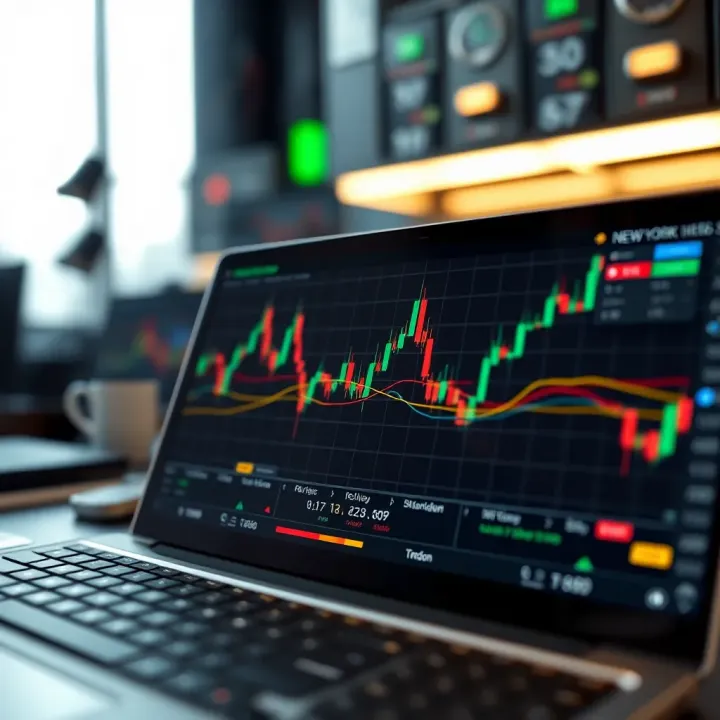
Understanding the New York Forex Session
📈 Explore the New York Forex session timing, market trends, and overlaps with other sessions. Learn strategies to boost your trading success! 💹
Edited By
Henry Morgan
The New York forex session is one of the busiest trading periods on the global currency market. Understanding when this session starts and ends in Greenwich Mean Time (GMT) is essential, especially for traders in Nigeria who operate in a different time zone. Since the Nigerian time zone is GMT+1, knowing the New York session time in GMT helps you to adjust your trading schedule accurately.
Typically, the New York forex session runs from 1:00 pm to 10:00 pm GMT. This timing corresponds to 2:00 pm to 11:00 pm in Nigerian local time. The session overlaps with the London forex session for several hours, creating high liquidity and volatility. This overlap usually happens between 1:00 pm and 4:00 pm GMT, making it a prime time for trading major currency pairs like USD/EUR, USD/GBP, and USD/NGN.

Traders often see increased price movements during the New York session, making it crucial for those seeking quick market action or attempting to capitalise on larger market swings.
For Nigerian traders, this means the New York session kicks off in the afternoon, so you might need to plan your day accordingly. Afternoon trading may require adjustments in daily routines, but it also opens opportunities since many global economic news reports emerge during this time.
Knowing the New York session in GMT also helps when setting alerts or programming trading bots. It ensures that trades trigger at the right moments aligned with market activity. For example, if a trader sets an alert for 8:00 pm GMT, they can catch the final hours of the New York session before it closes.
To sum up, the New York forex session is a critical trading window measured from 1:00 pm to 10:00 pm GMT. Mastering this timing allows Nigerian traders to synchronise their strategies with global market dynamics and optimise their trading outcomes effectively.
The New York Forex trading session plays a vital role in global currency markets, largely because it coincides with the operating hours of major financial centres in the United States. This session typically marks the second largest market period of the day after London, with substantial trading volumes and price movements. For Nigerian traders operating from West Africa Time (WAT, GMT+1), understanding the timing of the New York session in GMT is crucial for planning trades effectively.
The practical benefit of this knowledge is clear: currency pairs involving the US dollar tend to see heightened activity during this period, impacting liquidity and volatility. For instance, the US dollar versus Nigerian naira (USD/NGN) pair experiences notable price swings during the New York session, making it a key window for traders seeking meaningful market moves. Aligning trading strategies with this session’s timing can therefore improve entry and exit decisions.
The New York Forex session begins when the New York financial markets open, which is usually at 8:00 am local time. Translated into GMT, this corresponds to 1:00 pm during Standard Time and 12:00 pm during Daylight Saving Time. The session closes at 5:00 pm in New York, equating to 10:00 pm GMT or 9:00 pm GMT, respectively. This period represents the trading hours when New York’s banking institutions, hedge funds, and retail traders are most active.
A defining feature of this session is its overlap with the London session during the afternoon hours, which intensifies trading volume and market volatility. Currency pairs such as EUR/USD, GBP/USD, and USD/JPY often have the widest spreads and fastest price movements during these hours, offering suitable conditions for intraday traders and scalpers.
Historically, the New York session gained prominence as the US dollar became the world’s primary reserve currency post-Bretton Woods in 1944. This elevated the importance of US-based markets for forex trading. Unlike the Tokyo or Sydney sessions, which can be relatively quiet, New York attracts a huge portion of daily forex turnover, with average daily volumes exceeding US$2 trillion globally.
The impact of this session goes beyond forex. US economic news releases, such as Non-Farm Payrolls (NFP) or Federal Reserve announcements, are timed to align with the New York session, causing abrupt price shifts. For Nigerian traders, timing awareness means they can avoid getting caught off-guard during volatile periods or capitalise on predictable market patterns.
Understanding the New York Forex session’s timing and nature gives traders a competitive edge, allowing precise timing in strategy execution and risk management.
In summary, mastering the New York Forex trading session helps traders tap into high liquidity periods, anticipate volatility linked to US economic data, and position trades to benefit from the session’s market dynamics, especially where the US dollar is involved.
Converting the New York Forex session time to Greenwich Mean Time (GMT) is essential for traders worldwide, particularly those outside the US. Because New York operates in Eastern Time, which changes with daylight saving adjustments, aligning session hours to GMT provides a universal reference point. This clarity helps traders plan their strategies, avoid missed opportunities, and synchronise their activities with market peaks.
For instance, a trader in Lagos, Nigeria, operates on West Africa Time (WAT), which is usually one hour ahead of GMT. By understanding the New York session in terms of GMT, they can quickly estimate their local trading hours without confusion. Without this conversion, there's a risk of showing up late or too early for critical market moves, especially when daylight saving kicks in or ends.
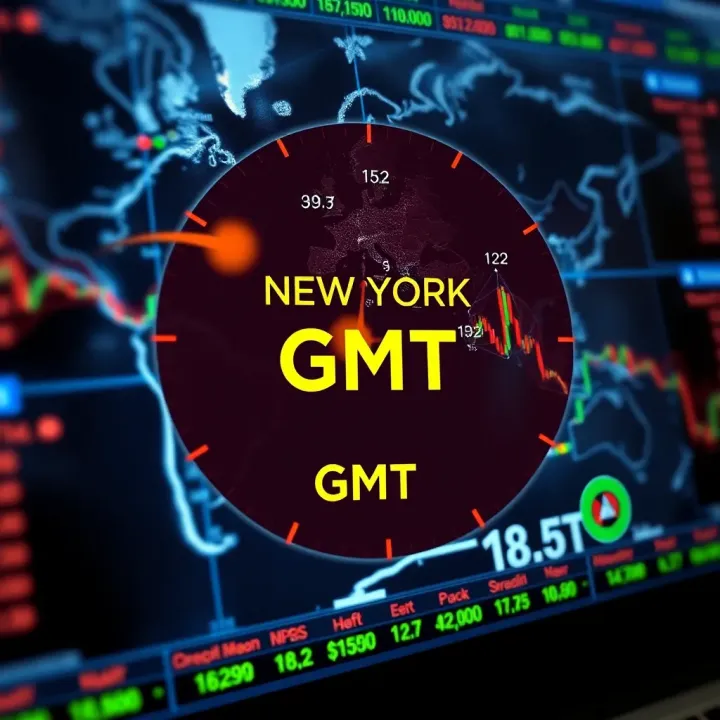
The New York Forex session follows Eastern Standard Time (EST) during the non-daylight saving months and Eastern Daylight Time (EDT) when daylight saving begins. EST is GMT-5 hours, while EDT is GMT-4 hours. This shift usually occurs in March and November in the US, changing the forex session start and end times by one hour.
This difference significantly affects trading schedules. For example, if you rely solely on EST timing during daylight saving months, you might miss the live market action or enter trades too late. Therefore, keeping track of daylight saving periods and adjusting your GMT conversions accordingly is necessary for accurate timing.
Consider the New York session officially opens at 8:00 am EST and closes at 5:00 pm EST. In GMT, this translates to 1:00 pm to 10:00 pm during standard time. However, when daylight saving is active, the session shifts to 8:00 am to 5:00 pm EDT, which is 12:00 pm to 9:00 pm GMT.
For a Nigerian trader on WAT (GMT+1), the session runs from:
Standard Time: 2:00 pm to 11:00 pm local time
Daylight Saving Time: 1:00 pm to 10:00 pm local time
Knowing this allows the trader to schedule trades optimally.
Tracking daylight saving status and performing exact time conversions to GMT helps you avoid missing crucial windows during the New York session.
By using simple tools like world clock converters or forex trading platforms with automatic adjustments, traders can monitor correct session timings without hassle. Staying mindful of these time differences protects your capital from avoidable mistakes linked to wrong timing. This understanding effectively enhances trading efficiency and market participation from anywhere on the globe.
The New York forex session plays a significant role in global currency trading due to its interaction with other major forex markets. Understanding these interactions can help traders time their trades more effectively and anticipate price movements. Among these dynamics, the overlap between New York and London sessions stands out as critical since both centers represent the largest volume in forex trading worldwide.
The London forex session typically runs from 8 am to 4 pm GMT, while the New York session begins at 1 pm and ends at 9 pm GMT. This means there is a four-hour period, between 1 pm and 4 pm GMT, when both markets are open simultaneously. This overlap period is often the most active trading window of the day.
During these hours, liquidity surges as traders from both financial hubs participate, leading to tighter spreads and more significant price moves. For example, currency pairs involving the euro (EUR/USD) and the British pound (GBP/USD) often see heightened volatility during this overlap. Nigerian traders, aware of this, may focus their trading activities during this window to exploit increased market movement and better execution prices.
The session overlap intensifies market activity beyond simple volume increase. It creates an environment where major economic news releases from both Europe and the US can influence markets concurrently. This simultaneous reaction tends to produce clearer trends and often substantial price swings.
For instance, if the US releases employment data while European financial centres respond to the Bank of England’s announcements within the overlap window, the combined effect can cause sharp moves in related currency pairs. Traders who plan around these timings can position themselves to capture opportunities or mitigate risks.
However, increased activity also means higher volatility, which can lead to sudden price spikes or slippage. Nigerian traders should approach these periods with disciplined risk management, such as setting stop-loss orders and avoiding overleveraging.
The four-hour overlap between the New York and London forex sessions represents the peak of forex market liquidity and volatility, making it a prime time for active trading.
In summary, recognising the overlap between New York and London sessions is crucial for traders aiming to benefit from enhanced liquidity and clearer price trends. Aligning trading strategies with these hours helps investors capitalise on the natural rhythm of forex markets, especially when combined with awareness of scheduled economic releases.
By paying attention to these factors, Nigerian and other global traders can improve their timing, enhance trade execution, and better navigate market behaviour during key forex sessions.
Understanding the New York forex session in GMT is vital for Nigerian traders because it shapes when liquidity surges and volatility peaks. Since Nigeria operates on West Africa Time (WAT), which is usually GMT+1, aligning local trading hours with New York’s schedule enables traders to capitalise on price movements and avoid periods of low activity.
The New York session runs from 1:00 pm to 10:00 pm GMT, which translates to 2:00 pm to 11:00 pm in Nigeria during standard time. However, because the US observes Daylight Saving Time, this shifts an hour earlier to 1:00 pm to 10:00 pm Nigerian local time. Traders should be aware of these seasonal changes so they can plan accordingly without missing critical market moments. For example, a trader who usually starts position opening by 2:00 pm must adjust to an earlier start as soon as DST begins in March.
The New York session brings heightened volatility, especially when it overlaps with the London session between 2:00 pm and 4:00 pm Nigeria time. This overlap presents more opportunities for profitable trades due to increased volume and sharper price movements. For Nigerian traders, focusing on major currency pairs involving the US Dollar—like USD/NGN, EUR/USD, and GBP/USD—during this window can yield better returns. Volatility means risk too, so using stop-loss orders and careful position sizing is essential to protect capital.
Successful trading hinges on discipline and smart routines. Nigerian traders can benefit from these practical approaches:
Prepare early: Analyze market news and economic calendars before 2:00 pm to understand upcoming US data releases that could shake the market.
Use technology: Set alerts on trading platforms like MetaTrader or investing apps to notify about key price levels or breaking news.
Avoid ember months distractions: Trading during periods like October to December, where market patterns shift, requires extra caution due to unsteady liquidity.
Manage power supply: Given Nigeria’s frequent power challenges, having backup options like UPS or generators can prevent missed trades at crucial moments.
Timing is everything in forex. Aligning your schedule to the New York session and preparing for its market behaviour will increase your chances of trading success.
By syncing with the New York forex hours in GMT, Nigerian traders gain better control over their entries and exits, while reducing the guesswork caused by time zone confusion. This simple but strategic step pushes trading from mere guesswork to informed decision-making.
This section tackles some of the pressing questions traders often ask about the New York forex session time, especially in GMT. Addressing these questions helps clear up common confusions and highlights practical points important for traders, investors, and finance professionals. For Nigerian traders who juggle different time zones, understanding these aspects can sharpen trading decisions and improve timing.
The New York session stands out because it represents the financial heartbeat of the Americas and overlaps with London's closing hours. This overlap often leads to heightened market activity and liquidity, which means tighter spreads and more trading opportunities. For example, during this period, currency pairs involving the US dollar tend to show more dynamic movements because major financial institutions from both continents are active.
Besides liquidity, the session coincides with key US economic data releases such as the Non-Farm Payrolls, Consumer Price Index, and Federal Reserve announcements. These events typically cause significant price swings that savvy traders look to exploit. Since the US dollar is a global reserve currency, its volatility influences a broad range of forex pairs.
Currency pairs involving the Nigerian naira (₦), like USD/NGN or EUR/NGN, are indirectly impacted by the New York session’s rhythm. Because the US dollar is dominant in global trade, movements during the New York session ripple into the naira’s exchange rates, especially in the parallel market.
During the New York session, demand for USD in Nigeria can spike due to remittances or trade flows that align with international business hours. For instance, a trader in Lagos monitoring the USD/NGN rate during 2 pm to 9 pm WAT (which corresponds roughly with New York trading hours) will notice more volatility. This creates both risk and opportunity.
Additionally, central bank policies or announcements from the Central Bank of Nigeria (CBN) might align with or respond to the US market movements, making the New York session crucial to watch.
By knowing the answers to these common questions, traders strengthen their grasp on forex timing and market behaviour. This aids in making timely, informed decisions, optimising profitability while managing risks effectively.
📈 Explore the New York Forex session timing, market trends, and overlaps with other sessions. Learn strategies to boost your trading success! 💹
Discover the New York forex session timing 🕒, how it affects volatility, liquidity, and smart trading strategies tailored for Nigerian forex traders 🇳🇬💹.

🕒 Discover London forex session times in Nigerian time, trade smart during peak hours, understand overlaps, and boost your forex success with practical tips 🇳🇬
📈 Learn how the London trading session fits Nigerian time, its impact on forex trades, and tips to adjust your schedule including daylight saving effects. ⏰
Based on 7 reviews