

Gold Price Forecast for Nigerian Investors Today
Get clear insights on gold price trends 🔍 and forecasts for Nigerian investors 💰. Understand market forces and local factors shaping gold as a safe haven asset 📊.
Edited By
Laura Mitchell
Gold has always been a top choice for investors looking to safeguard their wealth, especially when the Nigerian economy faces unpredictability. Understanding what drives gold prices helps traders and financiers position themselves better, particularly as the ember months approach, a period marked by increased spending and economic movement.
At the heart of gold price forecasts lie several key factors. First, inflation rates have a direct impact. When inflation spikes, the naira loses buying power, making gold more attractive as a store of value. For example, in recent years, Nigeria's inflation hovering above 15% led to steady demand for gold bars and coins from retail investors seeking to shield their savings.

Currency fluctuations are another crucial factor. The naira’s volatility against the US dollar affects gold prices since gold is globally priced in dollars. When the naira weakens, gold becomes more expensive locally. Traders watching the exchange rate movements around Central Bank of Nigeria (CBN) monetary policy announcements often adjust their positions accordingly.
Global geopolitical tensions also play a vital role. Conflicts or trade disputes create uncertainty in financial markets, pushing investors towards gold as a safe haven. The ripple effect of situations like Brexit or US-China trade tensions can be felt even in Lagos markets with increased gold trading activity.
Market behaviour, particularly sentiment and speculation, influences short-term price movements. For instance, during periods of economic uncertainty or political campaigns like guber elections, traders sometimes buy gold heavily, anticipating currency instability or inflation hikes.
"For traders and investors, keeping an eye on inflation, currency trends, and global events provides a clearer view of where gold prices might head next."
On the practical side, expert forecasts and technical analysis tools provide platforms for decision-making. Analysts examine price charts for trend lines and support levels, while institutions offer forward-looking predictions based on data.
In summary, the gold price hinges on a mix of Nigeria's inflation, naira exchange rates, global uncertainties, and local market moods. Awareness of these factors equips investors and brokers to make informed moves, especially during the high-activity ember months when prices can shift rapidly.
Next, we will look deeper into how each of these factors interplays to shape gold price trends in Nigeria.
Understanding gold price predictions is essential for investors and traders seeking to navigate this often volatile market. This overview sets the stage by highlighting how historical trends and analytical methods shape expectations. For example, observing how gold prices reacted during previous inflation spikes provides clues for future moves, especially relevant for Nigerian investors facing naira depreciation.
Significant price shifts in the last decade have stemmed from global economic events such as the COVID-19 pandemic and trade tensions. Between 2010 and 2020, gold prices climbed steadily, reaching peak levels above $2,000 per ounce in 2020 amid widespread uncertainty. Nigerian investors observed increased demand as the naira weakened, making gold an attractive hedge.
Patterns during economic crises reveal that gold tends to rally when economies falter. For instance, during the 2008 global financial crisis, gold prices rose sharply as investors sought safer assets. In Nigeria, many turned to gold during exchange rate shocks and inflation surges post-2016, underscoring the metal's defensive qualities.
Gold's role as a safe haven asset remains one of its most important traits. When stock markets dip or geopolitical tensions rise, gold often preserves value. This reputation encourages steady demand, especially in unstable environments like during ember months when economic activities and spending intensify.
Use of technical and fundamental analysis forms the backbone of forecasting. Technical analysis involves chart patterns and price momentum, which helps traders time their moves. Fundamental analysis looks at factors like inflation rates, interest policies, and currency strength, which often hold more weight for medium- to long-term forecasts.
Incorporating market sentiment and investor behaviour adds a psychological dimension. Sentiment indicators track fear or greed, influencing whether investors flock to or flee from gold. For instance, in Nigeria, shifts in consumer confidence during election years or fuel subsidy changes can affect gold demand unpredictably.
Limitations and challenges in prediction accuracy arise from gold’s sensitivity to diverse and sometimes conflicting factors. Sudden geopolitical events or unexpected policy changes often disrupt forecasts. This means investors should approach predictions cautiously and maintain flexibility, avoiding overreliance on any single analysis method.
Gold price forecasts serve as a guide rather than a guarantee. Successful investors combine history, analysis, and an understanding of local market conditions to make informed decisions.
Understanding economic forces behind gold prices offers investors insight into how shifts in currency, inflation, and policy affect market value. This section sheds light on these issues with straightforward examples relevant to Nigerian traders and investors.
The persistent fall of the Nigerian naira against major currencies tends to push up local gold demand. When the naira weakens, imported gold becomes more expensive in naira terms, prompting buyers to turn to gold as a store of value. For instance, during periods when ₦1 was close to $650, many Nigerians preferred physical gold or jewellery since it preserved wealth better than holding naira cash.
This relationship means gold often acts as a hedge against local currency depreciation. Traders who monitor naira trends can anticipate increased gold buying during steep naira drops, especially amid rising uncertainties around foreign reserves or economic policy.
Gold globally trades in US dollars, so the dollar's strength heavily influences gold prices worldwide. When the dollar gains against other currencies, gold tends to become more expensive for holders of those currencies, potentially curbing demand.
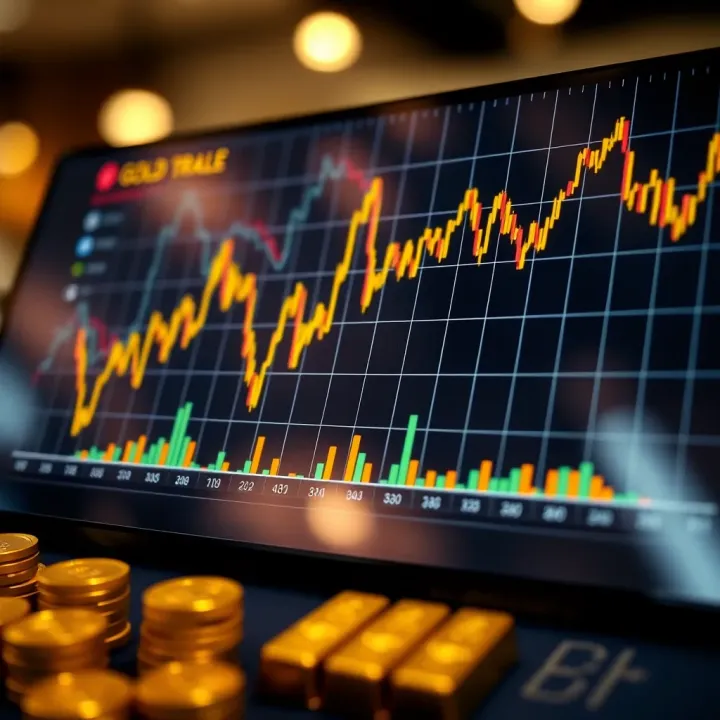
For Nigerian investors, a stronger dollar often coincides with higher gold prices in naira because of exchange rate impact. This dynamic means even if gold prices stay stable in dollar terms, local prices in Nigeria might rise sharply during dollar rallies due to currency conversion effects.
Frequent swings in exchange rates create uncertainty, which can increase trading in gold. Investors seeking to protect against sudden naira shocks may turn to gold quickly, causing price spikes. This volatility challenges traditional forecasting but also offers opportunities for nimble investors.
For example, during times of forex shortages or policy changes impacting access to foreign currency, gold prices may surge as domestic buyers scramble for safer assets. Traders should watch exchange rate trends closely alongside gold prices.
Inflation erodes the purchasing power of cash, driving demand for assets seen as stores of wealth. Gold historically serves this role well, especially when inflation soars above single digits.
In Nigeria, inflation has remained high during recent years, hovering around 20% at times. This scenario encourages individuals and institutions to buy gold to preserve value. Thus, inflation spikes often correlate with increased gold investment, affecting price directions.
CBN’s approach to managing inflation and currency stability directly influences gold prices. Tightening monetary policy through higher interest rates may stabilise naira and curb inflation, reducing gold's attraction as a hedge.
Conversely, accommodative policies or delays in controlling inflation tend to spur demand for gold. For instance, when the CBN paused interest rate increases in 2023 despite inflationary pressures, many investors saw gold as a safer bet, pushing demand.
Higher interest rates raise returns on fixed-income assets like bonds, making them more attractive relative to non-yielding gold. This dynamic can suppress gold buying.
However, in Nigeria’s context where interest rates often lag behind inflation, gold may still appeal despite higher benchmark rates. Investors here weigh real returns (interest minus inflation) rather than nominal rates, so gold remains relevant when real rates are negative.
Tracking how naira value, inflation, and CBN policies shift helps investors time gold trades better. These factors explain why gold prices move not only due to global cues but also local economic realities.
Naira depreciation boosts local gold demand as a safe store against currency loss
A strong US dollar raises gold prices worldwide and affects naira pricing
Exchange rate volatility triggers spikes in gold trading
High inflation increases gold’s appeal as protection against cash erosion
CBN’s monetary stance shapes inflation and currency stability, influencing gold demand
Interest rates impact gold attractiveness, especially relative to inflation and real returns
Understanding these economic drivers equips investors to navigate gold price changes with local context in mind.
Global events significantly influence gold prices due to the metal's role as a safe asset amid volatility. In recent years, conflicts like the Russia-Ukraine war and tensions in the South China Sea have sent ripples through commodities markets, including gold. When such conflicts escalate, investors often flock to gold to shield their portfolios from instability, pushing prices higher.
Recent geopolitical conflicts, notably the Russia-Ukraine crisis beginning in 2022, have disrupted global trade and spooked investors. This conflict tightened supply chains in energy and other commodities, boosting gold's appeal as a buffer against inflation and uncertainty. Similarly, escalating tensions between the US and China over trade and technology have stirred caution among markets.
Uncertainty encourages safe-haven buying because gold retains value even when paper assets falter. In times of unrest, gold's demand rises as investors seek to reduce exposure to currency or stock market crashes. For example, during the early months of the COVID-19 pandemic, gold prices surged significantly as global economies staggered, demonstrating this behaviour clearly.
For Nigerian investors, regional factors add complexity. Nigeria’s trade ties with China and Europe mean any disruption or tension in these regions indirectly affects domestic gold prices. Additionally, local political uncertainties during election cycles can increase demand for gold as a security asset, reflecting how global and local factors intertwine.
Gold production trends in major mining countries such as South Africa, Ghana, and Australia influence global supply. South Africa, once the largest producer, has faced declining output due to aging mines and labour disputes. Ghana’s mining sector shows growth but is susceptible to regulatory changes affecting output.
Disruptions caused by logistics bottlenecks and stricter mining regulations also put pressure on supply. The COVID-19 pandemic revealed how port closures and transport limits can delay gold deliveries, impacting market liquidity. Nigeria’s importers sometimes feel the pinch when global supply contracts, causing delays and price upticks in local markets.
These supply limitations tighten gold availability globally, leading to increased prices. When demand remains steady or rises—as seen in economic uncertainty—limited supply makes gold costlier. Nigerian traders and investors should monitor these supply challenges, as they often signal upcoming price increases or volatility.
Understanding how global events—from conflicts to mining disruptions—affect gold helps investors make informed decisions, especially in the Nigerian context where international and local dynamics merge.
In summary, geopolitical tensions drive safe-haven demand for gold, while mining and supply chain challenges create pricing pressures. Nigerian investors must keep an eye on both global developments and regional nuances to navigate the gold market effectively.
Expert opinions and market forecasts provide valuable perspectives on gold price movements, helping investors navigate the complexities of the gold market. These insights stem from seasoned analysts who combine data, market trends, and economic indicators to paint a picture of where prices may head. For traders and investors in Nigeria, understanding these forecasts can guide better decision-making, especially amid fluctuating naira value and global uncertainties.
Major banks like GTBank, Access Bank, and global commodity firms offer regular forecasts on gold prices. For instance, recent reports by some international banks predict a moderate rise in gold prices over the next 12 months, driven by inflation worries and geopolitical tensions. These forecasts often guide portfolio managers and institutional investors on balancing their commodities exposure. For Nigerian investors, tapping into such information aligns local investment choices with global market movement.
There's often a noticeable divergence between short-term and long-term views on gold prices. Short-term forecasts tend to focus on immediate economic events, such as Central Bank of Nigeria (CBN) interest rate decisions or naira volatility, which can cause price swings within weeks or months. On the other hand, long-term views consider broader factors like sustained inflation trends, mining supply constraints, and global demand shifts. Knowing this difference helps investors plan either for quick trades or longer-term holdings, depending on their appetite and strategy.
Despite varied opinions, many experts converge on certain points. Most agree that gold remains a solid hedge against inflation and currency depreciation, especially in volatile economies like Nigeria's. However, they caution that prices can be unpredictable during periods of tight monetary policies or rapid economic recovery. Such cautionary notes remind investors to avoid overexposure and to keep an eye on changing market signals.
Nigerian investors often behave reactively during gold price swings, buying when prices dip and selling when prices spike. This pattern is partly due to the informal nature of many transactions and the need to secure quick returns or liquidity. Such behaviour can sometimes amplify market volatility locally. It’s practical for investors to balance this instinct with informed analysis to avoid buying at peaks or selling during temporary dips.
Local dealers and market access play a vital role in shaping investment trends. Many Nigerian investors rely on trusted gold merchants in markets like Lagos’s Balogun or Abuja's Wuse for physical gold purchases. The ease of buying and selling through these dealers, plus the availability of gold-backed savings schemes by fintech platforms like OPay or PalmPay, shape investor accessibility and confidence.
Physical gold like jewellery and bars remains the popular choice for Nigerian investors due to cultural affinity, tangible ownership, and immediate liquidity. Yet, interest in paper gold—such as gold savings accounts and ETFs—is rising, especially among younger, tech-savvy investors concerned about security and convenience. Understanding these options within the Nigerian context helps tailor investment choices to personal needs and risk tolerance.
Expert insights and local knowledge combined equip Nigerian investors to navigate the gold market confidently, particularly during the ember months when price volatility often spikes.
Understanding practical steps is vital for anyone involved in gold investment, especially given the complexities of the market shown by recent trends. This section provides clear guidance on timing purchases, managing risks, and deciding between physical gold and financial products. These pointers help investors navigate the fluctuations tied to economic signals and global events impacting gold prices.
Gold prices often reflect broader economic conditions, meaning investors should watch inflation rates, currency strength, and interest rate changes closely. For example, when inflation rises above 10% in Nigeria, as seen recently, gold tends to become more attractive because it protects purchasing power. Conversely, when the Central Bank of Nigeria (CBN) raises interest rates to curb inflation, gold’s appeal might dip as fixed-income assets become more lucrative. Timing buys when the naira weakens against the dollar or during periods of geopolitical uncertainty can also be savvy.
Volatility is a constant with gold, especially given events like global tensions or unexpected economic policy shifts. Investors should avoid putting all resources into gold alone. Using stop-loss orders or setting clear exit points limits losses when prices tumble sharply. For Nigerian investors who often face sudden naira fluctuations, it's wise to track both local and international news to anticipate shocks before they fully affect the market.
Gold is a classic hedge that balances portfolios otherwise invested in equities or bonds. Including roughly 10–15% of gold can reduce overall risk because gold’s value often moves opposite to these assets. For instance, if the Nigerian Stock Exchange index dips during economic uncertainty, the value of gold investments often cushions the blow. This balance ensures investors don’t get overly exposed to a single market’s ups and downs.
Physical gold like jewellery and bars offers direct ownership and is often viewed as a tangible store of value, especially in Nigerian culture where gold jewellery has sentimental worth. However, these come with issues like high premiums, storage costs, and risks of theft or fraud. Bars typically have lower markups than jewellery but require secure storage. For example, buying gold bars through reputable dealers like the Nigerian Bullion Market Association helps minimise these risks.
Exchange-traded funds (ETFs) and gold-backed securities offer liquidity and convenience without worrying about physical storage or purity verification. Nigerian investors with access to international markets or platforms like ARM-Harith Trust can buy into these products to participate indirectly in gold price movements. Still, such paper assets depend on financial markets and may expose investors to counterparty risks if the underlying securities underperform.
Nigeria’s unique factors like naira volatility, inflation spikes, and limited access to some formal markets influence gold investment decisions. Local dealers can be inconsistent in pricing and certification, requiring diligence. Additionally, high generator costs affect market hours, so timing transactions is crucial. Investing through regulated channels and understanding CBN policies on foreign exchange also protect investors from avoidable losses.
Practical advice grounded in Nigeria’s economic reality helps investors make informed choices rather than follow market hype. Keeping an eye on timing, risks, and product types is key to preserving and growing wealth through gold.
Get clear insights on gold price trends 🔍 and forecasts for Nigerian investors 💰. Understand market forces and local factors shaping gold as a safe haven asset 📊.

📈 Explore XAUUSD today with insights on gold vs USD trends, economic signals, geopolitical impact, and smart trading tips for Nigerian investors and traders.
📈 Gold price forecast today highlights what Nigerian investors should expect amid global shifts, naira exchange rates, and regional demand to maximise ₦ gains securely.

Explore what moves the XAU/USD price 🔍 Understand gold's value against the US dollar, market trends, and smart trading tips for smarter investments 📈💰
Based on 8 reviews