

AVAX Coin Price Forecast for Nigerian Investors
🚀 Get a clear look at AVAX coin price trends and expert views tailored for Nigerian investors. Understand risks and spot opportunities today! ₦📈
Edited By
Isabelle Clarke
Gold remains a vital asset for Nigerian investors, especially amid the country's economic uncertainties and naira volatility. The precious metal often acts as a safe haven during times of inflation, exchange rate fluctuations, and foreign exchange scarcity. For traders and finance professionals, understanding current gold forecasts is key to making informed decisions.
In Nigeria, local factors such as fuel scarcity, power supply disruptions, and government monetary policies directly impact investors' appetite for gold. For example, when inflation hits double digits and the Central Bank of Nigeria (CBN) adjusts interest rates, many turn to gold as a hedge against devaluing naira.
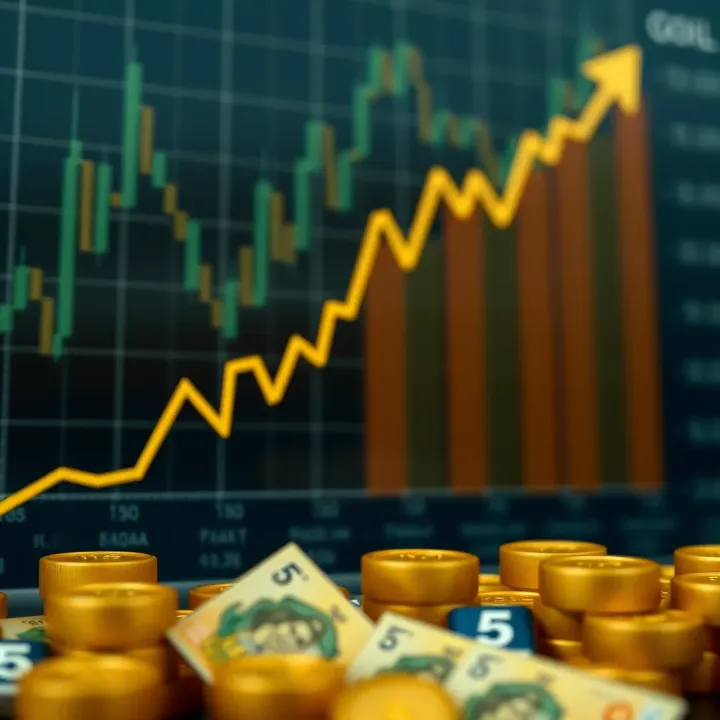
Recent trends show that gold prices globally have experienced steady gains, influenced by factors like geopolitical tensions, shifts in US Federal Reserve policies, and fluctuating demand from India and China—the world’s largest consumers. Nigerian buyers are affected indirectly by these global moves but also face unique challenges such as high import costs and limited access to quality bullion sources.
Investors should monitor gold price movements regularly since local economic news—like the CBN's intervention in the forex market or fuel subsidy changes—can lead to sharp shifts in demand for gold.
Here are some crucial pointers Nigerian investors ought to consider:
Keep track of global gold prices through trusted sources to spot early signs of price rallies or drops.
Follow CBN monetary policy updates because naira stability affects gold affordability.
Factor in local inflation and currency trends as these determine the real value of gold holdings.
Evaluate sources carefully to avoid counterfeit or substandard gold – stick to reputable dealers.
Understanding these dynamics helps investors leverage gold not just as a store of value but as part of a broader portfolio strategy. In volatile times, gold can reduce risk exposure while offering liquidity when markets turn shaky.
Ultimately, grasping both global and Nigerian-specific influences on gold prices equips investors with the clarity to act decisively and protect their wealth.
Understanding the current gold market is essential for Nigerian investors aiming to navigate the complexities of global and local economic shifts. This overview provides a snapshot of how gold prices behave today, influenced by both immediate market actions and broader factors. It helps traders and analysts make timely decisions and assess the potential risks and opportunities.
Spot price refers to the current price at which gold is bought or sold for immediate delivery. Nigerian investors often closely watch these prices on daily trading platforms like the Nigerian Stock Exchange (NGX) or local bullion dealers. For example, a subtle rise of ₦500 per gramme within a day can impact buying decisions, especially for investors dealing with physical gold.
Recent fluctuations may result from market speculation, mining outputs, or international demand. Observing these shifts is practical for traders timing their purchases or sales. For instance, if spot prices dip temporarily due to a rush in sales, cautious investors might consider buying at a discount, expecting prices to rebound.
Tracking gold prices over days and weeks reveals trends beyond daily noise. For example, if gold shows steady appreciation over three weeks, this may signal growing demand or rising inflation fears, encouraging Nigerian investors to increase holdings.
Conversely, sharp declines over a short period could warn of gold losing its safe haven status temporarily or reflect stronger naira interludes. Recognising these patterns aids investors in managing entry and exit points, particularly in a volatile market context like Nigeria's.
Gold often moves inversely to the US dollar since it is priced in dollars globally. When the dollar strengthens, gold becomes more expensive for holders of other currencies, typically cooling demand and dropping prices. If inflation data in the US shows rising consumer prices, investors might flock to gold to protect buying power, pushing prices up.
For Nigerian investors, these global cues matter. A strong dollar means more naira might be needed to purchase the same quantity of gold, impacting affordability and timing. Inflation trends abroad can hint at increased gold demand ahead, allowing investors to anticipate potential price jumps.
Events such as conflicts, trade wars, or sanctions often spur safe-haven buying of gold. For example, recent tensions in eastern Europe or Middle East instability have historically pushed gold prices higher. Nigerian investors observing these developments can gauge risk appetite globally and adjust portfolios where gold remains a reliable store of value during uncertainty.
On the other hand, a period of geopolitical calm may reduce gold’s appeal, potentially pulling prices down slightly. Being aware of these shifts helps traders prepare for volatility and capitalise on spikes triggered by news events.
Central banks worldwide influence gold demand through interest rate decisions and reserves management. For instance, when central banks cut rates or engage in quantitative easing, yields on bonds fall, making gold more attractive by comparison. Also, some central banks increase gold holdings to diversify reserves, signalling a bullish stance.
Nigerian investors should track statements by the Federal Reserve, European Central Bank, and emerging market banks for clues. Such policies often precede significant movements in gold prices and help in planning investment horizons and risk management.

Staying updated on current gold market conditions, including price trends and global influences, equips Nigerian investors to make informed, strategic decisions amid dynamic economic realities.
Understanding the factors that drive gold prices in Nigeria offers critical insights for investors aiming to navigate the market effectively. These elements connect directly to the country's unique economic environment, influencing demand, supply, and investor behaviour. Knowing how these forces play out helps traders and finance professionals make informed decisions, especially when naira fluctuations and local economic challenges create unpredictable investment conditions.
The naira's weakening against major currencies often pushes Nigerians towards gold as a refuge. When the exchange rate slides from, say, ₦460 to over ₦600 per US dollar on the parallel market, it erodes the buying power of cash holdings. Investors may thus turn to gold because it retains intrinsic value independent of currency dips. For instance, many Nigerians prefer buying small quantities of gold - either in jewellery or coins - to protect their wealth from naira volatility.
This trend becomes even clearer during periods of sharp exchange rate shifts, where remittances and savings lose value if held in naira. Gold acts as a buffer, especially with advances in digital gold platforms that make access easier for everyday investors across Lagos, Abuja, and beyond.
Inflation in Nigeria reduces the purchasing power of money, making everyday goods pricier. When general price levels climb by double digits, investors look for assets that preserve value. Gold has traditionally been seen as inflation-resistant since its value often rises or holds firm during inflationary periods.
For example, if inflation hits 18%, money left idle in bank accounts barely keeps pace, if at all. By contrast, holding gold helps maintain the value of capital. This is especially relevant considering how fuel costs or food prices can surge unexpectedly, affecting consumers' budgets. Keeping a portion of investments in gold allows investors to protect against such eroding effects on savings.
The removal of fuel subsidies by the government led to immediate spikes in petrol prices, affecting the cost of living and doing business. Transport fares, food prices at mama puts, and operational costs for small-scale traders shot up overnight.
These increases tighten disposable incomes and push individuals to reconsider their investment choices. With more cash going into everyday expenses, many Nigerians find physical gold a viable, long-term investment rather than fickle markets like forex or stocks. Increased fuel prices indirectly encourage the pivot to gold, as maintaining purchasing power becomes a priority for many households and small traders.
Power shortages have forced most businesses to rely heavily on generators, with diesel and petrol costs rising steadily. This additional expense reduces profit margins for entrepreneurs and firms across sectors.
For investors, the high cost of running businesses means less excess capital to channel into riskier ventures. Gold, known for its relative stability, becomes an attractive alternative for preserving wealth. Additionally, some investors prefer gold over stock markets, which can be shaky during economic stress caused by rising power and fuel costs.
For Nigerian investors, understanding these economic realities is key to spotting when gold prices will respond to local pressures. Navigating naira depreciation, inflation, and cost of living shifts leads to smarter, more resilient investment choices.
Expert predictions and forecasts offer Nigerian investors practical insights into the likely direction of gold prices. This helps traders and portfolio managers make informed decisions amid the ever-shifting economic climate. Given Nigeria's unique market challenges—such as naira volatility and inflation—expert views can guide strategies to optimise returns and minimise risks.
Market analysts closely monitor gold price movements over weeks, spotting trends triggered by global and local events. For example, sudden shifts in the US dollar or inflation reports can cause rapid price adjustments affecting Nigerian gold markets. Knowing these short-term patterns enables investors to time their buying or selling activities better. A trader might hold off purchasing gold if analysts predict a short-term dip due to expected rate hikes by the US Federal Reserve.
Volatility factors in the short term include geopolitical tensions, interest rate announcements, and sudden changes in currency exchange rates. An unexpected escalation in Middle East conflicts typically pushes gold prices up as investors seek safe havens. Conversely, stabilisation or easing tensions can lead to price drops. In Nigeria, fluctuations in the naira exchange rate and domestic fuel price hikes add layers of uncertainty, affecting how gold responds. Practical awareness of these triggers helps investors brace for swift market swings.
Over months and years, experts expect gold to maintain upward pressure driven by persistent inflation, especially in emerging economies like Nigeria. Inflation erodes cash value but raises gold's attractiveness as a hedge. For instance, projections from global institutions forecast steady gold price increases, aligning with Nigeria’s inflation trends. Investors who understand these long-term tendencies can structure their portfolios to benefit from gold's growth rather than chasing short-lived market moves.
Gold also serves a vital role in diversifying Nigerian investment portfolios. Typically, combining gold with stocks, bonds, or real estate reduces overall risk. Gold’s low correlation with many assets means it cushions portfolios during economic turbulence. For Nigerian investors facing frequent naira depreciation and power supply challenges, including gold can preserve wealth. Using a mix of physical gold and digital platforms like Cowrywise or Piggyvest provides accessible and flexible investment routes.
Staying informed about expert gold forecasts equips Nigerian investors with foresight to navigate both local and global economic uncertainties, making gold a strategic asset for protecting and growing wealth.
Making informed decisions when investing in gold can significantly improve your chances of protecting and growing your wealth. For Nigerian investors, this involves understanding market timing and risk, alongside choosing the right type of gold investment. Considering fluctuating naira exchange rates and local economic factors, knowing when and how to engage the gold market is vital.
Evaluating when to buy or sell gold is central to maximising returns and minimising losses. Gold prices often react to multiple variables like naira depreciation, inflation rates, and global political events. Investors should watch these indicators. For example, during periods of naira weakness against the dollar, gold tends to become more attractive as a hedge, so buying at such times can protect purchasing power. Conversely, if inflation shows signs of stabilising and the naira gains stability, it may be a strategic moment to sell and realise profits.
Understanding risks linked to gold price swings is equally important. Gold prices do not move in a straight line; they swing due to international currency markets, interest rates, and geopolitical tensions. Nigerian investors may face additional risks such as limited market liquidity or delays in selling physical gold. Awareness of these risks helps in making cautious, well-timed investment moves. For instance, during market volatility, gold prices might suddenly dip, tempting quick sales that may not fetch the best value. Patience and monitoring are crucial.
Investors face a choice between physical gold and digital gold platforms. Physical gold, such as bars or jewellery, offers tangible ownership but comes with storage and security costs. On the other hand, digital gold platforms allow easy access and trading without the worry of physical safety, making them popular among younger Nigerian investors. However, digital gold relies on the platform's credibility, so you must verify the source before investing.
Using trusted Nigerian marketplaces and dealers is essential to avoid scams and counterfeit products. Established dealers with clear certification and licensing provide guarantees on the authenticity of gold, reducing fraud risk. Platforms like the Nigerian Commodity Exchange (NCX) and reputable dealers in Lagos or Abuja serve as safer options. Always insist on proper documentation and receipts when buying gold physically or digitally to help you trace ownership in case of issues.
Investing in gold requires balancing knowledge of the market’s ups and downs and securing your assets properly. Familiarity with timing, risks, and dependable purchase channels will help you navigate Nigeria’s gold market with confidence.
Monitor naira trends and inflation to time buying and selling.
Understand price volatility and liquidity risks before trading.
Choose between physical gold or digital alternatives based on convenience and security.
Buy from trusted Nigerian dealers to avoid counterfeit and ensure transparency.
This approach helps Nigerian investors make smart, confident moves in gold investment amid economic uncertainties.
Gold remains a vital asset for Nigerians seeking to protect their wealth amid persistent economic fluctuations. Given the recurring inflation spikes and naira volatility, gold provides a tangible store of value that holds confidence beyond paper currencies. Its practicality is evident during periods when the naira loses purchasing power, compelling investors to explore safer alternatives.
When the naira weakens against major currencies like the dollar, the cost of imported goods surges, pushing inflation higher. This erodes savings held in cash or bank deposits with low-interest rates. Gold, however, typically retains its value or even appreciates in such scenarios because it is priced globally in dollars. For example, during past naira devaluations, many Nigerians turned to gold jewellery or bullion to shelter their wealth from the erosion caused by inflation.
Holding physical gold or investing through trusted digital platforms like Cowrywise’s gold offering can provide a buffer against naira fluctuations. Such investments tend to outperform naira-denominated assets, especially during inflationary periods or exchange rate shocks.
The ember months (September to December) in Nigeria often bring increased spending due to festivals, weddings, and social events. Inflationary pressures tend to peak during this period, affecting everyday expenses. Investors who hold gold benefit from its role as a hedge, preserving purchasing power when prices for food, fuel, and transport jump.
Moreover, gold jewellery purchases surge during festive times and weddings, reflecting cultural preferences and creating a dual benefit for holders—both as an investment and a consumable asset. By holding gold ahead of festive seasons, many Nigerians manage to offset the impact of rising costs and maintain financial stability.
One major hurdle for gold investors in Nigeria is the limited liquidity and the fragmented market. Unlike equities traded on the Nigerian Exchange (NGX), gold trading platforms are less developed, which can make buying or selling quickly a challenge. For physical gold, finding trusted dealers in regional towns may be difficult, forcing investors to rely on Lagos or Abuja markets.
Digital platforms such as OPay and Kuda have started offering gold investment products with easier access and improved liquidity, but these remain relatively new and sometimes lack regulatory clarity. Investors need to consider how easily they can convert gold to cash without losing substantial value, especially during urgent financial needs.
Counterfeit gold remains a persistent issue in Nigeria, with fraudsters selling fake or substandard gold to unsuspecting buyers. Physical gold investment demands due diligence and verification to avoid losing capital. Buyers should ensure proper certification, use reputable dealers, and consider hallmarked gold to reduce risks.
In the digital space, risks include fraudulent apps and unregulated sellers offering gold-backed products. Nigerians have become increasingly wary after several scams involving fake investment schemes. Using established platforms with transparent terms, good customer reviews, and clear regulatory compliance helps mitigate this risk.
Investing in gold amid Nigeria’s challenging economy calls for vigilance. Knowing where and how to invest safely alongside understanding gold’s role as a hedge can protect your wealth effectively.
By understanding these practical realities, Nigerian investors can make better-informed decisions regarding gold, balancing its benefits with the challenges unique to the local market.
🚀 Get a clear look at AVAX coin price trends and expert views tailored for Nigerian investors. Understand risks and spot opportunities today! ₦📈

📈 Get a detailed XAUUSD forecast today! Explore gold price trends, market drivers, economic signals, and strategies to navigate gold trading confidently.
📈 Discover XRP price insights and expert analysis tailored for Nigerian investors. Understand market trends, risks, and XRP's potential future to make smart choices.
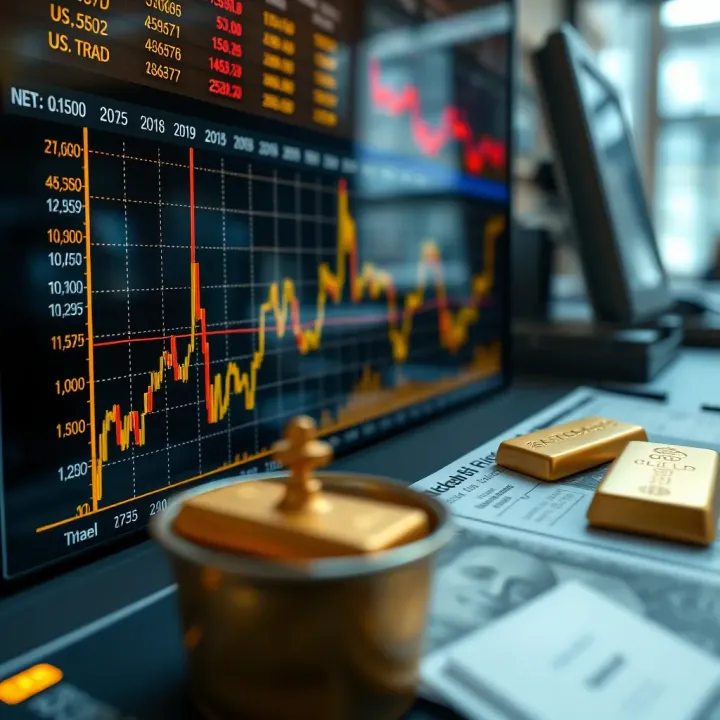
💰 Explore XAUUSD gold price moves vs USD with expert tips, key market drivers, strategies, and risk tips tailored for Nigerian traders ready to invest wisely.
Based on 6 reviews