
Trading Sites Guide for Nigerian Traders
Explore how to pick trading sites right for Nigerian traders 🇳🇬. Understand platform types, safe payment methods, and avoid common risks. Trade smart, earn ₦.
Edited By
Sophia Bennett
Forex trading robots, often known as Expert Advisors (EAs), are automated software programs that trade currency pairs on the foreign exchange market without needing you to click every button. These robots analyse market data, spot trading opportunities, and execute trades based on pre-set rules written in programming code.
For Nigerian traders, forex robots offer a way to overcome challenges like limited time to monitor the market around the clock, volatile naira exchange rates, and the need to stay disciplined amid emotional trading. However, before trusting your hard-earned ₦ to any bot, it's vital to understand how they work, their advantages, and the pitfalls.
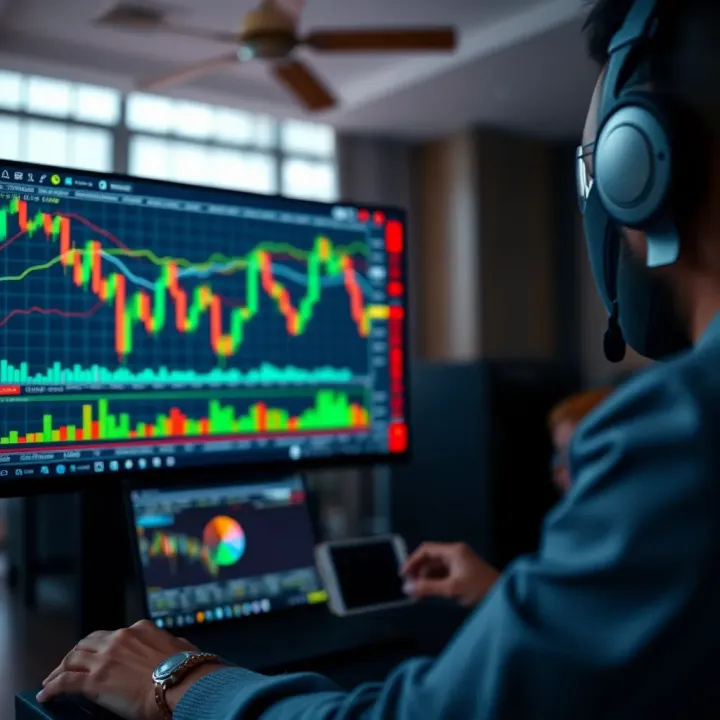
Forex robots follow algorithms developed from technical indicators or trading strategies. For example, a bot might use moving averages to determine when to buy or sell currencies like USD/NGN, or it might react to sudden price movements to catch short-term gains. These rules can be simple or quite sophisticated, depending on how the software is programmed.
Traders usually run these bots on platforms like MetaTrader 4 or 5, which are popular in Nigeria and globally. Automation means the robot trades faster than a human can, avoiding delays that cost precious profits.
Time-saving: Robots trade 24/7, freeing you from staring at charts in Lagos traffic rush or during ember months.
Emotion-free trading: Automated rules prevent panic selling or impulse buying—common issues in the unpredictable Nigerian market.
Backtesting: You can test robot strategies on historical data before risking real ₦.
Yet, these benefits come with caution.
Relying solely on forex robots without monitoring can lead to losses, especially with Nigeria’s unique market dynamics like currency restrictions and fluctuating liquidity.
Choose robots with proven performance verified through live accounts, not just flashy marketing.
Understand the basic programming logic behind your bot; this helps in tweaking settings to suit market changes.
Use risk management features – set stop-loss limits to protect your capital.
In the next sections, we will explore how to pick reliable forex trading robots and manage risks tailored to Nigeria’s trading environment.
Understanding how forex trading robots function is key for Nigerian traders looking to use automation effectively. These robots take away the need for manual trading by following set rules programmed into them. This helps traders save time, reduce emotional errors, and operate even when they’re offline. Knowing the operational basics equips traders to choose or customise a robot fitting Nigeria’s market realities, such as intermittent power supply and broker compatibility.
Forex robots are essentially software coded to execute trading strategies automatically. Programmers translate specific rules—like when to buy or sell based on price movements, indicators, or news events—into the code. For instance, a robot could be programmed to buy when the RSI indicator dips below 30 and sell when it rises above 70. This ensures consistency since the robot sticks to its strategy without second-guessing or emotions forcing rash decisions.
Once programmed, the robot uses algorithms—step-by-step rules—to scan the forex market data continuously. When conditions match the strategy criteria, the robot sends orders directly to the broker’s platform. The benefit here is speed and accuracy; while a human might hesitate or miss a trade during busy periods, the robot acts swiftly, especially critical during volatile news releases. It can open and close orders instantly, potentially locking in profits or limiting losses faster than manual trading.
Most forex robots work as add-ons or Expert Advisors (EAs) integrated with popular trading platforms such as MetaTrader 4 or MetaTrader 5. These platforms provide the interface for the robot to access live market prices and execute trades seamlessly. In Nigeria, many brokers support MetaTrader, making it convenient for traders to deploy robots without complex setups. Integration also allows traders to monitor performance in real-time and adjust settings like trade size or stop-loss levels as needed.
These robots identify and follow market trends, buying when an upward trend forms and selling during a downward trend. They work on the principle that prices tend to move directionally for a while, so catching the wave early can yield good profits. For example, a trend-following robot might use moving averages to detect crossovers signaling a new trend. In Nigeria, where major forex pairs can show clear trends, these robots suit traders aiming for medium-term positions rather than quick scalps.
Scalping robots focus on very short-term price movements, making many trades throughout the day to capture small profits on each. They rely on high-speed execution and low spreads to work effectively. Scalping requires a broker with fast order execution and minimal slippage, which some Nigerian traders find challenging due to network issues. However, with proper setup, such robots can add incremental gains especially in volatile market sessions.
Arbitrage robots exploit price differences for the same currency pair across different broker platforms or timeframes. They buy low on one platform and sell high on another simultaneously, locking in risk-free profits. Though this sounds ideal, Nigerian traders should note that brokers often restrict or discourage arbitrage due to associated risks. These robots require lightning-fast execution and low latency connections to be profitable, which may be difficult locally unless traders use well-optimised VPS services close to broker servers.
Automated trading robots are not magic; understanding how they operate lets you manage expectations and enhance outcomes in the Nigerian forex environment.
Forex trading robots offer Nigerian traders a new way to engage with the currency market, automating much of what used to require constant attention and quick reactions. Understanding both the upsides and the potential challenges is essential before committing your hard-earned ₦ to these tools.
Most Nigerian traders juggle multiple responsibilities—whether it's running a business, working a day job, or attending to family matters. Forex robots allow them to automate trades based on pre-set strategies, saving time and freeing them from the need to monitor markets constantly. For example, a trader in Lagos might set up a robot to trade during the London or New York sessions without having to be awake at odd hours, balancing trading with day-to-day commitments.
Automation also helps traders who are new to forex, removing the steep learning curve of manual execution. It allows focusing on strategy development and risk management rather than spend hours glued to screens.
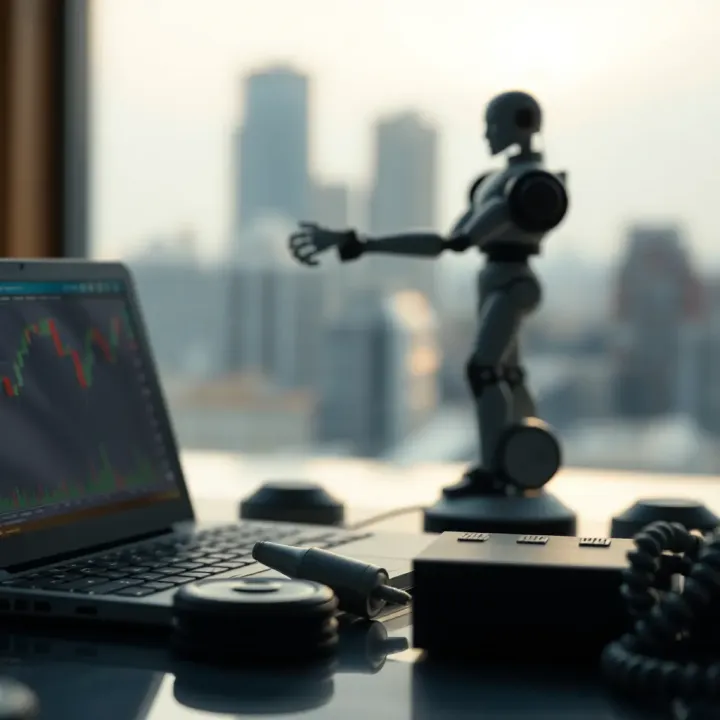
Emotions often cloud judgment in trading. Fear and greed lead many to make impulsive decisions, like closing a position too early or holding on too long. Forex robots operate without feelings, sticking to programmed rules. This means trades are executed based on data and strategy, not sentiment.
In Nigeria's volatile market environment, where unplanned political or economic news can suddenly shift currency prices, keeping emotions apart from trading can be a strong advantage. It can prevent knee-jerk reactions, especially during the ember months when markets tend to be more unpredictable.
Unlike manual traders, robots are not subject to tiredness or distractions. They can monitor and execute trades around the clock, a key benefit given the forex market is open 24 hours on weekdays globally. This continuous operation means no potentially profitable opportunities are missed due to sleep or other engagements.
For Nigerian traders who want exposure to markets when local brokers or platforms might be offline or when they cannot actively trade, robots keep the process running.
While robots offer automation, they are not foolproof. Blindly trusting a robot without understanding its strategy or market conditions can lead to significant losses. The Nigerian market can be quite volatile, meaning strategies that performed well in backtests might crumble under real market shocks.
Traders who rely solely on robots risk ignoring warning signs or failing to adjust parameters when market conditions change. For instance, a robot tuned for trending markets may perform poorly during range-bound sessions, leading to losing streaks if unattended.
Nigeria's infrastructure issues, particularly with internet and power supply, pose a real challenge for forex robots. Robots need a stable internet connection and uninterrupted power to function properly.
Power outages or slow internet can disrupt bot operation and cause missed trades or delayed executions, impacting overall profitability. Although traders can use VPS (Virtual Private Servers), the added costs might be a burden, especially for beginners or small-scale investors.
The forex robot market in Nigeria and beyond is unfortunately rife with unverified providers promising guaranteed riches. Some sell dodgy software that either fails to work or is outright fraudulent.
Traders must exercise caution, verifying performance claims and choosing robots from reputable sources. Engaging with trusted communities, seeking expert reviews, and starting with demo accounts can help avoid falling victim to scams common in the local market.
Despite their benefits, forex trading robots require careful management and realistic expectations, especially in the Nigerian trading environment. Understanding their pros and cons helps you use them without exposing yourself to unnecessary risks.
Choosing a reliable forex trading robot is essential for Nigerian traders seeking consistent results and protection against common local challenges. An effective robot should not only execute trades automatically but also suit Nigeria’s specific trading environment—considering factors like broker compatibility, power supply issues, and market volatility. Picking the wrong robot can quickly lead to losses, especially when dealing with unverified software designed without the Nigerian context.
Before investing in any forex trading robot, it’s crucial to verify its historical performance. Look beyond claimed profit percentages and seek verifiable records, such as third-party audit reports or verified trading results. For example, some robots boast high returns but operate on simulated data that doesn’t reflect real market conditions. Traders in Nigeria should prioritise robots with transparent track records shared on reputable platforms or through trusted communities.
Reviews from other Nigerian traders also offer valuable insights. Since market conditions in Nigeria differ from global markets due to factors like internet instability and local broker practices, feedback from local users can reveal whether the robot adapts well to these realities. Avoid relying solely on generic international reviews; instead, seek testimonials from users who trade within Nigerian or West African settings.
Not every forex robot works seamlessly with all brokers, especially in Nigeria’s fragmented forex brokerage landscape. It is vital to confirm that the robot integrates properly with your broker’s trading platform—for instance, the widely used MetaTrader 4 or 5. Some brokers use custom platforms or have restrictions that hamper robot functionalities.
Moreover, Nigerian traders frequently encounter delays and connection issues due to network instability or power outages. Select robots that can operate effectively with your broker, even in less-than-ideal internet conditions. Confirming broker compatibility also means checking whether the robot supports the currency pairs popular in Nigeria, such as USD/NGN or EUR/USD, and handles local regulations efficiently.
Trustworthy forex robots allow users to understand and adjust the trading strategy behind their automated decisions. Nigerian traders should avoid "black-box" robots that keep their algorithms hidden, leaving users clueless about risk levels or trade logic.
Transparency means you can tweak parameters like risk exposure, stop-loss limits, and trade frequency to suit your financial goals and tolerate local market fluctuations. For example, during ember months when markets may be volatile, having control over settings helps traders reduce risks. You should be able to inspect or receive clear explanations about the robot’s trading approach before committing.
Testing a forex robot on a demo account is a practical way to assess its performance without risking real money. Demo accounts simulate live trading environments, allowing you to observe how the robot executes trades in real time under different market scenarios.
Backtesting involves running the robot on historical market data to see how it would have performed previously. This helps identify strengths and weaknesses under varying conditions like trending or choppy markets. In Nigeria, where internet or electricity issues might disrupt trading, testing both live demo conditions and backtesting gives you a clearer picture of the robot’s resilience.
Tapping into Nigerian trading communities or forums can guide you towards reputable robot providers and warn you about scams common in the region. Experienced traders often share first-hand reports, offering candid advice on what works or fails in Nigerian trading corridors.
Expert reviews from known financial analysts or fintech platforms specialising in Nigerian markets add extra credibility. These reviews often cover aspects like robot reliability, ease of use, and after-sales support which are critical when you face challenges specific to Nigeria’s forex scene.
Selecting a forex trading robot is not just about the software’s capabilities but also how well it fits Nigeria’s unique market nuances. Verify, test, and seek local wisdom before you deploy any automated system to protect your investments.
By carefully considering these factors, Nigerian traders can avoid common pitfalls and make more informed choices about forex trading robots, increasing their chances of real profits in a demanding environment.
Grasping the basics of forex robot programming is a key step for traders who want to take greater control over their automated trading strategies. While using pre-built robots may seem straightforward, knowing how these programs are constructed allows Nigerian traders to customise settings and better respond to dynamic market conditions. This understanding also helps identify which robots align with specific trading goals, avoiding the pitfalls of blindly trusting unverified software.
MetaTrader platforms, especially MetaTrader 4 (MT4) and MetaTrader 5 (MT5), remain dominant choices for forex traders in Nigeria. Their popularity partly comes from the native programming languages—MQL4 and MQL5—that allow traders to create automated scripts or Expert Advisors (EAs). These languages are designed specifically for writing trading algorithms, making it easier to set entry and exit rules, manage orders, and include technical indicators.
For example, a trader could programme an EA in MQL4 to buy the EUR/USD pair whenever the 50-day moving average crosses above the 100-day moving average, and sell when the opposite happens. The direct integration with MetaTrader means the robot executes trades automatically, removing delays common in manual trading.
Python is gaining ground among forex traders due to its flexibility and extensive libraries for data analysis and machine learning. While not native to popular trading platforms like MetaTrader, Python allows traders to build complex strategies, backtest large datasets, and connect with brokers via APIs.
In Nigeria, traders with programming skills use Python to process market data and develop robots that adapt to changing conditions using historical patterns. For instance, a Python-based bot might analyse volatility to decide when to trade the Naira against the dollar depending on market activity. This approach is more involved but offers room for advanced customisation and integration with modern fintech tools.
One practical way to improve the performance of forex robots is by adjusting their trade parameters. These include elements such as the lot size, maximum number of trades, and timeframes. Customising these allows traders to align the robot’s behaviour with their risk appetite and market preferences.
For example, a Nigerian trader operating in a volatile market might reduce the lot size to manage potential losses better during unstable periods. Conversely, during calmer market phases, they could increase trade frequency or volume for more gains. These adjustments require some understanding of both market dynamics and robot configurations.
Incorporating stop-loss and take-profit settings into forex robots is essential for effective risk management. These rules automatically close trades at predefined loss or profit points, preventing runaway losses and locking in gains.
A well-set stop-loss can protect ₦100,000 investment from turning into ₦50,000, especially during unexpected events like sharp Naira fluctuations or news impacting forex markets. Take-profit rules ensure that once the robot meets a target, it secures the profits without hesitation. Without these safeguards, automated trading might lead to significant losses even if the overall strategy is sound.
An elementary grasp of programming boosts a trader’s ability to tailor forex robots, manage risk, and avoid overdependence on black-box systems. For Nigerian traders, this knowledge bridges the gap between mere automation and smart, adaptive trading.
Risk management is a must for Nigerian traders using forex trading robots. These automated systems can help save time and reduce emotional decisions, but they are not magic tools that guarantee profit without exposure. Understanding risks and how to handle them ensures you avoid severe losses and keep your trading on a steady path.
Forex robots execute trades based on pre-programmed rules and algorithms. Still, they cannot predict sudden market shifts or black swan events that cause drastic price changes. Automation works well in stable market conditions but falters when unexpected news—like sudden CBN policy changes or global economic shocks—hits the forex scene. In Nigeria, where market factors such as naira volatility or fuel scarcity impact forex sentiment, robots have clear limits.
Recognising these boundaries helps prevent overconfidence. For example, if a robot is set to trade the USD/NGN pair, knowing that forex market pauses or intervention by the Central Bank can disrupt algorithms means you shouldn't rely solely on automation without human oversight.
Volatility in forex markets can spike severally around major events such as elections or global economic announcements. Nigerian traders must anticipate these swings. Sudden price gaps may cause robots to execute trades at unintended prices or even fail to close positions on time.
It's practical to pause or adjust robot settings during such periods. For instance, many Nigerian traders disable automated trading in the days leading to the general elections or before the monthly CBN monetary policy review. Preparing this way helps reduce the risk of large, unexpected losses.
Stop-loss orders automatically close a trade when losses hit a certain point, protecting your capital from runaway losses. Incorporating stop-loss rules into your robot’s settings can prevent heavy drawdowns during volatile sessions.
Many Nigerian traders make the mistake of setting stop-loss too tight or too wide. A stop-loss placed too close may trigger frequent exits on minor fluctuations, while too wide a stop-loss could expose you to larger-than-acceptable losses. Careful testing and tweaking ensure stop-loss settings reflect your risk appetite and the volatility typical of currency pairs you trade.
Putting all your funds on one robot or single trading method is risky. Diversification—using robots with different strategies or trading multiple currency pairs—spreads risk. For example, combining a trend-following robot on EUR/USD with a scalping robot on GBP/USD reduces the chance that one market slump wipes out your entire portfolio.
This approach lowers exposure to specific market shocks and allows you to benefit when one strategy is performing better than others. Nigerian traders often overlook diversification and focus on “best-performing” robots, but this can backfire quickly during volatile periods.
Even the best robots need checking regularly. Market conditions evolve, and what worked last year may no longer be effective. Nigerian traders should review trade logs, performance charts, and error reports weekly or monthly.
If a robot underperforms or starts making unusual trades, adjustments or suspension may be necessary. Regular monitoring also helps catch technical glitches caused by power outages or internet problems common in Nigeria. A hands-on approach prevents small issues from escalating into sizeable losses.
Managing risks in forex trading with robots is about balancing automation with human judgement. Proper expectations, solid risk controls, and consistent oversight ensure your trading robot serves you well rather than works against you.
Explore how to pick trading sites right for Nigerian traders 🇳🇬. Understand platform types, safe payment methods, and avoid common risks. Trade smart, earn ₦.
Explore how forex trading offers Nigerian investors easy access, high liquidity, flexible hours, and profit chances with smart risk management 📈💡💰
Learn how forex trading works for Nigerian investors 🇳🇬. Discover practical steps, risk management tips, market factors, and Nigerian regulation to trade safely.
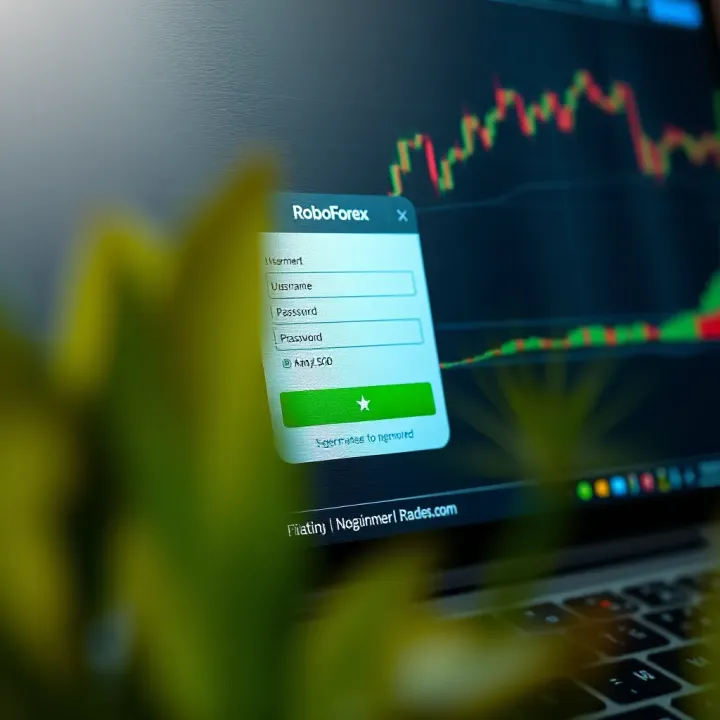
🔑 Learn how Nigerian traders can easily log in to RoboForex! From account setup, password recovery to troubleshooting, get secure access every time. 📈
Based on 6 reviews