
Trading Forex: A Practical Guide for Nigerian Investors
Learn how forex trading works for Nigerian investors 🇳🇬. Discover practical steps, risk management tips, market factors, and Nigerian regulation to trade safely.
Edited By
Charlotte Wells
Forex trading means buying and selling currencies on the foreign exchange market, aiming to profit from changes in currency values. For Nigerian traders, this market offers opportunities but comes hand in hand with risks linked to naira volatility, currency policies by the Central Bank of Nigeria (CBN), and economic factors.
Understanding forex is fundamental before placing your first trade. The forex market operates 24 hours a day on weekdays, allowing you to trade pairs like USD/NGN, EUR/USD, or GBP/USD. Nigerian traders often focus on currency pairs involving the naira because fluctuations here can impact potential earnings significantly.
Getting started requires grasping key terms like:
Pip: The smallest price move a currency pair can make.
Leverage: Borrowed funds to increase trading capacity; for example, 50:1 means you control ₦50,000 with just ₦1,000 of your own.
Spread: The difference between the buying (ask) and selling (bid) price.
Risk management is vital. Forex trading is not a guaranteed way to make money; you can lose more than your deposit if you don’t manage risks properly. Nigerian traders should use stop-loss orders to limit losses and avoid excessive leverage that could wipe out capital swiftly.
Choosing a trusted broker licensed by reputable bodies is essential. Look out for brokers accredited by the Securities and Exchange Commission (SEC) Nigeria or internationally recognised regulators. Reliable platforms like MT5 or proprietary apps with strong customer support help ensure smooth trading.
Remember, forex trading requires patience, discipline, and continuous learning, especially given the unpredictable fluctuations in the naira exchange rate and local regulatory changes.
To sum up, begin with a clear understanding of how the market works, learn the jargon, manage risks with care, and pick a dependable broker. From there, you can start practising with demo accounts before investing real money.
To trade forex effectively, you need a solid grasp of its basics. This foundation helps beginners make sense of market movements and trading decisions. Without understanding what forex involves and how it works, traders risk making poor choices that lead to losses.
Forex trading involves buying and selling currencies to profit from their changing values. Unlike stocks, forex is traded in pairs, meaning when you buy one currency, you’re selling another. For instance, if you expect the US dollar to strengthen against the euro, you would buy the USD/EUR pair. The goal is to buy low and sell high, or vice versa.
The scope of forex trading extends beyond banks or hedge funds; retail traders in Nigeria can join online platforms to trade small amounts, even from their phones. This access opens opportunities but requires knowledge of market behaviour.
Currency pairs are quoted as one currency against another, listed as base currency followed by the quote currency (e.g. USD/NGN). The price shows how much of the quote currency you need to buy one unit of the base currency. If USD/NGN is 460, it means one US dollar equals 460 Nigerian naira. Understanding these quotes is essential to determine trade values and profits.
This quoting system lets traders speculate on any currency combination, not just their own naira. For example, EUR/USD stands for euro against the US dollar, a globally traded pair.
The forex market operates 24 hours daily, spanning different financial centres in cities such as London, New York, Tokyo, and Lagos. This global nature means trades happen non-stop except weekends, giving Nigerian traders flexibility to enter the market at any time.
Also, global events from oil prices to political decisions affect currency values. For example, an announcement by the Central Bank of Nigeria (CBN) can move the naira exchange rate, impacting your trades.
Grasping core terms like pip, lot, spread, leverage, and margin helps you understand your trade sizes and costs. A pip is usually the smallest price movement – for the USD/NGN pair, this might be 0.01 naira. A lot represents trade volume, where one standard lot equals 100,000 units of the base currency. Beginners often start with micro-lots (1,000 units) to manage risk.
The spread is the difference between the bid (buy) and ask (sell) prices set by brokers. For instance, if the bid is 460.00 and ask is 460.05 for USD/NGN, the spread is 0.05 naira, which is effectively a trading cost.
Leverage allows you to control bigger positions with less capital, but it increases risk. Using 1:100 leverage, ₦10,000 lets you trade ₦1 million worth of currency, amplifying gains or losses. Margin is your required deposit to keep a trade open, so managing these ensures you don’t lose more than your capacity.
Understanding bid and ask prices is crucial. The bid price is the amount buyers are willing to pay, while the ask price is what sellers want. To enter a trade, you’ll usually pay the ask price and sell at the bid price, factoring in the spread.
Finally, base and quote currencies form the pair you trade. The base currency is the first in the pair (e.g., USD in USD/NGN), while the quote currency is the second (NGN). Trading gains or losses depend on how the base currency moves relative to the quote.
Mastering these basics equips you to approach forex trading confidently, especially as a Nigerian trader navigating the unique naira dynamics and global currency flows.
With this understanding, you stand a better chance of making calculated decisions—not just guesses—on your forex trades.
Before diving into forex trading, setting up properly in Nigeria is indispensable. This foundation ensures smooth operations, protects your investments, and helps you navigate local challenges like naira volatility and regulations. Setting up includes choosing a trustworthy broker, selecting fitting trading tools, and managing your funding well.
In Nigeria, picking a regulated forex broker is not just smart; it is necessary. Brokers licensed by bodies like the Nigerian Securities and Exchange Commission (SEC) or internationally recognised regulators (such as FCA, CySEC) offer an added layer of security. This oversight ensures brokers adhere to fair practices and safeguards your funds.
Many Nigerian traders have fallen victim to scams from unregulated operators. Verifying broker licences before signing up helps you avoid such risks. For instance, a broker regulated by SEC must comply with strict capital and reporting rules, which promotes transparency.
Past user experiences reveal a broker’s reliability more than flashy ads. Researching broker reputations through reviews, forums, and social media reveals how they handle withdrawals, trading conditions, and disputes.
Also, effective customer support tailored for Nigerian clients matters. Look for brokers offering prompt, clear communication channels, including WhatsApp or phone support during Nigerian business hours. This reduces frustration when technical or account issues arise.
Different brokers offer varied trading platforms. MetaTrader 4 and 5 remain popular for their ease and functionality. Some brokers also provide cTrader, which appeals to traders seeking advanced charting.
Account options range from micro to standard and VIP accounts. For beginners, micro accounts with low minimum deposits and small lot sizes suit well since they limit exposure while allowing practice in real-market conditions.
MetaTrader platforms dominate the Nigerian forex scene for their user-friendly interface and extensive tools. MT4 and MT5 permit automated trading, technical indicators, and custom scripts.
On the other hand, cTrader offers a modern feel with efficient order execution and advanced charting. Choosing a familiar platform reduces the learning curve and improves trade accuracy.
Given Nigeria’s busy cities and unreliable power supply, mobile trading apps offer flexibility. Apps from brokers like FXTM, OctaFX, and local-friendly platforms allow you to open trades anywhere—whether in traffic or at a mama put.
A reliable mobile app supports secure logins, real-time prices, and quick order placements. This is crucial to capture volatile market swings caused by local events or naira fluctuations.
Charts visually show price movements and trends. Indicators like Moving Averages or RSI help assess momentum and possible reversal points.
News feeds integrated into platforms keep you updated on economic releases or Central Bank announcements affecting currency pairs. Reacting fast to such news can prevent losses or seize profitable opportunities.
Nigerian traders can fund accounts through bank transfers, debit cards, USSD codes, or e-wallets like OPay and Paystack. Some brokers support direct NGN deposits, which reduce forex conversion hassles.
Ensuring the deposit method is fast and cost-effective avoids missed trading chances. For example, USSD payments allow quick top-ups without internet dependency.
The naira’s relative instability affects the true cost of deposits in foreign currency accounts. If the exchange rate worsens between deposit and withdrawal, your trading capital might shrink unexpectedly.
To mitigate this, some brokers provide NGN trading accounts or allow hedging against naira fluctuations. Being aware of these factors helps protect your funds’ value.
Withdrawal safety is as vital as funding. Use brokers that prioritise fast, transparent withdrawals through trusted Nigerian bank accounts.
Verify withdrawal conditions beforehand, such as minimum amounts and processing times. Watch out for brokers that delay or complicate withdrawals; such behaviour is a red flag.
Proper setup—right broker, trading tools, and funding approach—forms the backbone of successful forex trading in Nigeria. Paying attention to these details keeps your trading smooth, safe, and suited to the local market.
Creating a solid forex trading strategy is essential for Nigerian traders because it helps bring discipline and structure to what otherwise could be a chaotic marketplace. Without a clear plan, it’s easy to make impulsive decisions that drain your trading capital. A well-thought strategy sets out when to enter and exit trades, how much risk to take, and ensures you stay consistent despite the ups and downs of the market.
Economic indicators like Nigeria’s inflation rate, interest rates set by the Central Bank of Nigeria (CBN), or oil price movements significantly affect currency prices. For instance, if the CBN raises its policy rate, it could strengthen the naira against the dollar because higher interest rates attract foreign investment. Traders who focus on these indicators use fundamental analysis to predict market moves.
On the other hand, technical analysis involves reading price charts and recognising patterns such as head and shoulders, double tops, or trendlines. These patterns provide clues about potential price directions based on historical behaviour. For example, spotting a support level on the USD/NGN chart could signal a good buying opportunity.
Choosing between fundamental and technical analysis depends on your trading style. Day traders prefer technical methods since they make quick decisions based on price actions. Swing traders or those holding positions longer might lean on fundamental factors to forecast broader market trends. Some traders combine both approaches to improve accuracy.
Setting stop-loss orders is crucial—it’s a pre-set exit point that limits your loss if the trade goes against you. If you buy USD/NGN at ₦460 and set a stop-loss at ₦455, your maximum loss per unit is ₦5. Similarly, take-profit orders lock in gains once a target price is reached. These tools prevent emotional decision-making and safeguard your capital.
Calculating position size means determining how many units of currency to trade based on the amount you are willing to risk. For example, if your trading capital is ₦100,000 and you risk 2% per trade, your maximum loss per trade is ₦2,000. This calculation helps prevent overexposure.
Managing leverage is equally important. Leverage allows you to control larger positions with a small deposit, but it also magnifies losses. If you use 100:1 leverage, a 1% adverse price move wipes out your entire investment. Nigerian traders should use leverage cautiously, often sticking to lower levels like 10:1 or 20:1.
Demo trading lets you practise your strategies without risking real money. Most brokers provide these accounts with virtual funds and access to live market data. This helps you understand how orders work, test analysis methods, and adjust your approach without stress.
Assess your demo performance by tracking win-rate, risk-to-reward ratio, and consistency over several weeks. If you find repeated losses or emotional trading creeping in, it’s a signal to refine your strategy.
Transitioning from demo to live accounts should be gradual. Start with small amounts and avoid rushing into large trades. The real market tests your psychological strength since real money is involved. Nigerian traders sometimes underestimate this difference, leading to early losses. Patience and discipline over time build confidence.
Developing a trading strategy isn’t about predicting the market perfectly; it’s about managing risks, sticking to rules, and learning continuously. For Nigerian traders, this is the foundation of sustainable forex trading success.
Understanding the practical side of forex trading is key, especially for Nigerian traders navigating local economic conditions. This section highlights essential tips tailored to Nigeria’s unique forex landscape, including coping with naira fluctuations, following Central Bank of Nigeria (CBN) guidelines, and avoiding common traps.
Exchange rate swings affect your trading directly. When the naira weakens against the dollar or euro, your deposits may lose value, or your profits might shrink once converted back to naira. For example, a ₦100,000 deposit could suddenly reflect less if your trading platform bases accounts mostly in foreign currencies. You must keep an eye on naira trends, especially during periods of political uncertainty or fuel scarcity, which often trigger currency swings.
The CBN has strict forex policies to manage the naira’s stability. These regulations dictate how traders and brokers handle currency conversions, deposit limits, and repatriation of funds. Nigerian traders must comply to avoid frozen accounts or blocked withdrawals. Understanding these rules helps you choose brokers licensed by the CBN or those recognised internationally with a local presence. That way, you stay within legal boundaries and safeguard your funds.
Currency hedging offers a way to cushion against naira volatility. By opening positions in currency pairs that move inversely or by using specific forex instruments, you can reduce risks from sudden price changes caused by naira depreciation. For instance, if you anticipate naira weakening, hedging with USD trades can protect your capital. While hedging isn’t foolproof, it acts as insurance against unpredictable currency moves common in the Nigerian market.
Overtrading and emotional decisions are classic pitfalls. Traders sometimes rush into multiple trades because of excitement or fear of missing out (FOMO), leading to rapid losses. For example, opening many positions during naira depreciation without clear strategy often drains funds fast. Keeping to a disciplined plan and limiting daily trades helps preserve capital and focus on quality setups.
Ignoring market news and analysis can hurt your success. Nigerian economic events like CBN policy changes, fuel subsidy adjustments, or political developments impact forex prices heavily. A trader who overlooks such news risks making blind decisions. Regularly following financial updates through reliable sources ensures you make informed trades aligned with current realities.
Falling for scams and unregulated brokers is unfortunately common. Some platforms promise big returns with little effort, but lack regulation and reliable customer support. Nigerian traders should verify broker credentials with the CBN or international bodies like the FCA. Avoid offers that seem too good to be true or pressure you to deposit huge amounts quickly.
Platforms supporting NGN transactions smoothen your trading experience. Using brokers who allow deposits and withdrawals in naira avoids unnecessary conversion fees and delays. For example, brokers like FXTM, HotForex, or local fintech-based platforms provide NGN wallets and instant transfers.
Features suitable for beginners—such as user-friendly interfaces, educational resources, and demo accounts—are vital. Beginners benefit from platforms that simplify chart analysis, provide guided tutorials, and offer easy order execution without complex jargon. Mobile compatibility is especially important due to the high mobile internet usage in Nigeria.
Customer service and local support make a big difference. Quick responses in English, availability during Nigerian business hours, and understanding local banking issues help resolve problems fast. Platforms with responsive Nigerian-based teams or local offices build trust and convenience for traders.
Managing your trades with attention to local conditions, cautious broker choices, and solid risk strategies will set you apart in Nigeria’s dynamic forex market.
Learn how forex trading works for Nigerian investors 🇳🇬. Discover practical steps, risk management tips, market factors, and Nigerian regulation to trade safely.
Learn the essentials of forex trading for beginners 📈. Understand key steps, tools, strategies, and how to manage risks confidently in Nigeria’s ₦ market.
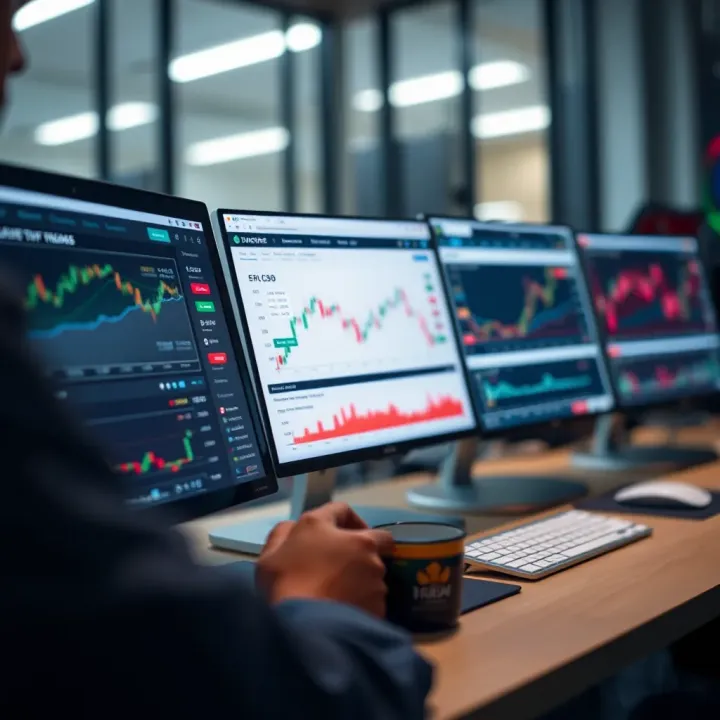
Explore how to pick trading sites right for Nigerian traders 🇳🇬. Understand platform types, safe payment methods, and avoid common risks. Trade smart, earn ₦.
Explore how forex trading offers Nigerian investors easy access, high liquidity, flexible hours, and profit chances with smart risk management 📈💡💰
Based on 6 reviews