
Benefits of Forex Trading for Nigerian Investors
Explore how forex trading offers Nigerian investors easy access, high liquidity, flexible hours, and profit chances with smart risk management 📈💡💰
Edited By
Emma Collins
Forex trading in Nigeria is a popular venture but one wrapped with risks, especially given the market's volatility and external economic forces. Many traders find their gains slipping away when they don't manage risks properly. This section sets the stage for practical, straightforward ways that local traders can protect their investments and reduce losses.
Understanding the local and global factors influencing forex rates is the first step. Events like central bank policy changes—such as the CBN adjusting interest rates—can shift exchange rates sharply. For instance, when the Central Bank of Nigeria changes the Monetary Policy Rate, it often causes ripple effects in the forex market, impacting the naira's value against dollars or pounds. Traders ignoring such moves expose themselves to avoidable losses.
An effective risk mitigation approach starts with clear strategies, not chasing the market blindly. Nigerian traders should always:
Use stop-loss orders to set limits on potential losses before opening a trade.
Avoid overleveraging, as too much borrowed capital may amplify both profits and losses.
Diversify trades rather than putting all funds into one currency pair. For example, mixing stable pairs like USD/EUR with more volatile ones like USD/ZAR can balance risk.
Trustworthy brokers registered with the Securities and Exchange Commission (SEC) Nigeria provide safer trading environments. Scams and fake platforms abound, so verifying broker credentials before trading is vital. Reliable brokers offer transparent pricing, proper account segregation, and quick withdrawal processes.
Besides tools and choices of brokers, staying updated with news from sources like CNBC Africa or Bloomberg helps traders anticipate market swings. Many Nigerian traders overlook how global economic data, US employment reports, or geopolitical tensions can cause sudden market moves.
Managing risks in forex trading is never foolproof, but Nigerians can reduce exposure by combining sound strategies, vigilant market watch, and disciplined trading habits.
Building this foundation will support the advanced tips in subsequent sections, helping you trade forex with confidence and less worry about sudden shocks that might wipe out your capital.
Understanding risks in forex trading is not just important — it is necessary for anyone serious about trading in the Nigerian market or beyond. The forex market is volatile and influenced by many uncontrollable factors. By recognising these risks clearly, traders can create strategies that protect their investments and avoid blowouts.
Market risk and currency fluctuations: Forex trading is fundamentally about exchanging one currency for another. Market risk arises when these currency prices move unexpectedly. For instance, the naira–dollar exchange rate may suddenly drop due to changes in oil prices or CBN monetary policy. Such fluctuations can quickly erode profits or increase losses, especially when positions remain open during turbulent periods. Nigerian traders need to understand that market prices react not only to local factors but also to global events, making sharp swings quite common.
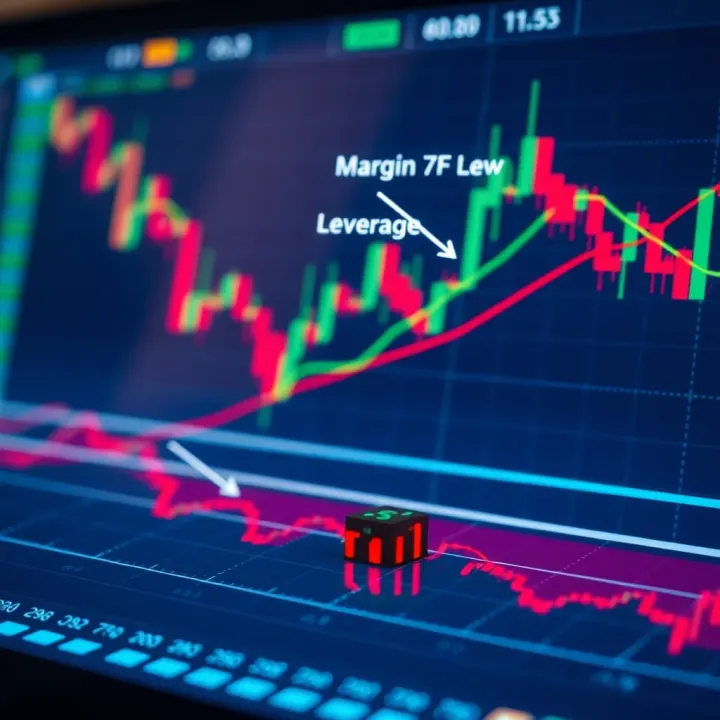
Leverage risk and margin calls: Brokers often offer leverage, allowing traders to control larger positions with less capital. While this amplifies potential profits, it also magnifies losses. For example, using 50:1 leverage means a 2% adverse move wipes out the trader’s capital. If the account equity falls below required margin, brokers issue margin calls demanding immediate top-up or position liquidation. Many Nigerian traders fall into the trap of excessive leverage, hoping to double gains fast but end up wiping out their accounts. Proper understanding and cautious use of leverage are thus key to surviving forex trading.
Counterparty and broker risks: Not all brokers are created equal. Some operate without proper licences or adequate safeguards, risking the trader’s funds. In Nigeria, unregulated brokers or scams have caused losses for unsuspecting traders. Selecting brokers regulated by appropriate authorities, such as SEC Nigeria or reputable international bodies, helps reduce this risk. A good broker also provides transparency, prompt withdrawals, and adequate security features. Failing to verify broker credibility can expose traders to fraud or sudden platform shutdowns.
Factors driving currency price swings: Volatility in forex markets stems from varied sources like geopolitical tensions, monetary policy changes, trade balances, and commodity price shifts. For Nigerian traders, oil price movements significantly influence the naira's strength and market mood. Unexpected announcements, such as changes in petrol subsidy or CBN’s intervention in the interbank market, can cause rapid price swings. Understanding these triggers helps traders anticipate periods of high risk and avoid entering positions blindly.
Effect of news and economic indicators: Economic data releases and news headlines act as catalysts in the forex market. Reports on Nigeria’s inflation rate, foreign reserves, or unemployment figures can reshape currency trends overnight. Additionally, global factors such as US Federal Reserve rate decisions or economic performance in China impact the naira because of trade links and foreign investment. To stay on the right side of volatility, Nigerian traders rely on economic calendars and news feeds to plan entries and exits around potentially market-moving events.
Traders who understand risks not only survive but also position themselves to make smarter, more confident decisions in unpredictable forex markets.
Practical risk management strategies offer traders a hands-on way to control potential losses and protect their capital in the unpredictable forex market. These strategies are not just theoretical; they provide clear rules and tools that traders can apply daily to avoid oversized losses, especially in volatile markets like the naira-dollar exchange. For Nigerian traders, practical risk management means balancing the thrill of profit opportunities with the discipline to exit losing positions early and lock in gains.
Stop loss orders are essential safety nets in forex trading. They automatically close a trade when the price moves against you by a certain amount, preventing catastrophic losses. For example, if a trader buys the USD/NGN pair at ₦460 and sets a stop loss at ₦450, the loss is limited to ₦10 per dollar if the market turns unfavourable. Without a stop loss, traders risk wiping out significant portions of their investment, especially with naira’s notorious volatility. Half a dozen such trades gone wrong without stop losses can end the trading day in a big loss.
Stop losses force discipline and help traders resist emotional decision-making. Nigerian markets often react sharply to CBN policies or global oil price changes, so having predetermined exit points shields traders from knee-jerk panic.
Just as stop losses limit losses, take profit orders lock in gains when the market reaches favourable levels. Choosing the right take profit point means understanding typical price swings and market momentum. For instance, if you enter a trade anticipating a 2% movement, setting your take profit at that level ensures a disciplined exit without greed creeping in.
Many traders mistake leaving positions open too long, hoping for more profits, only to see their gains slip away. Nigerian traders should consider local economic reports, oil price trends, and forex market hours when defining take profit levels. A take profit set too close may cut potential earnings, while one too far risks the market reversing before triggering the exit.
Leverage in forex lets traders control larger positions than their capital allows. While this can boost profits, it equally magnifies losses. Using leverage of 100:1 means a ₦10,000 investment controls ₦1,000,000 in currency. If the market turns against the trader by just 1%, the entire ₦10,000 can vanish quickly.
High leverage increases the chance of margin calls, where brokers demand extra funds to maintain open positions. This is harsh in Nigeria, where forex brokers might move quickly to liquidate accounts because of volatile currency movements. The stress of such losses often forces poor decisions, making the trader worse off.
For Nigerian traders, especially beginners, moderate leverage levels between 10:1 and 20:1 generally provide a safer trading environment. This range balances profit potential with a buffer against sudden adverse swings.
Experienced traders may explore higher leverage but only with rigorous money management and risk controls in place. Regulatory bodies like SEC Nigeria emphasise educated use of leverage to protect retail investors. That said, traders must always factor in the naira’s volatility and unexpected policy shifts, which can swiftly move markets against leveraged positions.
Managing practical tools like stop losses, take profit targets, and reasonable leverage can significantly cut potential damage in forex trading. Nigerian traders who apply these strategies tend to preserve their capital better and gain more confidence navigating the market.
With these practical steps in place, traders avoid gambling and instead engage in measured, calculated forex trading that suits Nigeria’s unique economic realities.
Finding a trustworthy broker and dependable trading platform is one of the smartest moves a forex trader can make. In Nigeria’s vibrant but sometimes unpredictable market, these choices have a direct impact on your ability to trade securely, efficiently, and profitably. A reliable broker safeguards your funds, provides fair execution, and offers tools tailored for the local environment. Similarly, a good platform must be user-friendly and shield your trading activity from cyber threats.
Regulation serves as a safety net for traders, ensuring brokers meet minimum standards. In Nigeria, the Securities and Exchange Commission (SEC) supervises capital market activities, including forex brokerage when they operate locally or target Nigerian investors. Choosing brokers licensed by SEC Nigeria means your funds enjoy a higher level of protection against fraud or mismanagement. Even international brokers with SEC recognition usually align with Nigerian financial rules, thus building traders’ confidence.
Beyond licensing, the broker’s reputation matters deeply. Traders often hear stories about delayed withdrawals or sudden account freezes characteristic of shady operators. A broker known for honesty, transparency, and prompt customer service eliminates such worries. For example, brokers with positive reviews on respected Nigerian trading forums or recommendations from seasoned traders typically deliver a smoother experience. Additionally, brokers registered with multiple regulatory bodies, such as the FCA (UK) or ASIC (Australia), often bolster their trustworthiness.
Several popular platforms have carved out strong followings in Nigeria. MetaTrader 4 (MT4) and MetaTrader 5 (MT5) remain favourites for their robustness and rich analytical tools. Meanwhile, platforms like cTrader and proprietary apps from brokers such as FXTM and XM also draw Nigerian traders by offering mobile-friendly interfaces and direct integration with local payment options. Picking a platform familiar to you or widely used by other Nigerians ensures easier troubleshooting and more community support.
Security features and ease of use significantly influence platform choice. Look for platforms that support two-factor authentication (2FA) to prevent unauthorised account access. Encryption of data transmissions protects sensitive details during trading sessions, especially on public networks. At the same time, a straightforward user interface reduces mistakes when placing orders or setting stop-loss levels, critical steps in managing risk. Platforms that integrate with local payment systems like USSD or bank transfers enhance deposit and withdrawal convenience, which many Nigerian traders appreciate due to naira liquidity issues.
Building your forex strategy on a well-regulated broker and a secure, user-friendly platform is not a luxury but a necessity. These choices reduce risk from day one and provide peace of mind in a market that often tests traders’ patience.
In short, always prioritise brokers with Nigerian SEC licensing or equivalents and platforms that combine security, simplicity, and Nigerian market compatibility. This approach sharpens your defence against scams and technical hitches, letting you focus fully on trading success.
Keeping abreast of market developments is an essential step to reduce risks in forex trading. Currency values can swing wildly on news, policy changes, or global events, so Nigerian traders must stay alert. Being informed allows traders to anticipate market moves and avoid surprises, which often translate into losses.
Central Bank of Nigeria (CBN) policies play a big role in shaping forex market direction locally. For example, decisions on interest rates, foreign exchange supply, or new forex regulations can cause sudden price changes. When the CBN adjusts its monetary policy rate, it influences the naira's strength against the dollar and other major currencies. Plus, global market moves — like changes in US Federal Reserve rates or geopolitical tensions — also affect naira pairs. That’s why understanding such factors helps traders position themselves smartly rather than reacting blindly.
A practical tool to follow these events is the economic calendar. Economic calendars list scheduled announcements — such as GDP releases, inflation data, or central bank meetings — that impact forex prices worldwide. For a Nigerian trader, marking dates of CBN policy meetings and major US or Eurozone reports helps plan trades ahead. Using an economic calendar encourages disciplined trading by avoiding opening positions just before high-impact events where volatility spikes and slippage risks increase.
Adopting technical and fundamental analysis sharpens your trading decisions. Technical analysis uses price charts and indicators to identify trends or entry points, while fundamental analysis examines economic data and news to assess currency value. For instance, spotting a recurring naira weakness with an uptick in Nigeria’s inflation rate can be a strong signal. Learning both approaches enables traders to navigate different market conditions with more confidence.
Nigerian forex traders have access to many resources that boost their knowledge and skills. Platforms like Investopedia and Babypips offer fundamental and technical lessons. Additionally, local forums and WhatsApp groups among traders serve as spaces to share insights, discuss CBN policy impacts, or forex broker reviews. Some brokers provide webinars or newsletters specifically tailored to Nigerian markets. Engaging with these helps traders stay sharp and ready to adjust strategies when necessary.
Staying informed is not just about following news but knowing how to use information to anticipate and manage risk effectively.
Being proactive with economic updates and continuous education keeps you ahead in a market where one wrong call can cost thousands of naira. Nigerian traders who combine awareness with solid analysis improve their chances of consistent profits in the unpredictable forex space.
Psychological readiness plays a significant role in how traders deal with the ups and downs of forex markets. Without a sound mental approach, even the best strategies can fail under pressure. Nigerian traders often face added challenges such as market unpredictability and emotional reactions to sudden naira volatility. Being psychologically prepared helps keep focus, patience, and clear thinking — key to reducing costly impulsive decisions.
Stress and fear often emerge during sharp market swings or consecutive losses. These emotions cloud judgement and prompt hasty trades just to recover losses quickly. For example, a trader seeing the naira weaken against the dollar might panic and buy or sell without research, leading to bigger losses. Recognising such feelings is the first step to controlling them rather than allowing them to drive decisions.
Maintaining discipline requires deliberate habits. Setting strict rules like never trading outside set hours or limits on daily losses can help. Some Nigerian traders use simple tactics such as pausing for a deep breath when nervous or journaling emotions to see patterns over time. Sticking to your predefined trading plan and avoiding chasing quick wins shields your capital from emotional shocks.
An effective trading plan clearly outlines entry and exit points, risk tolerance, capital allocation, and contingency measures for unexpected market moves. For instance, a Nigerian trader might specify only risking 2% of capital on any trade and always placing stop losses at a percentage below entry price. Such structured frameworks prevent guesswork and keep decisions objective.
Markets evolve and no plan fits all times. Regularly reviewing your trading outcomes and market conditions allows adaptation. For example, if naira experiences prolonged depreciation, a trader might adjust their strategies to hedge risk or switch currency pairs. By reviewing progress every fortnight or month, traders can tweak their plans to stay aligned with market realities.
Psychological preparedness is not an add-on but a necessity that keeps traders steady. It ensures emotions don’t dictate moves, making trading a calculated endeavour instead of a gamble.
By managing emotions and committing to a clear, tested trading plan, Nigerian forex traders improve their chances of consistent success while reducing avoidable risks.
Explore how forex trading offers Nigerian investors easy access, high liquidity, flexible hours, and profit chances with smart risk management 📈💡💰
📊 Learn how forex spreads affect trading costs and strategy decisions. Discover spread types and key factors to trade smarter in Nigeria's forex market.
📊 Learn how margin works in forex trading, why it's vital, how to calculate it, and the risks to watch. Essential for smart trading in the forex market.
📉 Understand deviation in forex trading: learn why price differences happen, its impact on your trades, and practical tips for Nigerian traders to handle slippage effectively.
Based on 13 reviews