
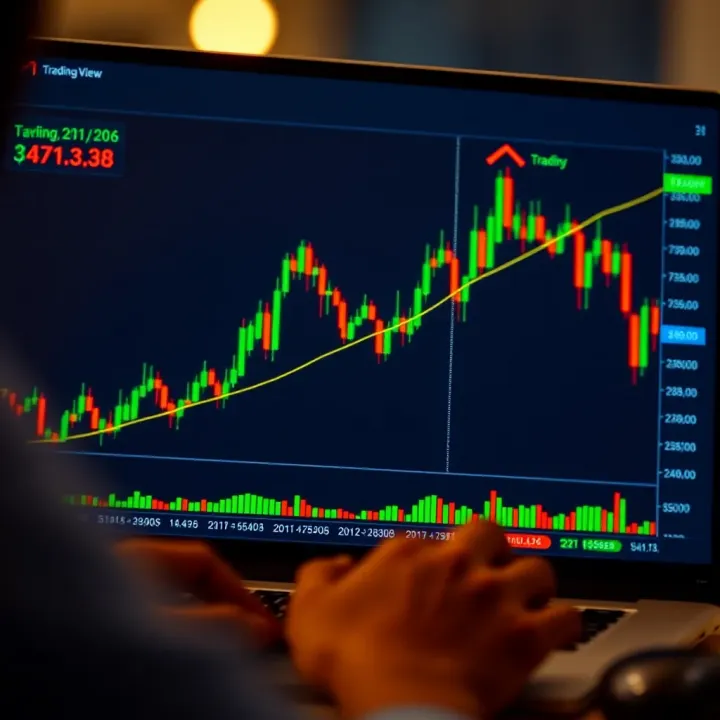
Using TradingView for Binary Options in Nigeria
📈 Discover how Nigerian traders can boost binary options skills using TradingView's chart tools, indicators & risk methods for smarter trading decisions. 🇳🇬
Edited By
Sophie Turner
TradingView remains a top choice for traders in Nigeria aiming to boost their binary options strategies using reliable technical analysis. Its user-friendly interface and strong charting capabilities make it an excellent tool for spotting market patterns and timing trades effectively.
In Nigeria, binary options trading faces unique challenges, including inconsistent internet connectivity and local platform restrictions. Even so, TradingView offers a practical way to sharpen analysis before placing trades on Nigerian binary options platforms.
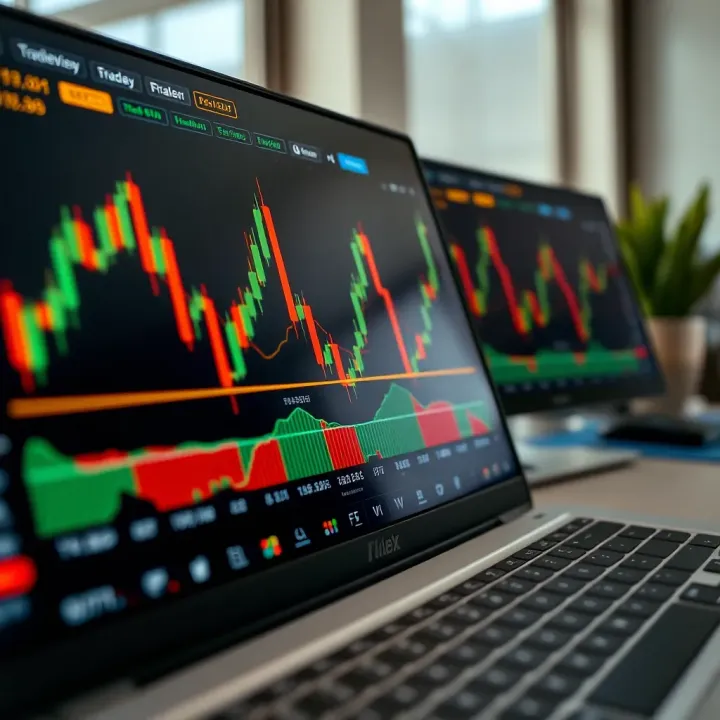
This article lays out how to set up TradingView, identify key features helpful to binary options traders, and apply these tools to develop practical trading strategies. We’ll also consider the local context, like how to manage connectivity issues and integrate TradingView insights with popular Nigerian brokers.
Success in binary options is tied directly to timing and market insight—TradingView gives you edge through visual clarity and actionable data.
Setting up TradingView starts with creating a free account, which provides access to a wide variety of chart types and indicators relevant to binary options—like moving averages, RSI, and Bollinger Bands. Paid tiers offer advanced tools but the free version generally suffices for most Nigerian traders beginning their journey.
Once logged in, you can customise charts for assets frequently traded in Nigeria, such as forex pairs involving the naira, commodities like oil, or global indices.
Key features for binary options trading include:
Real-time data feeds to track price movements accurately
Drawing tools for trendlines and support/resistance levels
Alerts that notify you when prices hit specific levels or indicators cross
Multi-timeframe analysis, which helps confirm signals on different chart scales
Applying these features means you can better anticipate short-term price movements—crucial for binary options where expiry times are tight. For example, combining RSI with moving averages can reveal when an asset is overbought or oversold, signalling a potential reversal.
Taking the extra step to understand TradingView’s capabilities empowers Nigerian traders to make smarter, data-driven decisions. While no tool guarantees profit, integrating TradingView insights reduces guesswork and improves confidence in both entry and exit points.
TradingView is an essential tool for binary options traders in Nigeria, offering reliable charting and real-time market data that can significantly improve trading decisions. Understanding its key features helps traders pinpoint entry and exit points with better accuracy, especially in the fast-paced world of binary options where timing is everything.
TradingView is a web-based platform that provides powerful financial charts and analytical tools. Its user-friendly interface gives traders easy access to a variety of chart types, multiple timeframes, and customisable technical indicators without the need for complex software installations. This accessibility makes it ideal for binary options traders who often need to react quickly with precise data.
The platform also offers a cloud-based setup, meaning your saved charts and indicators are accessible from any device, whether you’re on a desktop in Lagos or using a phone in Port Harcourt. This flexibility ensures you can keep up with market moves even when on the go or during power fluctuations common in many Nigerian cities.
TradingView covers an extensive range of markets relevant to Nigerian binary options traders. These include forex pairs like USD/NGN, major commodities such as crude oil and gold, as well as popular indices like the S&P 500 and Nigeria’s NSE (now NGX) indices. This wide coverage helps traders diversify their options and tap into the most active markets to find suitable binary trades.
For example, during periods of naira volatility, tracking USD/NGN on TradingView provides crucial insights that many local brokers’ tools may not offer. This advantage allows for better-informed decisions on currency-based binary options.
Binary options rely heavily on short-term price movements, sometimes lasting just minutes. TradingView’s charting tools allow you to set low timeframes—from one minute up to an hour—helping you capture immediate trends. Indicators like RSI (Relative Strength Index) and Bollinger Bands provide signals for overbought or oversold conditions, which can be vital in predicting quick price reversals.
Unlike many brokers’ basic charts, TradingView lets you combine multiple indicators and draw trendlines to identify support and resistance zones more precisely. This layered analysis helps you avoid guesswork and develop more robust trading signals.
Access to real-time market data is non-negotiable for binary options traders, since delayed price feeds can cause missed opportunities or wrong trades. TradingView provides near-instant updates across markets, meaning the price you see is the price you trade on.
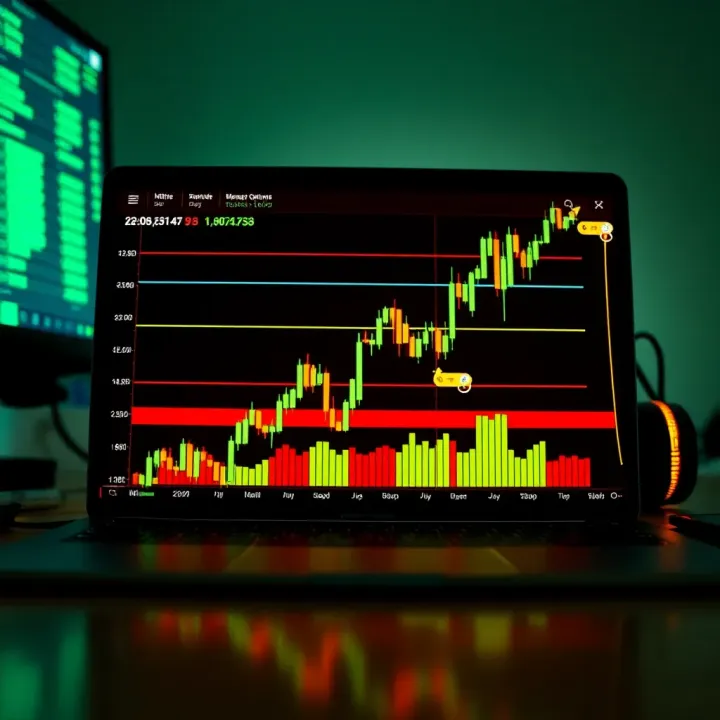
In Nigeria, where internet speed and connectivity can fluctuate, using a platform like TradingView that efficiently streams data reduces the risk of lag. This responsiveness can be the difference between a winning or losing trade.
Another valuable feature is TradingView’s community where traders share charts, trade ideas, and market forecasts. Engaging with this community gives Nigerian binary options traders access to wider perspectives and technical setups.
For instance, you might follow an analyst’s published chart highlighting upcoming resistance levels on the NGX index or get alerts on sudden shifts in commodity prices. These shared insights often help sharpen your trading plan and avoid common mistakes, especially in markets affected by local events or economic announcements.
Using TradingView not only equips you with technical tools but also connects you to a network where ideas flow freely, helping you stay sharp in Nigeria’s dynamic trading environment.
Setting up TradingView properly makes a big difference for binary options traders in Nigeria. Since binary options demands quick decisions based on short-term price moves, tailoring TradingView to fit this style is essential. This section explains the crucial steps from signing up to customising charts, helping you save time and sharpen your analysis.
Registering on TradingView is straightforward. You can start with a free account, which offers basic charting and a limited number of indicators — enough to get a feel for the platform. However, for binary options trading where you need faster updates and more powerful tools, consider the Pro plan. Its benefits include faster data refresh rates and the ability to have multiple charts open at once, which are useful for monitoring several assets or timeframes side by side. Many Nigerian traders opt for monthly subscriptions costing around $14 (about ₦7,000) — a worthwhile investment if you trade frequently.
Once logged in, the TradingView dashboard welcomes you with a clean interface, placing charts front and centre. The left sidebar holds drawing and technical analysis tools, while the right side lists chat and watchlists. Up top, you’ll find timeframes and indicator menus. Nigerian traders appreciate this layout because it puts everything needed for quick binary decisions within easy reach. Learning to navigate the dashboard quickly ensures you won’t miss important price signals during volatile periods.
Binary options trades often expire within minutes or hours, unlike traditional trades that may last days. That’s why setting chart timeframes between 1 minute and 15 minutes is practical for Nigerian traders. For example, if your binary option has a 5-minute expiry, using a 1 or 5-minute chart allows you to see price action clearly on the scale that matters. TradingView makes changing timeframes seamless, so you can switch and analyse multiple short-term charts quickly.
In Nigeria’s fast-moving markets, spotting volatility and trend direction helps anticipate price moves. Adding indicators like Bollinger Bands to measure volatility or Moving Averages to identify trends enhances your edge. Combining the Relative Strength Index (RSI) to detect overbought or oversold conditions sharpens entry and exit timing. These tools are essential for binary traders aiming to confirm signals rather than rely on guesses. Plus, TradingView’s extensive indicator library lets you experiment and find combinations that fit your style.
After tweaking your charts with timeframes, indicators, and drawing tools, saving your customised layout saves you plenty of hassle. Nigerian traders often face power cuts and unstable internet, so having your chart ready-made means you can quickly resume analysis without rebuilding from scratch. TradingView allows multiple saved layouts, making it easy to switch between different setups tailored for various assets or expiry durations.
Setting up TradingView the right way streamlines your binary options analysis and saves precious seconds when making trade calls, a big help when market moves are swift.
By focusing on these steps, Nigerian binary options traders can harness the full potential of TradingView to improve their decision-making process and enhance profitability.
TradingView offers several features that traders can use to sharpen their binary options strategies. Because binary options rely on predicting short-term price movements—often within minutes or hours—accurate charting tools and timely alerts on TradingView can make a real difference. The platform’s technical indicators help traders analyse market momentum and volatility, while drawing tools allow for clearer identification of entry and exit points. Combined, these features support faster, informed decisions, which are essential when the expiry time is tight.
Among the most popular tools for binary options trading on TradingView are the RSI (Relative Strength Index), MACD (Moving Average Convergence Divergence), and Bollinger Bands. RSI helps you spot overbought or oversold conditions in an asset by measuring recent price changes, which can signal possible reversals. MACD tracks momentum by comparing moving averages to identify trend shifts. Bollinger Bands illustrate volatility by plotting standard deviation lines above and below a moving average, showing when price moves become extreme.
Using these indicators individually helps you understand market behaviour, but combining them gives a better edge. For example, if RSI shows an oversold condition and MACD confirms a bullish crossover, you get additional confidence that the price may rise soon—a cue to buy a call option. Bollinger Bands can further confirm if the price is hitting a lower band, suggesting it might bounce back. This layered approach reduces false signals in volatile markets like forex or commodities often traded via binary options.
Drawing tools in TradingView—such as trendlines and support/resistance levels—help traders mark key price areas that often influence market moves. A trendline drawn along recent lows or highs acts as a visual clue for potential breakout or reversal points. Support and resistance levels highlight zones where price consistently struggles or bounces, giving traders simple areas to watch for binary option entries.
Setting price alerts is another practical feature. These alerts notify you instantly when an asset hits predetermined levels. For instance, if you set an alert at ₦500 for a stock, you’ll get notified the moment that price is reached. This saves you from watching charts non-stop, reducing the risk of missing a profitable entry.
In binary options, timing is everything. Combining drawing tools with alerts on TradingView can help you catch the moment when the odds shift, especially in fast-moving markets.
Using these features in tandem—smart indicators, clear drawing tools, and timely alerts—provides Nigerian binary options traders a strong framework to act fast, limit guesswork, and improve chances of success.
Using TradingView effectively means more than just analysing charts—it requires bridging those insights with Nigeria’s binary options brokers. Nigerian traders benefit from combining sophisticated technical analysis on TradingView with real-time execution platforms offered by local and international brokers. This synergy improves timing, sharpens trade decisions, and can enhance profitability.
Several binary options brokers have established a presence in Nigeria, making them popular choices for traders. Names like IQ Option, PocketOption, and Binomo are commonly used due to their accessible interfaces and support for naira deposits. These brokers typically offer simple buy/sell options with expiry times tailored for short-term trades, which aligns well with TradingView’s charting tools for quick analysis.
The practical edge comes when you use TradingView charts alongside these brokers’ trading platforms. For instance, a trader analysing a currency pair like USD/NGN on TradingView can identify critical support and resistance levels or spot breakout patterns before executing trades on IQ Option. Since many brokers’ own charts lack advanced indicators or are delayed, the live TradingView interface provides a more robust decision base.
One key hurdle Nigerian traders face is inconsistent internet connectivity and unreliable power supply. Frequent blackouts or fluctuating signals can disrupt crucial moments during binary options trades, especially when expiry times are short. Unfortunately, such interruptions can lead to missed trades or forced exits that affect earnings.
To counter this, traders should consider backup options like power banks or small inverters to keep devices running during outages. Also, using internet service providers known for stability in your locale can reduce downtime.
Choosing affordable data plans is another critical step. Most traders operate on mobile data, but high-speed data bundles can be expensive. Some providers, like MTN and Airtel, now offer special plans targeted at heavy internet users which balance cost and speed. Traders should test different plans during their typical trading hours to see which delivers consistent speed with minimal interruptions. Sometimes, subscribing to a mid-tier plan with stable speed is better than the fastest plan with irregular connectivity.
Consistent access to reliable power and internet is not just convenience but a necessity for binary options traders in Nigeria who depend on timely decisions.
A well-crafted strategy is the backbone of successful binary options trading, especially for Nigerian traders using TradingView. Having clear plans and best practices help reduce impulsive decisions, improve consistency, and ultimately boost profitability. TradingView’s tools offer actionable insights but only when combined with disciplined strategies.
Setting risk and reward parameters is fundamental before entering any trade. Determine how much of your capital you’re willing to risk on a single trade—say 1-2%—and set clear target rewards, such as aiming for two times your risk. This risk-to-reward ratio helps you manage losses and protects you from blowing your account during losing streaks. On TradingView, you can mark entry, stop-loss, and take-profit points on charts, making it simple to visualise these parameters and stick to your plan.
Backtesting ideas with historical data allows you to test your strategy without financial risk. TradingView provides access to past price movements across markets where binary options are popular, like forex pairs and commodities. For instance, if you use moving average crossovers as a signal, you can check how many times the strategy would have won or lost over the past three months. This practical step reveals the strengths or weaknesses of your approach, enabling you to refine it before going live.
Overreliance on single indicators can mislead you. For example, the Relative Strength Index (RSI) might signal overbought or oversold conditions, but using RSI alone without other confirmation tools like Bollinger Bands or MACD may lead to false entries. Effective traders combine several complementary indicators on TradingView to increase accuracy. Nigerian binary options traders often fall into this trap, especially when starting out.
Ignoring market news and local economic factors often hurts trading results. TradingView charts only show price action, but unexpected events—such as CBN policy announcements, fuel price changes, or political tensions—can shift markets sharply. Failing to consider these factors means your technical signals might not tell the full story. Nigerian traders should follow credible news sources alongside TradingView analysis to account for such influences, ensuring they make fully informed trades.
Remember, TradingView is not a crystal ball but a powerful tool. Combining solid strategies, disciplined risk management, and awareness of broader factors is the recipe for using it well in Nigeria's binary options scene.
By applying these strategies and avoiding common pitfalls, you are better positioned to navigate Nigeria’s fast-moving binary options markets with TradingView as your guide.
📈 Discover how Nigerian traders can boost binary options skills using TradingView's chart tools, indicators & risk methods for smarter trading decisions. 🇳🇬
📈 Learn how to use TradingView charts and tools to improve your binary options trading. Get setup tips, customization options, and platform linking advice.💡
📊 Explore binary options trading in Nigeria: learn how it works, assess risks, choose trusted platforms, understand regulations, and trade smartly with expert tips.

Find trusted binary options brokers in Nigeria! Learn how to spot legit platforms, check regulations, understand payment methods, and avoid scams 🛡️📊💸
Based on 10 reviews