
Binary Options Guide for Nigerian Traders
📊 Explore binary options trading in Nigeria: learn how it works, assess risks, choose trusted platforms, understand regulations, and trade smartly with expert tips.
Edited By
Sophie Harrison
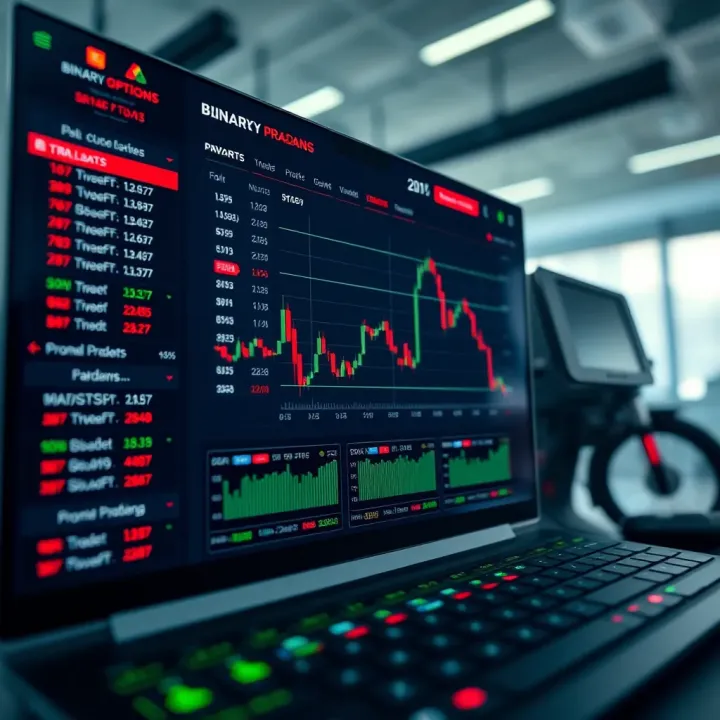
Trading in binary options has become increasingly popular among Nigerian traders looking for quick returns with straightforward financial products. However, success in this market often hinges on timely and accurate analysis. That's where TradingView comes in—a platform renowned for its advanced charting tools and diverse indicators, making it a strong ally for binary options trading.
TradingView provides Nigerian traders with real-time data across multiple assets, including forex, stocks, and cryptocurrencies, all of which can be traded through binary options brokers. Unlike basic trading interfaces, it offers detailed price action visuals, overlays, and customisable charts that highlight trends, support, resistance, and potential entry points.
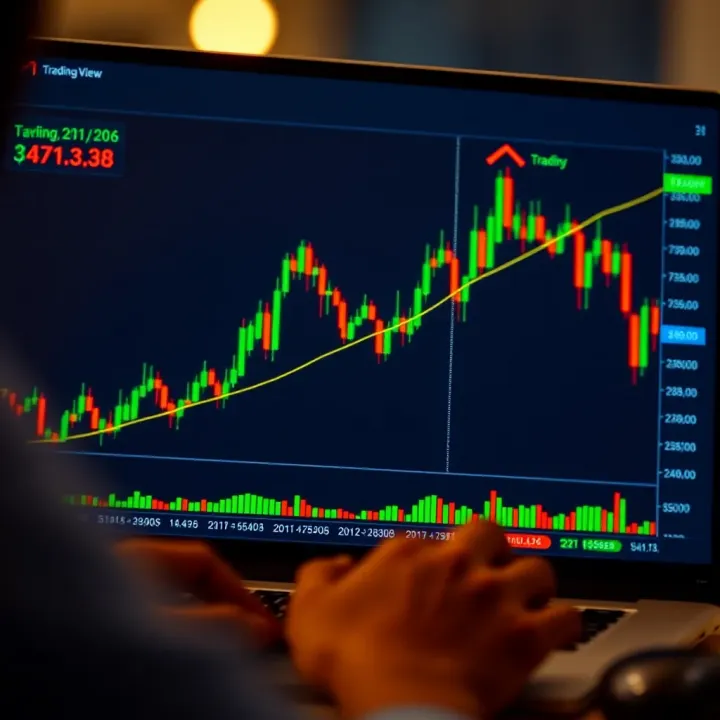
One practical way traders can leverage TradingView is by combining simple indicators like the Relative Strength Index (RSI) and Moving Averages. For example, spotting an RSI level below 30 could indicate oversold conditions suggesting a likely upward price movement within the short expiry time of binary options. Using TradingView to time such signals often sharpens decision-making compared to relying solely on broker platforms.
Furthermore, Nigerian traders benefit from the platform's social features. They can follow experienced analysts or join discussions centred on binary options strategies specific to volatile markets like the Nigerian Stock Exchange (NSE). This peer insight helps avoid common pitfalls, such as chasing false breakouts or ignoring market news that could impact price movements.
Using TradingView effectively is not just about having charts, but about interpreting them clearly. Traders in Nigeria must balance technical analysis with risk management, especially since binary options involve all-or-nothing payoffs.
In this article, you will find a breakdown of TradingView's key features relevant to binary options, including:
Customisable chart types tailored for short-term trades
Indicators and overlays most effective for expiry prediction
Ways to integrate TradingView with popular Nigerian binary brokers
Practical risk strategies to preserve trading capital
Armed with these tools and insights, Nigerian traders can improve their binary options approach, making better-informed moves in a market that demands precision and speed.
TradingView has become a go-to platform for traders worldwide, including those in Nigeria, who want to sharpen their skills in binary options. Understanding what TradingView offers can significantly improve how you analyse market movements and make decisions.
TradingView is an online platform that provides powerful charting tools and real-time market data across various asset classes like stocks, forex, cryptocurrencies, and commodities. Its user-friendly interface lets traders plot charts with ease, access a large library of technical indicators, and collaborate through shared trading ideas. For Nigerian traders, it’s like having a sophisticated trading desk without the hefty price tag.
Binary options trading is a simplified form of investment where you predict whether the price of an asset will rise or fall within a fixed time. If your prediction is correct, you earn a fixed payout; if wrong, you lose the investment for that trade. This structure demands quick, accurate decisions. Since trades often last minutes to a few hours, reliable chart analysis and timely alerts are vital for success.
TradingView suits binary options traders because of its rich set of tools that help identify price trends and market behaviour clearly. For example, a Nigerian trader tracking the USD/NGN forex pair can use TradingView to spot trend reversals or support and resistance zones crucial for timing trades.
Also, TradingView’s alerts can notify you instantly when an indicator crosses a certain level or when price breaks a trendline. This feature counts a lot, especially when operating amid Nigeria’s sometimes-unpredictable power supply and busy daily schedules.
Moreover, access to TradingView’s community forums and shared scripts means you can learn from other traders’ strategies or customise your chart setup to fit your trading style. Given the fast-moving nature of binary options, having a flexible and responsive tool like TradingView helps Nigerian traders stay ahead.
Using TradingView alongside your chosen binary options broker can boost your ability to make informed trades, reducing guesswork and improving your chances to manage risks well.
In summary, understanding TradingView’s role isn’t just about mastering charting; it’s about integrating a practical, efficient tool into your binary options routine to trade smarter in Nigeria’s unique market environment.
TradingView offers several tools that can sharpen the approach of binary options traders. These features provide a practical edge by enabling you to analyse market movements closely and make more informed trading decisions. For Nigerian traders, especially, who often operate under tight timeframes with limited access to pricey resources, TradingView's offerings stand out as both powerful and accessible.
The backbone of TradingView for any trader is its interactive charting system. These charts are highly customisable, allowing you to select from various chart types like candlestick, bar, line, or Heikin Ashi. Adjusting timeframes is straightforward—from seconds for ultra short-term binary trades to daily or weekly views for more strategic planning.
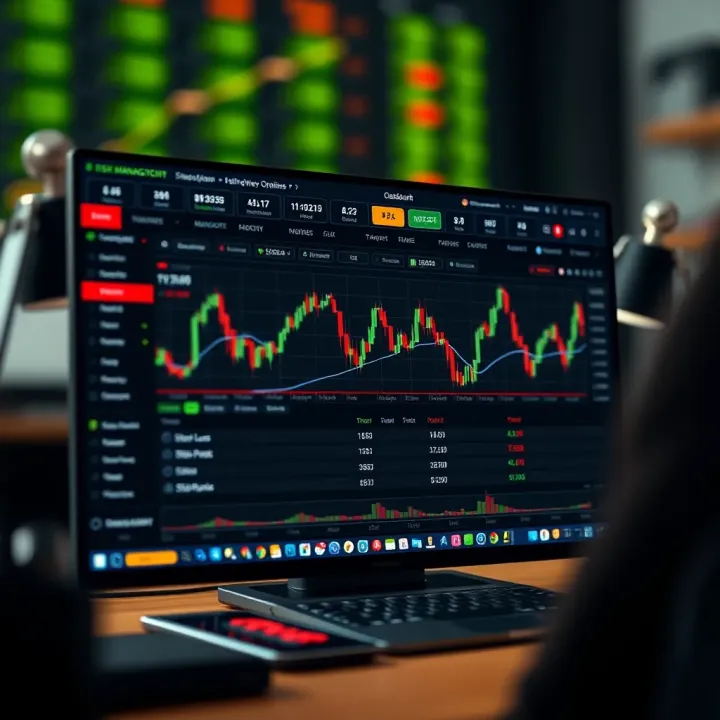
For example, if you are trading a 60-second expiry binary option on the Naira-Dollar pair, you can zoom into a 1-minute chart, spotting micro-trends and volatility spikes that drive your entry and exit points. Playing around with colour schemes and layout lets you reduce strain during long trading sessions, which is valuable for concentration.
TradingView hosts over a hundred technical indicators suitable for binary trading. Popular ones include RSI (Relative Strength Index) for spotting overbought or oversold conditions, Bollinger Bands for volatility, and moving averages that smooth out price data to highlight trends.
Alongside these, the drawing tools such as trendlines, Fibonacci retracements, and horizontal support and resistance lines empower you to map out critical price levels and potential reversal zones. Nigerian traders using this platform can combine these tools to construct a strategy, say, entering a binary trade when price bounces off a support line confirmed by RSI showing oversold levels.
Fast decision-making can mark the difference between profit and loss in binary options. TradingView helps by letting you set up custom alerts based on indicator thresholds, specific price levels, or chart patterns.
Imagine you want to receive a notification whenever the USD/NGN exchange rate hits a key resistance level, or the MACD crosses above the signal line indicating a possible upward move. You can receive these alerts via email, SMS, or app notifications, helping you to act fast, even when you're away from your trading screen.
Keeping an eye on alerts allows you to avoid missing out on short windows typical to binary options, especially in fast-moving markets like forex or commodities.
Together, these key features allow Nigerian binary options traders not only to read the market accurately but also to react with speed and confidence, increasing their chances of success. Using TradingView's toolkit properly can turn analysis into action seamlessly.
Analysing the binary options markets effectively is fundamental for any trader looking to improve their winning chances. TradingView offers a broad set of tools tailored to help Nigerian traders spot market movements, anticipate price shifts, and make more informed trades. Unlike guesswork or random clicks, using TradingView allows for systematic study of price action using proven methods.
Spotting market trends early can influence the timing of your binary options trades. TradingView’s charting system makes it easier to recognise whether an asset is trending upwards, downwards, or moving sideways. For example, if the price of a particular stock or currency pair consistently creates higher highs and higher lows, you’re likely in an uptrend, which might suggest a call option could be profitable. Conversely, a series of lower highs and lower lows points to a downtrend—an opportunity for put options.
TradingView’s pattern recognition tools also help spot formations like head and shoulders, double tops, and flags. These patterns serve as signals that a price reversal or continuation is coming. Nigerian traders can use these to time entries and exits rather than relying solely on intuition.
Support and resistance levels act like psychological barriers where prices tend to bounce or stall. TradingView allows you to draw horizontal lines to mark these key levels. For example, if an asset’s price struggles to move above ₦500 consistently, this level acts as resistance. When prices approach this barrier, binary traders prepare for a reversal or potential breakout.
Support levels, on the other hand, are price floors. If a currency pair like USD/NGN historically bounces off ₦430, watching its action around this level can guide your trading decision. Approaching support might trigger a call option if you expect the price to rise.
Using these levels keeps your trades grounded in solid price behaviour rather than guesswork, making your binary options strategy more reliable.
Volume and momentum indicators give insight into the strength and conviction behind price movements, crucial for short-term binary options trades. TradingView features popular tools like the Relative Strength Index (RSI), Moving Average Convergence Divergence (MACD), and On-Balance Volume (OBV).
For instance, if the RSI rises above 70, it signals overbought conditions, suggesting a possible price drop—an ideal setup for a put option. Momentum indicators help confirm if a trend is likely to continue or fade.
Volume, which measures the number of trades executed, shows whether price moves are backed by market interest. A price rise with low volume might lack strength, warning traders against a quick call option.
By combining these indicators on TradingView charts, Nigerian traders can better judge when a binary option trade has higher chances of success. It’s a practical way to read the mood of the market, beyond just watching prices.
Mastering these analytical techniques on TradingView offers Nigerian binary options traders a better grasp of market dynamics. Understanding trends, key price levels, and momentum not only informs smarter trades but guards against reckless speculation. Integrating these methods into your daily trading can improve consistency and reduce losses.
Integrating TradingView with binary options platforms offers Nigerian traders a practical way to enhance decision-making with real-time charting and technical analysis tools. This fusion allows you to apply TradingView’s advanced features directly while executing trades on your preferred broker's platform. Unlike relying solely on basic broker charts, this integration provides a clearer market picture, which is vital for the fast-paced nature of binary options.
Not all binary options brokers support integration with TradingView, so finding compatible platforms is essential. Brokers like Pocket Option and IQ Option offer partial or full support for using TradingView charts alongside their trading interface. For instance, Pocket Option allows traders to open TradingView charts in a separate window for detailed analysis before placing trades. However, direct API integrations where signals or trades execute automatically from TradingView remain rare.
Before choosing a broker, verify if they permit linking or viewing TradingView charts within their platform. Nigerian traders should caution against unknown or unregulated brokers promising seamless integration without proof. Always prefer brokers regulated by credible bodies such as CySEC or equivalent, ensuring reliability.
Most traders use TradingView for manual analysis, generating trade signals by studying indicators and chart patterns. Some third-party tools and scripts can send TradingView alerts via email or SMS, which you can then act on in your binary options broker interface. For example, setting an RSI crossover alert can notify you to call or put options on the underlying asset promptly.
Automated signal trading is limited. Nigerian traders need to be hands-on, interpreting TradingView’s alerts to avoid overreliance on automated systems, which sometimes lead to losses due to latency or false signals.
Integrating TradingView enhances trading clarity, allowing for deeper technical analysis with a wide array of indicators unavailable in most binary platforms. This improves your ability to spot trends, reversals, and entry points accurately.
However, integration is not without limits. Lack of direct order execution from TradingView means you still make trades manually, which can delay orders in volatile markets.
Also, some brokers restrict access to premium TradingView features, limiting full usage unless you upgrade your account independently. Plus, reliance on internet speed and device performance impacts the efficiency of switching between platforms during time-sensitive trades.
Overall, integrating TradingView with binary options platforms equips Nigerian traders with refined tools but requires discipline and awareness of the practical constraints. Use this setup to complement your strategy, not replace active market observation and risk control.
Binary options trading often appears straightforward, but succeeding consistently demands sharp strategies and solid risk management. Nigerian traders need practical advice tailored to local market nuances and trading conditions to avoid costly mistakes and maximise gains. This section lays out concrete guidance on managing risks, selecting indicators, and steering clear of common pitfalls.
Risk management is the bedrock of any successful trading plan, especially in the fast-paced binary options market. Nigerian traders should start by deciding on a fixed percentage of their capital to risk per trade, typically between 1% and 3%. For example, if you have ₦100,000 set aside for trading, risking ₦1,000 to ₦3,000 per trade keeps potential losses manageable while allowing you to stay in the game longer.
Besides capital allocation, setting stop-loss and take-profit levels, even if unofficially, helps keep emotions in check. A beginner might decide not to ruin the account chasing losses after three successive wrong trades. Consistency in applying these rules prevents impulsive decisions driven by fear or greed.
Ignoring risk controls often leads traders to wipe out their funds during volatile market swings, especially with Nigerian naira fluctuations and early morning lows on NGX.
While TradingView offers an array of indicators, Nigerian binary traders should focus on those that fit short-term decisions since expiry times are usually brief. Indicators like the Relative Strength Index (RSI) and Moving Average Convergence Divergence (MACD) help spot entry points by identifying overbought or oversold zones.
For instance, if the RSI drops below 30, it might signal an asset is oversold and due for a bounce, which can trigger a call option. Combining this with simple moving averages can reinforce the signal's reliability. On the other hand, too many indicators may cloud judgment, so selecting two or three reliable tools and mastering their interpretation is preferable.
Several mistakes can cost Nigerian traders dearly, especially when emotions and overconfidence take centre stage. One common error is chasing trades after losses, often called "revenge trading," which typically leads to bigger losses. Discipline to take breaks after a losing streak can protect your capital.
Another pitfall is ignoring market news affecting asset prices, such as Nigerian inflation reports or CBN policy changes, which can trigger unexpected volatility. Monitoring economic calendars alongside chart analysis ensures you are not caught off guard.
Lastly, many beginners neglect to test strategies on demo accounts before using real money. Experimenting with TradingView’s charting tools and virtual trades on broker platforms like Pocket Option or IQ Option allows you to understand market behaviour without risking your naira.
By following these practical steps, Nigerian binary traders can sharpen their approach and navigate the unique challenges within the local trading environment more confidently.
📊 Explore binary options trading in Nigeria: learn how it works, assess risks, choose trusted platforms, understand regulations, and trade smartly with expert tips.

Find trusted binary options brokers in Nigeria! Learn how to spot legit platforms, check regulations, understand payment methods, and avoid scams 🛡️📊💸
📊 Explore binary options trading in Nigeria with our guide: understand concepts, trading strategies, risks, and regulations to trade confidently! 🇳🇬
📊 Discover how to pick the best binary options trading platform in Nigeria. Learn platform types, spot trustworthiness, and trade smarter today! 🇳🇬
Based on 7 reviews