
Nigeria's Richest Forex Trader: Profiles & Strategies
Discover the richest forex trader in Nigeria 💰, their winning strategies 📊, market challenges ⚠️, and tips 💡 for making it big in Nigeria’s forex scene 🇳🇬.
Edited By
Sophia Bennett
Nigeria’s forex trading scene has transformed from a niche interest to a booming sector creating substantial wealth. While many see forex simply as buying and selling currencies, the country’s wealthiest traders approach it with a sharp blend of strategy, discipline, and adaptability to local market realities.
Unlike traditional stock trading, forex offers 24-hour access and high leverage, but the risks are equally high, especially with the naira's volatility and Nigeria’s unique economic factors. Those who rise to the top understand not only how to capitalise on global currency swings but also how to navigate local challenges such as unstable power supply, inconsistent internet connectivity, and regulatory shifts.
Profiles of Nigeria’s richest forex traders reveal diverse backgrounds. Some began with solid financial education, while others grew from informal trading groups in Lagos or Abuja. Many used fintech platforms like OPay and Paystack to streamline transactions and reduce costs. The rise of Naira-denominated forex pairs has also opened opportunities for traders who prefer dealing directly with local currency without exposure to foreign exchange conversion hassles.
Success in Nigeria’s forex market often depends less on capital alone and more on mastering risk management, understanding geopolitical and economic indicators, and patience to wait for opportune moments.
Systematic trading strategies: They employ clear rules, from technical indicators to fundamental analysis, reducing emotional decision-making.
Flexible adaptability: Given the naira’s frequent fluctuations and CBN policies, top traders adjust quickly to policy announcements and market reactions.
Use of technology: Leveraging smartphones, reliable VPNs, and fintech payment gateways to execute trades swiftly and securely.
Network and mentorship: Many have connections within trading communities or mentors who offer vital insights, helping them avoid common pitfalls.
Understanding these elements is essential for anyone planning to succeed in Nigeria’s forex market. The insight shared by the country’s wealthiest traders offers a practical roadmap, balancing aggressive profit goals with necessary caution and market awareness.
Forex trading has steadily become a vital part of Nigeria's financial landscape. Its growing popularity stems largely from the pursuit of wealth amid economic uncertainties and the appeal of accessible foreign exchange markets. Understanding this sector's overview lays the foundation for grasping the profiles and strategies of Nigeria's wealthiest forex traders.
The rise of forex trading in Nigeria tracks closely with increased internet accessibility and smartphone penetration across urban and semi-urban areas. For instance, between 2015 and 2023, data from the Nigerian Communications Commission (NCC) showed a significant boost in mobile internet subscriptions, opening doors for more Nigerians to participate in forex trading. Traders ranging from university students in Lagos to market women in Kano are engaging actively, viewing forex as an alternative source of income beyond conventional jobs or small-scale businesses.
Locally, stories abound of traders turning modest capital from ₦50,000 to ₦1 million within months, attracting more interest. However, these successes also highlight the risks of uninformed trading, as many new entrants jump into the market without adequate preparation.
Technology and fintech platforms have been game-changers, breaking traditional barriers in forex trading. Platforms like MTN Mobile Money, OPay, and Quickteller have simplified payment methods, allowing quicker deposit and withdrawal activities that suit fast-moving forex markets. Additionally, globally recognised brokerages such as IG or Plus500 have introduced Nigerian-focused services with local currency accounts and tailored customer support.
Moreover, educational tools embedded within these platforms, such as trading simulators and push notification alerts for market updates, give Nigerian traders a practical edge. This tech-driven approach enables traders to act promptly on market fluctuations caused by global events or CBN policy announcements, which are especially relevant to local market reactions.
Regulation remains a critical consideration for safety and sustainability in Nigeria’s forex market. The Securities and Exchange Commission (SEC) Nigeria oversees trading activities, setting rules to protect traders from scams and unregulated brokers. For instance, only brokerages registered with SEC and CBN should be trusted for operations within Nigeria.
The Central Bank of Nigeria (CBN) also plays a key role, especially given the impact of naira's exchange rate volatility on forex trading. The CBN’s frequent interventions in the foreign exchange market and policies on the official and parallel market rates shape trading strategies daily.
Traders should verify any broker's regulatory compliance status before investing, as the forex market in Nigeria remains fertile ground for both opportunity and fraud.
Understanding these aspects—the market's rapid growth, the impact of fintech, and the regulatory landscape—is essential for anyone aiming to join or analyse Nigeria's top-tier forex traders. It reveals why these traders prioritise certain strategies and how they navigate risks unique to the Nigerian context.
Understanding the profiles of Nigeria's richest forex traders sheds light on the variety of paths to success in this volatile market. It helps aspiring traders and investors grasp the diversity of approaches, backgrounds, and mindsets that yield consistent profits in the forex space. Detailed profiles offer concrete examples of how wealth emerges beyond mere luck, showing the practical strategies and market disciplines that can be replicated or adapted.
Veteran traders have survived several cycles of market upheaval, currency reforms, and regulatory changes in Nigeria. These traders, often with a decade or more of experience, demonstrate resilience and deep market knowledge. For instance, some have adapted to shifts like the naira’s periodic devaluations by mastering hedging strategies and effective liquidity management. Their longevity shows that patience and continual learning matter more than quick wins. They also tend to have disciplined risk controls and maintain detailed trading journals—a practice many upcoming traders underestimate.
The young generation of forex traders in Nigeria bring a fresh approach with technology savvy and innovative tactics. Many leverage fintech apps such as OPay and Flutterwave to execute trades swiftly and control their portfolios remotely. Unlike the older traders, they often combine forex with other income streams, including cryptocurrency and stock trading, diversifying risks amid naira volatility. These traders embrace social media for market insights and peer learning, which accelerates their development. They notably disregard the perception that forex is gambling, instead treating it as a serious business requiring research and discipline.
Women are steadily breaking the stereotype that forex trading is a male-dominated field. Female traders in Nigeria have shown remarkable skill in market timing and psychological discipline, vital for navigating fluctuating market moods. Some have launched mentorship programmes encouraging more women to enter forex trading, creating support networks and sharing strategies. For instance, women traders balance forex income with other ventures, such as agribusiness or tech startups, making them versatile in managing financial volatility. Their presence enriches the market by introducing diverse perspectives on risk management and growth tactics.
Studying these profiles reveals that success in Nigeria’s forex market comes from blending experience, innovation, and psychological strength. It reminds us that forex trading is not a one-size-fits-all game but a field where varied backgrounds and styles can thrive.
Understanding the nuances of these trader profiles guides investors and finance professionals to better tailor their strategies and partnerships in Nigeria’s evolving forex ecosystem.
Top Nigerian forex traders rely on tested strategies and practical approaches that help them navigate the often unpredictable currency markets. Their tactics are grounded in solid risk management, thorough analysis, and a keen sense of both local and global market movements. These elements work together to create a disciplined, informed trading style that minimises loss and maximises gains.
Risk management is the backbone of every successful forex trader's playbook in Nigeria. Given the market's volatility, top traders always define their risk tolerance—usually dedicating only 1-2% of capital per trade to avoid heavy losses. For example, a trader with ₦5 million capital might risk ₦50,000 per position, allowing multiple trades without risking the entire pot. They also use stop-loss orders to automatically close positions once losses reach a predetermined level, protecting them from sudden market swings, especially during events like Central Bank of Nigeria (CBN) policy shifts or unexpected naira fluctuations.
Combining technical and fundamental analysis helps traders make informed decisions. Technical analysis involves studying price charts, trends, and indicators like moving averages or RSI to predict future price movements. For instance, many Nigerian traders track the US Dollar (USD) to Nigerian Naira (₦) pair by identifying patterns such as support and resistance levels on platforms like MetaTrader. Fundamental analysis, on the other hand, focuses on economic indicators, central bank announcements, and geopolitical events. Traders often keep a close eye on CBN’s quarterly policies, oil price changes, or trade balance reports, which can heavily impact the naira's strength.
Successful traders understand that forex markets don't operate in isolation. Local events—like fuel subsidy adjustments or election cycles—can quickly influence naira demand and supply. Globally, traders watch shifts in the US Federal Reserve interest rates or the International Monetary Fund (IMF) economic outlooks tightly. By tracking these currents, Nigerian traders position themselves advantageously; for example, anticipating naira depreciation following global oil price drops helps them decide when to sell or hold foreign currency positions. They also use sentiment analyses and news feeds from Nigerian financial media to stay updated.
Effective forex trading in Nigeria demands a blend of sharp risk control, accurate analysis, and adaptability to local and international shifts. The top traders combine these strategies to build resilient portfolios even in challenging economic times.
Each of these practices is crucial for anyone aiming to thrive in Nigeria’s forex space. Understanding how to manage risk, analyse charts and economic signals, and factor in market trends sets apart the amateur traders from the consistently profitable ones.
Forex trading in Nigeria is not without its difficulties. Understanding the challenges can help traders prepare better and improve their chances of success. These challenges generally revolve around economic instability, regulatory hurdles, security concerns, and capital constraints.
Market volatility in Nigeria is often intensified by unpredictable economic events. For example, fluctuations in the naira's exchange rate heavily influence forex trading outcomes. Traders must navigate sudden shifts caused by government policies, fuel subsidy changes, or global economic pressures like oil price swings. The naira’s depreciation against the dollar in recent years has created both opportunities and pitfalls; while some traders profit from the shifts, others suffer significant losses due to unexpected currency swings.
Inflation and high-interest rates also add layers of complexity. When the Central Bank of Nigeria (CBN) adjusts monetary policy to curb inflation, this directly impacts forex liquidity and cost of capital for traders. Practical experience shows that successful traders often monitor economic indicators closely and factor in Nigerian local conditions beyond global forex trends.
Nigeria’s forex market is shaped by numerous regulatory restrictions aimed at controlling capital flows and curbing illegal activities. Frequent changes in CBN’s forex policies, such as restrictions on dollar availability or limits on repatriation, can disrupt trading strategies unexpectedly. Traders must stay updated with guidelines from CBN and the Securities and Exchange Commission (SEC) to avoid penalties or account freezes.
Security risks are another pressing concern. Cases of online scams, hack attempts on trading accounts, and fraudulent schemes involving unregulated brokers persist in the market. For instance, some traders have lost funds through unscrupulous firms posing as licensed brokers. Therefore, verifying broker credentials and using platforms with strong security measures are indispensable best practices.
Nigerian forex traders face a unique combination of regulatory unpredictability and security challenges that demand vigilance and adaptability.
Reliable capital remains a key hurdle for many Nigerian traders. Accessing sufficient funds is tough due to high interest rates and limited credit facilities tailored for trading activities. Without steady capital, maintaining leverage and managing risk become nearly impossible. It is common for traders to start with modest amounts, which restricts their ability to diversify or use advanced strategies.
Moreover, access to quality trading tools and market data is uneven. While global platforms like MetaTrader and Bloomberg terminals exist, subscription costs can be prohibitive. Localised fintech options such as Kuda and OPay have begun bridging some gaps, but many traders still rely on free or limited resources. This lack of premium analytical tools can put Nigerian traders at a disadvantage compared to counterparts in developed markets.
In sum, navigating these challenges requires a solid mix of financial discipline, regulatory awareness, and savvy use of available technology. Aspiring forex traders must build strategies that factor in Nigeria’s unique market environment to succeed consistently.
For anyone looking to break into forex trading in Nigeria, learning from the pros is no small matter. Understanding the pathways and pitfalls that Nigeria’s wealthiest forex traders have navigated can save you time and hard-earned naira. This section outlines practical lessons to build a solid foundation, maintain discipline, and leverage technology effectively.
Forex trading demands more than just luck; it requires deep understanding of how global currencies move and how Nigerian economic forces influence the naira. Aspiring traders should invest time in studying fundamental concepts such as currency pairs, pip values, and leverage ratios. For example, knowing how Central Bank of Nigeria (CBN) policies affect currency fluctuations helps traders avoid costly mistakes during volatile periods.
Joining credible courses and reading materials tailored to the Nigerian market sharpens your skills. Many successful traders started by mastering the basics through platforms like the Nigerian Stock Exchange (NGX) tutorials or local fintech webinars before risking actual capital. The right knowledge also means staying updated on geopolitical developments, global economic indicators, and local fiscal measures.
Discipline separates profitable traders from those who lose repeatedly. Successful forex investors in Nigeria stick to clear trading plans and avoid emotional decisions. For instance, traders often set stop-loss orders to limit their downsides rather than chasing quick gains impulsively.
It helps to keep a trading journal to record every trade’s outcome and the reasoning behind decisions. Over time, this practice reveals personal biases and common errors to correct. Also, managing risk by never risking more than 1-2% of your capital on a single trade is a common practice among top Nigerian traders. Without discipline, even the best knowledge can evaporate with one bad trade.
Technology has transformed trading in Nigeria, with fintech firms such as Paystack and Flutterwave enabling smoother funding and withdrawals. Top traders use charting software and real-time data analytics to spot patterns early. For example, combining MetaTrader 4 with Nigerian economic feeds offers precise entry and exit signals.
Beyond tools, building a network of fellow traders can provide motivation and shared insights. Online forums, Telegram groups focused on Nigerian forex markets, and mentorship arrangements have proven valuable. These networks help you learn from others’ experiences, stay accountable, and adapt to changes faster.
Becoming a successful forex trader in Nigeria isn’t about shortcuts. It demands serious study, steely discipline, and smart use of technology combined with community support. This trio forms the foundation for building real wealth in forex trading.
By absorbing these lessons, aspiring traders can face the market’s ups and downs confidently and learn from Nigeria’s wealthiest forex experts who paved the way before them.
Discover the richest forex trader in Nigeria 💰, their winning strategies 📊, market challenges ⚠️, and tips 💡 for making it big in Nigeria’s forex scene 🇳🇬.
Discover what sets top forex traders in Nigeria apart 🇳🇬. Learn key traits, winning strategies, and the trading environment that fosters success 📈.
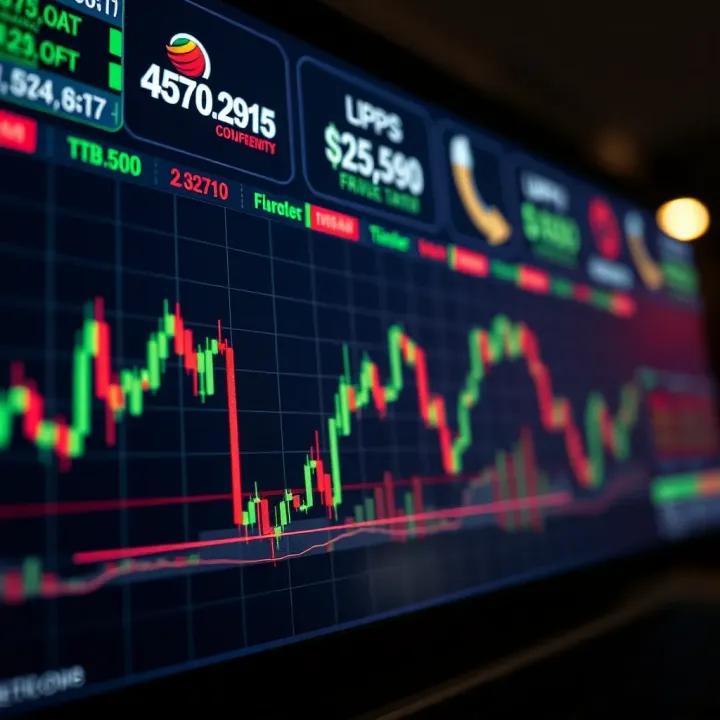
🔍 Explore top Nigerian forex traders, their winning strategies, local market insights, and expert tips to boost your trading success in Nigeria's forex scene.
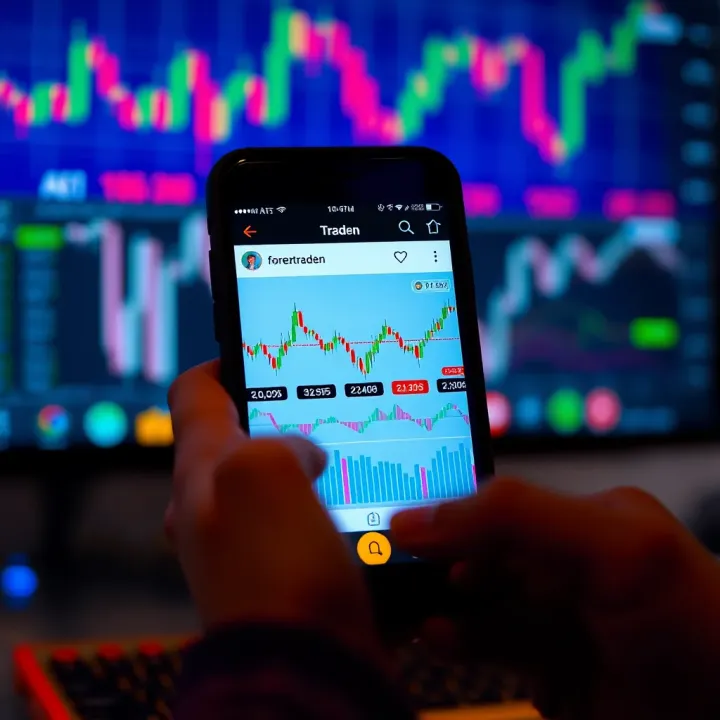
Explore how female binary options forex traders on Instagram share strategies, build a community, face challenges, and navigate regulations 📊👩💼📈
Based on 9 reviews