
Managing Transaction Limit Exceeded Issues in Nigeria
Discover why transaction limit exceeded errors happen in Nigeria 🇳🇬. Learn to manage limits, avoid payment disruptions, and keep your finances smooth 💳✅.
Edited By
Ethan Clarke
The 'exceeded limit' message is a common hurdle for many users of Nigerian digital services, especially on platforms like mobile banking apps, online trading systems, and digital wallets. Whenever you see this warning, it means you've reached the maximum allowable threshold for a transaction or a set of transactions. These limits exist primarily to safeguard users and financial systems against fraud, money laundering, or regulatory violations.
In Nigeria, the Central Bank of Nigeria (CBN) alongside other regulators impose transaction ceilings that vary depending on the service type and user verification level. For example, a bank might restrict daily transfers to ₦1 million for unverified accounts but allow ₦5 million for fully verified ones with BVN (Bank Verification Number). Nigerian fintech platforms like Paystack or Flutterwave also enforce caps in line with CBN policies and their risk management frameworks.
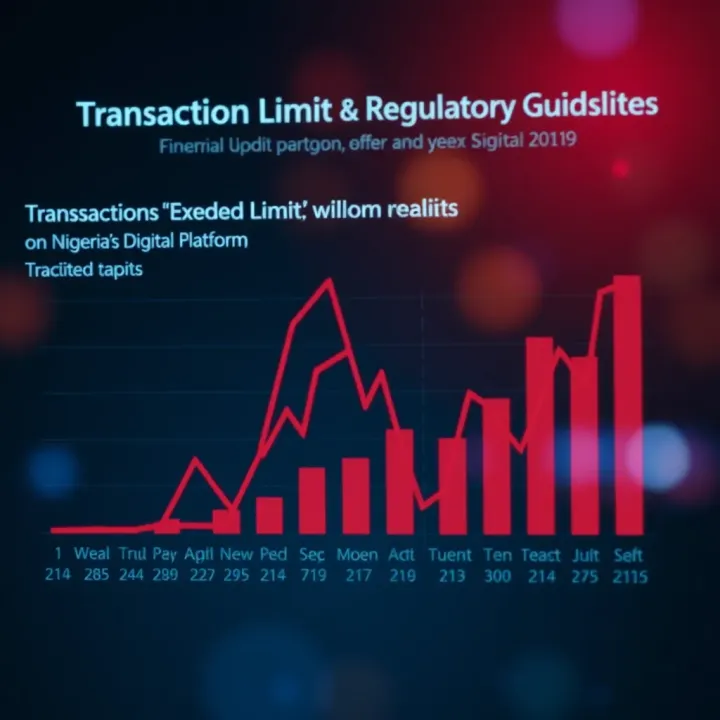
Understanding these limits helps traders and investors plan transactions better, avoid disruptions, and reduce frustration when funds fail to move as expected. It also clarifies why high-volume traders and finance professionals must upgrade or verify their accounts to access higher limits.
Transaction limits, while restricting, are essential safety nets designed to protect both users and businesses, but knowing your platform's specific limits and how to manage them can make all the difference.
Some practical tips include checking if your account has completed all necessary verification steps, splitting a large transaction into smaller amounts, or timing transactions across multiple days. Businesses can also negotiate higher limit tiers by providing additional documentation to their banks or payment providers.
This article will explore the root causes of the 'exceeded limit' issue, its effects on Nigerian digital service users, and actionable ways to manage or circumvent these limits effectively, helping you make smarter financial moves in Nigeria's evolving digital space.
'Exceeded limit' messages can be frustrating, especially when you urgently need to complete a transaction. Understanding why these limits exist on Nigerian digital platforms helps users and businesses navigate and plan transactions better. These limits mainly arise from transaction caps set by apps, verification tiers for customers, and network provider restrictions.
Most Nigerian banking apps and mobile money services place clear caps on daily and monthly transactions. These thresholds vary widely by platform and user status but typically aim to prevent fraud and reduce risk exposure. For example, a user might be limited to transferring ₦100,000 per day or ₦1 million monthly. If you run a small business, such caps can sometimes feel tight but they encourage users to manage their transaction volume carefully.
Verification levels directly affect transaction limits. Customers with basic accounts have much lower daily and monthly caps compared to fully verified users. Verification involves submitting identity documents like the Bank Verification Number (BVN) or National Identification Number (NIN). This tiered system helps balance security concerns with user convenience. By upgrading verification, customers commonly unlock higher limits, making larger transactions smoother and less interrupted.
Kuda Bank often restricts unverified users to ₦50,000 daily transfers but increases limits substantially once BVN verification is complete. GTBank applies similar tiered limits, where verified users gain access to higher daily and monthly transaction thresholds than unverified counterparts. OPay also caps USSD transactions and wallet transfers, offering more flexibility once user details are confirmed. These concrete differences show that verification is key to avoiding 'exceeded limit' notices across popular platforms.
USSD remains a popular method to access banking services in Nigeria, especially where internet is patchy. However, networks impose transaction limits to control fraud and network congestion. For instance, you might find that transferring more than ₦20,000 via USSD triggers an 'exceeded limit' message. This restriction nudges users towards app-based transactions and helps telecom providers handle operational risks.
Point of Sale (POS) terminals also have limits on total daily transactions per card or terminal. Merchants may be allowed a maximum turnover per day, say ₦500,000, beyond which the terminal won’t process new transactions. This rule helps mitigate fraud and cash flow risks for banks and card issuers. For traders relying heavily on POS payments, knowing these limits aids in planning daily sales strategies.
Naira’s frequent fluctuations impact transaction limits indirectly. Providers sometimes adjust their caps to protect themselves against currency depreciation risks or to align with Central Bank of Nigeria (CBN) policies. For example, a ₦1 million limit might be reviewed during periods of high volatility to reduce exposure. This adjustment means users should stay alert for periodic changes in permissible transaction amounts.
Understanding these common causes empowers you to navigate Nigerian digital finance without unexpected interruptions. Verifying your account and knowing provider limits can smooth your financial transactions significantly.
When digital platforms display an 'exceeded limit' notice, it doesn't just frustrate users; it often disrupts daily financial activities that many Nigerians rely on. For traders, investors, and finance professionals, understanding these implications is vital to maintaining smooth transactions and avoiding unnecessary delays.
Small-scale businesses, such as roadside sellers and market traders, often depend on mobile money platforms or banking apps for quick payments, especially during busy periods like ember months. When transaction limits are hit, these businesses can’t make or receive payments in real time. For instance, a mama put in Oshodi who tries to transfer ₦150,000 but hits the daily limit may be forced to stagger payments or delay orders. This slows down cash flow, affecting supply chains and earnings.
Frequent online shoppers using platforms like Jumia Nigeria or Konga sometimes face disruptions when their purchases exceed a set transaction threshold. If a shopper tries to pay more than their allowed monthly limit on their banking app, they risk transaction failure, especially when buying multiple items or bulk goods. This irritates users and may push them to rely on less secure, informal payment channels.
Some organisations use mobile and digital platforms for salary payments or vendor transfers. When these collective payments surpass transaction caps, payroll processes get postponed. For example, a small Lagos startup trying to pay its 10 staff ₦50,000 each via a banking app may confront daily transfer limits, forcing payments in batches and causing delays that strain employer-employee relationships.
Transaction limits primarily exist to prevent illegal fund movements. AML guidelines require financial institutions to monitor suspicious activities, spot unusual large transfers, and block attempts to launder money or finance crime. For instance, when a single customer attempts daily transfers exceeding thresholds, the system flags it for review. While this protects the financial system, legitimate users sometimes face inconveniences as their activities come under scrutiny.
The Central Bank of Nigeria (CBN) enforces these limits to protect consumers and ensure market stability. Their regulations set clear thresholds for different types of accounts based on verification levels. By applying these rules, CBN balances curbing fraud and facilitating access to digital finance. Firms that ignore these provisions risk penalties, while users must comply to avoid service interruptions.
The challenge lies in ensuring transaction limits do not hinder real business activities while maintaining security. Platforms attempt this by tailoring limits according to user verification and risk profiles. Traders and finance professionals should upgrade their KYC (Know Your Customer) status via NIN and BVN registration to enjoy higher limits. Meanwhile, cautious transaction scheduling can ease this balance, allowing smooth operations without compromising safety.
Transaction limits in Nigerian digital services reflect a fine balance between protecting users and ensuring functional commerce. Understanding their practical effects can help businesses and individuals navigate the system smoothly.
This section highlights how exceeded limits ripple from individual users to entire businesses, affecting both daily convenience and wider financial security.
Managing the 'exceeded limit' challenge is essential for traders, investors, and finance professionals who rely heavily on Nigerian digital platforms to execute transactions smoothly. Understanding practical steps to avoid hitting these limits can save you time, reduce frustration, and improve transaction efficiency.
Linking your Bank Verification Number (BVN) with your National Identification Number (NIN) is more than a regulatory requirement; it opens doors to higher transaction thresholds. Banks and fintech firms often lower transaction caps for accounts without proper identification to curb fraud. Completing this verification allows your bank or payment platform to confirm your identity, raising limits and providing access to more services.
For example, Kuda and GTBank allow more seamless funding and withdrawal options once customers verify their NIN alongside their BVN. In effect, this step reduces the likelihood of running into daily or monthly limits that can disrupt business operations.
KYC (Know Your Customer) compliance is the backbone of transaction limits in Nigerian digital services. The more complete your KYC profile is, including proof of address and source of income, the higher your allowed transaction margins. Certain fintech platforms permit tiered account upgrades, where submitting additional documents, such as utility bills or tax receipts, increases transaction ceilings.
This is especially relevant for SMEs and brokers who need to handle large sums without frequent interruptions. Platforms like Flutterwave and Paystack offer higher limits for merchants with full KYC details, helping them avoid the 'exceeded limit' roadblock during peak transactions.
Splitting a big transaction into smaller ones is a straightforward method to skirt daily or monthly limits. For instance, instead of paying a ₦1 million supplier in one go, dividing the amount into ₦200,000 payments spread over a few days keeps you within limits while maintaining business operation.
This tactic is crucial for traders who regularly move large sums but encounter restrictions on single transactions. It prevents transaction failures without violating platform policies and keeps accounts in good standing.
Knowing when your limit resets can help schedule transfers more effectively. Most Nigerian banks and fintech apps refresh daily limits at midnight, so organising payments either before or after the reset clock works.
For example, a broker paying multiple clients might space transactions between late evening and early morning to maximise the allowed daily volume. This scheduling minimises service interruptions and potential delays in business cycles.
Not all platforms have the same transaction ceilings. While some, like OPay and GTBank, enforce strict daily caps, others such as Paystack or Flutterwave may offer more generous limits, especially on verified business accounts or merchant accounts.
Researching and comparing these platforms based on your transaction needs helps avoid unnecessary hold-ups. Some fintech providers also offer customised plans for high-volume users, which can significantly ease cash flow.
Select platforms not only on their limits but on ease of verification, customer service quality, and flexibility in transaction types. For example, if you run a busy trading business, prioritise platforms that support bulk payments or schedule transfers.
Moreover, consider the geographical reach and FX conversion facilities if you deal with international clients. Aligning platform features with your specific operational demands avoids limit-related disruptions and supports seamless financial management.
Efficient management of limits combines compliance upgrades, smart transaction planning, and platform choice to keep your financial activities smooth and uninterrupted in Nigeria's digital economy.
The regulatory framework around transaction limits in Nigeria aims to balance financial security with ease of digital transactions. Given the rise of online payments and mobile money in the country, clear rules have become necessariy to protect users from fraud and maintain trust in digital services. These regulations also prevent illicit activities like money laundering, which can impact the economy harshly if unchecked.
The Central Bank of Nigeria (CBN) imposes transaction limits to effectively curb fraud and reduce the risk of money laundering. By capping how much a user can transfer or withdraw within a day or month, platforms can detect unusual activity quickly. For example, customers without full verification like BVN (Bank Verification Number) may face lower daily transaction limits compared to fully verified users to minimise risk. This approach helps banks and fintechs spot suspicious patterns before fraudsters or criminals exploit them.
In practice, these limits act as a first line of defence, ensuring that vast sums can’t move anonymously. This is especially critical in Nigeria where new digital payment platforms spring up constantly, and regulatory oversight must stay ahead to protect financial stability.
CBN recently updated its digital payment rules to accommodate the fast growth of fintech services. One notable change requires that digital platforms strengthen Know Your Customer (KYC) processes, linking transactions tightly to customer identities. This reduces the chances of fake accounts being used to circumvent limits or hide illegal activities.
Additionally, the guidelines encourage platforms to educate users on transaction limits and why they exist. This transparency has helped Nigerians better understand why their transactions sometimes fail and how to manage those limits smartly. For example, CBN’s directive for daily transaction alerts via SMS or app notifications keeps customers informed in real time.
The NCC regulates telecom companies offering financial services like mobile money or USSD banking. Since many Nigerians access payment platforms through their phones, telecom networks play a key role in ensuring transaction security and compliance with set limits. NCC mandates that these companies maintain robust security measures and report suspicious activities.
For instance, MTN Mobile Money continuously upgrades its fraud detection tools to comply with NCC rules. This protects users from scams that try to exploit loopholes in transaction limits or USSD sessions.
NCC works closely with the CBN and Securities and Exchange Commission (SEC) to ensure a coordinated regulatory approach. This collaboration covers licensing, monitoring, and enforcement across financial and telecom sectors. Such joint oversight means telecom companies can’t operate in isolation, reducing gaps that fraudsters might exploit.
This partnership also leads to joint awareness programmes for consumers, explaining limits and safe transaction practices to the public. It helps create a more secure digital environment, which is essential as Nigeria pushes for cashless policies and broader financial inclusion.
Strong regulation by CBN and NCC protects Nigerian consumers while allowing digital payments to thrive safely. Understanding this framework helps traders, investors, and fintech users navigate transaction limits with confidence.
Navigating the web of transaction limits is easier when you grasp how Nigeria’s key regulators operate. CBN sets the financial rules, while NCC enforces telecom-related standards. Together, they build trust needed for Nigeria’s digital economy to grow.
Looking ahead, understanding how transaction limits will evolve is key for Nigerian traders, investors, and finance professionals. These limits, often seen as barriers now, could become more flexible with better security tools and smarter regulation. Keeping track of emerging technology and regulatory trends helps users avoid preventable disruptions and makes digital transactions smoother.
One major factor paving the way for laxer transaction caps is the rise of biometric verification combined with artificial intelligence (AI). Nigerian banks and fintech services increasingly use fingerprint and facial recognition to verify identities. This significantly reduces fraud and false transactions, giving regulators confidence to consider higher transaction thresholds. For example, GTBank and Access Bank have already integrated biometric checks for some high-value transfers, allowing verified users to perform larger transactions compared to basic account holders.
Artificial intelligence also plays a role by monitoring transactions in real-time for any suspicious patterns. This proactive approach helps detect and flag fraud faster than manual systems. When such systems prove reliable, authorities like the Central Bank of Nigeria (CBN) may loosen limits without risking security. This is particularly helpful to businesses and investors who need to move large sums swiftly without repeatedly hitting "exceeded limit" messages.
Another promising development is the growth of open banking and interoperability between platforms. Open banking allows different financial institutions and fintech companies to securely share customer data and payment infrastructure. This system encourages seamless transfers and unified service experiences, reducing unnecessary transaction blocks.
For instance, a trader using both a bank app and a fintech payment platform can move money across services without restarting verifications. As interoperability improves, transaction limits tied to individual platforms may become less restrictive, since regulators can better track total activity across linked accounts. This shift helps businesses maintain liquidity and respond faster to market opportunities.
Staying updated on platform limits is crucial. Nigerian digital services often revise their transaction caps based on policy changes or technological upgrades. Subscribing to official communications from your bank or fintech provider helps you adapt your transactions accordingly. For example, when OPay raised its daily wallet limit for verified users, many customers avoided transaction failures simply by reviewing the new terms in time.
Using digital tools to track your transaction history also makes managing limits easier. Several Nigerian fintech apps include built-in trackers that show how much you've transacted within daily and monthly thresholds. Tools like Piggyvest and Kuda notify users approaching their limits, allowing them to plan payments better. This reduces frustration and prevents payment rejections at critical times.
Keeping a smart eye on transaction statuses and platform policy updates helps Nigerian businesses and investors avoid needless delays and maintains trust with clients and partners.
In summary, the Nigerian digital payment space is moving towards more flexible, efficient transaction management. Embracing biometric security, open banking, and proactive limit monitoring empowers users to navigate these changes successfully.
Discover why transaction limit exceeded errors happen in Nigeria 🇳🇬. Learn to manage limits, avoid payment disruptions, and keep your finances smooth 💳✅.
Learn what 'transaction limit exceeded' means 🏦, why it occurs, and how to manage different bank and payment platform rules across Nigeria 🇳🇬.

Discover how Nigerian businesses thrive on trade platforms like Jumia and Paystack. Learn about their perks, challenges, popular apps, and the role of regulations 🛒💼

Discover how to pick the best trading platform worldwide 🌍 by exploring features, security, tools, and user experience tailored for Nigerian traders 🇳🇬.
Based on 7 reviews