
Asian Forex Trading Session Guide for Nigerian Traders
📊 Discover key insights into the Asian forex trading session's timings and strategies tailored for Nigerian traders. Master timezone tips and market trends.
Edited By
Benjamin Reid
For Nigerian forex traders, understanding the different forex market sessions is more than just knowing market hours. It’s about timing your trades to catch peak volatility and liquidity, which can lead to better profits and reduced risks. Each session—Tokyo, London, and New York—carries distinct features shaped by local business hours and global economic activities.
Nigeria operates on West Africa Time (WAT), which is UTC+1. This time zone difference from major forex hubs means Nigerians must adjust their trading clocks accordingly. For example, the London session runs roughly from 8:00 am to 4:00 pm WAT, making it easily accessible for retail traders without having to stay up late or wake too early.
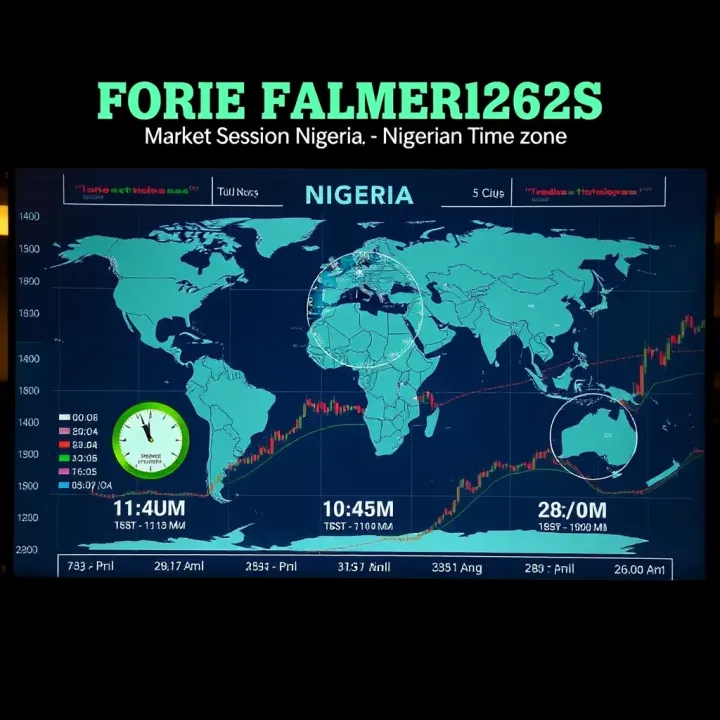
"Matching your trading hours with the busiest forex sessions can significantly influence your strategy and potential returns."
The Tokyo session typically runs from 3:00 am to 12:00 pm WAT. While this is early for many Nigerians, the Asian market’s activity influences currencies like the Japanese Yen (JPY), Australian Dollar (AUD), and New Zealand Dollar (NZD). Traders focusing on these pairs will find this session particularly relevant.
The London session is known for high liquidity and volatility, especially during the overlap with the New York session, which runs from 1:00 pm to 10:00 pm WAT. This overlap period often sees the largest price movements, particularly in major currency pairs like EUR/USD and GBP/USD, offering Nigerian traders greater opportunities.
Here’s a quick rundown of the forex sessions with their WAT timings:
Asian (Tokyo): 3:00 am – 12:00 pm
European (London): 8:00 am – 4:00 pm
North American (New York): 1:00 pm – 10:00 pm
Understanding these sessions helps Nigerian traders decide when to be active based on their preferred currency pairs and lifestyle. For example, a trader focusing on USD/NGN could prioritise the London and New York sessions when the US Dollar is most actively traded. Alternatively, trading pairs involving the Yen or Aussie Dollar might demand attention during the Tokyo hours.
In brief, aligning your trading activities with forex sessions helps optimise your exposure to market movements. This timing affects not just potential gains but also how you manage your risks amid global economic news and events.
Knowing the different forex market sessions is key for traders based in Nigeria. These sessions highlight periods of trading activity across the globe. By understanding when these windows open and close, Nigerian traders can plan their moves more effectively and time their trades to match market liquidity and volatility.
The forex market operates twenty-four hours a day but is divided into distinct sessions aligned with major financial centres. These sessions reflect the working hours of key markets such as Tokyo, London, and New York. Because forex is a global market, currencies are traded continuously across different regions, shifting from one active trading centre to another.
For example, when the Tokyo session ends, the London session kicks off shortly after. Traders in Lagos can convert these session times into West Africa Time (WAT) to follow real-time market movements. This knowledge helps avoid trading in periods with low activity or unpredictable spreads.
Forex sessions matter because each has different characteristics in terms of volume, volatility, and liquidity. Some currency pairs react more strongly during specific sessions which provides trading opportunities. Nigerian traders who align their strategies to these sessions can better predict price swings and manage their risks.
For instance, the London session sees large moves in GBP/USD and EUR/USD pairs, so traders interested in these might focus their efforts within this time. Conversely, the Asian session might be better for trading JPY pairs. Understanding session traits allows traders from Nigeria to pick when to enter or stay out of the market altogether.
The Asian session generally starts around 12:00 am WAT and runs till about 9:00 am WAT. This session centres on Tokyo but includes other markets like Singapore and Hong Kong. Asian market hours are usually calmer than the European or American sessions, with moderate trading volumes and lower volatility. However, currencies like the Japanese yen (JPY), Australian dollar (AUD), and New Zealand dollar (NZD) often move during this time.
Nigerian traders interested in these currencies might prefer trading in the early hours, before the Lagos day gains full momentum. Keep in mind, trading volumes are relatively thin during this session, which can cause wider spreads.
Starting roughly at 8:00 am WAT and extending to about 5:00 pm WAT, the European session is the busiest and most liquid of all. London’s FX market dominates here, matched with activity in Frankfurt and Paris. This session sees the highest turnover and often triggers notable price movements, especially for EUR, GBP, and CHF pairs.
Traders in Nigeria often find this session the most lucrative due to the overlap with their regular business day. For example, the GBP/USD or EUR/USD currency pairs typically show increased volatility, offering opportunities for scalping and day trading. However, it can also be more challenging due to sudden price swings.
The American session starts at approximately 1:00 pm WAT and runs until 10:00 pm WAT, centred on New York’s market hours. This session overlaps with the European session during the first few hours, causing high volatility and liquidity. It is highly influential, particularly for USD pairs, owing to the United States' role as the world’s largest economy.
For Nigerian traders, the American session offers diverse trading prospects, especially from mid-afternoon to evening WAT. This overlap period can cause pronounced moves on currency pairs such as USD/NGN (naira dollar rate), USD/CAD, and USD/JPY. Awareness of news releases and economic data during this time is essential to avoid being caught off guard.
Traders looking to maximise returns and control risks should map these forex sessions against their own schedule and trading style. Timing trades to coincide with the right session can make a big difference in results.
Understanding these sessions helps Nigerian traders optimise when and how they trade, improving their edge in the forex market.
Understanding forex trading hours is essential for Nigerian traders to maximise opportunities and manage risks effectively. The forex market operates 24 hours on weekdays, but activity varies depending on which global session is open. For Nigerian traders, aligning forex sessions with local time—West Africa Time (WAT)—helps pinpoint the best moments to trade those currency pairs tied to major economies.
Since forex markets run in different global time zones, traders in Nigeria must adjust to WAT (UTC+1) to know when the main sessions open and close. This adjustment is practical because it informs Nigerian traders when liquidity and volatility are likely to spike.
For example, the Asian session starts around 00:00 WAT, overlapping with the early hours in Lagos. The European session begins at 7:00 am WAT, coinciding with Nigerian business hours. Meanwhile, the American session kicks off at 1:00 pm WAT, stretching into the late evening in Nigeria.
One key feature for Nigerian traders is the overlap between the European and American sessions from 1:00 pm to 4:00 pm WAT. During this period, market activity tends to surge, tightening spreads and increasing trading opportunities on pairs like EUR/USD and GBP/USD. Traders who understand this overlap can time their trades more effectively to benefit from higher volatility and better liquidity.
On the flip side, low liquidity periods occur during the late evening and early morning hours in Nigeria—for example between 9:00 pm and midnight WAT—when most major sessions are closed or winding down. Trading during these quiet times can mean wider spreads and less predictable price movement, which raises risks especially for scalpers and day traders.
Knowing your local trading hours versus global session times helps you spot the best windows for trading and avoid periods of thin activity that can drain your capital.
By keeping these timings and overlaps in mind, Nigerian forex traders can schedule their sessions to maximise efficiency, reduce costs, and operate in the most favourable market conditions.
Understanding how forex session times influence trading opportunities is vital for Nigerian traders who want to make informed decisions in the market. Market volatility, liquidity, and spreads fluctuate depending on when you trade, impacting potential profits and risks. Tailoring your trading to specific session characteristics can enhance your edge.
Volatility tends to peak during the European and American forex sessions. The London session, which overlaps with the New York session, often sees the highest price swings as major economic centres engage simultaneously. For example, traders watching pairs like GBP/USD or EUR/USD will notice sharp movements during these hours, presenting opportunities for day traders and scalpers. Conversely, the Asian session usually has lower volatility, making it less attractive for aggressive trading but more suitable for those wanting steadier price action.
For Nigerian traders, the timing of these sessions means afternoon and evening hours are the most dynamic. Currency pairs involving the US dollar, euro, and British pound exhibit increased activity because these economies are active during their local business hours overlapping Nigerian time. This pattern affects popular pairs such as USD/NGN, EUR/USD, and GBP/USD, which many Nigerian traders follow closely.
Liquidity peaks during session overlaps, especially between the European and American sessions. Higher liquidity tightens spreads—the difference between buy and sell prices—resulting in lower transaction costs. If you trade around 2 pm to 5 pm WAT, you’ll likely encounter tighter spreads, giving you more efficient entry and exit points. This window is typically the best time for scalping or frequent trading.
On the flip side, trading during low liquidity periods, like the late Asian session or early European session before overlap, can be risky. Spreads tend to widen because fewer market participants are active, and price movements may become erratic or choppy. For example, placing a trade around 11 pm Nigerian time might expose you to unpredictable slippage, especially on pairs involving emerging market currencies.
Traders should aim to align their trading schedules with peak liquidity hours to benefit from tighter spreads and better execution, while avoiding low liquidity periods that increase risk.
By grasping how session times affect volatility and liquidity, Nigerian forex traders can pick suitable markets and times, balance risk properly, and optimise their trading strategies around real market behaviour.
Selecting the right forex session to trade is vital for Nigerian traders because it directly affects their chances of success. Different sessions offer varying levels of market activity and liquidity, which influence trade execution, spreads, and volatility. By aligning trading activities with favourable session times, traders can better manage risk and optimise profits.
Scalpers and day traders thrive during periods of high market volatility and liquidity, as these conditions provide frequent price movements and tighter spreads. For Nigerian traders, the overlap between the European and American sessions (2 pm to 6 pm WAT) often presents the best opportunities to scalp or execute quick trades, thanks to active participation and tighter spreads.
The Asian session (3 am to 12 pm WAT) tends to be quieter, with lower volatility, which is less attractive for scalpers but may suit traders seeking steadier trends during extended trading hours. Day traders should also consider local factors, such as power supply and internet stability, to ensure their setups remain reliable during these times.
Swing traders focus on capturing medium-term trends, relying less on intraday volatility and more on broader market movements. They can trade across different sessions but might benefit from the calmer hours of the Asian session to establish positions before more active European and American sessions.
Long-term traders, who hold positions for days or weeks, pay less attention to precise session timing but still monitor key sessions for entry and exit points. Being aware of session overlaps helps them avoid unexpected price swings from major economic announcements or liquidity surges, making timing a secondary but useful consideration.
Unreliable power supply remains a challenge in many parts of Nigeria, affecting continuous trading. It is wise for traders to prepare with backup power solutions like inverters or generators to avoid disruptions, especially during peak session hours when market moves can be swift and decisive.
Traders might also adjust their schedules to align trades with times when power availability is more consistent, often early morning or late evening, coinciding with Asian or late American sessions. This approach reduces exposure to power outage risks during critical market actions.
Choosing brokers that provide smooth access from Nigeria is essential. Look for brokers offering local account funding methods such as bank transfers, USSD codes, or mobile money, which ease deposit and withdrawal processes.
Also, ensure your trading platform performs well on mobile devices and low-bandwidth connections, common in Nigeria. Platforms like MetaTrader or broker-specific apps that support stable execution despite fluctuating internet quality are preferable. Some brokers tailor their services to Nigerian traders with customer support in English and local timezone adjustments, enhancing the trading experience.
Aligning your trading time with your style and preparing for local challenges like power issues and internet quality are crucial steps for Nigerian traders aiming to succeed in forex markets.
Global events play a key role in shaping forex market behaviour, and Nigerian traders must stay alert to these influences to safeguard their trades and tap into profitable chances. Worldwide economic shifts, geopolitical tensions, and policy updates often coincide with forex sessions, triggering sudden swings in currency prices that can affect naira pairs actively traded by Nigerians.
Major economic releases such as US non-farm payrolls, European Central Bank interest rate decisions, or Asian GDP reports usually occur at fixed times that overlap with specific forex sessions. When such announcements drop, volatility spikes sharply as traders quickly adjust positions. For instance, during the European session, news from Germany or the UK can cause rapid movements in EUR/USD pairs. Nigerian traders tuned into this can anticipate fast price changes and adjust their risk accordingly.
To manage the erratic nature of news periods, Nigerian traders often use pre-set stop-loss orders or avoid trading immediately before major announcements. Another approach is to watch price action after the initial news impact calms down, entering when spreads tighten to avoid inflated transaction costs. Brokers serving Nigerian clientele, like FXTM or HotForex, provide economic calendars, helping traders plan around these sessions and mitigate potential losses.
The CBN’s foreign exchange policies significantly affect naira liquidity and market behaviour. For example, restrictions on access to dollars for imports or reforms like the Investors and Exporters window influence naira demand and supply. These policies usually surface amid active trading sessions, causing oscillations in currency rates that traders must closely monitor. Understanding the timing and implications of CBN announcements allows Nigerian forex traders to adjust strategies ahead of potential naira fluctuations.
Naira volatility often peaks around certain times, such as the opening or close of Nigerian markets, when businesses and investors access forex for trading and settlements. Moreover, periods following CBN interventions or periodic exchange rate reviews can produce acute price shifts. Traders aware of these timing patterns can better position themselves, for example, avoiding high-risk trades during market closures and focusing on more liquid periods where spreads narrow.
Staying aware of global economic events alongside local market nuances equips Nigerian forex traders to navigate volatility, seize opportunities, and defend capital effectively across various forex sessions.
By aligning trading activities with these insights, you maximise the chance of profit while cutting down exposure to sudden, unnecessary risks.
📊 Discover key insights into the Asian forex trading session's timings and strategies tailored for Nigerian traders. Master timezone tips and market trends.
📈 Learn the best forex market hours for Nigerian traders 🇳🇬, how global sessions overlap, manage volatility, and trade smarter with time zone tips.
📈 Learn how to track Asian trading session times from Nigeria 🇳🇬, convert to local hours, and boost your trading strategy effectively in global markets.
⏰ Explore the full US Forex trading hours from Nigeria 🇳🇬, learn session overlaps, timing tips & how to trade smarter during the US Forex session.
Based on 5 reviews