
Asian Forex Trading Session Guide for Nigerian Traders
📊 Discover key insights into the Asian forex trading session's timings and strategies tailored for Nigerian traders. Master timezone tips and market trends.
Edited By
Liam Foster
Trading across global markets means keeping an eye on various time zones. For traders and investors in Nigeria, understanding when the Asian trading session occurs is more than just a matter of curiosity — it's about timing your moves correctly to get the best possible deals.
The Asian trading session is one of the key segments of the 24-hour forex market. It sets the tone for volatility and price movements that often influence other sessions later in the day. Yet, because Nigeria operates on West Africa Time (WAT, UTC+1), there’s a bit of math involved in accurately converting these trading hours to local time.
In this article, we'll break down exactly when the Asian session kicks off and closes as seen from Nigeria. We'll explore why syncing your watch to these hours matters, especially if you're actively trading currencies like the Japanese yen, Australian dollar, or Chinese yuan. Beyond just clock-watching, we'll look at practical strategies to capitalize on this session's unique market behavior compared to others like the London or New York sessions.
Whether you're a seasoned broker, finance professional, or just stepping into the market, knowing the ins and outs of Asian trading times can fine-tune your timing and decision-making. Let's get into the specifics and make sure you’re never left guessing what time it is in Asia when you’re ready to trade from Lagos, Abuja, or anywhere else in Nigeria.
Trading isn’t just about picking the right asset — it’s often about picking the right moment.
Grasping the whole setup of global trading sessions is key for any trader or investor working from Nigeria, especially when dealing with markets that don't follow our local time. These sessions dictate when markets across the world are open for buying and selling, affecting liquidity and price movement. Knowing when these windows open and close helps time trades better, spot market trends, and avoid trading when activity is thin.
Take the Asian session, for instance. It does not just run on its own but interacts with the European and American sessions to create overlaps, which often present ripe opportunities for traders worldwide. In Nigeria, catching these swings means adapting to time zone shifts and adjusting schedules.
By understanding global sessions, Nigerians can better plan trading activities, know when news releases from other regions may impact their positions, and avoid the pitfalls of trading during inactive hours. It’s a mix of timing, awareness, and practical use of market hours across continents.
Trading sessions refer to the specific time periods when different stock exchanges and forex markets around the world are open for trading. These sessions are driven by the regular business hours of financial centers like Tokyo, London, and New York.
Because these markets operate across various time zones, their opening hours vary, meaning traders can access the market 24 hours a day through a cycle of overlapping sessions. This continuous trading opportunity allows for constant price movements but also means that liquidity and volatility can differ sharply depending on the session.
In real terms, you can think of trading sessions as shifts in a 24/7 market factory. When one market sleeps, another wakes up, and knowing which market is active is essential for making informed trading choices.
The Asian session primarily centers around key financial cities like Tokyo, Hong Kong, and Singapore. For Nigerian traders, this session runs roughly from early evening to just before midnight Nigerian time. It's notable for handling currencies like the Japanese Yen, Chinese Yuan, and the Australian Dollar.
This session tends to be less volatile compared to European or American sessions but can show sharp moves influenced by major news releases from Asia. For instance, when the Bank of Japan announces policy changes during this time, currency pairs involving the Yen often react quickly.
Being aware of the Asian session's pace and nuances enables Nigerian traders to tap into opportunities that arise from Asian economic developments, offering a valuable edge.
Europe’s financial markets, with London at the forefront, kick off their session during Nigeria's morning hours and overlap partially with the Asian close and the American open. This session is characterized by high trading volumes and significant volatility, driven by economic data from the UK and Eurozone as well as corporate news.
For Nigerian traders, the European session is often the busiest time. Forex pairs like EUR/USD and GBP/USD see plenty of action, and stock indices such as the FTSE 100 serve as key indicators.
Knowing the European session's peak activity times helps traders prepare for larger price swings and plan entries or exits accordingly.
The American session starts later in the afternoon Nigerian time and continues into the evening, covering the New York Stock Exchange and NASDAQ hours. This session overlaps with the tail end of the European session for a few hours, typically making those overlapping hours the most liquid and volatile of the day.
The US session influences global markets heavily due to the size of the economy and trading volume. Important economic releases like US employment reports, Federal Reserve announcements, and corporate earnings tend to move markets significantly.
For Nigerian traders, understanding when American markets open and how their timing fits with local hours is essential for managing trades exposed to USD pairs or US equities. This window offers vibrant trading options but requires good timing and readiness to act on news.
Keeping an eye on the time differences and unique traits of these sessions can dramatically influence your trading success from Nigeria. Recognizing which session is active, what’s driving market moves, and how liquidity flows makes for smarter, better-timed trades.
Knowing what exactly the Asian trading session entails is key for traders and investors in Nigeria aiming to grasp global market rhythms. This session, unlike the European or American ones, sets the day’s early tone and can influence how markets move worldwide. For a Nigerian trader, understanding this session isn’t just about keeping time; it’s about recognizing the unique trading patterns and opportunities sprouting in Asian financial hubs.
This session mainly revolves around major stock exchanges and Forex activity in cities like Tokyo, Hong Kong, and Singapore. These centers drive substantial market activity during their working hours, which can create specific trends and liquidity spikes. For instance, currency pairs like USD/JPY and AUD/USD often see moves originating from the Asian markets before European traders even log in. So a Nigerian trader who tunes into these hours can anticipate market shifts earlier, planning strategies ahead of crowded sessions.
By defining the Asian session, traders can better allocate their focus and resources. Instead of watching markets 24/7, they can target their analysis and trading during these specific hours, increasing efficiency and potentially reducing risk. In practical terms, it means catching economic announcements, market opens and closes, and other events localized to Asia, rather than missing out due to time misalignment.
The Tokyo Stock Exchange (TSE) officially opens from 9:00 AM to 3:00 PM JST, with a lunch break between 11:30 AM and 12:30 PM. For Nigerian traders, this translates to 1:00 AM to 7:00 AM WAT, with a pause in the middle for an hour. Despite being early morning hours in Nigeria, these times can be crucial for catching initial market flows and reacting to Japan-related economic data.
Japan’s market setting can affect global trading pairs, especially those linked with the yen. When the TSE opens, there tends to be increased liquidity in USD/JPY, EUR/JPY, and similar pairs. Traders in Nigeria who stay alert during these early hours can spot trends starting in this session before European markets take over.
Hong Kong's market opens between 9:30 AM and 4:00 PM HKT, including a lunch break from 12:00 PM to 1:00 PM. Converting, that’s from 2:30 AM to 9:00 AM WAT for Nigerians. This slightly later start compared to Tokyo gives some overlap with the Nigerian early morning hours and can provide an extended window to observe Asian market activity.
Hong Kong is a financial hub bridging East and West, so its market hours are often buzzing with international investors. Stocks listed here and the Hang Seng Index influence global sentiment, especially in commodities and tech stocks. Nigerian investors focusing on Asian stock indices or multinational corporations with Asian ties should keep an eye during these times.
The Singapore Exchange (SGX) runs from 9:00 AM to 5:00 PM SGT, with a lunch break from 12:00 PM to 1:00 PM. For Nigerian time, that means trading starts at 2:00 AM WAT and closes by 10:00 AM WAT. This session's later finish offers Nigerian traders a chance to engage with Asian markets just before the European session kicks in.
SGX is noteworthy for its influence on commodities and regional stocks. Many futures markets like the Nikkei 225 futures are traded here, making it special for those interested in hedging or speculating beyond spot Forex. Knowing these hours helps Nigerian traders align their schedules and spot entry points not visible during their normal trading hours.
Collectively, the Asian trading session begins around 1:00 AM and wraps up by about 10:00 AM West African Time. This nine-hour window encompasses market opens and closes across Tokyo, Hong Kong, and Singapore, with slight overlaps that can affect liquidity and volatility.
For Nigerian traders, this means the Asian session occurs mostly during the early morning, sometimes before the grind start of the local business day.
Trading within this timeframe offers a chance to catch early market developments, especially if you’re trading instruments heavily influenced by Asian economic indicators or regional corporate earnings. Still, this timeframe generally shows lower liquidity compared to the European and American sessions, which is an important factor to weigh when planning trades.
In short, understanding the exact market hours gives Nigerian investors a better edge to catch market moves early, avoid surprises, and better fit their trading routine to when the action happens in Asia.
Understanding the time zone differences between Nigeria and key Asian markets is essential for traders and investors trying to sync their activities effectively. These differences influence when markets open and close and affect the timing of news releases, trade execution, and risk management.
Nigeria operates on West Africa Time (WAT), which is one hour ahead of Coordinated Universal Time (UTC+1). Asian markets such as Tokyo, Hong Kong, and Singapore each run in their own time zones, generally ahead of Nigeria by several hours. This means trading windows in Asia typically fall into the late evening or early morning in Nigeria, requiring traders to plan their schedules accordingly.
For instance, if a trader in Lagos wants to place a trade during the Tokyo session, understanding the exact time difference lets them avoid missing critical market moves or economic report releases. Without this knowledge, traders might trade blindly, losing opportunities or exposing themselves to more risks due to untimely decisions.
Nigeria's official time zone is West Africa Time (WAT), set at UTC+1. Nigeria does not observe daylight saving time, so its time difference with Asian markets remains consistent throughout the year. That simplifies calculations for traders because the offset remains stable, unlike some other regions where clock changes disrupt schedules.
For practical context, when it’s noon in Lagos, it’s early afternoon in parts of Europe but already evening or late night in many Asian financial hubs. Traders need to keep this in mind when tracking market events or news from Asia.
Tokyo runs on Japan Standard Time (JST), which is UTC+9. This makes Tokyo 8 hours ahead of Nigerian time. Simply put, when it's 8:00 am in Lagos, it’s 4:00 pm the same day in Tokyo.
This difference positions Tokyo’s market close well into the night for Nigerians and the open into their early mornings. For Nigerian traders, this means preparing to trade or review markets late at night or very early morning if they want to capture movements during the Tokyo session.
Hong Kong operates on Hong Kong Time (HKT), also UTC+8. This puts it 7 hours ahead of Nigeria's WAT. For example, a 9:30 am opening on the Hong Kong Stock Exchange translates to 2:30 am in Nigeria.
Hong Kong’s market timings encourage Nigerian traders interested in Asian equities or forex pairs linked to this region to plan either night-time sessions or early pre-market hours.
Singapore Standard Time (SGT) is UTC+8, the same as Hong Kong. That means Singapore’s market hours align closely with Hong Kong’s when converted to Nigerian local time. As such, the trading session in Singapore also starts in the early hours of the morning in Nigeria.
For traders and investors dealing in Singapore Exchange-listed products or instruments affected by Singapore’s economic data, being mindful of this time zone difference helps them act quickly during market openings or important announcements.
Staying aware of these time zone discrepancies empowers Nigerian traders to align their activities smartly, avoid missing market action, and better manage their trading schedules across the Asian session.
Overall, knowing the specifics of each market’s time zone relative to Nigeria helps traders seize opportunities and tailor their strategies around the Asian trading session’s unique timing challenges.
Understanding how to convert Asian trading session hours to Nigerian time is crucial for traders in Nigeria who want to engage effectively with Asian markets. Market hours in Asia operate several hours ahead of Nigeria’s time, so precise timing can make the difference between catching a profitable move or missing out entirely. For traders managing forex pairs or stocks influenced by Asian economies, knowing exactly when these markets open and close in local time helps in planning trades, managing risks, and syncing with key market events.
Accurate conversion saves you from the fatigue of constantly doing the math and helps to avoid mistakes that could come from daylight saving changes or regional time variations. Let's get practical with some clear examples of converting the key Asian session hours, focusing on the Tokyo and Hong Kong markets.
Tokyo’s stock market typically opens from 9:00 AM to 3:00 PM Japan Standard Time (JST), with a lunch break between 11:30 AM and 12:30 PM JST. Japan Standard Time is 9 hours ahead of Nigerian time (West Africa Time, WAT). So, when Tokyo opens at 9:00 AM JST, it is midnight (12:00 AM) in Nigeria. This means the Tokyo session runs roughly from midnight until 6:00 AM Nigerian time, excluding the lunch break which falls around 2:30 AM to 3:30 AM WAT.
For a Nigerian trader, this timing suggests that active trading on Tokyo stocks or forex pairs influenced by the Japanese market happens mainly in the very early hours. Planning trades or monitoring market movements during these hours allows taking advantage of Tokyo’s market volatility.
The Hong Kong Stock Exchange operates from 9:30 AM to 4:00 PM Hong Kong Time (HKT), with a lunch break from 12:00 PM to 1:00 PM HKT. Hong Kong Time is 7 hours ahead of Nigerian WAT. Therefore, the Hong Kong market opens at 2:30 AM and closes at 9:00 AM Nigerian time, with a break from 5:00 AM to 6:00 AM WAT.
This slightly later start compared to Tokyo means Nigerian traders can catch the Hong Kong session early in the morning before the standard workday begins. Knowing this window helps investors dive into Asian market opportunities without disrupting their daytime routines.
World clock applications are lifesavers for traders who need quick, reliable time conversions on the fly. Apps like "World Clock" by timeanddate.com or mobile apps like "Clocks" (available on both iOS and Android) allow you to save your preferred cities (e.g., Tokyo, Hong Kong, Lagos) and instantly see the current local times side-by-side. This visual setup eliminates guesswork and helps traders keep track of exact market openings and closings at any time.
Using these apps can also alert you to daylight saving changes or unexpected market holidays, keeping your trading schedule rock-solid.
Websites offering online time conversion tools, such as timeanddate.com’s converter or everytimezone.com, are great when you want to verify session hours before making a trade plan. You simply enter the market time (like 9:00 AM Tokyo time) and convert it to Nigerian time. These tools also provide options to see multiple conversions for different dates, which helps in managing seasonal time shifts or planning ahead for economic data releases during the Asian session.
For Nigerian traders aiming to profit in the Asian markets, combining conversion knowledge with reliable digital tools ensures precision, saves time, and reduces costly errors. It's a smart habit to check and double-check before placing trades.
Understanding the timings of the Asian trading session is a game-changer for any Nigerian trader looking to capitalize on global markets. It’s not just about knowing when the markets open and close; it’s about syncing your trading activities with the times when Asian markets are buzzing with activity. For Nigerian traders, this means spotting opportunities earlier than many others who focus only on European or American sessions.
The Asian session offers unique chances that often go unnoticed. Currency pairs like USD/JPY, AUD/USD, and NZD/USD show strong volatility during these hours, driven by economic data releases and trading activities in countries like Japan, Australia, and New Zealand. For example, if the Bank of Japan announces unexpected policy changes early in their session, Nigerian traders who know the timing can react quickly, placing trades before the European markets even wake up.
Additionally, this session is ideal for trading Asian stock indices, such as the Nikkei 225 or the Hang Seng, which generally move during their respective market hours. Since Nigerian markets are closed during Asian trading hours, online platforms become essential to access these opportunities in real-time and take advantage of price movements.
Volatility during the Asian session tends to be lower compared to European and American sessions but understanding this nuance is critical. Lower volatility means fewer sudden price swings, which is great for traders who prefer a steadier environment or are looking to avoid rapid market fluctuations. However, liquidity can vary depending on the specific time within the session, especially around the Tokyo open or Hong Kong midday.
Liquidity during the Asian session can sometimes thin out midway, posing risks for large trades but offering tighter spreads for smaller positions. For Nigerian traders, this means adjusting trade sizes and timing their entries carefully. Using tools like real-time order books and volume indicators can help identify these safer windows.
In summary, knowing Asian market timings allows Nigerian traders to align their trading schedules, choose the best instruments, and manage risk with precision. It turns the session from just another block of hours into a strategic advantage in the increasingly interconnected global financial ecosystem.
Knowing when and how to trade during the Asian session can give Nigerian traders a leg up, especially since it offers distinct market behaviors compared to other sessions. This session is usually calmer, with less volatility and steady liquidity, which changes the game for strategy choices. Traders here often aim for steady, incremental gains rather than quick swings. Understanding which tools and methods fit best during these hours lets you plan trades that align with the session’s rhythm — significantly improving your chances of success.
Certain forex pairs move primarily during the Asian trading hours because they're tied to currencies from that region. The Japanese yen (JPY), the Hong Kong dollar (HKD), the Singapore dollar (SGD), and the Australian dollar (AUD) are key players here. For a Nigerian trader, pairs like USD/JPY, AUD/USD, and USD/SGD can be quite active during these hours, providing smoother trends and less sudden swings.
For example, USD/JPY often sees noticeable moves following economic data released from Japan or policy announcements by the Bank of Japan, which typically happen during the Asian session. Traders watching these pairs can capitalize on predictable patterns without contending with the unpredictable surges common in the American session.
Asian stock indices such as the Nikkei 225, Hang Seng Index, and the Straits Times Index reflect the stock market activity in Japan, Hong Kong, and Singapore, respectively. Nigerian investors who tap into these indices during their active hours can catch opportunities in sectors like technology, finance, and manufacturing which are heavily represented in these markets.
Because these indices open during Nigeria’s late night and early morning hours, using overnight positions or pre-market data from these stocks can prepare traders to act early when new information hits. Keep an eye on the Nikkei 225 especially, as Japanese companies often set tone for broader Asian market moves.
Trading the Asian session efficiently means matching your strategy to the natural rhythms of the market and your daily schedule. Since the Asian session generally runs overnight for Nigerian traders, it’s smart to set alerts tied to important economic releases or market openings in Asia.
Consider dividing your trades between pre-market analysis and active session management. For instance, study charts and news during the early evening in Nigeria to prepare, then monitor trades closely when the session ramps up around 1 am Nigerian time, peaking by 3 am to 5 am.
Besides timing, pay close attention to liquidity trends. Even though the Asian session is less volatile overall, sudden spikes can pop up around regional announcements. Using limit orders instead of market orders can protect you from slippage during these moments.
Efficient timing paired with the right instruments not only lowers risk but also helps capture profits smoother during the Asian session's unique flow.
In a nutshell, match your trading tools with Asia-influenced pairs or stock indices, stay aware of when news hits, and organize your schedule so you’re alert when markets are most active. This straightforward approach will make your trading more predictable and, hopefully, more profitable.
Understanding how the Asian trading session stacks up against the European and American sessions is essential for Nigerian traders who want to make the most informed moves. Each session has unique traits influenced by its local economic environment, market participants, and active hours. From Nigeria’s vantage point, these differences affect the timing, liquidity, and volatility of trades.
When Nigerian traders compare these sessions, they gain insights into when the markets are most active and how to tailor their strategies. Knowing, for instance, that the Asian session might offer less volatility but increased opportunities in certain Forex pairs can be a game-changer. Conversely, the European and American sessions tend to bring heavier market volume and faster price movements. This knowledge helps traders decide when to stay alert and when to ease off, optimizing their risk management.
Overlaps between trading sessions present windows of heightened market action. For Nigerian traders, timing trades during these overlaps can unlock more liquidity and sharper price movements. For example, the period when the Asian and European sessions cross paths—roughly between 8:00 AM and 10:00 AM Nigerian time—often sees increased trading volumes, as both Asian and European market participants are active.
Similarly, the European and American sessions overlap in the afternoon Nigerian time, which can be particularly volatile. These overlaps are where big players like institutional investors operate, moving large volumes and creating tradable volatility.
Here’s a quick summary:
Asian-European overlap: approx. 8:00 AM – 10:00 AM Nigerian time
European-American overlap: approx. 2:00 PM – 5:00 PM Nigerian time
Understanding these windows helps traders plan their schedule around the most profitable hours instead of random guessing.
Every session has features that can be either an advantage or a challenge, depending on a trader’s style.
Advantages: Lower spreads on Asian-influenced currency pairs like USD/JPY and AUD/USD; useful for trend-following strategies in less noisy markets.
Challenges: Generally lower liquidity and volatility outside of the overlaps, which might lead to slower price movements and fewer trading opportunities.
Advantages: High liquidity as it captures the major financial hubs of London and Frankfurt; sharp price movements, ideal for day traders.
Challenges: This session can be unpredictable with fast market moves; requires constant monitoring and quick decision-making.
Advantages: Overlaps with Europe bring fierce liquidity; news from the US can cause large price swings, enabling opportunity.
Challenges: Flash crashes and sudden spikes are more common; risky for inexperienced traders who don’t use stop losses.
A Nigerian trader focused on Forex might prefer the Asian session when they want steady moves and less noise but switch to the European or American sessions for more aggressive trading. Conversely, stock traders looking at international indices might find the European and American sessions more relevant due to the timing of those markets.
Knowing the pros and cons of each session lets traders not just survive but thrive by playing to the strengths of each trading period.
By keeping these points in mind, Nigerian traders can navigate different sessions smartly, managing their schedules and risk to capture the best opportunities the global market offers.
Understanding Asian session data isn’t just about knowing the trading hours; it’s about applying that knowledge practically to up your investment game. For Nigerian investors, keeping an eye on Asian market trends and timing trades accordingly can make a significant difference in returns and risk management. Whether you're trading forex pairs heavily influenced by Asian markets or diversifying with Asian stocks, certain tips help navigate this session more effectively.
One practical point is to stay updated with real-time data feeds and economic calendars focused on Asia. The Asian session is the first major market opening of the day, so reacting promptly to market-moving news can offer leverage. Also, considering the sometimes lower liquidity compared to European or American sessions, being cautious with trade sizes during volatile times helps shield against unexpected gaps.
Staying on top of news and economic releases during the Asian session is essential for Nigerian traders looking to capture early market moves. Economic indicators from Asia can set the tone for the day, influencing market sentiment across global markets.
Key Asian economic indicators include:
Gross Domestic Product (GDP) reports from countries like China, Japan, and Singapore, signaling growth trends.
Manufacturing and Services Purchasing Managers’ Index (PMI), revealing the health of the production sector.
Trade balance figures, especially from Japan and China, impacting currency valuations.
Consumer price index (CPI) and inflation data, which hint at central bank moves.
For example, if China releases a better-than-expected PMI during Nigerian night hours, forex pairs like USD/CNH or commodities linked to China may react sharply. Such developments require traders to keep an economic calendar synced with Nigerian time to know exactly when to check for updates.
Impact on global markets: Asian economic news can affect not just Asian stocks or currencies but often ripple through European and American markets as well. Investors in Nigeria need to understand that a surprise hike in Japan’s interest rates or a slump in South Korean exports might set off global chain reactions. Commodities like oil and gold frequently respond to Asian demand trends, with price swings affecting Nigerian traders dealing in these markets.
Being aware of this interconnectedness means Nigerian investors can anticipate volatility spikes and adjust their strategies accordingly rather than reacting after prices have moved.
Trading during the Asian session from Nigeria means that market hours fall mostly during Nigerian night and early morning hours. Adjusting your schedule accordingly can help capture opportunities without missing critical movements.
Some traders choose to wake up early or stay up late, especially when key economic news is scheduled for release. For instance, Japan’s market opens around 2:00 AM Nigerian time, so setting alarms or notifications for these periods ensures you’re ready to act.
Alternatively, using automated trading tools or alerts can be a lifesaver if working odd hours isn’t feasible. Many Nigerian brokers offer mobile apps with push notifications for market events, enabling quick responses without constant screen-watching.
It's also wise to consider your own energy and focus levels — trading when you're alert is crucial to avoid mistakes. Balancing your trading schedule around the Asian session, perhaps focusing on this session for analysis earlier and trade execution later when liquidity picks up, can be an effective strategy.
Remember: Adjusting your trading hours to fit the Asian session is not about working 24/7 but about smart timing aligned with your lifestyle and trading goals.
By monitoring Asian economic data and tailoring your schedule, Nigerian investors can turn the Asian session from an obscure time of day into a valuable trading window.
Trading during the Asian session offers unique chances, especially for Nigerian traders eyeing movements in markets like Tokyo or Singapore. However, certain pitfalls can catch investors off guard, and might cost more than just money. Understanding these errors helps you trade smarter, not harder.
One common slip-up is underestimating the impact of time zones. Nigeria operates on West Africa Time (WAT), which is usually 8 to 9 hours behind major Asian markets like Tokyo (JST) and Singapore (SGT). Skipping precise time conversion can cause missed opportunities or entering trades at the wrong moments. For example, a trader might think the Tokyo market opens at 9 am Nigerian time while it actually starts at 1 am WAT. This type of mistake leads to missed volatility bursts and ill-timed position entries.
Always use a reliable world clock app or an online converter. Manually calculating hours risks errors, especially when daylight saving changes come into play.
Another mistake is ignoring how liquidity behaves during the Asian session. Compared to the European or American sessions, liquidity can be lower in some currency pairs or assets during Asian hours. This means wider spreads and slippage can hit you hard if you're not careful. For instance, trying to scalp USD/NZD or AUD/JPY during the Asian session without recognizing thin order books can result in unexpected price spikes.
Liquidity also dips significantly during public holidays in Asian countries. Traders unaware of these can end up stuck in positions or facing limited exit options. Nigerian traders should monitor liquidity cues and adjust trade sizes accordingly.
Avoiding these pitfalls will help you stay on top of your game and make more calculated decisions during the Asian trading session. A clear grasp of time zones and liquidity patterns sets a solid foundation for consistent results.
📊 Discover key insights into the Asian forex trading session's timings and strategies tailored for Nigerian traders. Master timezone tips and market trends.
⏰ Explore the full US Forex trading hours from Nigeria 🇳🇬, learn session overlaps, timing tips & how to trade smarter during the US Forex session.
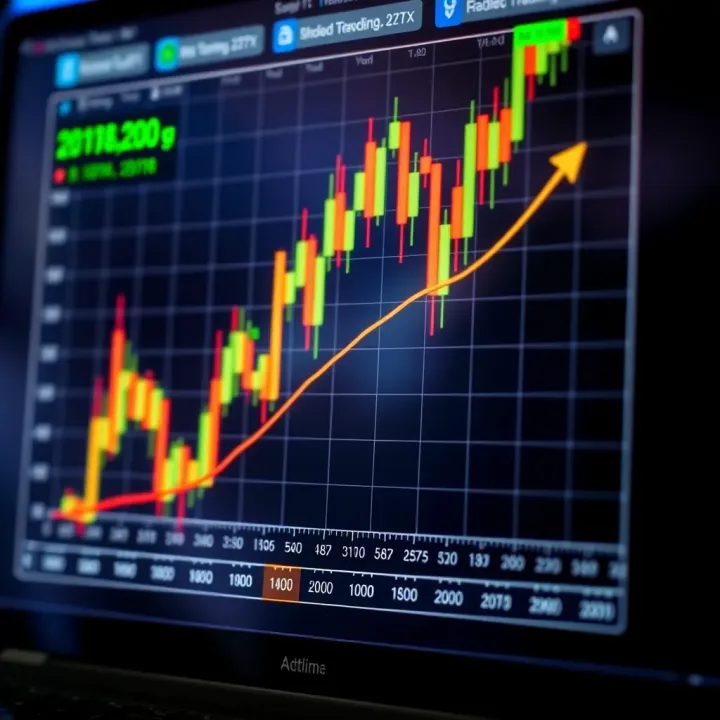
📈 Learn the best forex market hours for Nigerian traders 🇳🇬, how global sessions overlap, manage volatility, and trade smarter with time zone tips.
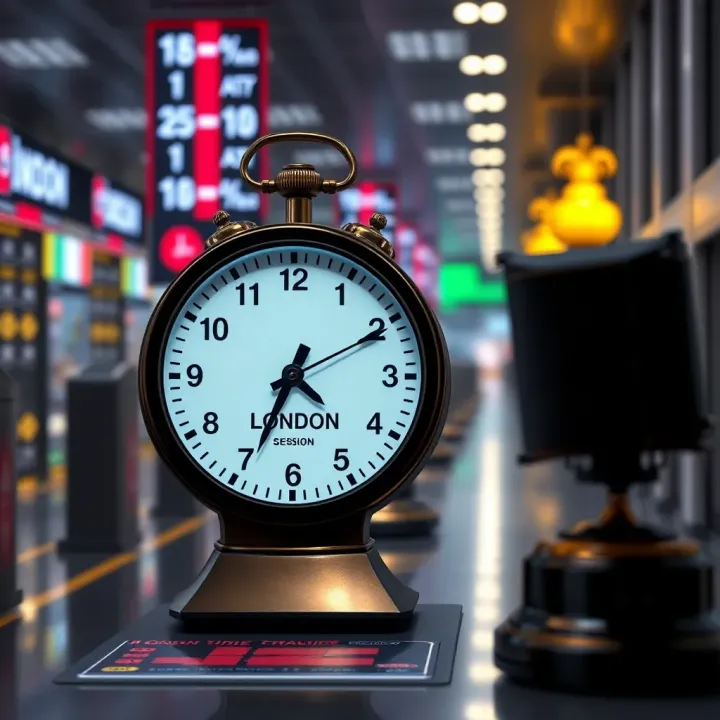
⌚ Know the London Forex session timings in Nigeria, how daylight saving shifts hours, plus trading tips to handle volatility and boost your strategy 📈💹
Based on 10 reviews