

Funding Traders in Nigeria: Practical Strategies
Explore how Nigerian traders can secure funding, manage risks, and scale with practical tips on access to capital, challenges, and business growth 🚀 ₦ strategies for all levels.
Edited By
Thomas Harper
Dieter Schwarz is widely recognised for building Lidl and Kaufland into two of Europe’s most powerful retail brands. Starting from a modest family business in Germany, Schwarz expanded aggressively to reshape discount retail shopping with a straightforward, no-nonsense approach that prioritises efficiency, low prices, and a wide geographic reach.
His retail empire today boasts thousands of stores spread across multiple countries, supported by a logistics network designed to keep costs low and shelves stocked reliably. This is why Lidl and Kaufland have become household names, not only in Europe but increasingly on the global stage.
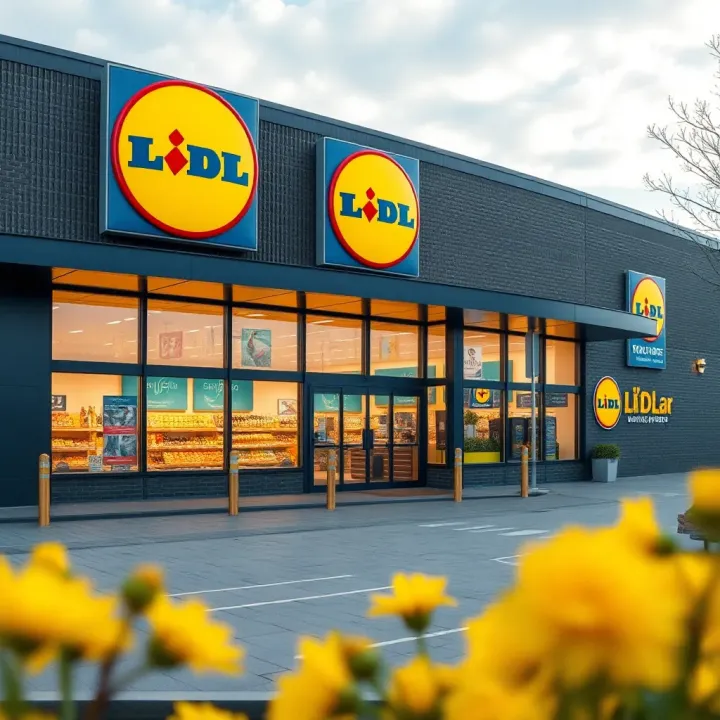
Schwarz’s key strength lies in combining rigorous cost control with sharp market insight, creating a retail formula that withstands competition and economic fluctuations.
Born into a merchant family in 1939, Dieter Schwarz inherited a small grocery wholesaler from his father. Instead of following traditional routes, he adopted a lean operational model with a chain of discount supermarkets. By the 1970s and 1980s, Lidl and Kaufland began expanding fast, tapping into growing consumer demand for affordable shopping options.
He cautiously reinvested profits to improve supply chain technology and expand retail footprint. This methodical growth helped Lidl become a major player, with a focus on low operating costs translating into everyday low pricing.
Schwarz maintains tight central control over operations, focusing on cost-efficiency down to the smallest detail—from store layout to product selection. This sharp discipline is backed by data-driven decisions and continuous optimization.
Unlike some competitors who might chase flashy marketing, Schwarz’s brands rely on simple, clear messaging centred on value. This approach resonates well with cost-conscious consumers, especially during economic slowdowns when every naira counts.
Though notoriously private, Schwarz is among Germany’s wealthiest individuals, with his fortune tied directly to Lidl and Kaufland’s success. The group generates billions of euros annually, making it an influential player in the retail sector.
For investors and traders, studying Schwarz’s business strategy offers lessons on resilient growth without excessive risk. His empire shows how disciplined management and focus on core strengths can drive sustainable profits across borders.
In summary, Dieter Schwarz’s journey from a small wholesaler to retail giant underlines the power of practical leadership, efficiency, and understanding consumer needs in building a lasting business empire.
Understanding Dieter Schwarz's early life and family background is vital to grasp how he shaped one of the largest retail groups in Europe. His upbringing was not just a backdrop but laid the foundation for his business approach and values. For traders and investors, this context reveals how personal history can influence corporate strategy and risk appetite.
Dieter Schwarz was born in 1939 in Heilbronn, Germany, a region marked by post-war rebuilding and economic transformation. His education was practical rather than academic, emphasising business apprenticeships and on-the-ground learning. Unlike many corporate leaders who pursued formal university education, Schwarz honed his skills within the family business environment from an early age. This hands-on experience allowed him to understand daily retail operations, inventory management, and customer behaviour intimately.
By growing up in a commercial setting disrupted by war and recovery, Schwarz developed resilience and adaptability — traits valuable to investors assessing leadership quality. For example, his ability to identify cost-saving opportunities under pressure can be traced back to those formative years.
Schwarz’s father owned a small grocery store chain, which gave Dieter early exposure to retail trade realities. This family business served not simply as a business model but as a live laboratory where Schwarz absorbed the importance of efficiency, customer service, and lean operations.
The transition from a small-scale operation to a large discount supermarket chain was a natural progression. Drawing from his family’s retail tradition, Schwarz introduced innovations such as streamlined supply chains and standardised store layouts, which later became trademarks of Lidl and Kaufland.
It’s crucial to note that Schwarz’s success was not built overnight but emerged from a deep understanding of retail fundamentals grounded in his family’s grocery legacy.
For investors, this kind of continuity shows a leader well-versed in the nuances of the business, reducing the likelihood of strategic missteps. His background ensured an alignment between operational detail and strategic vision, a balance few entrepreneurs manage to strike.
In summary, Schwarz's early life and family business roots were more than personal history—they were key drivers that shaped the operational discipline and growth strategies that underpin Lidl and Kaufland's global success today.
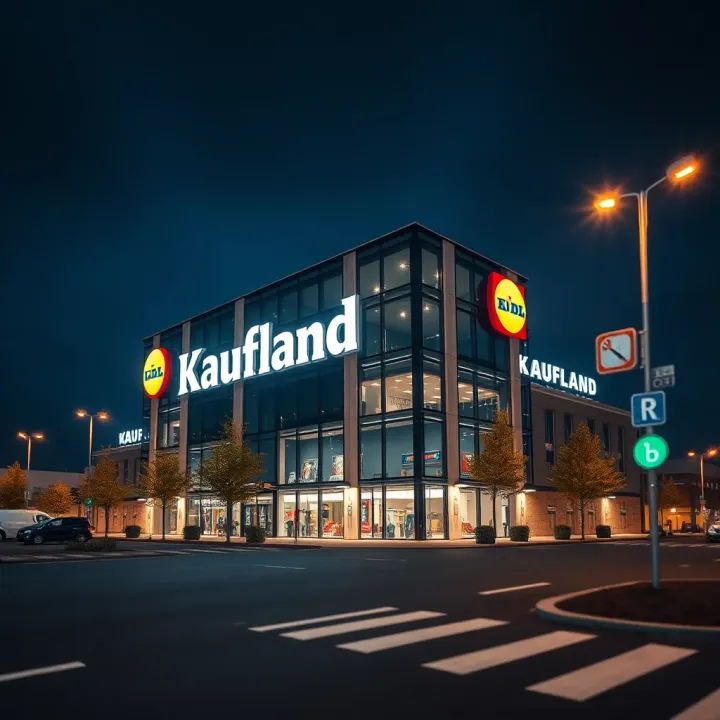
Building a robust retail empire is central to understanding Dieter Schwarz's impact in global commerce. His ability to expand Lidl and establish Kaufland as retail powerhouses demonstrates not just growth but strategic acumen in a competitive market. This section breaks down the founding and expansion of Lidl, the development of Kaufland supermarkets, and the key strategies that propelled their success.
Lidl started as a small grocery wholesaler before Dieter Schwarz transformed it into a discount supermarket giant. He focused on simplifying operations and passing savings to customers, which made Lidl stand out against traditional supermarkets. The fast expansion across Europe, with thousands of outlets, relied on delivering essential goods at lower prices without compromising quality. For instance, Lidl's use of private labels instead of multiple brands helped control costs.
Their entry into various markets wasn’t by chance; Schwarz studied local buying behaviours and tailored the store formats accordingly. This adaptive approach, from the earliest stores in Germany to moving into Nigeria-like emerging markets, shows the importance of understanding diverse consumer needs.
Kaufland complements Lidl by focusing on larger supermarket formats with a broader product range. Schwarz positioned Kaufland to attract middle-class shoppers looking for variety and one-stop shopping convenience. Unlike Lidl’s strict discount model, Kaufland offers a more traditional retail experience but retains efficiency and competitive pricing.
The growth of Kaufland involved aggressive site selection often near residential areas or industrial hubs, ensuring steady foot traffic. It strategically expanded its presence in Eastern Europe and beyond, strengthening Schwarz’s overall retail footprint. Its success also highlights managing two distinct brands targeting different customer segments without brand dilution.
Schwarz’s retail growth leaned heavily on several clear strategies:
Cost Leadership: Streamlining supply chains and focusing on high inventory turnover kept prices low.
Private Label Products: These accounted for a significant share, boosting margins and customer loyalty.
Selective Expansion: Not every market was suitable; Schwarz concentrated on places with urban growth and consumer demand.
Operational Efficiency: Emphasis on logistics, staff training, and minimising wastage ensured smooth operations.
Schwarz’s knack for combining scale with cost efficiency reshaped discount retailing, proving that strategic management drives both growth and profitability.
In a nutshell, the building of the Schwarz retail empire showcases how deep market understanding, clear positioning, and operational discipline can turn modest beginnings into a multi-billion-naira business growing across continents.
Dieter Schwarz's management style centres on stringent efficiency and cost control. This approach has been crucial in propelling Lidl and Kaufland into major retail players globally. For traders and investors watching retail markets, understanding Schwarz’s discipline offers insight into how operational rigour translates to competitive pricing and profitability.
Schwarz is known for his relentless pursuit of trimming unnecessary expenses without compromising product quality. Lidl’s no-frills store design reflects this; minimal decor and a straightforward layout reduce overheads such as electricity and maintenance. By limiting product variety to high-turnover items, Lidl keeps inventory and logistics simple, cutting down storage costs and avoiding unsold stock.
For example, Lidl stores often stock around 1,500 key products compared to supermarkets that might offer over 40,000 SKUs. This sharp focus helps the company negotiate better deals with suppliers, often securing lower procurement prices. Kaufland operates on a similar efficiency principle but offers a wider product range, targeting a broader shopper base while still applying cost control rigor.
Moreover, Schwarz’s emphasis on streamlined supply chains speeds up turnover, improving cash flow—a vital consideration for investors assessing liquidity and operational cycle health.
Schwarz's cost-focused philosophy has directly impacted Lidl and Kaufland’s ability to offer low prices consistently, fostering customer loyalty and market expansion.
Schwarz fosters a tightly knit company culture that values discipline, pragmatism, and long-term sustainability. Instead of relying heavily on top-down management, his leadership encourages decentralised decision-making with clear accountability. Store managers are empowered to optimise operations within defined efficiency standards, which encourages quick problem-solving on the ground.
Training and staff development receive significant attention, ensuring workers align with the company’s cost-conscious ethos. This not only lowers staff turnover but also preserves institutional knowledge—critical for smooth operations. Schwarz avoids flamboyant leadership styles, favouring results-oriented management that rewards consistency over flashiness.
For investors, this culture translates into stable earnings and predictably measured growth, rather than sudden market swings. It also helps minimise risks linked to operational disruptions and labour disputes, factors that periodically unsettle other retail chains.
In summary, Dieter Schwarz’s approach blends financial discipline with pragmatic leadership, creating robust businesses able to perform well amidst economic fluctuations. For market watchers and investors focused on retail sectors, studying his management philosophy provides valuable lessons in balancing cost control with sustainable growth.
Dieter Schwarz stands as one of the most financially formidable figures in the retail sector, with his wealth directly reflecting the success of Lidl and Kaufland. Understanding his financial standing helps shed light on the scale of influence he holds—not just within Germany but globally. For investors and analysts, his net worth is a key indicator of the resilience and profitability of his ventures, which continue to shape retail markets worldwide.
As of the latest financial assessments, Dieter Schwarz’s net worth is estimated to be around US$40 billion, putting him among the wealthiest individuals globally. His wealth mostly comes from his controlling stake in the Schwarz Group, the parent company of Lidl and Kaufland supermarkets. Unlike many billionaires who diversify into numerous unrelated businesses, Schwarz has kept his focus on retail and associated logistics, which has yielded consistent growth.
His financial standing benefits from the robust performance of his chains in Europe and their rapid expansion in new markets. Lidl, in particular, has grown aggressively in countries like the United Kingdom, Poland, and Spain, while Kaufland maintains a strong savings-driven appeal. This focused yet expansive approach has not only secured a steady revenue stream but has also positioned Schwarz to buffer against fluctuations in local markets and currency volatility.
Schwarz’s influence extends well beyond personal wealth; his business operations alter the retail landscape significantly. Lidl's low-cost model has pressured traditional supermarkets to rethink pricing, product sourcing, and supply chain efficiency, thus reshaping consumer expectations. In Nigeria, and other emerging markets, retailers study such models to innovate local distribution and pricing strategies amid challenging infrastructures.
Moreover, the Schwarz Group is credited with introducing a retail formula that champions cost-efficiency and streamlined operations, which has boosted employment and modernised retail logistics in many regions. This ripple effect facilitates smoother supply chains that can lower costs for consumers and suppliers alike.
Dieter Schwarz’s business strategy demonstrates how focused leadership and innovation in retail can drive both economic growth and market competition globally.
For traders and investors, the ongoing growth and international footprint of Lidl and Kaufland offer promising opportunities. Understanding Schwarz’s influence equips stakeholders with insights into market trends, competitive dynamics, and potential risks in the evolving retail space.
In sum, Dieter Schwarz's wealth is not just a personal asset but a reflection of his massive impact on retail business models and economies worldwide. This influence underscores why his actions and company strategies warrant close attention from anyone involved in commerce and finance.
The legacy and future outlook for Dieter Schwarz intertwine closely, revealing how his business decisions today will shape the continued dominance of Lidl and Kaufland. His legacy extends beyond just financial success; it reflects how these retail giants transformed discount shopping across Europe and beyond. Understanding this helps traders and investors appreciate the long-term value and stability embedded in these brands, especially amid shifting global retail dynamics.
Dieter Schwarz maintains a relatively low profile when it comes to public philanthropy, but his social contributions are notably strategic. Rather than flashy donations, the Schwarz Foundation channels funds into education and social welfare initiatives, largely in Germany. This includes supporting schools, vocational training programmes, and community development projects.
His focus on giving back through education aims to foster the next generation of skilled workers, which indirectly benefits his retail empire by strengthening the labour market. For investors, this approach signals Schwarz’s commitment to sustainable community engagement rather than short-term charity, enhancing corporate reputation and long-term operational stability.
Sustainability is steadily becoming a core part of Lidl and Kaufland’s operations under Schwarz’s oversight. Both supermarket chains have begun integrating eco-friendly solutions, such as reducing plastic use and improving energy efficiency in stores. For example, LED lighting and refrigeration units with lower energy consumption are now standard in many outlets, trimming operational costs and environmental impact.
On top of that, Lidl has ramped up sourcing local and organic produce, providing a dual benefit of supporting local farmers and attracting environmentally conscious consumers. Innovations like further digitisation of supply chains and leveraging data analytics to reduce food waste highlight how the company balances cost control with responsible business practices. These moves not only meet regulatory pressures but also position Lidl and Kaufland favourably in increasingly green-conscious markets.
Looking ahead, Lidl and Kaufland are poised for cautious yet strategic expansion globally. While Europe remains their stronghold, the groups eye emerging markets with growing middle classes, including parts of Africa and Asia. Their discount retail model fits well with the price sensitivity of consumers in these regions.
However, breaking into new markets demands careful adaptation to local buying behaviours and competition from established local players. Schwarz’s history suggests a preference for measured growth rather than rapid market saturation, which helps mitigate risks and maintain margins.
For investors and analysts, Schwarz’s legacy of steady growth combined with selective innovation points to resilience, making Lidl and Kaufland solid candidates for long-term stakes in retail.
At the same time, digital transformation remains central. Both retailers are investing in e-commerce and omnichannel experiences to keep pace with consumer shifts post-pandemic, especially in urban centres across Europe and beyond. This reflects an understanding that future success will come from blending traditional supermarkets with convenient online options.
In summary, Dieter Schwarz’s legacy and foresight create a foundation that balances strong social responsibility, sustainability initiatives, and prudent global expansion. Traders and investors should watch for these strategic elements as indicators of continued growth potential in Lidl and Kaufland’s evolving retail landscape.
Explore how Nigerian traders can secure funding, manage risks, and scale with practical tips on access to capital, challenges, and business growth 🚀 ₦ strategies for all levels.

Discover how Richard Teng drives fintech and digital innovation 🇳🇬, shaping Nigerian business landscapes with strategic vision and practical tech solutions for future growth 📈

🎯 Get the latest on today's Gemz Daily Combo! Discover how to pick numbers wisely, where to find updates, and boost your chances in Nigeria's favourite gaming combo.

🔍 Understand how today's Tapswap code powers contactless payments in Nigeria, its security features, practical tips, and what businesses must know for smooth transactions.
Based on 10 reviews