
Inside Nigeria’s Top Forex Traders and Their Strategies
Discover how Nigeria's top forex traders have built wealth 💰 using smart strategies, fintech tools 📱, and navigating challenges in the ₦ market effectively.
Edited By
George Hamilton
South Africa boasts one of the most active forex trading communities on the African continent, driven by both retail and institutional investors. This vibrant market has grown due to access to global currency pairs, relative economic stability compared to neighbours, and increasing internet penetration. However, South African traders face unique challenges such as currency volatility, regulatory oversight by the Financial Sector Conduct Authority (FSCA), and fluctuating global market trends.
Forex trading in South Africa typically revolves around major pairs like USD/ZAR, EUR/ZAR, and GBP/ZAR, reflecting the nation's ties to global trade and investment flows. Local traders often balance opportunities for quick gains against risks from volatile moves in the rand (ZAR), particularly during political shifts or commodity price changes.
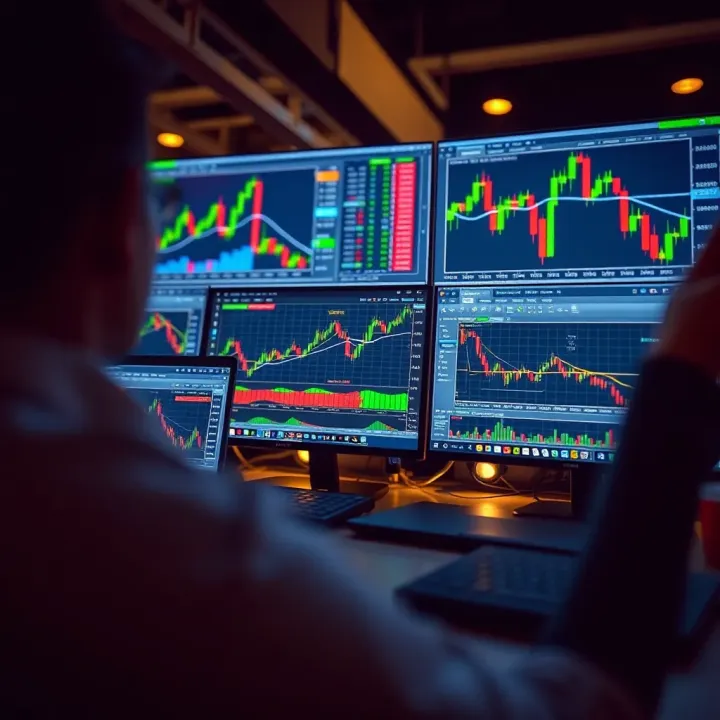
Diverse trading styles: Traders here employ varied approaches, from scalping and day trading in a fast-paced manner, to swing trading where positions are held for days to capitalise on medium-term trends.
Use of global and local data: Successful traders monitor international economic indicators, oil prices, and domestic news like interest rate decisions by the South African Reserve Bank (SARB).
Technology adoption: Platforms like MetaTrader, coupled with brokers regulated under the FSCA, provide reliable access, though many traders also explore technology tools such as automated trading bots and sentiment analysis.
South African traders often hedge against naira fluctuations by diversifying into dollar-based assets, reflecting common financial strategies in countries experiencing currency pressure. For example, during the fuel subsidy talks or election periods, forex volume spikes as traders seek to protect investments.
The trade-off for South African forex traders involves navigating a mix of global economics, local macro events, and regulatory frameworks, all while staying agile enough to exploit sudden market moves.
Understanding this landscape helps investors and analysts predict shifts and tailor their strategies accordingly. This article will further explore common trading strategies, risk management practices, and the influence of international trends on South African forex activities.
Understanding the landscape of forex trading in South Africa is essential for traders, investors, and analysts aiming to navigate this dynamic market effectively. This overview provides the foundation for grasping how local conditions, regulatory frameworks, and market preferences shape trading behaviours and opportunities in the region.
South Africa stands as one of the most active forex hubs in Africa, attracting both retail and institutional traders. Daily trading volumes frequently reach billions of rand, reflecting a robust participant base driven by economic variables such as commodity prices, political factors, and currency fluctuations. For example, Johannesburg often sees heightened activity during the local business hours when global markets, especially London and New York, are open simultaneously.
This activity level signifies considerable liquidity, which benefits traders through tighter spreads and faster execution. However, it also means that price swings can be sharp, influenced by macroeconomic announcements like the South African Reserve Bank’s interest rate decisions or shifts in mining exports.
The South African rand (ZAR) features prominently in local forex trading, with pairs such as USD/ZAR, EUR/ZAR, and GBP/ZAR in high demand. Traders usually prefer these because they directly reflect local economic health and expose opportunities linked to rand volatility. For instance, during periods of political uncertainty or fluctuations in gold prices, USD/ZAR often shows strong moves allowing traders to capitalise on short- to medium-term trends.
Besides rand pairs, major global crosses like EUR/USD and USD/JPY remain popular among South African traders, particularly those adopting diversified strategies or engaging in global market speculation.
The FSCA is South Africa’s main regulatory body overseeing forex brokers and traders, ensuring market integrity and protecting investors. Its role includes licensing brokers, monitoring their conduct, and enforcing compliance with laws that prevent malpractice.
Traders benefit from FSCA regulation because it imposes standards on broker transparency and capital adequacy, which reduces the risk of fraud and unethical behaviour. For example, FSCA-approved brokers must segregate client funds and submit regular audits, giving traders added confidence when selecting a platform.
To operate legally, forex brokers in South Africa must obtain FSCA licences, demonstrating adherence to capital requirements and consumer protection rules. This licensing assures traders of broker credibility and access to a fair trading environment.
Brokers without FSCA certification pose higher risks; they might offer unrealistic leverage or lack proper fund security. Hence, traders should strictly prefer FSCA-regulated brokers, especially when managing substantial sums.
The South African forex space, like many markets, has witnessed cases of scams and unregulated operators preying on naïve traders. The FSCA actively educates the public with warnings about common traps and lists of blacklisted entities.
Moreover, traders are encouraged to verify broker credentials and use platforms with clear terms and customer support. Practical steps include confirming vendor registration on FSCA databases and avoiding brokers demanding upfront payments without transparent processes.
Proper regulation and vigilant trader behaviour significantly reduce the risk of falling victim to forex fraud in South Africa.
By understanding both the market environment and the regulatory safeguards, South African traders stand better positioned to exploit forex opportunities while managing inherent risks.
Understanding the profiles and strategies of South African forex traders sheds light on how this particular market operates day to day. It helps investors, brokers, and analysts grasp why certain trading methods succeed or fail within the local context. When you know the typical trader profiles and their preferred tactics, you can better anticipate market behaviour and tailor your approach accordingly.
South Africa's forex market includes both retail and institutional traders, each with distinct characteristics. Retail traders are individuals trading from home or small offices, often starting with modest capital. Many trade part-time, balancing their day jobs with forex. Institutions, on the other hand, consist of banks, hedge funds, and investment firms with larger capital, influence, and access to advanced tools. While institutions tend to move big volumes and can sway the market, retail traders contribute significantly to daily trade volume, especially during volatile sessions like when the rand reacts sharply to local economic news.
Motivations vary greatly between these groups. Retail traders often seek additional income or speculate for short-term gains, like capitalising on rand volatility during news events or commodity price shifts. For example, a trader might focus on USD/ZAR when gold prices dip, expecting the rand to respond. Institutions pursue profit but also engage in hedging to protect their positions, manage currency risks for multinational operations, or diversify portfolios. Understanding these motivations clarifies why some traders tolerate higher risks while others play it safe, especially given South Africa's economic fluctuations.
Day Trading and Scalping are common among South African retail traders due to immediate market access via platforms like MetaTrader 4 and cTrader. These styles involve multiple quick trades within the day, aiming for small profits each time. Scalpers might trade USD/ZAR or EUR/USD several times an hour, capitalising on slight price moves and high liquidity. This approach demands close attention and fast execution but can be rewarding if well managed.
Meanwhile, Swing Trading and Position Trading suit traders with longer time horizons and more patience. Swing traders hold positions for days or weeks, benefiting from broader price movements like reactions to South African Reserve Bank (SARB) rate decisions or political developments. Position traders may keep trades open for months, focusing on macroeconomic trends such as commodity exports or inflation rates. These styles reduce the noise of short-term fluctuations but require solid analysis and emotional discipline.
Many South African traders emphasise Technical Analysis Focused Methods. They rely on charts, indicators like Moving Averages or Relative Strength Index (RSI), and price action patterns to make entry and exit calls. Technical analysis offers an accessible way to interpret market behaviour without needing deep economic knowledge. For example, recognising support and resistance levels on USD/ZAR charts can guide precise trade timing during a period of rand weakness.
On the other side, some traders incorporate Fundamental Analysis in Forex Decisions. They follow economic data releases — like inflation reports, employment statistics, or SARB monetary policy statements — to anticipate currency moves. This is especially relevant in South Africa's resource-driven economy, where shifts in commodity prices or global demand influence the rand. A trader monitoring mining sector performance can better gauge long-term currency trends, adjusting strategies beyond short-term price swings.
Knowing who trades and how they approach the market offers practical insight for anyone engaged in South African forex. Tailoring your strategy to local styles and motivations improves decision-making and can enhance profitability in a dynamic market environment.
Understanding the risks and challenges specific to South African forex traders is crucial for anyone looking to succeed in this fast-paced market. Traders operating within or focusing on South Africa must navigate a mix of local economic pressures and the ripple effects of global events. These factors often contribute to sudden market shifts that can wipe out unprepared positions.
Local economic indicators like South Africa's GDP growth, unemployment rates, and inflation figures directly affect the rand's strength and, by extension, forex pairs involving ZAR. For example, the frequent power supply issues from Eskom lead to economic slowdowns, which can reduce investor confidence and weaken the rand overnight.
Globally, South African traders must also watch developments in major economies such as the US and China. When the US Federal Reserve adjusts interest rates, emerging markets like South Africa often feel the shockwaves. A rise in US rates typically leads to capital flight from emerging currencies to the dollar, putting pressure on ZAR pairs. During periods like the COVID-19 pandemic or commodity price shocks, volatility spikes as traders react swiftly to uncertain conditions.
The rand (ZAR) and Nigerian naira (NGN) are two key currencies in Africa that share some economic traits but behave quite differently in forex. South African traders dealing with naira pairs face unique challenges given Nigeria’s heavy import dependency and regulatory changes that affect currency access.
For instance, the naira often experiences sudden policy shifts like the Central Bank of Nigeria's (CBN) frequent adjustments to the official exchange rate or foreign exchange window restrictions. These moves cause sharp swings that open opportunities but demand quick decision-making and robust risk controls. Without these, traders can quickly lose capital overnight as the naira faces pressure from inflation and foreign reserve shortages.
One major pitfall is poor risk management. Many South African traders dive into volatile markets without setting stop-loss orders or calculating position sizes relative to their capital. This approach exposes them to losses far beyond what they anticipated.
Consider the 2018 rand crash after Moody’s downgraded South African debt. Traders who ignored risk controls suffered severe financial setbacks due to rapid depreciation. Effective traders use tools like stop-loss and limit orders to shield their capital and avoid such wipeouts.
Emotions can be the biggest adversary in forex. Traders often chase losses or become overconfident after wins, leading to overtrading. For example, after a big win on a ZAR/USD trade, a trader might increase their lot size recklessly, hoping to replicate success, only to encounter a sudden reversal.
This behaviour results in poor decision-making, escalating losses and missed opportunities to lock in profits. Successful traders in South Africa learn to stick to their trading plan, maintain discipline, and know when to take breaks to avoid burnout.
Mastering these risks and psychological hurdles is key for forex traders in South Africa. The market demands focus, discipline, and solid strategies to navigate the volatile currency landscape effectively.
Success in forex trading largely depends on the right tools, resources, and platforms. South African traders face a dynamic market influenced by local economic conditions and global events. To stay competitive, they must rely on reliable platforms, solid educational resources, and practical risk management tools. These elements empower traders to analyse the market effectively, execute timely trades, and manage risks prudently.
MetaTrader 4 and MetaTrader 5 remain the cornerstone platforms for most South African forex traders. MT4, known for its user-friendly interface and stable performance, offers essential charting and automated trading capabilities. Many brokers in South Africa support MT4 owing to its simplicity and extensive third-party indicators. Meanwhile, MT5 builds on MT4 by including more timeframes, additional order types, and improved analytical tools. Traders who require smarter market depth features or access to a wider range of instruments often prefer MT5. Both platforms allow South Africans to trade popular currency pairs like USD/ZAR with ease on desktop or mobile devices.
cTrader and Proprietary Broker Platforms offer alternatives that appeal to certain traders. cTrader provides excellent transparency and advanced order execution, which suits scalpers and algorithmic traders seeking low latency. Some brokers in South Africa also develop proprietary platforms tailored to local market preferences. These bespoke solutions can include customisable dashboards or unique risk controls, meeting the specific needs of active traders. However, proprietary platforms vary widely in quality, so South African traders weigh their ease of use and reliability before committing.
Local Forex Trading Workshops and Seminars play a crucial role in equipping beginners with foundational knowledge. Organised by brokerages or independent educators in cities like Johannesburg and Cape Town, these workshops cover market fundamentals and practical trading strategies. Attendees often benefit from live demonstrations and networking opportunities, essential for understanding the nuances of the South African forex scene.
Online Courses and Webinars provide flexibility for traders balancing busy schedules. Platforms such as Udemy, Coursera, and broker-specific educational portals offer in-depth lessons on forex concepts, technical analysis, and risk management. Webinars also bring real-time market discussions, often featuring expert insights relevant to events affecting the Rand and other African currencies.
Trader Forums and Social Media Groups create valuable peer support networks. Active communities on platforms like Telegram, Facebook, and WhatsApp allow South African traders to share signals, discuss market moves, and exchange ideas. These groups often serve as informal mentorship hubs where beginners can ask questions directly to experienced traders.
Stop Loss and Take Profit Orders are fundamental risk controls widely used by South African traders to limit losses and lock in gains automatically. By setting predetermined exit points, traders avoid emotional decisions during volatile sessions involving the Rand or major forex pairs.
Economic Calendars and News Feeds are vital for staying informed on scheduled releases like South African Reserve Bank decisions or US jobs data, which swiftly impact forex markets. Tools such as Forex Factory and Bloomberg help traders anticipate and react properly to economic events.
Technical Indicators and Charting Software support precise entry and exit strategies. Platforms like TradingView provide an extensive library of tools that South African traders use for trend analysis, momentum measurement, and volatility tracking. When combined with local market insights, these tools increase a trader's ability to spot opportunities and avoid common pitfalls.
Having the right platform and access to educational and analytical tools can make or break trading outcomes in South Africa's forex market. Traders who invest time in mastering these resources often edge out their competitors, especially in a challenging environment shaped by currency fluctuations and global influences.
Global events shape the forex landscape in South Africa significantly. Traders here must watch international developments closely because they directly influence the rand’s strength and volatility. Understanding these global trends offers practical benefits: it helps traders anticipate market moves, adjust strategies, and manage risks better.
The US Federal Reserve’s monetary policy decisions, especially interest rate adjustments, often ripple across forex markets worldwide. For South African traders, changes in the Fed’s rates influence capital flows. When the Fed tightens rates, emerging market currencies like the rand may weaken as investors pull funds to chase higher returns in the US.
A concrete example is the Fed's rate hikes in 2022, which caused the rand to drop against the US dollar. South African traders had to recalibrate their positions, often shifting towards safer assets. Keeping tabs on the Fed’s meetings and statements helps traders anticipate these movements and avoid being caught on the wrong side.
South Africa’s economy relies heavily on commodities such as gold, platinum, and coal. As a result, the prices of these commodities affect the rand’s value. Rising commodity prices usually strengthen the rand because they indicate higher export earnings and better economic outlook.
For instance, a sharp rise in gold prices due to global inflation fears can boost rand demand. Traders monitoring commodity markets alongside forex charts gain timely insights to exploit related currency moves. Ignoring commodity trends often results in missed opportunities or unexpected losses.
Political events both within South Africa and globally can sway forex markets. Factors like elections, policy changes, or geopolitical tensions create uncertainty that impacts currency valuations.
An example is South Africa's 2019 elections, which caused short-term rand fluctuations amid investor caution. Similarly, global situations such as Brexit or US-China trade disputes have broader implications for emerging market currencies including the rand. Traders who keep abreast of political news can better time entries and exits.
Algorithmic trading uses computer programs to execute trades based on predefined criteria. This approach is growing among South African traders due to its speed and ability to handle large data sets.
Automated systems can follow technical indicators more consistently than humans, reducing emotional bias. For example, some local traders have adopted algorithmic bots to scalp quick profits or manage stop losses automatically. While automation does demand technical know-how and monitoring, its practical advantage lies in executing strategies around the clock without fatigue.
Mobile apps have put forex trading within reach of many South Africans beyond major cities. Platforms like MetaTrader 4 and 5, plus broker-specific apps, enable active trading even on basic smartphones.
This accessibility means traders can respond instantly to price changes or global events, enhancing agility. It also lowers cost barriers, as traders do not need expensive setups. The flip side is the temptation for impulsive trades, so discipline remains vital. Still, the rise of mobile trading apps has broadened participation and reshaped how South Africans interact with forex markets.
Understanding global trends and technological advances is no longer optional but necessary for South African forex traders aiming to stay competitive in a fast-moving market.
Discover how Nigeria's top forex traders have built wealth 💰 using smart strategies, fintech tools 📱, and navigating challenges in the ₦ market effectively.
Discover what sets top forex traders in Nigeria apart 🇳🇬. Learn key traits, winning strategies, and the trading environment that fosters success 📈.
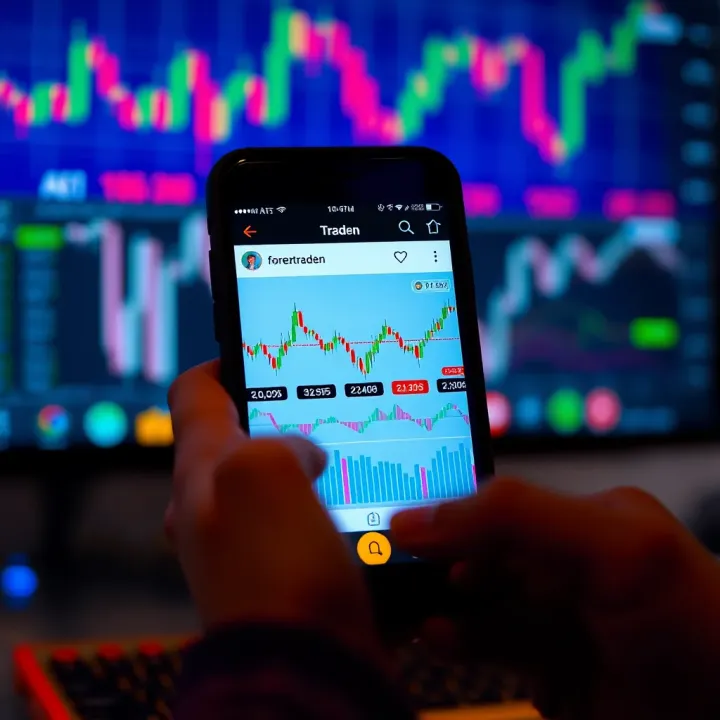
Explore how female binary options forex traders on Instagram share strategies, build a community, face challenges, and navigate regulations 📊👩💼📈
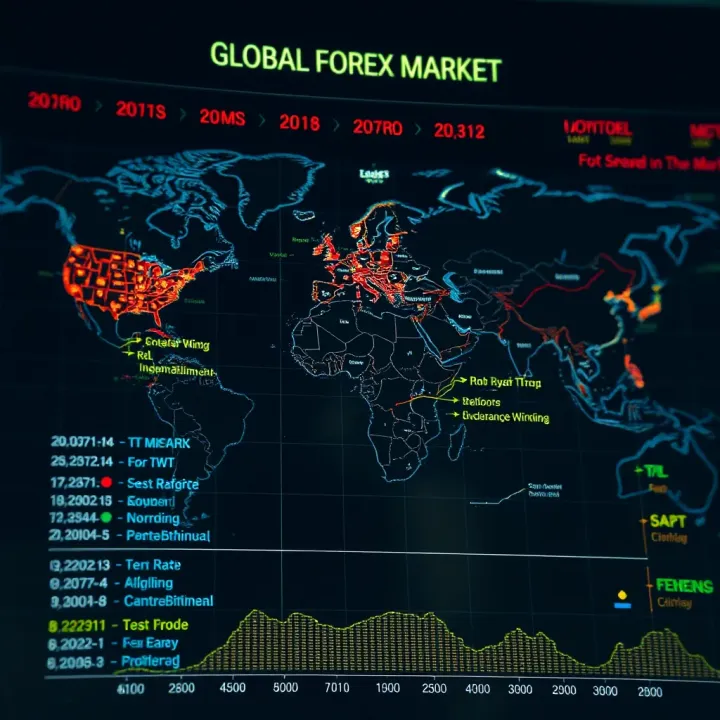
📈 Discover Nigeria's forex market hours and how global sessions impact your trading. Learn to navigate time zones and optimize your trading strategy effectively. 🌍💹
Based on 14 reviews