
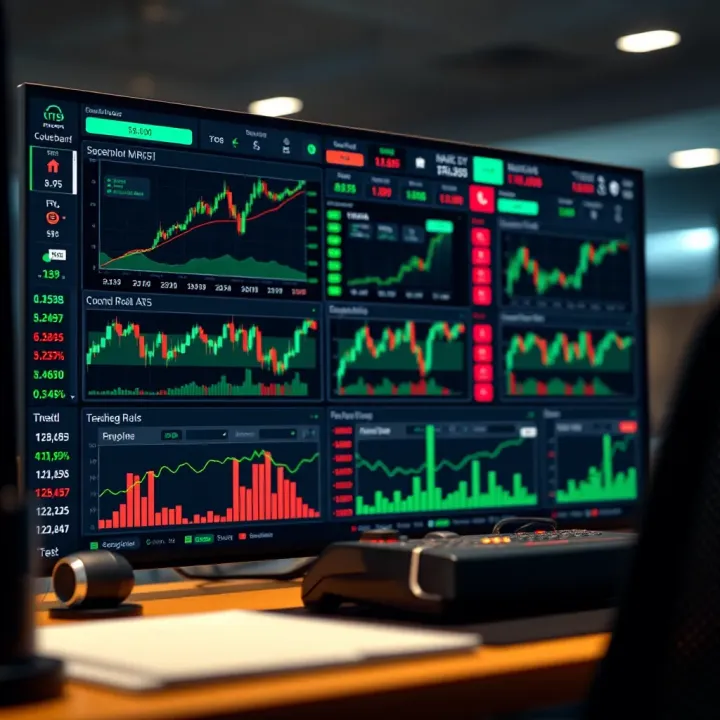
Choosing the Best Trading Platform for Nigerian Traders
Discover how to pick the best trading platform for Nigerian traders📈. Learn about features, regulations, and practical tips for smarter investing🇳🇬.
Edited By
Charlotte Hughes
Predictions shape much of our decisions every day, especially in sectors like trading, finance, and technology in Nigeria. Whether it’s gauging tomorrow’s weather for transport plans or forecasting market movements for investment choices, understanding how these forecasts are made becomes crucial.
Forecasting uses data and patterns to estimate what might happen next. In Nigeria, where the weather can suddenly take an unexpected turn or the naira exchange rate swings rapidly, reliable predictions help reduce uncertainty and inform better choices.
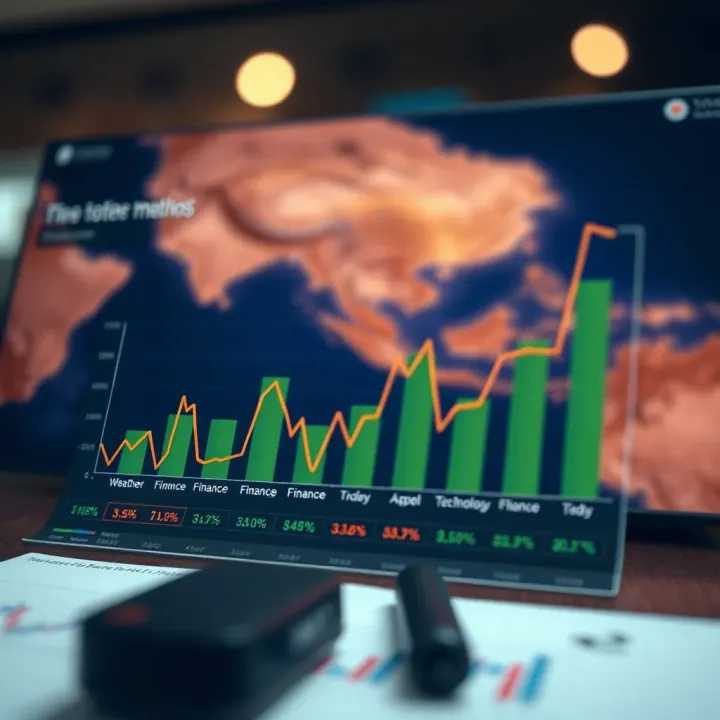
Take weather forecasts, for instance. Meteorological agencies rely on satellite data, historical patterns, and computer models to predict rainfall or heat waves. Farmers in Northern Nigeria depend on this info to decide when to plant crops, while Lagos traders factor rain forecasts into logistics planning to avoid losses from delayed goods.
In finance, forecasts combine economic indicators, company performance, and global events. Analysts use methods like statistical models and machine learning to predict stock prices or currency trends. For example, when the Central Bank of Nigeria (CBN) advertises a change in monetary policy rate, traders and investors watch carefully because such moves often influence the naira’s strength.
Time series analysis: studying past data to predict future values, common in stock market and FX trading
Regression models: examining relationships between variables such as inflation and interest rates
Machine learning algorithms: software that detects complex patterns in large data sets, increasingly used by fintech startups
Predictions are not certainties but tools for better decision-making. Knowing the accuracy and limits of forecasts is just as important as knowing the predictions themselves.
Understanding these methods helps finance professionals and investors evaluate risks more effectively. This awareness enables sharper decisions, like when to buy stocks, hedge currency exposure, or adjust portfolios in response to political developments.
Across sectors, the common thread is that predictions give you an edge in planning and reacting smartly, even when the future looks uncertain. For Nigerians navigating volatile markets and unpredictable weather, mastering how forecasts work will give a solid advantage in making informed choices that protect money and time.
Understanding how forecasts are made for tomorrow is key for traders, investors, and analysts who depend on accurate, timely information. Forecasts guide critical decisions, from when to buy or sell assets to planning for market risks. Grasping the methods behind predictions helps you weigh their reliability and apply insights effectively.
Statistical Models and Data Analysis serve as the backbone for most forecasts. These models examine numerical data to spot trends and relationships. For example, in financial markets, analysts use regression models to predict stock price movements by correlating economic indicators with past performance. This statistical approach allows for quantitative, data-driven decisions rather than gut feelings.
Machine Learning and AI have increasingly become important in prediction. These technologies learn from large datasets and refine their forecasts as new data arrives. A hedge fund might deploy AI to identify subtle market patterns invisible to human analysts, improving predictions of currency exchange rates. Machine learning helps handle complex, non-linear relationships common in volatile markets, adding speed and adaptiveness to forecasting.
Use of Historical Patterns remains a reliable method, especially when markets exhibit recurring behaviours. Analysts often compare current data with past market cycles—such as commodity price changes during ember months—to forecast short-term movements. This approach is practical in Nigerian markets where seasonal patterns influence trading volumes and prices.
Meteorological Data for Weather Forecasts might seem unrelated to finance, but weather impacts agriculture, commodity markets, and even energy supply. Predictive models rely on satellite data, temperature readings, and humidity levels to forecast weather, which in turn influences traders in cocoa, maize, or petrol markets.
Financial Market Data is the primary source for economic predictions. This includes stock prices, trading volumes, interest rates, and exchange rates. Real-time access to NGX data and CBN reports helps investors track market movements and anticipate trends. Reliable data ensures forecasts reflect current realities rather than outdated information.
Technological Tools and Sensors enhance data accuracy and availability. High-frequency trading platforms gather milliseconds of market activity, while IoT sensors in logistics track supply chain efficiency. In Nigeria, fintech platforms like Paystack and Flutterwave provide transactional data helping analysts predict consumer spending trends.
Accurate forecasts stem from combining sound techniques with quality data. Knowing how these elements work together empowers you to use predictions smartly and stay ahead in dynamic markets.
By understanding the nuts and bolts of forecast-making, Nigerian financial professionals can better navigate risks and seize opportunities. Predictions do not guarantee outcomes but give valuable clues when grounded in reliable methods and data.
Weather forecasts shape many decisions in Nigeria, impacting everything from travel plans to business operations. Knowing what weather to expect tomorrow helps traders, investors, and professionals prepare and avoid unnecessary risks. Whether it's predicting heavy rain that might disrupt Lagos traffic or anticipating a dry day perfect for market activities, weather forecasts influence the daily rhythm of life and commerce.
Common Weather Terms Explained
Weather reports use specific terms that can seem technical but are crucial for interpreting forecasts correctly. For instance, precipitation means any form of water - rain, hail, or mist - falling from the sky. Humidity refers to the amount of moisture in the air; high humidity often makes the heat feel more intense. When forecasts mention wind chill, it describes how cold the temperature feels due to wind, which is relevant in colder regions or during harmattan season. Understanding such terms helps professionals plan better – a delayed shipment due to predicted storms or a decision to lessen outdoor marketing activities on a humid day.
Challenges in Predicting Local Weather
Nigeria's diverse climate zones complicate weather forecasting. Coastal areas like Lagos experience different weather patterns compared to the savannah regions of the north. Sudden, localised downpours often arise from microclimates that are hard to track with precision. Additionally, limited distribution of meteorological stations, especially in rural areas, reduces the accuracy of local forecasts. For investors or traders dealing with perishable goods, these uncertainties can mean the difference between profit and loss when rain disrupts supply chains unexpectedly.
Accuracy of Weather Forecasts in Nigeria
While Nigerian Meteorological Agency (NIMET) has improved data collection over recent years, forecast accuracy still faces challenges. Predictions are generally reliable within 24 hours, especially for broad conditions like rainfall or temperature trends. However, beyond that, accuracy declines, particularly for localised phenomena. For example, a forecast might predict rain in Lagos tomorrow but miss a thunderstorm in a suburban area. Traders dealing in outdoor commodities or events often cross-check these forecasts with real-time updates to adjust their plans swiftly.
Planning Travel and Outdoor Activities
Many Nigerians consult weather forecasts before long journeys or organising events. For instance, knowing that a heavy downpour is expected can encourage drivers to depart earlier to avoid Lagos traffic jams worsened by flooding. Outdoor markets often delay opening or reduce stock during rainy forecasts to prevent spoilage or losses. Tour operators booking trips for clients also depend on accurate forecasts to ensure safety and comfort, especially around tourist spots like Obudu Ranch or Yankari National Park.
Managing Agricultural Activities
Agriculture depends heavily on weather patterns. Farmers in states like Benue or Kaduna use forecasts to decide when to plant or harvest crops. For example, expecting early rains can prompt timely sowing of yams or maize, while dry forecasts signal the need for irrigation or pest control. Recently, some agritech startups in Nigeria have started integrating weather prediction with farm management apps, helping smallholder farmers optimise yields and reduce losses from unexpected weather changes.
Impact on Businesses and Markets
Weather forecasts influence market dynamics in sectors from retail to transport. For instance, a forecast of heavy rain might reduce foot traffic in outdoor markets such as Balogun or Ariaria but increase demand for indoor goods. Construction companies adjust site schedules based on expected weather to protect materials and labour. Fuel stations, which often face increased consumption during the ember months due to generator use amid unpredictable power supply, pay close attention to weather changes. Understanding these patterns helps businesses control costs and plan inventory effectively.
Accurate weather forecasts empower Nigerians to make smarter everyday choices. For traders, investors, and analysts, integrating weather insights with market knowledge can improve decision-making and safeguard investments against unexpected disruptions.

Financial and market predictions for tomorrow matter a great deal to traders, investors, and businesses in Nigeria. They offer a glimpse into what might happen with stocks, currencies, and commodity prices, helping stakeholders plan proactively rather than react last minute. With Nigeria’s market often influenced by local politics, global trends, and naira volatility, timely financial forecasts provide an edge to those navigating unpredictable waters.
Market analysts closely watch daily and intraday stock movements on exchanges like the Nigerian Exchange Group (NGX) to spot patterns. They consider how economic indicators, such as inflation rates or central bank policy changes, influence investor behaviour. For example, if the CBN adjusts monetary policy rates, stocks in banking and financial sectors tend to react swiftly. Understanding these shifts helps investors anticipate price moves and decide whether to buy, sell, or hold.
Technical analyses, including moving averages and volume trends, also offer clues to future stock performance. When several large-cap stocks start gaining momentum, it may signal an overall market upswing, whereas widespread declines often hint at looming bearish trends.
Exchange rate forecasts centre on forecasting how the naira will perform against major currencies like the US dollar. Since importers, exporters, and foreign investors all depend on currency stability, accurate predictions guide budgeting and pricing strategies.
Analysts review factors such as foreign reserve levels, trade balances, and global oil prices—Nigeria’s primary export. For instance, a dip in crude oil prices often weakens the naira, lifting the cost of imported goods and inflation pressures. Businesses that import raw materials closely monitor these predictions to adjust supply chain plans accordingly.
Nigeria’s economy heavily depends on commodities such as crude oil, cocoa, and agricultural produce. Forecasting future commodity prices helps farmers, refineries, and traders make better decisions. For example, projected rising cocoa prices can prompt farmers to prepare larger harvests or time sales to maximise revenue.
Commodity price forecasts also affect fuel pricing and inflation trends. Retailers and end consumers keenly watch predicted petrol prices since fuel costs influence transport fares and goods pricing nationwide.
Individuals and businesses use financial forecasts to structure investments and savings plans. If markets are projected to be volatile, a conservative approach like fixed deposits or government bonds might be preferred. Conversely, bullish forecasts may encourage risk-takers to invest more aggressively in equities or mutual funds.
A Lagos-based investor, for example, might increase share purchases in telecommunications companies slated for growth due to increased internet penetration.
Financial predictions help companies anticipate risks in trade and supply chains—key in a country where currency swings and fuel shortages can disrupt operations. Importers may hedge against naira depreciation by buying foreign currency forward or negotiate payment terms that reduce exposure to sudden price hikes.
Moreover, predicting commodity price rises lets businesses stockpile essential raw materials or renegotiate contracts to keep costs manageable during inflation spikes.
SMEs rely heavily on accurate financial forecasts to stay afloat. They often operate on tight margins with limited buffers against market shocks. Knowing in advance about interest rate hikes or naira devaluation aids SMEs in adjusting product prices or delaying expansion plans.
For instance, a small manufacturer sourcing materials internationally might delay major orders if the naira appears set to weaken, avoiding inflated costs and cash flow difficulties.
Financial predictions are vital tools for all market players in Nigeria. They reduce guesswork, enabling informed decisions that safeguard capital and optimise opportunities.
By understanding and applying financial forecasts effectively, Nigerians involved in trading, investing, or business management can navigate tomorrow’s economic landscape with greater confidence and control.
Technology is central to making predictions more accurate and accessible. In Nigeria, as in many places, better prediction tools have transformed how traders, investors, and analysts plan their moves across markets and weather-dependent sectors. The practical value is clear: technology allows quicker, sharper insights that can reduce losses and boost gains.
Mobile apps have revolutionised access to prediction data for many Nigerians. Apps like the Weather Channel and AccuWeather provide near-hourly updates on local weather, helping farmers decide the right time for planting or harvesting. On the finance side, apps from platforms like GTBank, Kuda, and even those from fintech companies such as Paystack give real-time stock prices, currency trends, and commodity forecasts. This immediate access lets users react swiftly to market changes without waiting for news bulletins or financial papers.
Integrating predictions with Nigerian digital platforms improves relevance and usability. For example, the NGX mobile app offers market forecasts alongside trade volumes, tailored to local market dynamics. Additionally, fintech platforms that combine payment services with analytic tools make it easier for small and medium enterprises (SMEs) to track currency fluctuations and plan expenses. This kind of integration allows traders and investors to make informed choices while navigating the naira’s volatility and corresponding foreign exchange pressures.
Technology now enables continuous data collection via sensors and IoT devices, feeding prediction systems with up-to-the-minute information. Weather stations across Nigeria send real-time atmospheric data to forecasting centres, increasing accuracy for sudden events like rainstorms or harmattan winds. Similarly, market data platforms gather price shifts from various commodities instantly, helping analysts adjust predictions promptly. This real-time insight means fewer surprises for users who depend on timely data for their strategies.
Despite advances, prediction technology still wrestles with uncertainty. Complex factors and data gaps mean forecasts can sometimes miss the mark. For example, sudden market shocks or unanticipated weather events can cause errors. Traders and analysts must therefore treat predictions as guides, not guarantees, and prepare for some degree of risk.
Collecting vast amounts of user and sensor data raises important questions about privacy and security. Nigerian fintech platforms handle sensitive financial data, making them targets for cyber attacks. Ensuring robust data protection measures and compliance with Nigeria’s data protection regulations is vital to maintain user trust and prevent misuse.
Future developments promise more tailored predictive tools for Nigerian conditions. Advances in machine learning could produce models that better understand local market idiosyncrasies and weather patterns. Moreover, expanding broadband and mobile network coverage across rural areas will allow greater access to prediction apps, helping more farmers and traders plan their activities better. As technology spreads, prediction solutions may become even more integral to business success and daily choices in Nigeria.
Technology remains the backbone of better predictions, but users must couple it with sharp judgement to navigate uncertainties and maximise benefits.
This technology-driven approach to forecasting marks a vital step forward, especially given the fast-moving, sometimes unpredictable nature of Nigerian markets and weather conditions.
Understanding how to interpret and use predictions effectively is key for anyone involved in trading, investing, or analysing market trends in Nigeria. Predictions, whether about weather, financial markets, or technology, come with uncertainties and nuances that can affect your decisions. Grasping their reliability and limits helps you avoid costly mistakes and make smarter moves.
Before putting trust in any prediction, scrutinise where the information comes from and how it was made. Reputable sources like the Central Bank of Nigeria (CBN) for financial forecasts or the Nigerian Meteorological Agency (NiMet) for weather reports offer credible data and transparent methods. If the prediction relies on outdated data or unclear models, treat it with caution.
For example, a stock analyst predicting NSE trends based on recent price movements and volume offers more confidence than one using vague assumptions. Understanding the methodology allows you to assess whether the prediction suits your specific needs and risk appetite.
Most predictions come with a degree of uncertainty shown as probability or margin of error. A weather forecast saying "60% chance of rain tomorrow" means rain isn't guaranteed but likely. Likewise, a currency exchange forecast might predict the naira will weaken by 2–3%, but market shocks can alter this.
Knowing these probabilities helps you prepare for different scenarios rather than rely on a single expected outcome. For instance, a trader might hedge positions if a forecast shows significant market volatility with a wide margin of error.
No prediction is perfect—biases from data selection, models, or analyst perspectives can skew results. For instance, a market forecast by a firm with vested interests in certain stocks might overstate bullish trends. Similarly, weather predictions often struggle with microclimatic variations, especially in diverse Nigerian geographies.
Being aware of these biases helps you question overly optimistic or pessimistic forecasts and combine multiple sources for balanced insight.
While prediction tools offer valuable guidance, relying on personal experience and local understanding is just as important. For example, even if NiMet predicts rain, if you know your area's drainage system is poor, you might choose to stay indoors or avoid certain routes.
In investment, despite positive financial forecasts, consider broader economic signals like fuel subsidy adjustments or foreign exchange trends before committing funds. This balance between data and intuition often leads to better outcomes.
Markets and weather can change quickly—being prepared for surprises protects your interests. Hold some flexibility in your plans; a trader might keep some cash liquidity instead of full investment in volatile stocks. Similarly, farmers should plan planting seasons with backup options if weather predictions shift.
This readiness reduces shocks from sudden changes and turns surprises into manageable challenges.
Predictions often get updated as new data arrives. Regularly checking forecasts ensures you act on the most current information. Nigerian digital platforms like Pulse or financial apps often push real-time alerts that keep you informed.
For example, a shift in currency outlook due to new government policies should prompt investors to reconsider strategies quickly. Timely updates help in avoiding losses and seizing emerging opportunities.
Effective use of predictions means questioning their basis, blending them with your knowledge, staying flexible, and keeping abreast of changes. This approach is crucial for navigating Nigeria’s dynamic weather, markets, and technology sectors with confidence.
In short, interpreting predictions wisely safeguards your decisions and sharpens your response to tomorrow’s uncertainties.
Discover how to pick the best trading platform for Nigerian traders📈. Learn about features, regulations, and practical tips for smarter investing🇳🇬.
Discover how to pick the best trading platform worldwide 🌍 by exploring features, security, tools, and user experience tailored for Nigerian traders 🇳🇬.
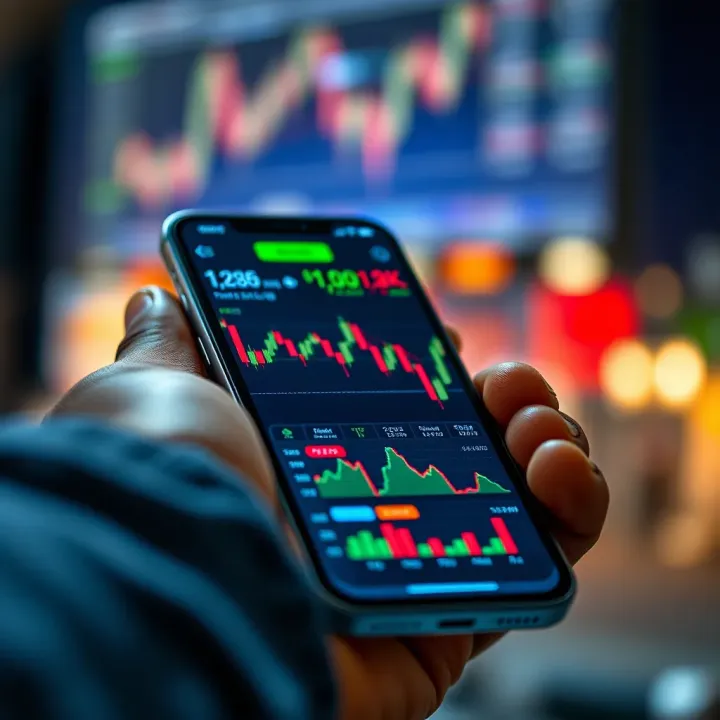
📱 Discover how to pick the best trading app in Nigeria! Learn key features, popular options, costs, and safety tips to grow your investments securely.
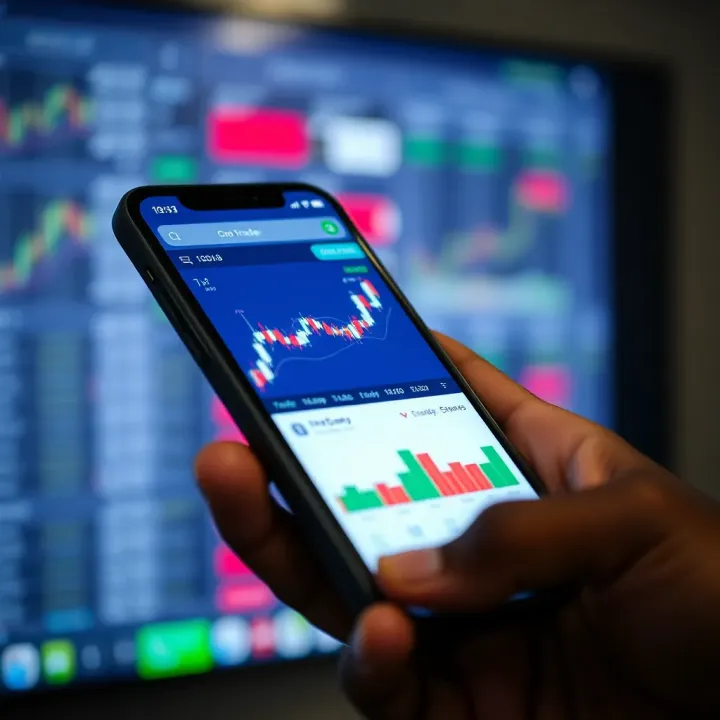
Looking for the best trading app in Nigeria? 📱 Discover must-have features, safety tips, and app picks tailored to your trading goals today! 🇳🇬
Based on 8 reviews