

Will Bitcoin Rise Again? A Clear Look
📈 Curious if Bitcoin will rise again? Explore key trends, tech updates, and expert insights shaping its future—perfect for Nigerian crypto enthusiasts! 🇳🇬
Edited By
Jack Wilson
For anyone dabbling in Bitcoin trading or investment, the question "Will Bitcoin rise tomorrow?" pops up more often than you'd expect. It's like trying to guess if it'll rain the next day just by feeling the wind — possible, but tricky to nail down. Bitcoin’s price is famously volatile, reacting to numerous factors that can change by the hour. This makes short-term predictions especially challenging but still worth understanding.
In this article, we'll shed some light on what moves Bitcoin’s price in the short term. From market indicators to breaking news and price trends, we'll dissect the main elements that shape Bitcoin’s daily ups and downs. Whether you're a trader watching charts, an investor considering a quick flip, or a finance professional tracking market movements, you'll find useful insights here.
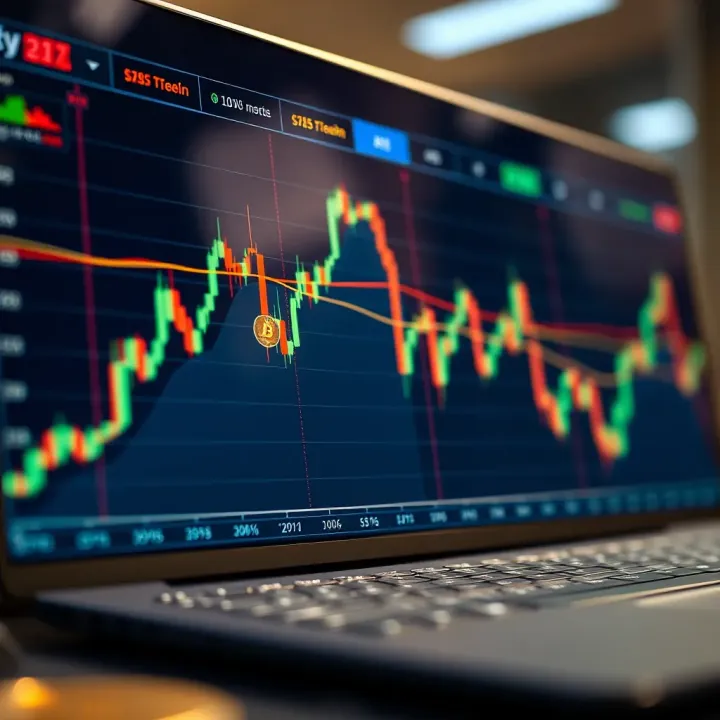
Understanding these drivers is key because the crypto market can sometimes be like a roller coaster—thrilling but unpredictable. Our goal isn’t to provide crystal ball answers but to equip you with the know-how to interpret the signals better. This way, you can make more informed decisions rather than just guessing.
Remember: Bitcoin’s short-term moves are influenced by a mix of technical data, market sentiment, and external events. Recognizing these factors helps you gauge if an immediate rise is likely, instead of relying on gut feelings.
In the following sections, we'll explore:
Important technical indicators relevant for short-term Bitcoin price analysis
The impact of recent trends and patterns in the market
How news and events, especially those affecting Nigeria and global markets, sway Bitcoin's price
By the end, you’ll have a clearer picture of how to read Bitcoin’s short-term fluctuations and what to watch for if you want to anticipate whether the price might climb tomorrow.
Let’s start peeling back the layers behind Bitcoin’s price moves and see what’s really going on beneath the surface.
To make sense of whether Bitcoin might rise tomorrow, it’s essential first to understand how volatile its price can be. Bitcoin doesn’t behave like traditional assets; its value swings widely due to various unique factors. Grasping this volatility can help you manage expectations and risks better when trading or investing.
Volatility in Bitcoin often means quick and significant changes, not just slight daily fluctuations. For instance, in a single day, Bitcoin’s price might jump or dip by several percentage points, something rarely seen in major stock markets without major news or events. This behavior makes Bitcoin a challenging but potentially rewarding asset.
Recognizing volatility isn’t about guessing the next price exactly but understanding the forces behind those price shifts, thus preparing you for the ups and downs more confidently.
By pinning down why Bitcoin prices move rapidly, you get a clearer view of how to time trades, when to hold on, or when to cut losses. It’s more than just watching the numbers—it’s about knowing the market's heartbeat.
At its core, Bitcoin’s price hinges on supply and demand—the classic economic seesaw. The total supply is capped at 21 million bitcoins, a finite number, unlike regular currencies that governments can print endlessly. This limited supply boosts Bitcoin’s value as demand grows.
Demand spikes can arise from various reasons: new investors jumping in, increased merchant adoption, or speculative trading. For example, when Tesla announced it bought $1.5 billion worth of Bitcoin in early 2021, demand surged, pushing prices up sharply. On the flip side, if many holders decide to sell simultaneously, say in response to a market scare, prices can plummet fast.
Understanding supply and demand helps traders predict potential price directions. Watching order books on exchanges like Binance or Coinbase gives clues about buying and selling pressure in real time.
Investor mood swings can make or break Bitcoin prices rapidly. Sentiment is shaped by news, social media, influencers, and market rumors. A positive sentiment can spark a buying frenzy, while negative chatter can trigger mass sell-offs.
For example, when Elon Musk tweeted about Bitcoin’s environmental concerns, it sent a wave of fear, leading to a price drop. Conversely, announcements of companies accepting Bitcoin payments or ETFs launch often brighten investor confidence.
Keeping a finger on the pulse of investor sentiment—by monitoring Twitter trends, Reddit forums like r/Bitcoin, or specialized sentiment analysis tools—gives an edge in anticipating short-term price movements.
Regulation is a heavyweight in Bitcoin’s price game. Friendly or harsh regulatory news directly affects how investors and institutions participate.
When China banned crypto trading and mining in 2021, Bitcoin prices took a nosedive due to fears of losing a major segment of the market. Meanwhile, approval of Bitcoin ETF proposals in the U.S has historically boosted prices by validating institutional interest.
For traders in Nigeria or elsewhere, understanding local and global regulatory shifts is crucial. Changes in tax policies, exchange regulations, or government stances can instantly ripple through the market.
Bitcoin’s history is riddled with dramatic price moves that defy typical market patterns. For instance, in late 2017, Bitcoin soared from around $5,000 to nearly $20,000 within months due to hype and media buzz, before crashing below $4,000 the following year.
More recently, during the COVID-19 market turmoil in March 2020, Bitcoin crashed alongside stocks but then surged to new all-time highs by the end of the year amid growing institutional interest.
These swings show that Bitcoin prices don’t just drift—they rocket or fall, influenced by a mix of factors often unrelated directly to the crypto market.
Sudden price jumps or crashes usually stem from a mix of triggers:
Market news: Announcements like new regulations, partnerships, or technology upgrades.
Whale activity: Large holders moving or selling big chunks of Bitcoin can cause rapid price shifts.
Macro events: Global economic crises, inflation fears, or currency devaluations often push investors to or from Bitcoin.
Technical factors: Reaching certain price levels can trigger automated trades or stop-loss orders, amplifying moves.
Being aware of these triggers and watching for signal warnings helps traders prepare for potential price floods or droughts.
Understanding these elements of Bitcoin’s price volatility isn’t about predicting the exact tomorrow’s price but about seeing the bigger picture that shapes the market. If you can read these signs well, you’ll be less likely to be caught off guard by sudden moves and better set to seize opportunities when they arise.

When you're trying to figure out if Bitcoin will rise tomorrow, keeping an eye on certain key indicators can make all the difference. These indicators act like signposts, giving clues about the next move in Bitcoin's price. Instead of guessing blind, you get some solid signals based on data and market behavior, which can help you decide if it’s worth buying, selling, or holding.
For example, watching how trading volume changes can show if interest in Bitcoin is heating up or cooling off. If volume suddenly spikes, that often means big players are making moves — and that could push the price up or down sharply. Similarly, shifts in investor sentiment or global news announcements can shake things up fast, sometimes overnight.
Paying attention here isn't about having a crystal ball but about stacking the odds in your favor. It’s practical and necessary if you want to reduce risk in a market that’s as unpredictable as Bitcoin’s.
Technical indicators are tools derived from price and volume data that traders use to predict future price movements. Popular ones include the Relative Strength Index (RSI), which flags when Bitcoin might be overbought or oversold. For instance, an RSI above 70 could mean the Bitcoin price is stretched too high and might correct soon.
Moving averages, like the 50-day or 200-day simple moving average, are another staple. They smooth out price action to reveal trends. If Bitcoin’s price crosses above the 50-day moving average, some traders see it as a bullish sign, signaling a potential upward trend.
The Bollinger Bands indicator helps visualize price volatility. When the bands tighten, it signals Bitcoin might be gearing up for a big move. Recognizing these signs early can be valuable for timing your trades rightly.
Reading price charts is more than eyeballing lines and candlesticks. It's about identifying patterns that hint at what traders are doing.
For example, a "head and shoulders" pattern usually means a reversal could be coming, signaling traders to prepare for a downturn. Conversely, a "double bottom" might suggest that Bitcoin’s price has hit a strong support level, often followed by a bounce upward.
Candlestick patterns like “dojis” or “hammers” give short-term clues about market indecision or potential turning points. Combining these patterns with volume insights lets you read the market’s mood better than relying on random guesses.
Social media platforms, especially Twitter and Reddit, have become hotbeds for Bitcoin chatter. Sentiments expressed here often move markets because millions follow opinions of influencers, analysts, and regular traders.
For instance, a widely shared tweet from a figure like Elon Musk can cause immediate price swings. In Nigeria and worldwide, crypto WhatsApp groups also buzz with speculations influencing buy or sell decisions.
This crowd-driven energy means monitoring social media isn’t just idle scrolling; it’s scanning real-time sentiment shifts that can dictate market direction tomorrow.
To sift through the noisy social media storm, traders use sentiment analysis tools. These software analyze keywords, hashtags, and user polarity (positive or negative feelings) to gauge overall mood toward Bitcoin.
Tools like Santiment or The TIE collect and process vast social data, showing when optimism or fear is peaking. For example, if sentiment suddenly spikes positive but prices haven’t moved yet, it might hint at an incoming rally.
Using these tools helps you stay ahead of the crowd or avoid getting caught up in hype that leads to poor decisions.
Bitcoin doesn’t exist in a vacuum. Global economic conditions shape its price more than many realize. Inflation fears, interest rate changes, or currency devaluations can push people toward Bitcoin as a store of value.
Take Nigeria’s experience with naira devaluation: when the local currency weakens, some Nigerians turn to Bitcoin as a hedge, influencing local demand and price dynamics.
Worldwide, decisions by major central banks like the US Federal Reserve impact Bitcoin too. When the Fed signals a rate hike, traditional markets may wobble, often dragging Bitcoin prices along due to linked investor sentiment.
Big news can flip the Bitcoin market in a heartbeat. Regulatory announcements, like a country banning or accepting Bitcoin, often trigger immediate reactions.
For example, earlier news about El Salvador adopting Bitcoin as legal tender didn’t just make headlines—it shifted market perceptions about Bitcoin’s legitimacy, influencing prices for days after.
Other impactful events include tech upgrades (like Bitcoin’s Taproot upgrade), major hacks, or macro crises (think geopolitical tensions) which investors watch closely to adjust positions quickly.
Keeping a close watch on these indicators gives you practical insights, turning a guessing game into a more informed strategy for tomorrow's Bitcoin price moves.
Understanding recent trends is vital for anyone hoping to predict Bitcoin's price movements in the short term. The cryptocurrency market moves fast, and what has just happened often casts a long shadow over what's to come. By analyzing the latest market momentum and institutional habits, traders can spot patterns or signals that might hint at tomorrow’s price behavior.
Recent price movements give direct insight into the immediate market sentiment. For instance, a sudden upward spike after a steady decline might indicate restocked buying interest or a technical bounce, while consistent sideways trading could signal market indecision. In practice, keeping an eye on Bitcoin’s price changes over the last 24 to 48 hours helps gauge if momentum is building or fading. Traders often watch these movements to decide when to enter or exit positions, especially around significant support and resistance levels.
Volume and liquidity trends are equally important. High trading volumes combined with price increase usually confirm that the upward move has real backing, while sharp moves on low volume can be misleading and prone to reversal. Liquidity, particularly on major exchanges like Binance or Coinbase, confirms how easily Bitcoin can be bought or sold without drastically affecting its price. Low liquidity periods might mean higher volatility, so traders should adjust their strategies accordingly, possibly tightening stop-loss orders.
Recent investments from big players can dramatically influence Bitcoin’s price. For example, when companies like MicroStrategy or Tesla announce significant Bitcoin purchases, it tends to inspire confidence in the market, pushing prices up. Conversely, news of institutions selling off large holdings often triggers short-term dips. Keeping tabs on announcements and quarterly reports of such firms provides early clues on institutional sentiment.
Regulatory developments affecting institutions also play a critical role. In Nigeria, for example, evolving policies around cryptocurrency exchanges and trading might impact institutional entry and exit strategies. Globally, regulations such as the US SEC’s stance on Bitcoin ETFs or China's crackdowns have caused swift price swings. When regulations become clearer or more favorable, institutions might ramp up their participation, often driving prices higher. Conversely, regulatory uncertainty can keep prices shaky.
Monitoring recent trends isn't just about spotting moves, it's about understanding the reasons behind those moves. This approach helps traders avoid getting caught in knee-jerk reactions.
By combining these observations with broader market analysis, investors get a clearer picture of whether Bitcoin is likely to climb, stall, or fall tomorrow. This grounded understanding can make the difference between a guess and an informed decision.
Trying to pin down Bitcoin's price for just one day ahead can feel like aiming at a moving target in a hurricane. This section shines a light on the key hurdles that make short-term Bitcoin price predictions tough. Understanding these challenges helps traders, investors, and finance pros set realistic expectations and plan better strategies.
Bitcoin’s price can pivot drastically due to news stories hitting the market unexpectedly. For instance, a surprise regulatory crackdown by a country like Nigeria or the U.S. can send prices tumbling within hours. Conversely, positive developments, such as a major company announcing it will accept Bitcoin payments, might spark a quick surge. These news events are hard to forecast and often disrupt trends overnight. To manage this, staying informed through trusted news sources like Bloomberg Crypto or CoinDesk can give traders a heads-up and help them react swiftly.
Large holders of Bitcoin, known as whales, can heavily influence the market with sizable trades. When a whale moves tens of thousands of bitcoins at once, it can cause sudden price swings unchecked by regular demand and supply. These moves may not always be for speculation but could be linked to strategic trading or even manipulative tactics to trigger stop-losses of smaller investors. Monitoring blockchain transactions and platforms like Whale Alert can give insights into these massive trades, allowing traders to anticipate unusual volatility.
Several forecasting models promise to predict Bitcoin’s upcoming price, but their usefulness often hits a wall at short time frames. These models, whether based on artificial intelligence or traditional statistics, struggle because the market reacts to complex factors that models can’t always capture. For example, a sudden tweet from a high-profile person like Elon Musk can overturn predictions instantly. Traders should thus treat short-term model outputs as one of several tools rather than absolute forecasts.
Bitcoin’s inherent volatility means prices can jump or drop by double-digit percentages within hours. This volatility is driven by market sentiment, liquidity variations, and external shocks. Unlike stable markets, crypto does not have the same safety nets or regulatory buffers, so predicting tomorrow’s price becomes a tricky game. For concrete risk management, traders can use strategies like setting stop-loss orders or limiting position sizes to survive unpredictable swings.
Sharp, unpredictable shifts and model imperfections mean short-term Bitcoin price forecasts always carry risk. Staying aware of these challenges prevents overconfidence and supports smarter trading decisions.
By understanding these challenges, traders and investors in Nigeria and beyond can better grasp why predicting Bitcoin's price tomorrow isn’t straightforward and how to approach the task armed with practical vigilance rather than guesswork.
For investors eyeing Bitcoin’s price movements over just a day or so, having practical tools and strategies is essential. Without clear steps to manage risk and navigate the flood of information, even experienced traders can slide into costly mistakes. This section focuses on actionable methods that help investors protect capital and stay informed when making short-term trades.
One of the best safeguards in the bitcoin trading game is the stop-loss order. This tool automatically sells your bitcoin if the price falls to a specified level, limiting how much you can lose in a sudden downturn. For instance, if you buy bitcoin at 30,000 USD and set a stop-loss at 29,000 USD, your position is automatically closed if the price dips to that point, preventing heavier losses.
Stop-losses help traders stick to their plans and avoid emotional decisions when the market gets bumpy. However, it’s important to place stop-loss orders wisely—too tight and you might get stopped out by normal price jitters; too loose and you risk bigger losses. For short-term traders, a good practice is to base stop-loss levels on recent price support areas or volatility ranges.
Putting all your eggs in one basket—especially when that basket is Bitcoin alone—can be dangerous in such a volatile market. Short-term investors can lower risk by diversifying across different crypto assets or investment types. For example, besides Bitcoin, adding Ethereum or Litecoin can balance the portfolio as these coins sometimes react differently to market events.
Diversification doesn’t just help cover losses when one asset tanks; it smooths out your portfolio’s swings and offers more trading opportunities. Even including traditional assets like stocks or commodities in your mix can reduce exposure to Bitcoin’s wild up-and-down moves. Just remember, diversification doesn't guarantee gains but buffers against shocks.
In the world of Bitcoin trading, the latest news can move markets fast. But not all news is reliable or relevant. Staying connected to verified sources like Bloomberg Crypto, CoinDesk, or Reuters can save you from chasing false tips or panic selling based on rumors.
For example, during regulatory announcements, markets react sharply. Verified news helps confirm what actually happened vs. speculation. Using news apps with alerts or subscribing to curated crypto newsletters can keep you ahead without falling for viral but inaccurate stories.
Always approach big market moves by checking multiple solid news outlets first – knee-jerk reactions to unverified info often lead to losses.
Beyond news, having access to analytical tools tailored for crypto trading sharpens your ability to read the market. Platforms like TradingView or CryptoCompare offer live charts, technical indicators, and sentiment data that are invaluable for short-term decisions.
Such tools help spot trends, momentum shifts, or unusual trading volumes. For instance, a sudden spike in Bitcoin’s RSI (Relative Strength Index) might warn that the coin is overbought and due for a pullback—information crucial for setting stop-loss or timing an exit.
Combining these tools with daily news updates gives investors a clearer picture and a more confident handle on the unpredictable Bitcoin market.
By practicing careful risk controls and relying on trustworthy information, short-term investors in Bitcoin can navigate price swings more safely and with less stress. These steps won’t guarantee profits but greatly improve chances of making informed, disciplined trades rather than guesswork guesses.
📈 Curious if Bitcoin will rise again? Explore key trends, tech updates, and expert insights shaping its future—perfect for Nigerian crypto enthusiasts! 🇳🇬

Curious if Bitcoin will rise again? 📈 Explore key factors like market trends, tech updates, regulations, and investor views shaping BTC's future in Nigeria 🇳🇬.
Explore Bitcoin's potential rise in Nigeria 🇳🇬 by examining market trends, economics, tech updates, and investor actions influencing its next move 📈💡

📈 Curious about the dollar rate in Nigeria next week? Find out how economic trends, government policies, and market signals might impact the Naira-Dollar exchange.
Based on 7 reviews