
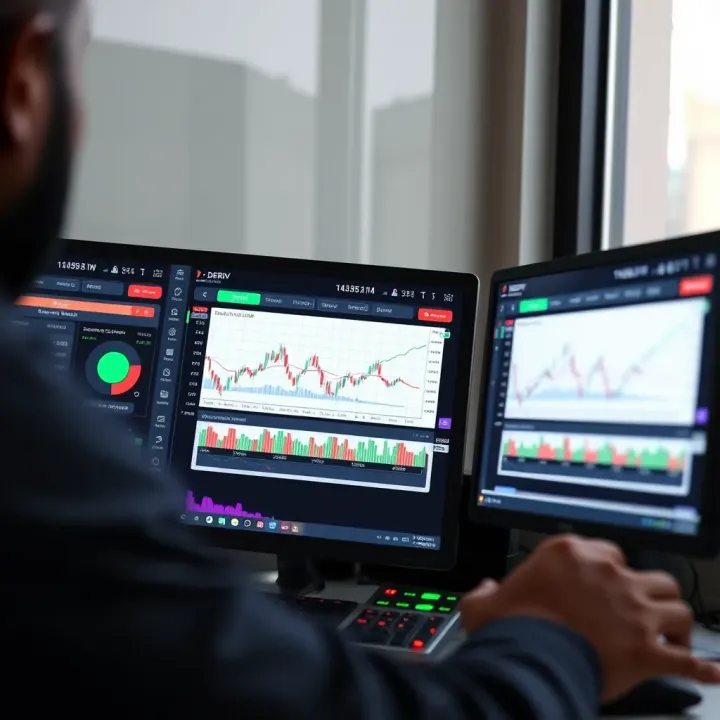
Using TradingView and Deriv for Smarter Trading in Nigeria
📊 Learn how TradingView.com and Deriv work together to boost your trading skills in Nigeria. Get tips, platform features, and smart connection methods for better trades!
Edited By
Sophia Bennett
Synthetic trading has become a popular tool among Nigerian traders aiming to sharpen their skills without putting real money on the line. On TradingView, a top charting platform widely used locally and internationally, synthetic trading allows you to simulate trades based on real market data but without actual financial risk. This capability provides a testing ground to experiment with trading strategies before applying them in the live market.
In practical terms, synthetic trading on TradingView works by enabling you to create hypothetical scenarios that mirror real market conditions. You can enter buy or sell orders, set stop-loss and take-profit levels, and watch how your trades might unfold in real time. This is particularly useful for new traders in Lagos or Abuja who want to learn how price movements play out without losing any naira.
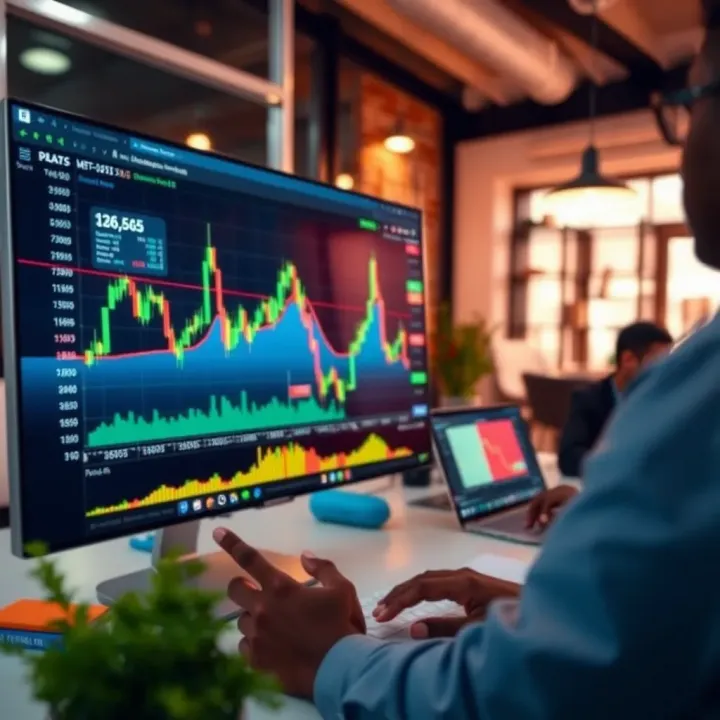
For Nigerian traders, synthetic trading is not just a safer learning curve; it also helps navigate the unique market dynamics such as naira volatility, sudden policy changes by the Central Bank of Nigeria (CBN), and frequent electricity outages that affect trading hours.
Risk-free practice: Try different strategies without risking capital.
Strategy optimisation: Adjust and refine techniques based on simulated outcomes.
Market familiarisation: Understand how Nigerian equities or foreign exchange pairs behave under various conditions.
Decision support: Build confidence for live trading decisions.
For instance, you might want to test how a short-term scalping strategy for Nigerian stocks listed on the Nigerian Exchange (NGX) performs during volatile ember months. Synthetic trading lets you observe this without the stress of losing ₦50,000 on a bad trade.
Use synthetic trading to simulate conditions during economic events like CBN’s monetary policy announcements.
Track how your strategies respond to naira fluctuation against the dollar, as this impacts imported goods stocks.
Combine synthetic trading with TradingView’s vast technical indicators to get a richer market analysis.
In a market like Nigeria where power issues, liquidity, and government policies affect price movement, synthetic trading offers a practical, hands-on way to build profitable habits. It’s not a replacement for live trading but a stepping stone towards becoming a confident trader aware of the local market's twists and turns.
Synthetic trading is a way Nigerian traders can practise trading without touching real money. It’s a simulated experience that mimics actual market conditions on the TradingView platform. This helps traders sharpen their skills and test strategies without financial risk. For instance, a trader who wants to try a new approach on the Nigerian Stock Exchange (NSE) or the crypto market can place synthetic trades to see how the plan performs before going live.
Synthetic trading involves simulated buy and sell orders that behave like real trades, but no actual funds change hands. It’s designed to mimic market conditions as closely as possible, allowing traders to see how their decisions would have played out in a real trading environment. Since Nigeria’s markets can be volatile, practising here helps traders understand price movements and market reactions without risking their capital.
Unlike live trading, synthetic trading does not require real capital, so traders cannot lose money. Whereas paper trading involves manually recording hypothetical trades on paper or spreadsheets, synthetic trading automates the process using TradingView's platform, providing instant feedback on trades. Unlike paper trading, synthetic trading reflects real-time market data and order execution, offering a more accurate practice arena that feels close to live trading. This is especially relevant for Nigerian traders adapting strategies affected by local market nuances like naira fluctuation.
TradingView couples synthetic trading with its advanced charting tools, helping traders spot patterns and trends visually. When you place a synthetic trade, you can watch its impact directly on the charts, use drawing tools for trendlines, and apply technical indicators such as RSI or MACD. This seamless integration allows traders to combine technical analysis with simulated trades, making the learning more hands-on and practical.
When traders enter orders in synthetic mode, TradingView executes these immediately within the simulation. Orders such as market, limit, and stop-loss are processed as if they were live, allowing users to test different entry and exit points. This experience helps Nigerian traders understand how different order types work, especially in fast-moving markets like cryptocurrency or volatile stocks on the NSE.
Synthetic trading on TradingView uses real-time market data to simulate price movements and order fills. This ensures that traders react to current market situations, not delayed or outdated information. For example, a trader following the price of the Nigerian Stock Exchange shares will see price changes reflecting the latest market action, making synthetic trading a practical tool for market timing and strategy refinement.
Synthetic trading bridges the gap between theory and practice, offering Nigerian traders a near-real experience to build confidence and refine techniques without risking hard-earned money.
By understanding what synthetic trading means and how it operates on TradingView, Nigerian traders can make informed choices to enhance their trading skills in a risk-free environment.
Synthetic trading offers Nigerian traders a practical way to try out strategies and learn market behaviour without risking real money. This hands-on experience can be a game-changer especially for new traders navigating both local and global markets under Nigeria’s unique financial conditions.
The chance to trade without risking actual funds is a major draw. Risk-free environments let you test how strategies perform during different market situations — such as during unpredictable naira fluctuations or high volatility in global commodities prices affecting the Nigerian Stock Exchange (NSE). This means you can refine your approach without the stress of losing ₦100,000 or more on a single bad decision.
Trader confidence typically builds faster when mistakes don’t bleed real cash. When Nigerian traders see the effects of their decisions in synthetic trading, they gain valuable insight and emotional control. This confidence often translates to better discipline when they finally move to live trading, reducing panic selling or impulsive moves that can cost real money.
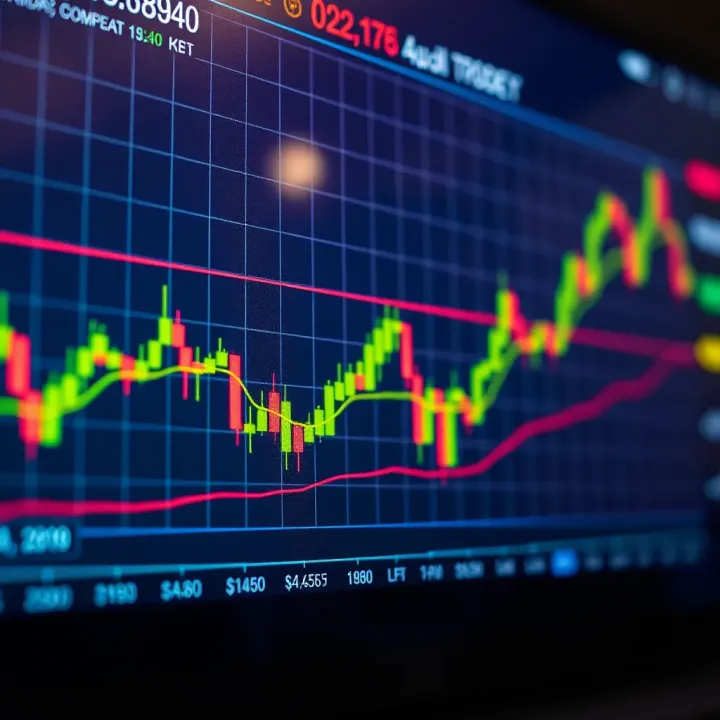
Understanding chart patterns—such as head and shoulders, double tops, or flags—is much easier when you can watch these form and test how you react in real-time. Synthetic trading on TradingView makes spotting these patterns interactive, so traders get comfortable identifying market movements common on the NSE or in crypto markets like Binance and Luno.
Using indicators like RSI (Relative Strength Index), MACD (Moving Average Convergence Divergence), or Bollinger Bands effectively requires practice. Through synthetic trading, Nigerian traders can tweak indicator settings and see how changes affect entry and exit points. This hands-on learning is crucial because blindly following indicators without practice often leads to poor trades.
Managing naira fluctuations is a real challenge. The synthetic environment lets you simulate trades in forex and commodities to see how exchange rate swings impact profits or losses. For instance, you can test trading dollar-pegged assets during a period of intense naira volatility without risking your actual capital.
You can also trial strategies suited for both the NSE and Nigeria’s growing crypto market. The NSE often reacts to local news and regulatory changes, while crypto markets can swing wildly within minutes. Synthetic trading helps you adapt strategies accordingly by practising entry and exit techniques for each market type—something very useful considering the diverse conditions Nigerian traders face.
Synthetic trading is not just practice; it’s a rehearsal that sharpens skills without financial consequences. For traders in Nigeria, where markets can be choppy with added currency risk, this tool is invaluable for smarter trading decisions.
In summary, synthetic trading on TradingView lets Nigerian traders test strategies without risking ₦, learn to read charts and indicators clearly, and prepare for the real pulse of the local market. This approach builds a solid foundation, making real trading less intimidating and more strategic.
Setting up synthetic trading on TradingView is the first step for traders wanting to test strategies without risking real money. For Nigerian traders, this process offers a straightforward way to understand market mechanics, try out different approaches, and get familiar with TradingView’s tools before moving to live funds. This setup is especially valuable given the volatility of both the Nigerian equities market and cryptocurrencies, allowing you to experiment safely under local market conditions.
To begin, you need to register a TradingView account. The process is simple and requires an email address or social media login. Once registered, you gain access to TradingView's rich charting features and synthetic trading options. The account acts as the portal through which you place simulated trades and track performance.
Locating synthetic trading features on TradingView is straightforward once logged in. The platform places demo trading options prominently on their charts, usually under the “Trading Panel” section. Here, you select "Paper Trading" or synthetic accounts to start practising. Accessing these features doesn’t require payment, making it fully accessible to Nigerian traders who want to start small and learn fast.
Setting up demo funds is crucial for a realistic trading simulation. TradingView provides a virtual balance that you can customise; for example, you may want to start with ₦1 million in virtual funds to reflect potential real capital. This setup allows you to get a feel of how your strategies perform with amounts you might use in actual trading.
Selecting instruments to simulate is another vital step. TradingView supports a wide range of assets, including stocks listed on the Nigerian Stock Exchange (NGX), popular cryptocurrencies like Bitcoin or Ethereum, and even Forex pairs. As a Nigerian trader, you might want to focus on NGX shares like Dangote Cement or Flour Mills Nigeria, or bitcoin trading through platforms linked to TradingView for crypto markets. This mix helps tailor your practice to instruments you will trade in real life.
TradingView supports multiple order types such as market, limit, stop-loss, and take-profit orders in synthetic trading. Understanding each type’s function allows you to simulate realistic trading scenarios. For example, setting a stop-loss helps you practise risk management, which is vital with Nigerian market volatility.
Tracking performance in synthetic trading is done through an intuitive dashboard that records profits, losses, and trade history. You can analyse metrics like win rate and average return to adjust your strategies. Consistent tracking helps build discipline, enabling traders to review what works and what doesn’t before risking real money in volatile markets.
Setting up synthetic trading correctly offers Nigerian traders a practical way to build confidence, refine strategies, and prepare for real market challenges without financial pressure.
Synthetic trading on TradingView offers a powerful way to test strategies without risking real money. However, Nigerian traders should be aware of its challenges and limitations to avoid over-relying on simulations that don't fully reflect actual market conditions. Understanding these caveats will help traders use synthetic trading as a helpful tool while preparing for the realities of live trading.
In synthetic trading, your simulated trades don't affect the market price, unlike real trades where large orders can move prices. For example, a trader simulating the purchase of ₦1 million worth of stocks in a thinly traded NSE share may not see any change in the price during the simulation. In real markets, this sizable buy order could push the price up, especially for less liquid stocks. This difference means synthetic trading can't fully replicate the price movements caused by your own activity.
The absence of market impact in synthetic trading may lead to overly optimistic results, as you won't experience the challenge of price shifts when executing larger orders. Nigerian traders dealing with volatile penny stocks or illiquid assets may find synthetic trading less reflective of their actual trading environment.
Synthetic trading typically assumes instant order execution at published prices without slippage, the difference between expected and actual execution prices. In reality, Nigerian markets can experience delays and slippage due to network lags, volatility, or broker execution speed.
For instance, during high-impact events like CBN policy announcements or sharp naira swings, rapid price changes can cause your real order to fill at a worse price than displayed. Synthetic platforms can't simulate these execution nuances perfectly. Ignoring this limitation might lead traders to underestimate trading costs and risks.
Synthetic trading relies heavily on stable internet connections to deliver real-time market data and update trade statuses. Many Nigerian traders face frequent internet disruptions or slow speeds, especially outside urban centres. This can lead to delayed price updates, missed execution signals, and inaccurate trade simulations.
For example, a trader in a rural area using synthetic trading may find that their simulated charts lag behind real market movements, causing misleading impressions about strategy effectiveness. Ensuring a dependable internet connection is therefore crucial when practising synthetic trading.
TradingView’s synthetic trading is only as accurate as the data it receives. While some market data streams are real-time, others may have latency or be delayed, particularly for Nigerian assets like NSE equities or cryptocurrency pairs common locally. Access to timely, high-quality data can be limited for retail traders without premium subscriptions.
This means Nigerian traders relying solely on synthetic trading might miss sudden price spikes or drops affecting their strategies. To mitigate this, traders should combine synthetic practice with live market observation through trusted Nigerian financial news portals or official NSE feeds.
While synthetic trading provides a useful playground for refining strategies, Nigerian traders must remember it doesn't capture all real-market frictions. Being mindful of these limits lets you prepare better for actual trading challenges, especially given Nigeria's unique market conditions and infrastructure constraints.
Maximising the advantages of synthetic trading on TradingView demands deliberate strategies beyond just clicking ‘buy’ or ‘sell’. Nigerian traders benefit the most when they blend simulation efforts with real-world observations, cultivate strong trading habits, and tap into community wisdom. These steps sharpen decision-making and build skills that translate well to the live markets.
Synthetic trading works best when supported by insights from live news and current events. Nigerian markets often react sharply to political developments, CBN policy changes, or volatile crude oil prices. By following local news and global headlines, traders gain context for the price moves they simulate, learning to anticipate market reactions rather than acting blindly on charts.
For example, when the CBN adjusts the monetary policy rate, it affects lending rates, forex availability, and investor sentiment. Simulated trades placed close to such events develop a practical understanding of how real markets swing, which helps traders avoid surprises when dealing with genuine money.
Synthetic trading should align with Nigeria-specific trends on the Nigerian Stock Exchange (NSE) or crypto platforms popular locally. Testing strategies without considering market seasonality—like heightened volatility during ember months or election cycles—limits effectiveness.
Nigerian investors often track sectors like oil & gas, banking, and agriculture. By cross-checking synthetic strategies against recent NSE sectoral performances or movements in the price of crude oil, traders can evaluate if their simulated approach fits local realities or needs tweaking.
Discipline starts with well-defined objectives. Nigerian traders using synthetic accounts should clearly state what each practice session aims to achieve: whether mastering order types, testing risk limits, or practicing exit strategies. Specific goals prevent drifting aimlessly and turn simulation into focused skill-building.
For instance, setting a target like "identify winning technical patterns within a week" or "maintain a risk-reward ratio of at least 1:2" keeps traders accountable. It also mimics real trading psychology, where clear targets reduce emotional decision-making.
No strategy remains perfect without review. After every batch of synthetic trades, traders must analyse outcomes critically, noting what worked or failed. Nigerian markets can be unpredictable, so continuous adjustments—reflecting new data or corrected assumptions—are essential.
For example, if a synthetic strategy falters due to unexpected liquidity issues in the NSE banking sector, the trader might shift focus or tweak entry rules. Regular reviews encourage a growth mindset and prevent the trap of sticking to ineffective methods.
TradingView isn’t just about charts; its social features empower Nigerian traders to learn from each other. Sharing ideas, viewing public trade scripts, and discussing strategies sharpens skills. Local insights often emerge from these interactions, creating valuable feedback loops.
Engaging with community ideas, like those proposing adjustments to standard indicators for Nigerian market volatility, helps traders incorporate more relevant data in their simulations. It’s a way of crowd-sourcing qualitative inputs that formal tools might miss.
Beyond the platform, attending local trader meet-ups or online groups deepens practical knowledge. Nigerian communities often share tips on navigating power outages, managing internet disruptions, and choosing brokers with better local support—factors that synthetic environments don’t cover.
In such groups, traders exchange real-market experiences that inform synthetic practice—like how slippage often occurs during Lagos rush hour or ember months. This grounded knowledge complements virtual trading, ensuring simulation prepares traders more holistically.
Combining simulated practice with sharp, active observation and community engagement turns synthetic trading from a simple exercise into a reliable training ground preparing Nigerian traders for real market challenges.
📊 Learn how TradingView.com and Deriv work together to boost your trading skills in Nigeria. Get tips, platform features, and smart connection methods for better trades!
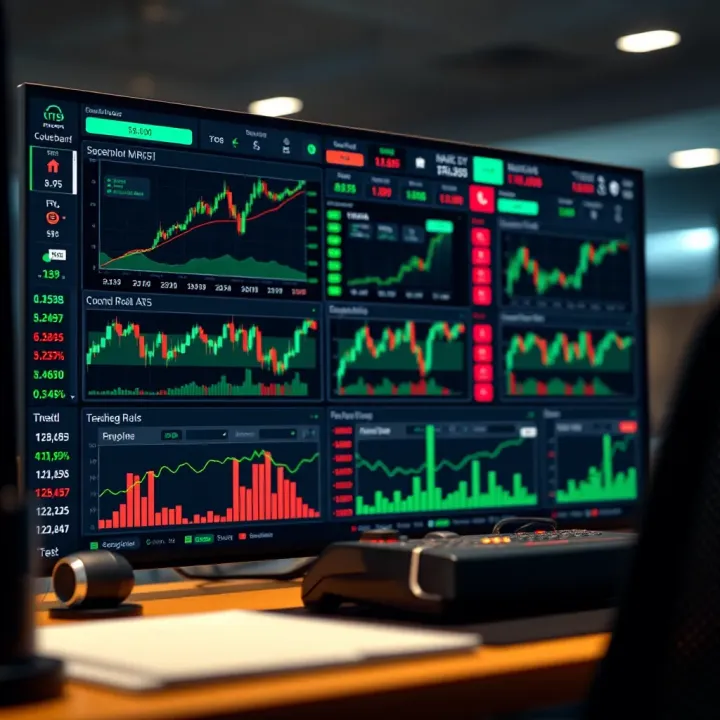
Discover how to pick the best trading platform for Nigerian traders📈. Learn about features, regulations, and practical tips for smarter investing🇳🇬.
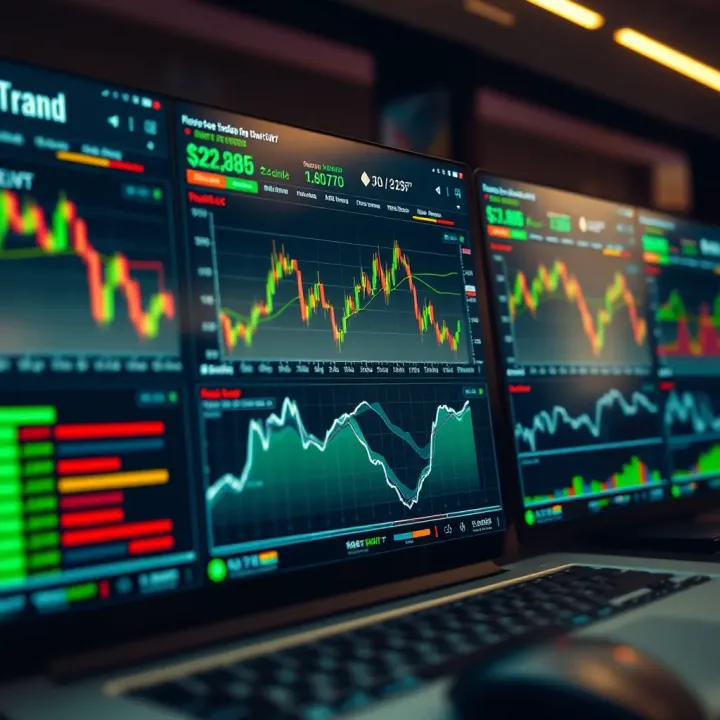
Discover how to pick the best trading platform worldwide 🌍 by exploring features, security, tools, and user experience tailored for Nigerian traders 🇳🇬.
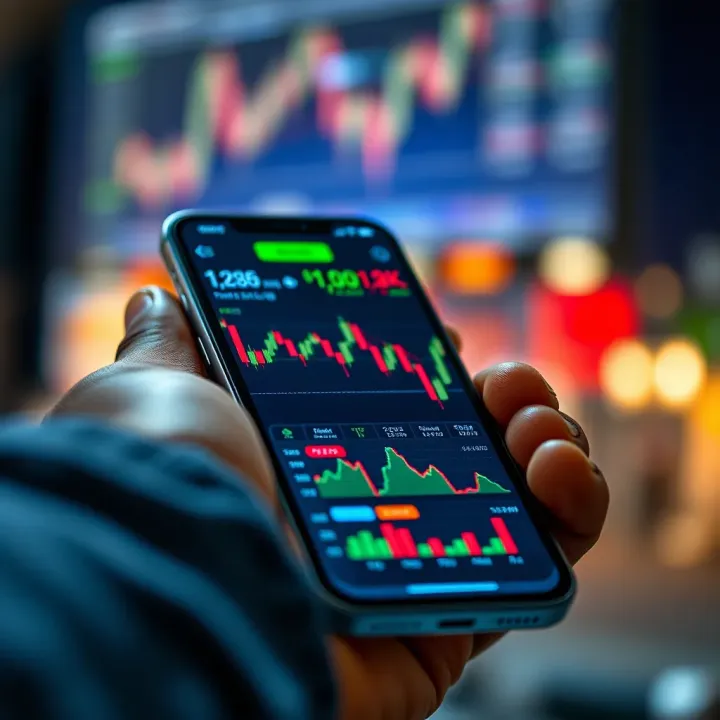
📱 Discover how to pick the best trading app in Nigeria! Learn key features, popular options, costs, and safety tips to grow your investments securely.
Based on 5 reviews