

TradingView Guide for Nigerian Traders
📈 Explore TradingView’s powerful charts, live data, and social tools tailored for Nigerian traders. Learn how to navigate markets effectively with this guide.
Edited By
Amelia Reed
PocketOption stands out as a popular online trading platform, especially among Nigerian traders seeking accessible and fast trading options. Its user-friendly interface coupled with a wide range of assets makes it attractive for both beginners and experienced investors in Nigeria.
Designed to offer opportunities in binary options, forex, and CFDs, PocketOption allows users to start trading with relatively low capital. Many Nigerians find this appealing since it offers avenues to potentially grow funds in the face of local economic challenges such as naira fluctuations and fuel price hikes.

Diverse Asset Choices: From major forex pairs like USD/NGN to commodities such as gold and silver, users have multiple markets to explore.
Low Minimum Deposit: You can begin with as low as $50 (roughly ₦25,000), making it accessible given the average income levels.
Social Trading: Copy trades from experienced investors which helps new users learn practical strategies without diving in blind.
On top of that, the platform supports Nigerian-friendly payment methods including local bank transfers and some popular e-wallets, which smooth out funding and withdrawals. This helps avoid the usual FX headaches or delays often faced when dealing with international brokers.
Nigerian traders should always prioritise security. PocketOption uses SSL encryption and two-factor authentication to keep accounts safe, which is crucial in a region where cyber frauds are on the rise.
Navigating PocketOption effectively means understanding its setup process, recognising trading options, and applying risk management wisely. Subsequent sections will break down these aspects clearly, tailored to Nigerian users’ needs and local financial realities.
This guide aims to equip you with actionable knowledge, demystifying PocketOption and helping you leverage its features confidently rather than blindly chasing trades.
By focusing on practical tips suited to Nigerian traders, you'll be positioned to approach online trading with more certainty and less guesswork.
Understanding the basics of PocketOption is vital for Nigerian traders who want to make smart moves in the online trading scene. This platform offers an accessible entry point for individuals who may not have extensive experience but want to explore trading digital assets using Nigerian Naira (₦). Knowing its features and reputation helps traders decide if it fits their trading style and financial goals.
PocketOption is an online broker that specialises in binary options trading. It allows users to trade a variety of assets, including currencies, commodities, stocks, and cryptocurrencies from a single interface. The platform is web-based and also has mobile apps, making it easy to trade anytime, whether on a Lagos danfo or while waiting at a mama put. For example, a trader in Abuja can monitor USD/NGN currency pairs alongside popular stocks like MTN or Dangote Cement, all without the need for complex software.
One standout feature is its simplicity — the platform offers clear charts and one-click trading options, which are helpful to novices and busy professionals alike. It also supports deposits and withdrawals in multiple methods popular in Nigeria, such as bank transfers and local e-wallets, ensuring fluid access to funds.
Several factors explain PocketOption's appeal among Nigerian traders. First, it has a low minimum deposit requirement, often around ₦2,000 to ₦5,000, which suits many Nigerians testing trading waters without risking too much capital. Unlike some platforms that demand thousands of dollars, PocketOption opens doors to Nigerians across various income levels.
Second, PocketOption offers flexible trading hours, which fit the unpredictable schedules many Nigerians keep. This flexibility means a trader can participate after work or during ember months when side income becomes necessary.
Additionally, the platform provides educational resources tailored to emerging markets, helping traders understand risk management and market trends without needing external classes. This aspect is especially helpful to Nigerians new to trading who may not have easy physical access to training centres.
For Nigerian traders, choosing a trading platform isn’t just about features — it’s also about trust, accessibility, and the ability to operate smoothly within local financial systems. PocketOption ticks many of these boxes, explaining why it continues to grow in popularity across Nigeria.
Having a clear introduction to PocketOption enables traders to move confidently into the more detailed steps of account setup, trading strategies, and security considerations discussed in later sections.
Starting your journey on PocketOption as a Nigerian trader is straightforward but requires careful attention to some key steps. Getting started correctly ensures smooth trading operations and helps you avoid common pitfalls like delays in fund access or account restrictions. This section explains how to register, verify your account, and make deposits using methods that suit Nigerian users.

Creating an account on PocketOption begins with a simple sign-up process. You provide your email address, create a secure password, and select your preferred currency, often Nigerian Naira (₦), which is supported for local convenience. Immediate verification often happens through email confirmation, which safeguards against fraud.
Verification—known as the KYC (Know Your Customer) process—is critical for compliance and security. Nigerian traders will need to submit identification documents such as a National Identity Number (NIN), driver’s licence, or passport. Additionally, proof of address like a recent utility bill or bank statement might be required. Getting verified early prevents interruptions when you want to withdraw profits or increase deposit limits.
Completing the verification process promptly is vital; unverified accounts may face restrictions limiting full platform access.
Once verified, your account activates fully, and you can explore trading with peace of mind knowing your data and funds are protected under platform protocols.
For Nigerian traders, having efficient and affordable deposit options matters greatly, given the challenges with foreign exchange and banking restrictions. PocketOption accommodates several methods accessible in Nigeria:
Bank Transfers: Direct bank transfers via Nigerian banks like GTBank or Zenith Bank are common but may take one to two business days to reflect.
USSD Codes: Using USSD banking (like *919# for GTBank) linked to your PocketOption account via supported services enables quick deposits without needing internet access.
E-wallets and Payment Services: Platforms like OPay, PalmPay, and Flutterwave integrate global payment options allowing swift funding in Naira.
Cryptocurrency: Increasingly popular, deposits using Bitcoin or USDT offer fast transactions with fewer exchange barriers, appealing to tech-savvy Nigerian traders.
Make sure to check for any transactional fees or limits before depositing. For example, an OPay deposit may attract minimal charges but processes within minutes, ideal for those who want immediate market access.
Choosing the right deposit channel depends on your trading frequency, amount size, and desire for speed. Combining secure account verification and reliable deposit methods sets the foundation you need to trade confidently on PocketOption.
In essence, getting started well in Nigeria involves correctly registering and verifying your account, then funding it through convenient, locally relevant channels. These steps save time and avoid hassle, positioning you well for active trading on this growing platform.
PocketOption stands out for its broad range of trading features and options, which appeal to Nigerian traders seeking flexibility and control. Understanding these is vital because they directly impact how well you can navigate the market, make informed decisions, and manage your capital effectively. The platform’s design caters to both beginners and seasoned traders by offering diversified assets, user-friendly tools, and built-in risk management.
PocketOption offers a variety of assets spanning forex pairs, cryptocurrencies, stocks, indices, and commodities. For Nigerian traders, cryptocurrencies like Bitcoin (BTC), Ethereum (ETH), and USDT are particularly relevant due to their growing acceptance in the local financial ecosystem and ease of deposit or withdrawal via crypto wallets.
Apart from crypto, major forex pairs such as USD/NGN or EUR/USD provide opportunities where traders can capitalise on the naira’s volatility. Nigerian stocks listed on international exchanges are not directly available, but indices like the NASDAQ or S&P 500 give exposure to global equities. Commodities such as gold and oil also feature, appealing to traders familiar with Nigeria’s oil-driven economy.
The variety allows you to diversify your trades and hedge risks by not depending on a single market segment. It also means you can seize opportunities regardless of whether the local market is active or quiet.
PocketOption's trading interface is straightforward yet rich in useful tools. The charting system supports multiple timeframes and comes with technical indicators like Moving Averages, Bollinger Bands, RSI, and MACD, enabling in-depth analysis. For example, a trader in Lagos might track the RSI to identify overbought or oversold conditions in USD/NGN.
The platform also supports one-click trading, which speeds up execution—critical in fast-moving markets. On top of that, features like customisable layouts and real-time price feeds keep you updated without cluttering your screen.
Practically, the chart tools help Nigerian traders align trades with market trends, while the clean interface reduces confusion, especially during busy sessions when quick decisions matter.
Risk management on PocketOption goes beyond standard stop-loss and take-profit orders. You can set automated trade closures to protect profits or limit losses, which is critical given the naira’s fluctuating value and local economic uncertainties.
The platform offers a "One Touch" feature allowing you to place trades with preset expiry times and risk levels, which helps manage exposure.
Moreover, the minimum trade amount is low, sometimes as little as ₦100, making it accessible for those starting without risking huge capital. This feature supports disciplined risk-taking by letting you test strategies with small positions.
Proper risk management is like a seatbelt; it won’t prevent every accident but can save you from serious damage. On PocketOption, Nigerian traders can adjust risk features to suit their comfort level and market conditions.
In summary, PocketOption’s trading features and options equip Nigerian traders with the necessary tools to trade diverse assets confidently and manage their risks effectively. Getting to know these features well increases your chances of trading successfully on the platform.
Security and regulation are fundamental when choosing an online trading platform, especially for Nigerian traders who deal with cross-border transactions and currency risks. PocketOption places emphasis on protecting both user funds and sensitive data, which builds trust for users operating in a sometimes unpredictable market environment.
PocketOption employs several practical security measures to ensure your money and information remain safe. For instance, they use SSL encryption technology, which scrambles your data during transmission, making it tough for hackers to intercept your details. This is similar to what Nigerian banks and fintech platforms like Kuda and Paystack use for secure payments.
Aside from encryption, PocketOption stores funds in segregated accounts. This means your trading capital isn’t mixed with the company’s operational funds, reducing risk if the platform faces financial troubles. Nigerian users should appreciate this as it mirrors practice by reputable local brokers and banks.
On top of that, PocketOption offers two-factor authentication (2FA) that adds an extra layer of protection beyond just a password. By linking your account to your mobile device or email, it becomes much harder for unauthorised individuals to access your profile. Given the frequent cases of account breaches in Nigeria’s digital space, this feature is especially valuable.
Unlike strictly regulated exchanges such as the Nigerian Stock Exchange (NGX), PocketOption operates under regulations from less prominent jurisdictions. It is primarily registered off-shore and currently does not hold licences from Nigerian financial authorities like the Securities and Exchange Commission (SEC Nigeria). This situation is common among many international binary options platforms.
That said, PocketOption adheres to international guidelines, including Know Your Customer (KYC) and Anti-Money Laundering (AML) protocols. Nigerian traders must complete identity verifications using government-issued documents such as the National Identification Number (NIN) or passport before fully activating accounts.
While this regulatory setup means fewer consumer protections compared to local brokers, it also allows PocketOption to offer flexible trading options and faster account opening processes. Nigerian users should weigh the trade-off between regulatory coverage and platform accessibility.
Nigerian traders should always confirm the regulatory background and security features of any trading platform before committing funds. Balancing security, regulation, and usability is key to avoiding scams and maximising trading experience.
Understanding how PocketOption handles security and regulation helps Nigerian traders make informed decisions and trade with greater confidence.
Trading on PocketOption can be rewarding, but only if you approach it systematically. Knowing useful strategies and avoiding common pitfalls can make a notable difference to your trading outcomes. This section highlights practical steps Nigerian traders can take to sharpen their skills and increase profits with PocketOption.
A solid trading strategy forms the backbone of consistent success. Instead of jumping in without a plan, take time to define your goals, preferred asset types, and acceptable risk levels. For example, a trader might decide to focus on currency pairs like USD/NGN or USD/EUR during periods of high market liquidity to capture short-term price swings. Use technical indicators PocketOption offers — such as Moving Averages or Relative Strength Index (RSI) — to guide entry and exit points. Document your trades and review them severally to spot patterns or mistakes. This discipline helps avoid emotional trading decisions that often lead to losses.
Risk management is not just a buzzword; it’s a necessity. Always set stop-loss orders on PocketOption to cap your potential losses. Start trading with amounts you can comfortably lose — for many Nigerians, this might be ₦5,000 to ₦10,000 initially before scaling up. Avoid chasing losses after one or two bad trades, as this often spirals into bigger problems. Avoid overtrading and watch out for market hype during ember months, which can distort prices. Another mistake is ignoring the importance of timeframes. A trade suitable on a 5-minute chart may not work on an hourly scale. Taking these factors seriously preserves capital and supports steady growth.
Emphasising discipline in risk and strategy leads to more sustainable trading outcomes on PocketOption.
PocketOption’s demo account is a qualitative tool for practising without risking real money. Before launching into live trades, use the demo to test different strategies and familiarise yourself with the platform’s interface. For instance, try practising trades on commodities like gold or oil which have price movements different from currencies. The demo account lets you understand how news events affect markets without financial stress. Nigerian traders should use this feature excessively to build confidence, especially since market moods can be volatile due to local and global events. Only switch to real trading when you have demonstrated consistent profitability in the virtual environment.
Ultimately, careful strategy development, risk management, and practical use of PocketOption’s demo account can dramatically increase your chances of success. These steps help turn trading from guesswork into a skillful activity aligned with your financial goals.
📈 Explore TradingView’s powerful charts, live data, and social tools tailored for Nigerian traders. Learn how to navigate markets effectively with this guide.
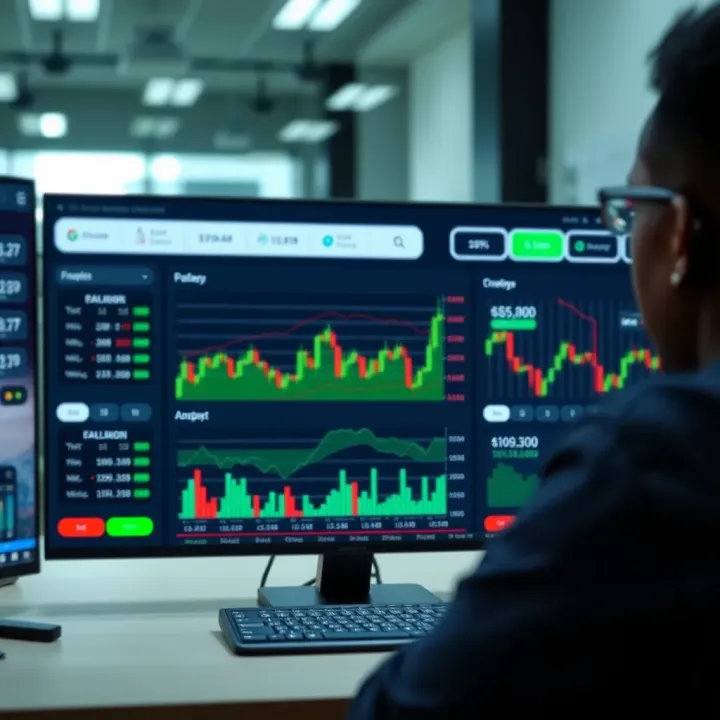
📊 Discover Pocket Option, the fast online platform for Nigerian traders 🇳🇬. Learn registration, tools, payment options & smart risk management to earn ₦ steadily.

Explore Binary.com 📊 with our detailed guide for Nigerian traders 🇳🇬. Learn platform features, trading options, account setup, risk tips, and regulations.

📊 Discover how Nigerian traders can boost their strategies using TradingView integrated within Deriv. Learn key features & tips to trade smarter today!
Based on 15 reviews