
Understanding Automated Trading Systems
📈 Discover how automated trading systems work, their benefits & risks, plus tips and strategies tailored for savvy Nigerian traders wanting smarter decisions.
Edited By
Charlotte Wells
Robot trading, often called algorithmic trading, is gaining ground among investors in Nigeria's financial markets. Instead of relying on human judgment alone, this method uses computer programmes to automatically execute buy and sell orders based on pre-set rules.
In practical terms, robot trading operates 24/7 without the need for traders to be glued to their screens. For example, a dealer in Lagos using a robot can have the system scan the Nigerian Stock Exchange (NGX) for price movements, then promptly make trades whenever certain conditions are met, such as a specific price threshold or volume spike.
These automated systems typically analyse market data like price trends, volumes, and news feeds to decide when to trade. Unlike manual trading, they can react faster and more consistently, helping to capture small price differences across multiple securities or markets.
Robots don't get tired or emotional. They follow rules consistently, which can reduce costly human errors in fast-moving markets.
However, understanding the actual mechanics is key. Most robot traders in Nigeria use algorithmic platforms provided by brokers or fintech firms. These algorithms can be customised with parameters tailored to the local market realities, such as naira volatility or specific sector trends like oil and gas.
Here are some key points about robot trading in Nigeria:
Automation: Executes trades automatically based on coded instructions, no manual intervention needed.
Speed: Can place orders within milliseconds, useful in volatile markets.
Backtesting: Algorithms can be tested on historical Nigerian market data before use.
Risk controls: Many systems include stop-loss and risk management settings.
For Nigerian traders, robot trading offers access to global trading styles combined with local market nuance. Fintech companies like Paystack and Flutterwave have inspired wider adoption of automated systems across sectors, including finance.
That said, robot trading requires understanding of the underlying algorithms and market conditions to avoid pitfalls. The next sections will explore advantages and risks unique to Nigeria's investment landscape.
Robot trading, also known as automated trading, runs on computer algorithms programmed to buy and sell assets automatically within financial markets. It has become increasingly relevant in Nigeria as investors seek efficient ways to navigate a fast-moving and sometimes unpredictable market environment. Understanding how these systems work offers insight into their practical benefits, as well as the challenges they face locally.
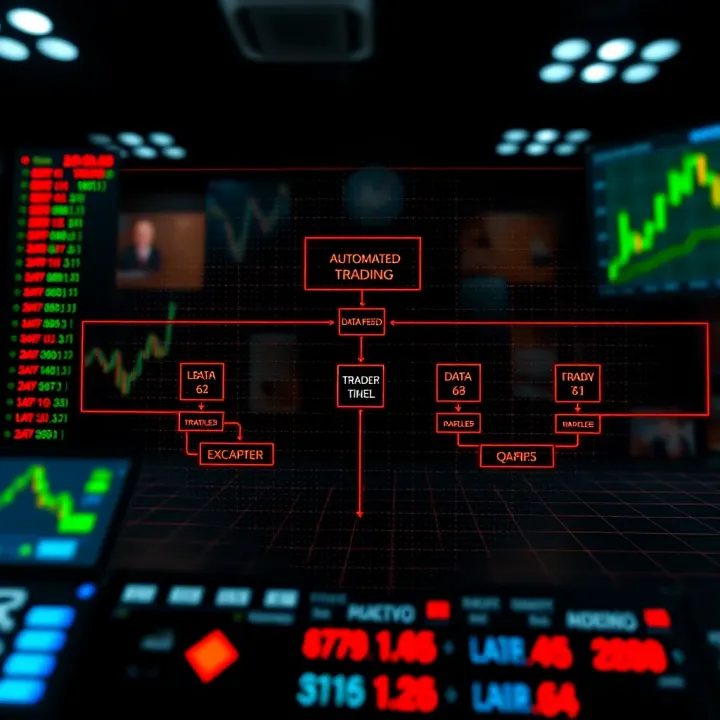
Automated trading systems consist mainly of software that combines market data inputs, trading rules, and execution modules. These are the key components that enable the system to operate without human intervention. For example, an algorithm can monitor price movements on the Nigerian Stock Exchange and place orders once certain criteria are met.
The automated decision-making process relies heavily on algorithms—these are sets of instructions written to identify trading opportunities based on specific signals like price trends or volume surges. For instance, a simple algorithm might buy a stock when its price crosses above a moving average and sell once it drops below. This automated decision-making reduces the delay between recognising an opportunity and acting on it.
There are various types of robot trading strategies tailored to different market conditions and investor goals. Trend-following strategies track market momentum, while mean reversion plays on prices returning to average levels. Some systems use arbitrage to exploit small price differences between exchanges. Nigerian investors can pick strategies that suit their risk appetite and investment horizon—for example, a trend-following bot might work well given the often volatile nature of local equities.
Reliable data feeds and lightning-fast internet connections are essential for any automated trading system. Speed is critical because millisecond delays can mean the difference between profit and loss. In Nigeria, the quality of broadband services and data accuracy directly affect how well robot traders perform.
Power supply challenges remain a major hurdle. Frequent outages and unstable electricity can interrupt algorithmic trading processes, resulting in missed opportunities or wrong trades. Similarly, internet instability can cause delayed order execution or data gaps. These technological constraints require traders to invest in backup solutions like generators and multiple internet service providers.
Popular platforms supporting robot trading in Nigeria include global brokers such as Interactive Brokers and local fintech offerings like Trove and Chaka. These platforms provide API access and integration with automated trading software, enabling Nigerians to test and execute robot strategies. The growth of fintech in Nigeria has made it easier for retail investors to access these tools, shifting automated trading from exclusive domain of institutional players to more ordinary investors.
Robot trading systems rely on a blend of smart algorithms and robust technology to operate effectively, but in Nigeria, investors must navigate real-world issues like power and internet reliability to fully benefit from automation.
Understanding these fundamental elements helps traders and analysts appreciate how automated systems fit into Nigeria's financial markets and how to approach them practically.
Robot trading has become an accessible tool for many Nigerian investors, particularly because it offers notable advantages in today’s fast-moving financial markets. Its efficiency, speed, and data-driven nature help traders overcome challenges that come with manual trading, especially in Nigeria's often volatile environment. This section breaks down these benefits clearly.
Operating 24/7 without fatigue: Automated trading systems can run non-stop without the exhaustion human traders face. In Nigeria, where international markets operate across different time zones, this means investors never miss out on opportunities just because they're off duty or asleep. For instance, a forex trader in Lagos can rely on robots to execute trades while they rest, allowing their portfolio to keep working round the clock.
Instant reaction to market changes: Speed is everything in trading. Robot trading platforms respond instantly to shifting market conditions, placing buy or sell orders within milliseconds. This capability is especially critical in Nigeria where currency fluctuations or stock price swings can happen suddenly, often triggered by political events or CBN policy updates. A system that reacts immediately helps investors avoid losses or seize quick gains before conditions change.
Trading based on data, not feelings: Human traders often let emotions cloud their judgement — fear or greed can lead to poor choices like panic selling or overtrading. Robots, however, operate strictly on set algorithms and rules. This eliminates emotional bias, which can be particularly valuable during periods of market stress, such as the ember months when volatility tends to spike.
Consistency in following predefined rules: Automated systems stick faithfully to their programmed strategies. This consistency ensures that trades happen only when clearly defined conditions are met, avoiding impulsive decisions. Nigerian traders who have tried manual trading know how difficult it is to maintain this discipline, especially under pressure.
Affordable automated trading options: Robot trading is no longer a preserve for wealthy investors alone. Thanks to local fintech solutions like Kuda, OPay, and GTBank's fintech services, many affordable platforms support automated trading. This opens the door for middle-class Nigerians and small businesses to grow their investments without needing a big capital outlay.
Integration with local banks and fintech companies: Seamless connection between robot trading platforms and Nigerian banks or fintech apps enhances convenience and trust. For example, linking a robot trader’s account to your GTBank or Access Bank wallet facilitates smooth funding and withdrawals. These integrations also improve security and regulatory compliance, reassuring investors that their funds are protected.
Overall, robot trading provides Nigerian investors with speed, consistent discipline, and wider access to financial markets. These advantages combine to enhance potential returns and reduce the pitfalls common in manual trading — features that are especially relevant given Nigeria’s unique market challenges.
Robot trading promises efficiency and speed, but it is important to understand the risks and limitations before diving in, especially in Nigeria's unique financial environment. These automated systems depend heavily on technology and stable infrastructure, which can present challenges. Also, issues like market volatility and a still-maturing regulatory landscape add complexity.
Nigeria experiences frequent power interruptions that can seriously affect automated trading. When the power supply drops, a trading system might fail to execute orders on time, potentially missing profit windows or even incurring losses. For example, if an investor relies solely on robot trading during peak market hours and a blackout hits, orders queued on the system could delay or be lost altogether.
To manage this risk, investors often need backup power solutions like generators or uninterrupted power supply (UPS) devices. Inadequate power support remains one of the biggest hurdles limiting the full potential of robot trading in Nigeria.
Stable internet is vital for real-time market data and swift trade execution. Unfortunately, many parts of Nigeria face inconsistent internet connectivity, which can cause delays or data gaps. When a robot trading system receives old or incomplete market prices, its algorithms might make wrong decisions.
Such internet lags can expose traders to risks such as buying or selling at unfavourable rates. To minimise this, Nigerian investors should consider internet providers with higher uptime or use backup mobile data options. Despite the cost, maintaining a reliable connection is key to avoid losses from inaccurate data feed.
Robot trading algorithms react instantly to market signals, but their speed can sometimes amplify volatility. For instance, if many automated systems react simultaneously to the same news, it could cause quick plunges or spikes in asset prices.
In Nigeria’s emerging markets where liquidity can be thin, such algorithm-driven swings may trigger sudden crashes or atypical market behaviour. Investors must be aware these machines do not always account for broader economic context or government interventions, which can lead to surprising results.
Despite automation, human oversight remains vital. Traders should continuously monitor their robot’s performance and intervene when necessary. For example, during volatile periods like the ember months or election seasons, market movements can be unpredictable.
Manual adjustments or pausing automated trades altogether may prevent avoidable losses. Nigerian investors who treat automated trading as a “set and forget” strategy risk exposing themselves to uncontrolled downside.
Nigeria’s Securities and Exchange Commission (SEC) regulates the capital markets, including automated trading activities. Though the SEC is gradually updating guidelines to cover algorithmic trades, enforcement and comprehensive regulation remain works in progress.
For Nigerian traders, this means a need for vigilance when selecting robot trading platforms. Using SEC-registered providers or seeking platforms compliant with Nigerian capital market laws helps reduce legal risks.
The Central Bank of Nigeria (CBN) oversees broader financial regulations impacting how money moves and how fintech platforms operate. Robot trading involving foreign currency or derivatives must align with CBN’s foreign exchange and capital flow policies.
Non-compliance can lead to frozen funds or business shutdowns. Nigerian investors should ensure their trading activities meet CBN regulations, especially regarding forex trading and anti-money laundering measures.
While fintech growth brings opportunities, investor protection is still evolving. The SEC and CBN have introduced measures such as mandatory disclosure and risk warnings, but protection frameworks for retail robot traders are not yet comprehensive.
Investors must do their homework, verify the credibility of automated platforms, and avoid schemes promising unrealistic returns. Following trusted Nigerian financial news sources and seeking advice from licensed brokers can offer added layers of safety.
Automated trading in Nigeria offers exciting potential but requires caution. Investors must understand infrastructure risks, market uncertainties, and the shifting regulatory landscape to avoid pitfalls.
--
Navigating the world of robot trading demands practical steps, especially for Nigerian investors facing unique challenges such as intermittent power supply and fluctuating internet quality. Knowing where to start and how to protect your investment is vital. Practical tips help you avoid common pitfalls, choose trustworthy platforms, and build your confidence gradually.
Choosing the right robot trading software is fundamental. Consider the platform's track record, transparency, fees, and customer support. For instance, a platform that charges excessive commissions or hides fees can quickly erode your profits. Check if the provider offers regular software updates to keep up with market changes and security patches to protect your data.
User reviews and verified track records provide insight into the software’s real-world performance. Look for platforms with positive reviews from Nigerian users or traders with similar profiles. Platforms like MetaTrader and local fintechs supporting robot trading often have communities where traders share feedback openly. Be cautious of platforms with glowing testimonials but no verifiable track records or independent reviews.
Begin by using demo accounts before risking real money. These simulated environments let you test how robots perform without financial risk, helping you understand the software’s interface and trading behaviour. For example, you might test different strategies during volatile periods like ember months to see how the system reacts.
Understanding your risk tolerance is essential. Automated trading is not a guaranteed profit machine; losses happen. Knowing how much you can afford to lose prevents rash decisions during market dips. Start with a small percentage of your portfolio to manage exposure efficiently while learning to handle the emotional side of robotic trades.
Keep abreast of market news and economic developments, both globally and in Nigeria. Central Bank of Nigeria (CBN) policy shifts or NGX (Nigerian Exchange Group) announcements can influence market trends significantly. Staying informed will help you adjust your robot trading settings to align with changing conditions.
Adapting strategies is critical. Markets evolve, and what worked last year may underperform today. Regularly review your trading results and tweak algorithms or settings where necessary. Be prepared to pause or stop automated trading during major events or high volatility periods to avoid unintended losses.
Robot trading is a tool, not a magic wand; treating it as such with careful research, testing, and ongoing learning ensures better chances of success in Nigeria’s financial markets.
📈 Discover how automated trading systems work, their benefits & risks, plus tips and strategies tailored for savvy Nigerian traders wanting smarter decisions.
Discover how to pick the best trading platform for Nigerian traders📈. Learn about features, regulations, and practical tips for smarter investing🇳🇬.
Discover how to pick the best trading platform worldwide 🌍 by exploring features, security, tools, and user experience tailored for Nigerian traders 🇳🇬.
📱 Discover how to pick the best trading app in Nigeria! Learn key features, popular options, costs, and safety tips to grow your investments securely.
Based on 12 reviews