
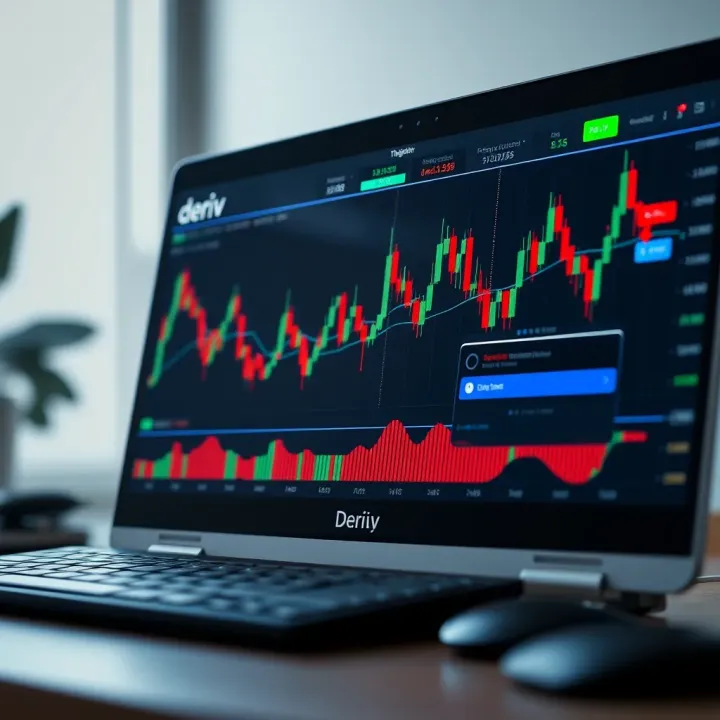
Using TradingView with Deriv for Smarter Trades
📈 Learn how to use TradingView with Deriv for smarter trades. Set up charts, customize analytics, and boost your trading strategy in Nigeria!
Edited By
Charlotte Davies
Traders in Nigeria face a challenging market landscape, with currency fluctuations and market volatility making timely decisions essential. Combining TradingView, a powerful charting and analysis tool, with Deriv, a versatile trading platform, can sharpen your trading strategy and improve your outcomes.
TradingView offers real-time charts, technical indicators, and the ability to customise views across forex, commodities, indices, and cryptocurrencies. On the other hand, Deriv provides access to these markets with user-friendly trading instruments and credible execution.
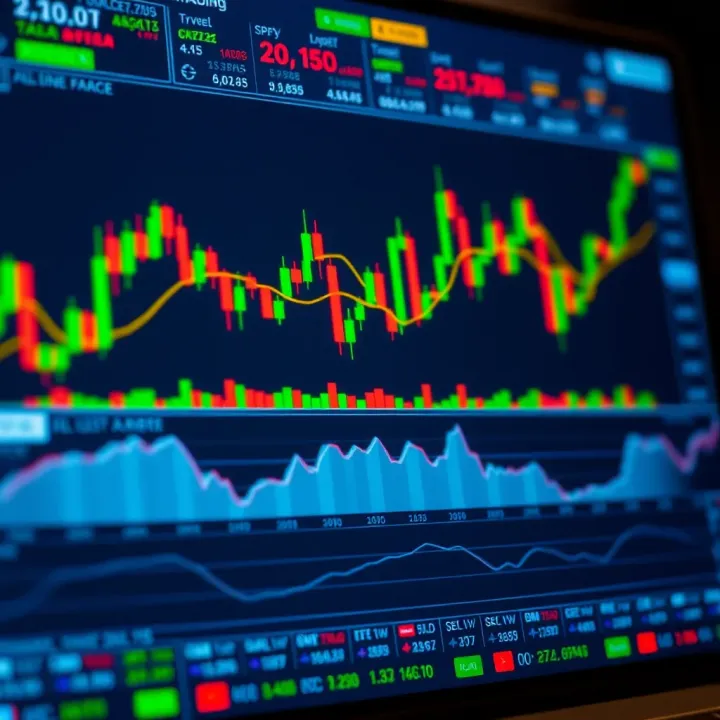
By merging TradingView's analytical strength with Deriv’s execution platform, traders gain a practical edge — identifying entry and exit points more confidently while monitoring live market movements.
To get started, you first need active accounts on both platforms. Once set up, you can align TradingView charts with Deriv’s trading interface, allowing you to analyse price trends, spot patterns, and execute trades without switching windows. This workflow reduces reaction time, crucial during Nigeria’s fast-moving sessions influenced by global developments and local economic data.
Key features to focus on include:
Custom indicators and drawing tools on TradingView to map support, resistance, and trendlines relevant for Deriv trades.
Alerts setup for price levels or technical triggers that signal trading opportunities.
Deriv's contract choices, matching your TradingView insights with suitable expiry times and asset classes.
In practical terms, you might notice a bullish flag pattern on TradingView on the USD/NGN pair, signalling a possible breakout. Using Deriv, you can place a timely trade while setting a stop-loss aligned with the chart’s key support levels.
This integration is especially useful for Nigerian retail traders who must manage their positions amid naira fluctuations and global market pressures. Traders looking to maximise ₦ returns should consider this combination a foundational element in their toolkit.
Next, we'll explore step-by-step how to set up TradingView and connect it effectively with Deriv for seamless, smarter trading decisions.
To master trading effectively, understanding both TradingView and Deriv platforms upfront is essential. Each offers unique tools that, when combined, enhance your decision-making process by providing detailed market analysis alongside diverse asset exposure. Knowing what each platform brings to the table helps you use them smartly, especially within Nigeria’s volatile market where timing and clarity can make or break profits.
TradingView stands out through its interactive charts packed with multiple technical indicators. Whether you’re tracking price movement or volume trends, indicators like Moving Averages, Bollinger Bands, and the Relative Strength Index (RSI) are ready at your fingertips. For example, a Nigerian trader following forex pairs such as USD/NGN can spot trend reversals quickly using a combination of these tools, optimising entry and exit points.
The charts are highly customisable, allowing you to zoom in on specific time frames, draw trend lines, or add support and resistance levels. This flexibility means you can tailor your analysis to suit short-term scalping or longer-term swing trades, making TradingView highly practical for a variety of trading styles.
One advantage of TradingView is its active global community where traders share ideas, charts, and strategies openly. This real-time crowd wisdom can expose you to new tactics or highlight potential risks in assets you follow. For example, Nigerian traders focusing on commodities like crude oil can learn from international peers about emerging supply issues or geopolitical tensions affecting prices.
Besides, the social element allows you to test your ideas against others’, providing peer validation or necessary corrections. This collaborative atmosphere means you are seldom trading in isolation, a valuable lift especially for traders still building confidence.
TradingView offers market data not just from Nigerian or African markets but from exchanges across the world, including forex, commodities, indices, and cryptocurrencies. This breadth means you can keep tabs on global trends that impact your local trades. For instance, a drop in gold prices on the comex exchange might guide Nigerian investors considering precious metals or related stocks.
Having access to such comprehensive data helps traders diversify portfolios beyond borders and make informed decisions influenced by worldwide market movements, not just local events.
Deriv provides access to various assets, including forex pairs, commodities, stock indices, and synthetic indices that mimic real market behaviour. Nigerian traders benefit from this diversified offering, enabling them to switch assets depending on volatility, news, or personal preference.
Synthetic indices on Deriv, for instance, operate 24/7 unaffected by real-world events, offering steady trading opportunities when traditional markets are closed. This can be valuable for those with tight schedules or different time zones.
Deriv boasts a straightforward, user-friendly platform with features like one-click trading, customisable charts, and risk management tools such as stop-loss and take-profit orders. Beginners can navigate easily while experienced traders appreciate the streamlined set-up that supports quick reactions during fast-moving markets.
The platform also allows demo accounts where Nigerians can practise without risking real money, helping to build confidence and test strategies effectively before going live.
Security matters a lot, especially when real money is involved. Deriv operates under licences from regulatory bodies like the Malta Financial Services Authority and the Vanuatu Financial Services Commission. For Nigerian traders, this means the platform maintains certain standards for transparency and security.
Moreover, Deriv uses encryption protocols to protect user data and funds, which is reassuring considering cyber threats today. Nonetheless, traders should also enforce their own security measures like strong passwords and two-factor authentication.
Understanding these platforms thoroughly equips Nigerian traders to exploit key features confidently, avoid pitfalls, and craft strategies that align with local realities and global trends.
Linking TradingView with Deriv unlocks a powerful combination for analysing markets and executing trades with precision. TradingView’s comprehensive charting tools help you spot trends and signals early, while Deriv lets you act quickly on those insights. For Nigerian traders, especially those battling intermittent power or internet hiccups, syncing these platforms offers real-time data access without toggling multiple apps.
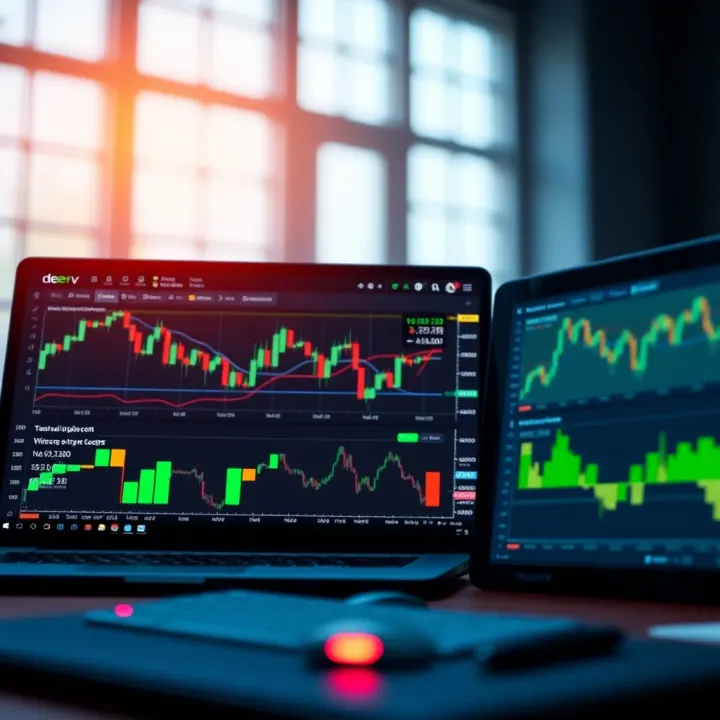
The first step is registering on both TradingView and Deriv. Signing up on TradingView is straightforward — just provide your email and create a password. Deriv’s registration requires your personal details for identity verification, crucial under Nigerian KYC regulations. Without accounts on both, integration is impossible, so ensure you complete verification steps on Deriv to avoid later trade restrictions.
Once your accounts are ready, you can link TradingView charts with Deriv trading windows. This usually involves using TradingView’s chart embedding or third-party tools that offer bridges between live charts and Deriv trade execution modules. When linked, you benefit from live price updates on TradingView with seamless order placement on Deriv, cutting down lag time. For instance, spotting a breakout on the EUR/USD chart can immediately prompt a binary options call on Deriv without switching screens.
TradingView supports various assets that overlap with Deriv’s offerings, like forex, commodities, and synthetic indices. Customising chart views by adding preferred technical indicators—such as moving averages or Bollinger Bands—helps tailor your market analysis. Creating templates for Deriv’s asset classes means faster setups each time you log in. A Nigerian day trader might use RSI and MACD overlays on oil prices to capitalise on global market shifts affecting local fuel costs.
Traders often face delays between TradingView’s charts and Deriv trade feed, risking missed signals. The mismatch can stem from network latency or platform refresh rates. Using a reliable internet connection with low latency and clearing cache regularly lubricates data flow. Enabling auto-refresh on TradingView and opting for Deriv’s latest app versions also helps keep prices synchronized accurately.
TradingView uses your device timezone by default, but Deriv’s market hours depend on the specific asset. This mismatch could confuse order timing. Nigerians should adjust TradingView settings to West Africa Time (WAT) or manually verify market open hours on Deriv before executing trades. For example, oil futures might close earlier in TradingView if not aligned correctly, leading to invalid trade attempts on Deriv.
Connection problems happen, especially during peak trading or ember months when Nigerian networks are strained. Common fixes include:
Restarting both apps and logging back in
Checking firewall or antivirus restrictions on your device
Switching from mobile data to a stable fibre connection
If persistent, contacting Deriv support and consulting TradingView forums offer tailored solutions. Frequent disconnections disrupt trading rhythm, so addressing these errors swiftly is key.
Linking TradingView with Deriv enhances your edge in trading by providing live, customisable charting aligned directly with execution capabilities — a must for traders aiming for smart decisions under Nigerian market conditions.
Successful integration demands basic tech checks and smart settings alignments but rewards you with smoother, quicker trades that respond to market moves in real time.
Mastering the features of TradingView is essential for making smart decisions on Deriv, where market movements can be swift. By understanding key technical indicators and setting timely alerts on TradingView, you can grasp market trends and entry points more clearly, reducing guesswork in your trades. This approach suits the fast-moving Deriv market, which offers assets like forex, commodities, and synthetic indices.
Moving averages (MAs) help traders smooth out price data to identify the direction of a trend. For example, the 50-day and 200-day MAs are widely used to spot whether a market is bullish or bearish. On Deriv, applying moving averages to the asset you trade, like EUR/USD, helps confirm whether an upward or downward trend is strong enough to enter or exit a position.
A simple crossover strategy—such as the 50-day MA crossing above the 200-day—can signal a buy opportunity, while the opposite indicates a sell. This technique assists in avoiding trades against the trend, which often lead to losses, especially in binary options or contract for difference (CFD) markets available on Deriv.
RSI measures the speed and change of price movements, identifying when an asset is overbought or oversold. Readings above 70 suggest overbought conditions, meaning prices may soon fall, while readings below 30 imply oversold conditions, indicating a potential price bounce.
Traders on Deriv can use RSI to decide when to close or open trades, especially during volatile sessions. For instance, an RSI dropping below 30 on the gold CFD might hint it’s a good time to buy before prices rebound. Conversely, if EUR/USD is above 70, it may be wise to watch for a downturn.
Support and resistance act as price floors and ceilings where buying or selling pressure tends to emerge. Identifying these levels on TradingView charts gives Deriv traders clear zones where price may pause or reverse.
For example, if crude oil price nears a historical resistance point, you might avoid entering long positions, expecting a pullback. Conversely, a bounce from support could present a buying opportunity. Using these levels guides trade timing and risk management, crucial in Deriv’s leverage environment.
Alerts on TradingView keep you informed in real time without staring slave-like at charts all day. For traders juggling daily activities or facing inconsistent power supply, these notifications ensure you don't miss critical price moves or indicator triggers on Deriv.
Instead of continuous monitoring, you get a ping when your conditions—say a MA crossover or RSI breach—occur. This saves time and helps execute trades at the right moment, improving your chances of profit.
Setting alerts for common triggers enhances your trading discipline. For example, setting an alert when the RSI drops below 30 on cryptocurrency CFDs can signal oversold conditions for potential buying.
Similarly, alerting when prices break resistance or support levels allows prompt reaction to breakout trades. Deriv’s synthetic indices, known for their specific volatility patterns, benefit from alerts on moving average crossovers too.
TradingView lets you customise alert frequency, methods (popup, email, or app notification), and expiry times. Managing these settings ensures alerts remain helpful, not overwhelming.
For instance, you can set an alert to trigger only once during a trading session to avoid multiple signals, which can cause confusion. You can also tailor alerts for specific times of day suited to Nigeria’s market hours, such as avoiding alerts during low liquidity periods.
Harnessing TradingView's analysis tools and setting intelligent alerts equips you to trade Deriv markets with better insight and control, essential in Nigeria’s fast-paced and sometimes challenging trading environment.
For Nigerian traders, practical tips tailored to local realities can make all the difference when using TradingView and Deriv together. Local conditions such as naira fluctuations, power outages, and internet quality affect how you trade, so it's vital to optimise your setup for these challenges. Beyond raw analysis, understanding risk and cultivating discipline specifically for binary and CFD trades on Deriv enhance your chances of long-term success.
The naira’s volatility directly impacts your trading profits and losses since Deriv’s accounts often operate in dollars or euros. When the naira weakens sharply against foreign currencies, your trading capital in naira terms decreases even if your dollar balance is stable. This means you must monitor exchange rates closely and consider converting funds smartly to protect against loss of value. For example, if the naira drops from ₦410 to ₦460 to $1, a ₦100,000 dollar-equivalent fund would suddenly have less buying power for trading.
Adjusting your trade sizes or stop-loss orders to factor in currency swings helps preserve capital. Also, avoid making large deposits during periods of naira instability without checking current rates to prevent unexpected losses from conversion differences.
Reliable internet and power supply remain thorny issues for many Nigerian traders. Sudden outages can disrupt live trades on Deriv or break synchronization with TradingView charts, leading to missed opportunities or unexpected losses. To manage this, consider having backup power sources like a UPS or generator ready especially during ember months when outages spike.
Using a mobile data plan as a fallback or setting up notifications on your smartphone ensures you stay informed even if your home connection drops. Choose lighter TradingView chart settings that consume less bandwidth and enable offline data caching when available. These small adjustments reduce the risk of technical disruptions harming your trades.
Optimising trading hours is key since global asset markets operate on different time zones. For example, trading European or US indices or forex pairs might align better with Nigerian daytime or late evening.
Many traders find early morning (7 am to 10 am WAT) and late evening (7 pm to 11 pm WAT) periods more active and volatile, offering better price movements for binary options or CFDs on Deriv. Weekends and Nigerian public holidays often have thinner market activity, leading to lower liquidity and unpredictable chart behaviour on TradingView. Planning your trading sessions around these hours helps you catch more reliable market moves.
Setting achievable profit goals and stop-loss limits guards against emotional trading. On Deriv, aggressive profit hunting sometimes leads traders to ignore proper exit strategies, risking entire capital amounts. Realistic targets reduce stress and let you cut losses early when markets move against you.
For instance, aiming for 2–3% profit per trade while limiting loss at 1–1.5% per trade makes your risk-reward ratio manageable. You can then trade more consistently, avoiding the common trap of ‘letting profits run’ while cutting losers late.
Binary options and CFDs are attractive but complex instruments. One major mistake is trading without understanding expiry times on binaries or leverage effects on CFDs. Entering trades based on guesswork or emotions rather than TradingView’s technical signals can drain your account fast.
Another error is overtrading or increasing stake sizes after losses, hoping to recover quickly. This approach is risky and often backfires. Using TradingView indicators like RSI or moving averages helps you enter trades with higher probability, reducing impulsive bets.
Demo accounts on Deriv offer a risk-free environment to test your strategies and the TradingView integration. Spending time here lets you familiarise yourself with order execution, alerts, and market behaviour without risking your naira capital.
Many Nigerian traders skip this step and jump straight into live trading, leading to costly mistakes. Use demo mode to build confidence, adjust your setups for local internet conditions, and trial risk management techniques. Only move to real funds when your strategy performs consistently on demo.
In summary: tailoring your TradingView and Deriv experience to Nigeria’s challenges creates a smoother, safer trading journey. Focus on realistic goals, stable technical setups, and steady learning through demo accounts to get the most from these powerful tools.
The future of trading lies in how well you use data and automation to make smarter decisions quickly. For Nigerian traders using TradingView alongside Deriv, taking steps towards automated strategies and timely market news can sharpen your edge. These tools reduce guesswork and improve consistency, especially in volatile markets where every second counts.
TradingView offers Pine Script, a lightweight programming language that lets traders develop custom indicators and automated trading strategies. With Pine Script, you can write scripts that identify specific market conditions or generate buy and sell signals tailored to your style. For example, you might create an indicator combining moving averages with RSI thresholds designed for Deriv’s forex pairs. This hands-on approach helps you personalise your setup beyond standard indicators.
Once you have a Pine Script strategy that works, integrating its signals with Deriv’s platform becomes the next step. While Deriv itself does not allow direct automation via TradingView, you can use third-party tools or API bridges to translate TradingView alerts into executed trades on Deriv. For instance, a webhook alert from TradingView can prompt a bot to place trades automatically, reducing delay and manual errors. This setup requires some technical skill but can pay off by enabling faster, more disciplined entries and exits.
Automation brings clear benefits: it minimizes emotional decisions, boosts trading speed, and allows backtesting strategies over historical data. However, risks remain. Automated systems can fail in unexpected market conditions or during connectivity issues common in Nigeria’s internet landscape. Over-reliance on automation might also cause traders to overlook fundamental shifts or news events. Responsible use means monitoring automated trades and adjusting strategies regularly.
TradingView includes a built-in news feed that aggregates financial news and reports from various sources. This feature keeps Nigerian traders updated on events affecting the markets they trade on Deriv, such as currency moves or commodity prices changes. Staying current with news helps you avoid surprises during volatile times, like sudden Central Bank of Nigeria interventions that affect the naira.
Moreover, incorporating major global and Nigerian economic events into your trading strategy allows better preparation. Key moments like CBN’s monetary policy announcements, Nigeria’s inflation reports, or US Federal Reserve decisions can cause sharp price moves. By aligning your TradingView alerts with such events, you ensure you’re watching the right markets and assets at the right times.
Market sentiment changes swiftly, often driven by news flow or social moods. TradingView’s tools can help you spot these shifts through sentiment analyses, social sentiment widgets, or volume spikes. Adjusting your strategies accordingly may mean tightening stop-losses during uncertain times or scaling back positions when the market feels overly bullish or bearish. Reacting to sentiment shifts keeps you flexible and able to protect your capital amid sudden downturns.
Using data and automation isn’t about replacing your judgement but enhancing it. Combining TradingView’s custom strategies and real-time news feed with Deriv trading makes your approach more responsive and structured, giving you a better chance against Nigeria’s market unpredictability.
This forward-looking approach fits well with Nigerian traders keen to improve without being caught flat-footed. With reliable internet and a bit of patience, implementing these tools can really boost your trading performance over time.
📈 Learn how to use TradingView with Deriv for smarter trades. Set up charts, customize analytics, and boost your trading strategy in Nigeria!
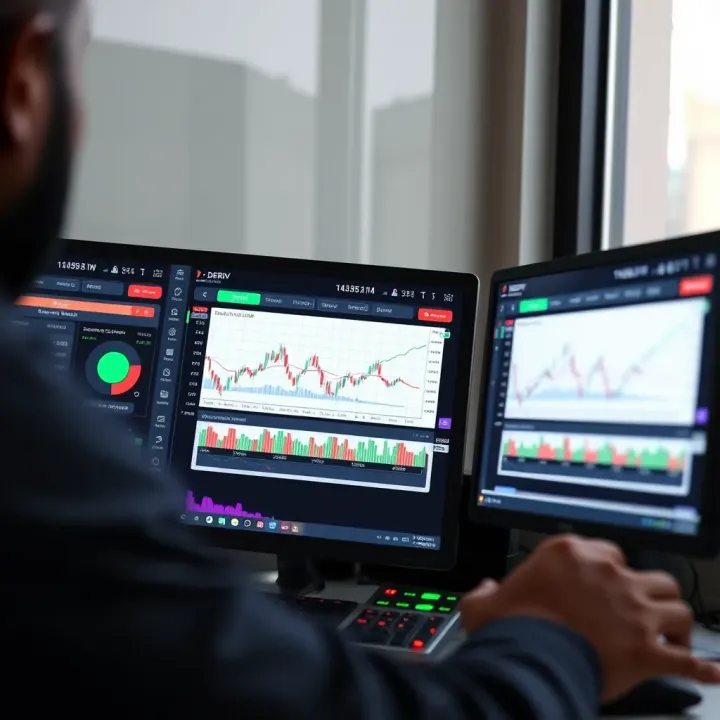
📊 Learn how TradingView.com and Deriv work together to boost your trading skills in Nigeria. Get tips, platform features, and smart connection methods for better trades!
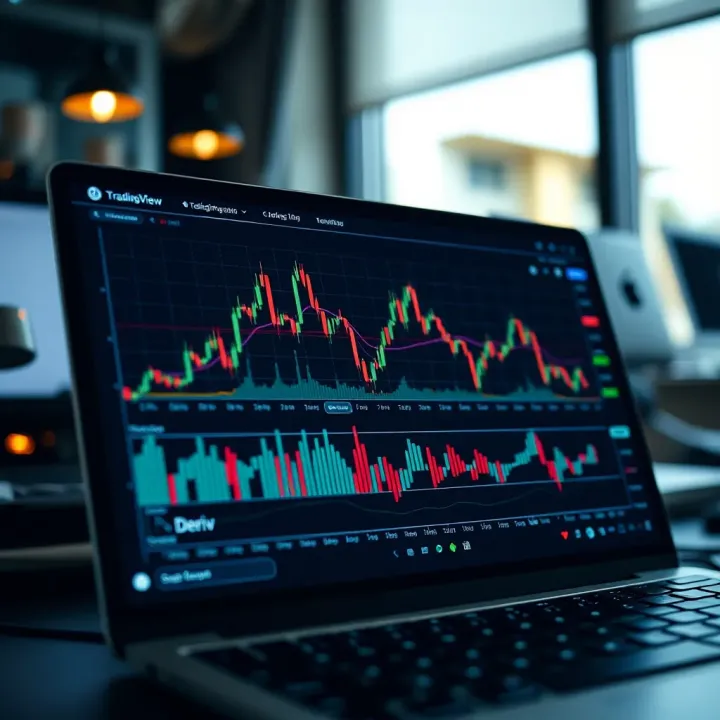
📈 Nigerian traders: Master TradingView on Deriv with our clear guide! Set up charts, use indicators, manage risks, and stay ahead in the market.
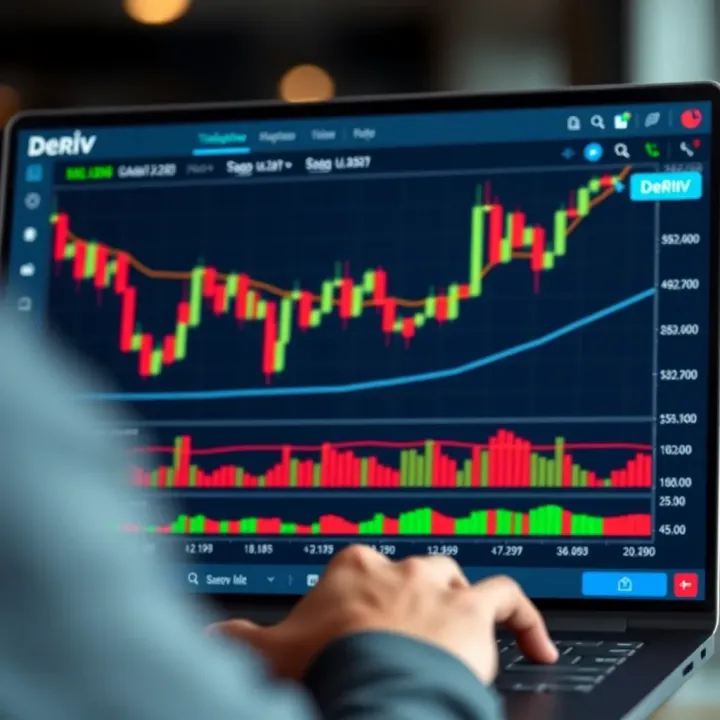
📈 Learn how to integrate TradingView charts into Deriv for real-time analysis, customize tools, and boost your trading strategy in Nigeria. 🚀
Based on 9 reviews