

Understanding Forex Trading Spreads
📊 Learn how forex spreads affect trading costs and strategy decisions. Discover spread types and key factors to trade smarter in Nigeria's forex market.
Edited By
Daniel Cooper
Japan's currency, the Japanese yen (¥), serves as the backbone of one of the world’s largest economies. Understanding its structure, usage, and role within both local and international settings is essential for traders, investors, and finance professionals, especially those interacting with the Japanese market from Nigeria.
The yen is unique in many ways. It is the third most traded currency globally, following the US dollar and the euro, signalling its strong presence in international finance. For Nigerians involved in forex trading or investing, the yen represents a reliable option for portfolio diversification due to Japan's stable economy and consistent monetary policies.
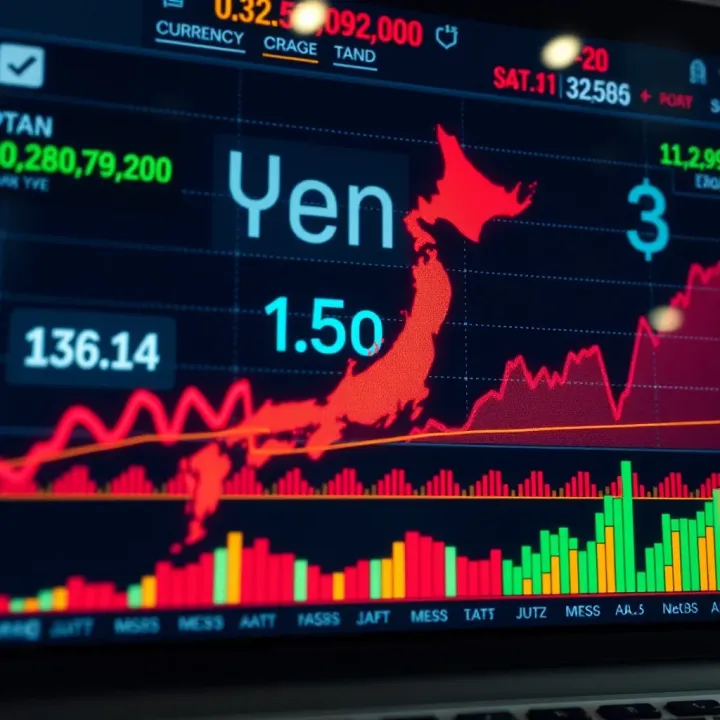
Japan issues both coins and banknotes, with denominations ranging from 1 yen coins to 10,000 yen notes. These denominations reflect everyday transaction needs domestically, much like Nigerian naira notes from ₦5 to ₦1,000 facilitate trade at different levels. The yen’s structure promotes ease of use in retail, business, and investment transactions.
Currency usage inside Japan follows a cash-prevalent culture but has seen steady adoption of digital payments, especially in urban centres like Tokyo and Osaka. However, cash remains vital for small businesses and mama puts (roadside vendors), which reflects the similar cash-heavy economy typical in many Nigerian urban and rural markets. Understanding this helps foreign investors appreciate Japan’s demand for physical currency despite its high-tech image.
Japan’s monetary system is backed by the Bank of Japan (BoJ), which influences interest rates and currency stability. For global traders, BoJ policy announcements are significant events that can move the forex market dramatically.
From a practical standpoint, Nigerians travelling to Japan or conducting business should note that many Japanese banks and exchanges accept major international cards, but having yen cash remains indispensable, especially in less commercial areas.
In the broader economic context, Japan’s yen interacts closely with global trends, including its currency policy reactions to trade tensions, deflationary pressures, and shifts in US dollar strength. These elements provide ripe opportunities and challenges for investors, especially those leveraging cross-border trade or currency pairs involving the yen.
Understanding the foundation of the Japanese yen sets the stage for deeper examination of its use, challenges, and opportunities within the global economy—insights that can guide savvy investors and traders looking beyond local markets.
Understanding the Japanese currency and its setup is fundamental for those dealing in finance, trading, or investments involving Japan. The way the yen is structured and how it functions daily spells out not just the monetary system but also provides insights into Japan's economic stance globally. For instance, knowing the nature of the yen helps traders gauge its fluctuations against the naira or dollar in forex markets and aids investors to plan with more clarity.
The Japanese yen (JPY) was introduced in 1871 during the Meiji Restoration, replacing the complex monetary system of the Edo period. Its creation aimed to modernise Japan’s economy by adopting a decimal system similar to Western currencies. This history matters because it shows how the yen was designed for stability and ease, making it resilient through various economic challenges including post-war recovery and global financial turbulence.
The yen is represented by the symbol ¥, which helps distinguish it visually from other currencies like the Chinese yuan that shares a similar character but different context. The ISO code for the yen is JPY. For financial professionals, recognising these symbols ensures accuracy in reporting and trading. For example, in forex platforms, typing JPY signifies the Japanese market, eliminating confusion and speeding up transactions.
Currency in Japan isn’t just about money; it reflects values like precision and respect. The yen often appears in traditional art and packaging, symbolising stability and economic pride. Additionally, it’s a daily part of life—even small gestures like the neat folding of banknotes during transactions shows cultural care around money. Understanding this cultural context offers a deeper appreciation for business etiquette and customer relations when dealing with Japanese counterparts.
Japan's coins come in 1, 5, 10, 50, 100, and 500 yen denominations. The 5 and 50 yen coins uniquely have holes at the centre, facilitating easy identification by touch—a practical feature benefiting the visually impaired. Traders or visitors dealing in minor expenses, such as buying items from a mama put or paying for transportation like a keke, will regularly use these coins.
Banknotes come in ₦1,000, ₦2,000, ₦5,000, and ₦10,000 equivalents, but in yen, they are 1,000, 2,000, 5,000, and 10,000 yen notes. These banknotes incorporate complex security features like holograms, watermarks, and microprinting to deter counterfeiting—a crucial factor for investors or businesses accepting large payments. Recent updates in designs also feature prominent historical figures, adding to their collectable and cultural value.
While coins are frequently used for everyday small transactions, notes dominate in retail and business dealings. For example, a suya vendor or a danfo driver will mostly handle coins, but buying electronics or making rent payments requires notes. Understanding this split can help foreigners or investors carrying out physical transactions manage cash efficiently without hassle.
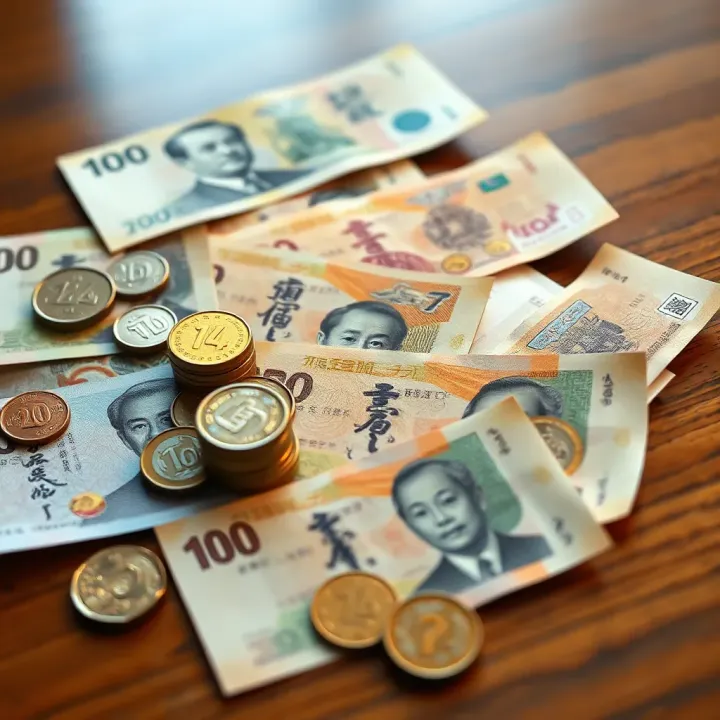
The structure of Japanese money—its coins, banknotes, and symbols—is not only about practicality but also reflects Japan’s economic sophistication and traditions, crucial for anyone working with or in the Japanese market.
Understanding how to use Japanese money during a visit to Japan is essential for smooth daily transactions. The country still relies heavily on cash payments despite its advanced technology, so travellers must be ready with tangible yen notes and coins. At the same time, Japan offers a range of digital payment options that foreign visitors can adopt to navigate stores, transport, and eateries with ease.
Cash remains the most widely accepted payment method across Japan. In many small shops, traditional markets, and local mama puts, you will find that cash is king. Even for some larger stores or takoyaki stands, card payments might be unavailable, so keeping sufficient yen on hand is advised. For example, a visit to the Tsukiji fish market in Tokyo often demands paying with cash due to many vendors not having card machines.
On the flip side, urban areas and bigger retail chains support electronic payments widely. Systems like Suica and Pasmo cards, originally for transport, double up for convenience stores and vending machines. Credit and debit cards from international networks such as Visa, Mastercard, and JCB are increasingly accepted, especially in places catering to tourists. Still, during busy Sallah holiday periods, many travellers find having both cards and cash particularly helpful.
Mobile apps and e-money cards blend convenience with safety for visitors. Apps linked to prepaid cards allow quick tap-and-go payments, reducing the need to carry lots of cash. PayPay and Line Pay are among popular digital wallets, often preferred by younger locals but also practical for foreigners. These apps are linked to smartphones and can sometimes provide discounts or loyalty points in major cities, making them useful for longer stays or frequent visitors.
Your best bet to exchange foreign currencies is at official banks, airport exchange counters, or authorised money changers. Airports like Narita and Kansai offer fairly competitive rates, though city banks sometimes provide better value. Avoid unofficial street exchangers who may lure with seemingly attractive offers but often have hidden charges.
Regarding exchange rates and fees, visitors should be mindful that rates fluctuate daily. Many exchange services add a commission or charge handling fees on top of the standard rates. For instance, an exchange at a major Tokyo bank might have lower fees compared to a small bureau de change in rural areas. Comparing rates and understanding total costs upfront will save you unnecessary losses during your stay.
Handling Japanese money safely is crucial, especially in crowded tourist areas or during busy owambe parties or festivals. Use a secure wallet or money belt and avoid showing large amounts in public. Also, be cautious with ATMs: Japan Post and 7-Eleven ATMs generally accept international cards and offer reliable services. To reduce risk, withdraw reasonable amounts rather than large sums at once, especially if you are moving between cities.
Remember, a small preparation like securing authentic currency exchange and understanding payment methods can greatly enhance your visit, saving you stress and unexpected costs.
In summary, while Japanese money may look unfamiliar at first, blending cash readiness with digital payment options helps visitors fit right in. Proper currency exchange choices and sensible handling will keep your finances safe as you enjoy Japan’s cultural richness.
Japan plays a significant role in the global financial ecosystem, largely driven by the stability and international reach of the Japanese yen (JPY) and its robust banking institutions. For investors and finance professionals, understanding Japan’s position helps navigate the complexities of international markets and currency fluctuations that affect cross-border trade and investment.
The Japanese yen is one of the top reserve currencies worldwide, ranking just behind the US dollar and the euro. While the US dollar holds primacy in forex reserves due to its widespread acceptance and the size of the US economy, the yen remains a preferred choice for many central banks seeking diversification. Unlike the euro, which faces political and economic challenges within the Eurozone, the yen benefits from Japan’s economic stability and strong governance, making it a reliable asset.
In practical terms, this means traders and investors often look to the yen during times of global uncertainty. Its status as a safe haven currency often leads to increased demand in volatile markets, affecting exchange rates and trade flows. For example, during financial crises, the yen often appreciates against other currencies as investors seek stability.
Japan’s currency is widely used in international trade and finance, especially in Asia. Many cross-border transactions in commodities, manufacturing, and technology involve the yen due to Japan's role as a major exporter. This is practical for businesses dealing with Japanese companies or suppliers, as transactions in yen can reduce conversion costs and currency risk.
Moreover, the yen plays a critical role in the offshore foreign exchange market. Tokyo's forex market is one of the largest globally, second only to London and New York. This makes the yen highly liquid and accessible for traders worldwide.
Fluctuations in the yen’s value can ripple across global markets. Sudden appreciation can raise the cost of Japanese exports, impacting multinational supply chains and stock performances, especially in sectors like automotive and electronics. Conversely, a weaker yen boosts export competitiveness but may prompt inflationary pressures domestically, influencing global investment flows and monetary policy decisions.
Understanding yen volatility is essential for forex traders and investors engaging with Japan or global markets closely tied to its economic outlook.
The Bank of Japan (BoJ) serves as the country’s central bank and a key player in global monetary policy. It manages the currency’s supply, interest rates, and inflation targets to stabilise both domestic and international confidence in the yen. The BoJ is notable for its long-term commitment to low interest rates and quantitative easing, policies aimed at stimulating economic growth amid Japan’s ageing population challenges.
Major commercial banks like Mitsubishi UFJ Financial Group, Sumitomo Mitsui Banking Corporation, and Mizuho Financial Group exert significant influence in both domestic lending and international finance. These banks provide a broad range of services from corporate financing to retail banking and investment management. Many maintain global branches, facilitating international business relations for Nigerian and other foreign investors involved with Japan.
Recently, Japan's financial sector has embraced reforms and innovations to stay competitive globally. The BoJ has championed digital currency research, reflecting a shift towards modernising payment systems. Meanwhile, fintech startups and established banks are integrating blockchain technology and improving mobile payment platforms, echoing trends seen in Nigerian financial hubs like Lagos.
These reforms aim to enhance transaction efficiency, reduce costs, and improve accessibility for users worldwide. For foreign investors and traders, this translates to improved liquidity and more reliable channels for currency exchange and financial services involving the yen.
Understanding these dynamics offers Nigerian traders and investors a solid foundation when considering exposure to Japan's currency and financial markets. It reveals opportunities in forex trading, cross-border investments, and engagement with Japan’s growing fintech landscape.
Understanding current trends and challenges facing Japanese money is key for traders and investors looking to navigate Japan’s economic landscape. The currency's value and usability are closely tied to monetary policy, demographic shifts, and economic changes that impact both local and global markets.
Japan's inflation rate traditionally lags behind many countries, including Nigeria. While the Central Bank of Nigeria (CBN) targets around 6-9% inflation, Japan aims for a modest 2% inflation to encourage steady growth without overheating the economy. This low inflation environment often means prices remain stable, but it also signals subdued domestic demand.
The Bank of Japan (BoJ) employs unique policies to keep inflation close to its target, including negative interest rates and yield curve control. Unlike CBN’s relatively higher interest rates used to curb inflation or stimulate lending, the BoJ maintains ultra-low rates to encourage spending and borrowing. For traders, these policies affect the yen’s strength and can influence carry trade strategies where investors borrow yen cheaply to invest elsewhere.
Low inflation and interest rates shape everyday life in Japan – consumers often delay big purchases due to expectations of stable or falling prices, while savers receive minimal returns on deposits. This dynamic contrasts with what many Nigerians experience, where inflation actively erodes purchasing power, making saving more challenging.
Japan’s ageing population poses a significant challenge to its currency’s outlook. An increasing proportion of retirees draws down savings rather than invest, reducing economic growth prospects. This demographic trend dampens domestic consumption, putting pressure on the yen and prompting government efforts to boost productivity.
Beyond demographics, Japan’s trade balance and foreign investment patterns also impact the yen’s value. A persistent trade surplus or deficit can sway currency strength, as does foreign direct investment inflows. Japan’s export-reliant economy remains sensitive to global demand, especially in sectors like automobiles and electronics, meaning global market shifts can ripple through its currency.
Technological advancements play a growing role in shaping Japan’s monetary use. Digital payments and e-money cards are becoming mainstream, contrasting with Japan's traditional cash-heavy society. For investors and fintech professionals, this indicates a shift towards modern financial infrastructure, influencing transaction speeds, security, and currency circulation.
Traders should monitor Japan's demographic trends and technological adoption closely, as they directly affect currency stability and potential investment returns.
Key considerations:
BoJ’s ultra-low interest rate environment
Inflation differences with Nigeria’s CBN
Impact of ageing population on consumption and savings
Japan's trade balance fluctuations
Growing role of technology in financial transactions
By grasping these factors, finance professionals can better assess the potential risks and rewards when dealing with Japanese money in both local and international markets.
Understanding how Japanese currency functions not only helps visitors but also Nigerians and other foreigners dealing with yen in investments or remittances. This section lays out practical advice to navigate money transfers, currency exchange, and investment options with direct ties to Japan's financial ecosystem. For Nigerians venturing into forex trading or planning to send money back home, getting the details right matters a lot.
Transferring money between Japan and Nigeria comes with various options, each with differing fees and processing times. Services like Western Union and MoneyGram operate in both countries, providing cash pickup and bank deposit facilities. However, traditional banks often charge higher fees and require more paperwork compared to fintech solutions such as WorldRemit or TransferWise, which offer better exchange rates and faster transfers. For example, a typical bank-to-bank transfer from Japan to Nigeria could cost between ₦3,000 and ₦7,000 in fees, while online platforms might reduce that to ₦1,000–₦2,000.
Exchange rates are a key factor affecting the total amount received. The yen-to-naira rate can fluctuate daily, sometimes drastically due to global markets or local economic policies. That means sending money during naira weakness can be costly. It’s wise to monitor rates using Nigerian financial news or forex platforms before initiating transfers. Spreading large transfers over time or locking in rates with forward contracts—available from some providers—can mitigate risks.
Regulatory rules shape how Nigerians send and receive yen. Japan enforces strict anti-money laundering laws requiring sender and receiver identification. Meanwhile, Nigerian authorities through the Central Bank of Nigeria (CBN) mandate proper documentation for forex transactions above certain thresholds (usually $5,000 or equivalent). Ignoring these can cause delays or transaction failures. Always ensure that both parties comply with the documentation rules and verify that the remittance company is licensed by relevant authorities like CBN or Japan’s Financial Services Agency.
Forex trading with the Japanese yen (JPY) is a major avenue for Nigerians familiar with currency markets. The yen ranks as the third most traded currency globally, making it highly liquid and attractive for speculative trading. Traders watch Bank of Japan policy announcements closely as they can swiftly affect yen volatility. For instance, sudden shifts in interest rates or comments on inflation often cause sharp yen swings. Using well-regulated platforms like FXTM or Alpari allows Nigerians to participate securely.
Beyond forex, Nigeria-based investors can access Japanese stocks and bonds through global brokerage accounts that offer international market access. Companies listed on the Tokyo Stock Exchange (TSE) include global giants like Toyota, Sony, and SoftBank. Investment in Japanese government bonds (JGBs) is also possible through select financial institutions, offering relatively low-risk income streams. However, these investments often require a US or Japanese currency account and an understanding of foreign taxation rules.
Yen-based investments come with distinct risks and benefits. On the plus side, yen assets often provide stability amid global uncertainties, especially since Japan's economy is one of the largest worldwide. On the downside, yen appreciation or depreciation can affect returns when converting back to naira. Additionally, Japan’s long-term low inflation and low-interest policies may limit growth prospects for fixed-income investments. Careful risk management and currency hedging strategies are crucial for Nigerians venturing into yen investments.
Nigerians and other foreigners engaging with Japanese money must blend local insights and global market awareness to optimise transfers or investment outcomes. Practical knowledge about fees, regulations, and market behaviour helps avoid costly mistakes and seize real opportunities.
📊 Learn how forex spreads affect trading costs and strategy decisions. Discover spread types and key factors to trade smarter in Nigeria's forex market.

📊 Learn how margin works in forex trading, why it's vital, how to calculate it, and the risks to watch. Essential for smart trading in the forex market.

📉 Understand deviation in forex trading: learn why price differences happen, its impact on your trades, and practical tips for Nigerian traders to handle slippage effectively.

✍️ Learn how free margin 🔍 shapes your Forex trades! Understand equity, margin level, calculations, and avoid costly mistakes for smarter risk control.
Based on 14 reviews