
Big Book of Chart Patterns PDF Free Download Review
📊 Explore how to access the Big Book of Chart Patterns PDF for free, its practical tips for Nigerian traders, and smart alternatives to boost your trading skills.
Edited By
Isabella Green
FBS has grown rapidly as an online forex broker, attracting traders from all over the world, including Nigeria. But many Nigerian traders ask: is FBS really legit and safe for their investments? This question matters because forex trading carries real financial risks, amplified if you pick an unreliable platform.
The Nigerian market demands brokers that comply with regulations, offer secure trading environments, and provide reliable payment options. FBS claims to tick these boxes, yet it’s vital to scrutinise these claims in detail.
This section sets the foundation by outlining key factors to consider when assessing FBS’s trustworthiness for Nigerian traders. These include its regulatory licences, security protocols, and how it handles local payment methods like local bank transfers and mobile money services.
For Nigerian traders, choosing a broker is about more than just spreads and leverage—it’s about trust, security, and how easily they can move money in and out of their trading account.
The following topics will cover:
FBS's Regulatory Status: Understanding which authorities oversee FBS and how strict these regulatory frameworks are.
Security Measures: How FBS protects users' data, funds, and trading activities.
User Experience in Nigeria: Examining feedback from Nigerian traders about platform reliability and customer support.
Payment Options for Nigerians: Assessment of deposit and withdrawal methods suitable for local users.
Common Concerns: Addressing complaints or red flags reported by users.
By paying attention to these points, you’ll get a better picture of whether FBS’s services align with your trading goals and risk tolerance in Nigeria.
Understanding FBS’s operations and presence in Nigeria is vital for traders aiming to navigate the forex market confidently. This section sheds light on who FBS is, how it works, and the kind of regulatory frameworks that protect Nigerian users. It offers a grounded view so you can weigh risks and benefits when choosing a broker.
FBS is a global forex broker that has carved out a significant presence worldwide, including Nigeria. Founded in 2009, FBS provides access to foreign exchange and CFDs trading on various assets such as currency pairs, indices, commodities, and cryptocurrencies. Its model suits traders who want flexibility; from beginners utilising demo accounts to advanced traders leveraging multiple tools.
The broker operates primarily through an online platform, combining MetaTrader 4 and MetaTrader 5 options, two of the most popular trading terminals worldwide. This allows Nigerian traders to participate in forex markets from anywhere with internet access, using desktop or mobile devices. Besides, FBS offers education materials and analytics, designed to enhance trading skills and strategies.
FBS approaches the Nigerian market with keen awareness of local needs. It supports payment options familiar to Nigerians, like local bank transfers and popular e-wallets such as OPay and PalmPay. The company also promotes flexible account types that consider typical Nigerian investment sizes, allowing traders to start with as little as ₦5000. Such tailored offerings help bridge access gaps in Nigeria’s growing but still developing retail forex industry.
Regulation is a key factor that influences whether a forex broker is trustworthy. Globally, FBS is regulated by several financial authorities, including the International Financial Services Commission (IFSC) in Belize and the Cyprus Securities and Exchange Commission (CySEC). These bodies impose rules on capital requirements and client fund protection, which help mitigate risks linked to broker insolvency or fraud.
For Nigerian traders, the most relevant regulatory considerations include FBS’s registration status with local financial watchdogs and compliance with international standards. While FBS is not regulated directly by the Nigerian Securities and Exchange Commission (SEC), its oversight by IFSC and CySEC still offers a degree of safety. These licences ensure that FBS adheres to practices like segregating client funds and regular audits.
Traders should keep in mind that regulatory licensing impacts fund safety, dispute resolution, and operational transparency. Although no perfect system exists, licensed brokers present fewer dangers than unregulated ones.
In short, FBS’s regulatory status provides a reasonable level of confidence, but Nigerian users must remain cautious and practice sound risk management. Confirmation of FBS’s appropriate licences means it meets baseline standards, reducing concerns over scams or malpractice. However, individual vigilance remains necessary given the risks inherent to forex trading.
This overview prepares the ground for deeper inspection of FBS’s security measures, client feedback, and service specifics relevant to Nigerian traders. Knowing the broker’s background and licensing status helps you decide if FBS matches your trust and service expectations in Nigeria.
Security plays a significant role when choosing a forex broker, especially for Nigerian traders who want assurance their funds and personal information are protected. Trustworthiness goes beyond just regulation — it includes how a broker manages client funds, protects data, and maintains transparent communication. This section sheds light on these aspects using concrete practices by FBS.
A fundamental security feature FBS offers is the segregation of client funds. This means FBS keeps traders’ money separate from its operating capital, so if the company faces financial trouble, client funds are insulated from company debts. For Nigerian traders, this reduces the risk of losing deposits even if the broker hits rough patches. It also signals that FBS complies with standard industry safeguards used globally.
FBS employs encryption methods such as Secure Socket Layer (SSL) technology to secure data transmission between traders and the platform. This is particularly important in Nigeria, where internet security risks are rising. Encryption helps prevent hackers from intercepting sensitive information like passwords and financial details during transactions. Besides SSL, FBS uses standard cybersecurity protocols that contribute to a safer trading environment.
Transparent communication from a broker helps build trader confidence. FBS provides clear risk disclaimers on its platform, warning users about the inherent risks in forex trading. Such openness is vital because it sets realistic expectations and discourages naïve trading behaviour. Additionally, FBS regularly shares updates around financial health and operational integrity, which Nigerian traders can use to assess ongoing credibility.
Many Nigerian traders praise FBS for its ease of use, quick account setup, and low minimum deposits. For instance, some users highlight profitable trades made thanks to FBS’s wide selection of currency pairs and tight spreads. The broker’s accessibility through mobile platforms resonates well in Nigeria, where many traders rely on smartphones.
As with most brokers, there are concerns raised by some Nigerian users about occasional withdrawal delays during peak demand periods. Others mention issues with customer verification slowing down account activation. These complaints point to real operational hitches but do not suggest fraudulent activity. It's common for brokers to face such challenges, especially dealing with local payment systems.
FBS has taken steps to improve responsiveness by offering multilingual support, including English and Nigerian local languages through chat and call centres. They also provide thorough FAQ resources and educational content to help traders troubleshoot common problems themselves. Although there's room for faster response times, FBS's ongoing improvements reflect a commitment to resolving user issues quickly.
Ultimately, security and trustworthiness depend on both firm safeguards and honest communication. FBS’s measures in protecting funds and data, coupled with feedback from Nigerian traders, suggest that it is a broker that takes these responsibilities seriously.
Understanding the trading features and account options at FBS is essential for Nigerian traders aiming to make informed decisions. These components directly affect how effectively traders can enter the forex market, manage capital, and develop strategies suited to local conditions like naira volatility and capital constraints.
FBS offers Standard and Cent accounts, catering specifically to different levels of traders. The Standard account generally suits traders with some experience, requiring a moderate minimum deposit while offering tighter spreads. On the other hand, the Cent account is designed for beginners or those who want to test the waters without risking significant funds; it operates with smaller lot sizes, trading in cents rather than full dollars, making it more accessible for Nigerians who may want to start with ₦1,000 or less.
The availability of demo accounts further strengthens beginners’ confidence by allowing them to practice without financial risk. This is especially useful in Nigeria where forex trading knowledge among many is still developing. Demo accounts replicate real market conditions, helping users explore FBS's platform and tools before committing actual funds.
Regarding conditions and minimum deposits, FBS keeps its entry barrier reasonably low to suit various budget sizes. For example, Nigerian traders can start with as little as $1 on Cent accounts, translating to about ₦1,000. This approach encourages participation from individuals who cannot afford large upfront costs—something quite common in Nigeria’s diverse economic landscape.
Leverage options at FBS are tailored for Nigerian traders, allowing flexibility to amplify potential returns. Typically, leverage can go as high as 1:3000, but conservative traders often opt for lower ratios to manage risks owing to forex market volatility. This flexibility helps both cautious novices and experienced traders.
FBS provides a broad selection of trading instruments, including major currency pairs, commodities like gold and oil, indices, and cryptocurrencies. This variety lets Nigerian traders diversify their portfolios beyond forex pairs alone, which can help cushion against market fluctuations and local economic uncertainties.
In addition, the platform offers powerful analytical tools and educational resources. Nigerian traders benefit from easy-to-understand tutorials, market analysis, and trading calculators that support skill development and decision-making. Such tools are quite useful, especially given the growing interest in forex trading across Nigerian tech hubs and among youths.
Access to flexible accounts, diverse instruments, and strong educational support positions FBS as a pragmatic choice for Nigerian traders at different experience levels.
Handling deposits and withdrawals efficiently is a key factor Nigerian traders consider when choosing a broker like FBS. Payment methods not only affect convenience but also impact how fast you access your funds or start trading. Given local banking infrastructure challenges and fluctuating exchange rates, using payment options that integrate well with Nigerian systems makes trading smoother and reduces unnecessary costs.
Bank transfer options remain a staple for Nigerian traders interacting with FBS. Nigerian banks, like GTBank, Access Bank, and Zenith, support transfers to FBS accounts, although traders should expect some delays due to interbank clearing processes. Direct bank transfers often provide better security and traceability compared to other methods, which is crucial when large sums are involved. However, traders must verify FBS’s bank details carefully to avoid mistakes that could delay transactions.
Popular Nigerian e-wallets such as OPay and PalmPay have become useful alternatives for faster deposits and withdrawals. FBS enables traders to fund accounts via these platforms, which is beneficial in a country where mobile payments gain traction over conventional banking. The convenience of topping up through apps or USSD codes linked to these wallets helps traders avoid long bank queues or system downtimes that occasionally plague traditional banks.
For card payments and USSD, FBS supports Visa and Mastercard debit or credit cards issued by Nigerian banks. Card payments often clear faster, allowing almost instant credit to trading accounts. USSD codes provide another layer of convenience by enabling payments directly from mobile phones without internet access, ideal for traders in areas with poor connectivity. However, card payments can attract higher charges, so traders should check with their banks about applicable fees.
Typical withdrawal times with FBS vary but generally fall between one to three business days. Bank transfers might take longer due to Nigerian banking processes, especially if done over weekends or public holidays. Payments via e-wallets or card tend to be quicker but require that the trader’s payment details are fully verified to prevent delays.
Transaction charges can catch traders off guard if not carefully considered. While FBS does not charge hidden fees for deposits or withdrawals, intermediary banks or payment processors may levy fees, especially on international transfers. Nigerian traders also face naira currency fluctuations when transferring funds to FBS’s dollar-denominated accounts, which can affect the overall cost of trading.
To ensure smooth deposits and withdrawals, traders should take several steps:
Confirm all payment details before initiating transactions to avoid delays.
Use payment methods familiar with Nigerian financial networks to minimise processing times.
Complete account verification with FBS early to speed up withdrawals.
Keep records of transaction receipts or screenshots as proof for any disputes.
Efficient payment methods can save Nigerian traders time and money. Choosing the right combination of bank transfers, e-wallets like OPay, or card payments is essential for hassle-free forex trading with FBS. Always be mindful of fees and allow for some waiting time during value transfers.
Understanding these local payment dynamics lets you focus more on trading decisions and less on financial logjams.
When considering trading on FBS in Nigeria, assessing the risks involved is non-negotiable. Like any forex broker, there are factors that can directly affect your capital and trading experience. Knowing potential pitfalls helps you make informed decisions and safeguard your investments. This section breaks down key risks and final considerations, providing practical insight based on the Nigerian context.
Forex trading is inherently risky due to market volatility. Currency prices fluctuate sharply, influenced by global events, economic data, and geopolitical developments. For Nigerian traders, this means that sudden naira valuation changes or external shocks can cause rapid losses. For example, during periods of naira depreciation or fuel crises affecting Nigeria’s economy, currency pairs involving the naira or related pairs may see erratic swings. Understanding that losses are possible—even in a well-regulated environment—helps traders approach FBS with realistic expectations.
While FBS holds licences in multiple jurisdictions, none specifically from Nigeria’s regulatory bodies like the Securities and Exchange Commission (SEC). This gap means Nigerian traders rely on foreign regulations that may not offer complete protection under Nigerian law. Also, weaker enforcement in offshore jurisdictions can pose additional risks if disputes arise. It’s wise to remember that absence of local regulation requires careful vetting and readiness to deal with a less straightforward complaint resolution process.
Scam brokers often promise guaranteed profits, pressure you to deposit quickly, or withhold withdrawals. FBS avoids these red flags by operating transparently, but Nigerian traders must stay alert. Always verify licensing information, avoid unsolicited calls or messages, and never share BVN or bank details without confirming the platform’s authenticity. Stick to official channels and use well-known payment options like OPay or bank transfers for deposits and withdrawals. Spotting fake promises and sticking to verified platforms protects your funds.
Compared to local and international brokers accessible in Nigeria, FBS offers competitive leverage, multiple account types, and local payment options such as PalmPay and USSD codes. However, some brokers like FXTM or InstaForex have a stronger local presence with Nigerian licenses and more robust local support. Your choice should consider these differences, especially if you prioritise regulatory backing and Nigerian customer service.
FBS suits traders who want a simple setup with a variety of account types and don’t mind handling international regulatory nuances. Beginners can benefit from its demo accounts and educational content, while more experienced traders might appreciate high leverage options. If you trade from Nigeria using local payment methods and want easy access without a heavy compliance hurdle, FBS can be convenient.
FBS appears legitimate, with transparent operations and global regulatory licences, but Nigerian traders should temper enthusiasm with caution. The lack of direct Nigerian regulation means you need to stay vigilant, manage risk wisely, and use trusted payment channels. FBS is not a scam broker; however, trading forex always carries risk, so don’t invest beyond what you can afford to lose. Taking these points seriously will help you trade safely and with confidence.
Successful trading depends as much on understanding risk and broker reliability as it does on strategy. Always make risk assessment your first step before funding any account.
By weighing these factors, Nigerian users can better judge if FBS matches their trading style, security needs, and local realities. Trading with any broker involves risks, so being fully informed is your best tool for protecting your capital.
📊 Explore how to access the Big Book of Chart Patterns PDF for free, its practical tips for Nigerian traders, and smart alternatives to boost your trading skills.
Discover how to pick the best trading platform for Nigerian traders📈. Learn about features, regulations, and practical tips for smarter investing🇳🇬.
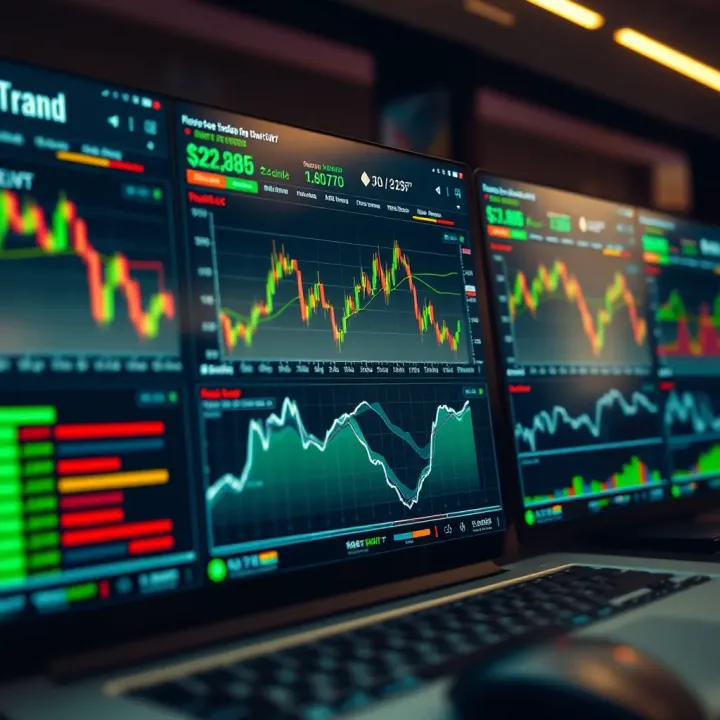
Discover how to pick the best trading platform worldwide 🌍 by exploring features, security, tools, and user experience tailored for Nigerian traders 🇳🇬.

📱 Discover how to pick the best trading app in Nigeria! Learn key features, popular options, costs, and safety tips to grow your investments securely.
Based on 6 reviews