

Choosing the Best Broker for Nigerian Investors
Looking for the best broker in Nigeria? 🏦 Learn how to pick a reliable broker with the right fees, features, and support to boost your investing success. 📈
Edited By
Sophie Turner
Cardtonic has become a subject of interest among Nigerian users, especially those looking to monetise their unused prepaid card scratch cards. The platform claims to pay users when they upload these cards, offering an unconventional way to earn extra cash from idle resources. But the pressing question is: does it really pay, and is it trustworthy?
At its core, Cardtonic operates by buying prepaid card credits from users, effectively turning the unused scratch cards into cash. This model attracts many Nigerians who receive topped-up cards for airtime or data bundles but don't always need or want to use them. The platform promises to convert these cards into instant money, providing users with payment through several channels.
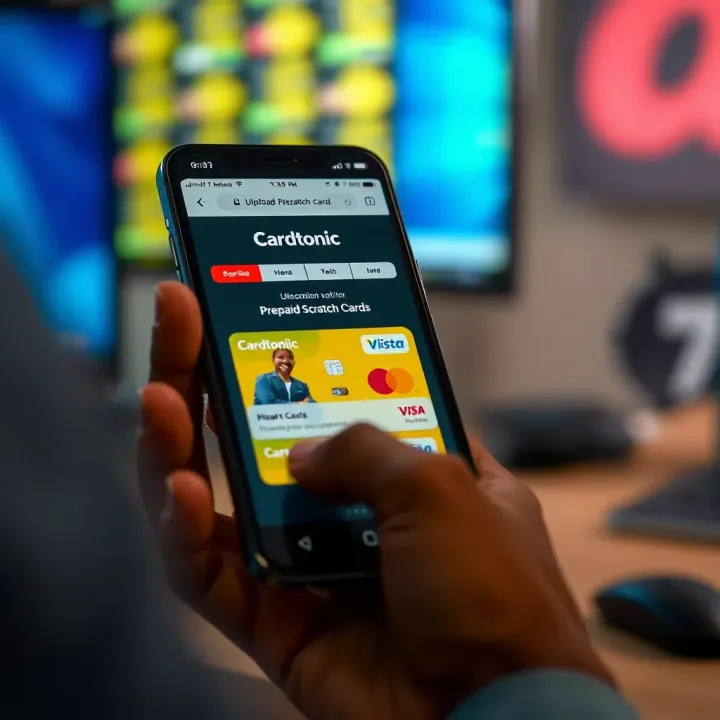
Here’s what Nigerian users typically experience with Cardtonic:
User Registration: Signing up with Cardtonic requires basic details including valid contact information and sometimes a BVN to verify identity.
Uploading Scratch Cards: Users scratch their prepaid cards and upload the details via Cardtonic's website or app. Cards from major Nigerian telecom providers like MTN, Glo, Airtel, and 9mobile are accepted.
Payment Options: Payments are usually sent through bank transfers or popular mobile money platforms like OPay or PalmPay, which are common in Nigeria.
Many users find this process straightforward, but the actual payment depends on Cardtonic's appraisal of the card's authenticity and value.
Though enticing, users should be cautious. Some report delays in payment or difficulty reaching customer service. Legitimate platforms tend to have seamless, timely payouts, and clear communication. Nigerians dealing with any digital payment method should also consider security, as scams are widespread.
In summary, Cardtonic offers a unique approach for Nigerian users to liquidate prepaid cards. The platform has been operational for a while and maintains a presence online, which suggests some level of legitimacy. That said, one must look closely at user reviews, payment history, and customer support responsiveness before committing seriously.
Next, we’ll examine Cardtonic’s payment system, user feedback from Nigeria, and highlight risks readers should be aware of before uploading their scratch cards.
Understanding Cardtonic and what it offers is vital for anyone considering using the platform, especially Nigerian users looking for easy ways to earn online income. This section breaks down Cardtonic’s key features, how it operates, and why it has grown popular among prepaid card holders. Knowing this helps you decide if the platform fits your needs or if it raises any red flags.
Cardtonic promises users a way to turn their prepaid card scratch cards into cash without using the card themselves. Essentially, the platform lets you upload images or codes from prepaid airtime cards — such as those from MTN, Glo, Airtel, or 9mobile — and in return, Cardtonic claims to pay you a percentage of the card’s value. For example, if you upload a ₦1,000 MTN card, you might receive ₦700 in cash credited to your Cardtonic account. The remaining amount is purportedly the platform’s charge for handling or resale.
The service appeals mainly to Nigerians who get gifted or collect many airtime scratch cards but rarely use them directly. Instead, they can convert the cards into spendable cash without having to trade with friends or sell physically. This convenience is especially valuable in times of limited cash flow or when users lack access to straightforward resale markets.
Cardtonic works by connecting users who have prepaid card scratch cards with entities that want to buy airtime codes in bulk, such as mobile network agents or businesses. Users register on the platform, upload the scratch card images or codes, and wait for verification. Once confirmed, the platform credits their Cardtonic wallet with the agreed amount, usually at a discount to the face value of the card.
The money in your Cardtonic wallet can be withdrawn via various options including bank transfer, mobile wallets like OPay or PalmPay, or sometimes through direct airtime conversion. This withdrawal flexibility aims to cater to Nigeria’s diverse payment ecosystem.
While Cardtonic offers an innovative approach to monetising prepaid cards, understanding its exact mechanism helps users avoid misunderstandings and potential frustration, such as delays or payment mismatches.
In summary, this overview sets the stage for a deeper look at Cardtonic's usability and trustworthiness by covering what you stand to gain and how the platform operates in practical terms. This foundation will help financial analysts, traders, and investors gauge how Cardtonic fits into Nigeria’s broader digital economy and prepaid market landscape.
Understanding the process of using Cardtonic is key for Nigerian users looking to monetise their prepaid scratch cards safely and effectively. The platform’s appeal lies in its promise of converting unused card balances into value, but it’s essential to grasp the practical steps before committing time and resources.
The first step on Cardtonic is straightforward: create an account using a valid email address and a secure password. Nigerian users are advised to use an email they regularly check since communications about payment status or verification may arrive there. After registration, the user uploads images or details of their prepaid cards, such as MTN, Airtel, or Glo scratch cards.
When uploading, it’s important to ensure the card details are clear and legible to avoid rejections. For example, blurring the PIN or serial number can delay verification. The platform typically requests photos of the cards showing the scratch area untouched or fully visible. This step is critical because failed uploads mean lost opportunities or longer wait times.
Cardtonic mostly accepts Nigerian telecom prepaid cards from major providers: MTN, Airtel, 9mobile, and Glo. These are the most common cards users buy or receive as gifts, making them widely accessible. However, users should note several limitations. For one, only physical cards with scratchable PINs qualify; digital or e-cards are often excluded.
Moreover, Cardtonic applies caps on how much value can be uploaded daily or weekly, depending on the user’s verification level. For example, unverified accounts may only manage ₦5,000 worth of cards per week, while verified users can upload more. Knowing these restrictions helps users plan and avoid sudden halts.
Having successfully uploaded cards, Nigerian users look forward to cashing out their earnings. Cardtonic typically pays via bank transfer in naira, making it accessible for a wide range of users. Banks like GTBank, Zenith, and Access Bank are commonly supported. Users need to input their bank account details correctly to avoid transaction failures.
The platform may also offer alternative withdrawal methods such as mobile money wallets or direct airtime credit, but these vary with time and location. Withdrawal thresholds usually apply; for instance, you cannot withdraw less than ₦1,000 at a time. Payments typically take between 24 to 72 hours to reflect, though occasional delays happen during ember months or public holidays.
Always double-check your bank details before withdrawal to prevent payment delays, as transaction errors can be difficult to reverse.
In summary, Cardtonic's process in Nigeria involves simple signup, careful card uploads, awareness of card and transaction limits, followed by straightforward payment options. This clarity helps users decide how serious they want to be with the platform and set realistic expectations regarding earning potential and timelines.
Before trusting any platform with your prepaid card details, especially one promising to pay you for uploading scratch cards, it's vital to assess its legitimacy and safety. For Nigerian users, this is even more critical due to the rising cases of online scams targeting personal finances and sensitive data. Understanding whether Cardtonic is genuine helps avoid potential financial loss, identity theft, or time wasted chasing payments.
Nigerian users have shared mixed experiences with Cardtonic on various online forums and social media groups. Some reports praise the platform for delivering payments promptly, with users confirming they received ₦5,000 to ₦10,000 monthly after uploading scratch cards worth equivalent amounts. However, others complain about inconsistent payments or sudden account suspensions without clear explanations. In Lagos, for example, a group of youths tried Cardtonic during ember months, eager to make extra income, but some quickly became sceptical after delays in their first withdrawals.
These reviews highlight that while Cardtonic has active users successfully cashing out, the experience can differ widely among Nigerians, especially considering network reliability and verification processes.
A recurring issue users note is the delay in payment processing. Some claim their payment takes up to two weeks or more, which contradicts the platform’s promise of faster payout. Others mention account verification challenges tied to Nigerian identification systems like the Bank Verification Number (BVN), causing unnecessary hold-ups.
Additionally, there are stories about accounts being flagged for suspected fraudulent activities—sometimes without sufficient proof—leading to frustrations. This raises questions about the platform’s customer service responsiveness and its mechanisms for dispute resolution.
Given Cardtonic requires users to upload scratch card details along with personal information, the security of this data is a top concern. The platform uses encryption protocols commonly found with fintech apps, but independent security audits or certifications specific to Nigerian data protection standards are not widely publicised.
Nigerian users should remain cautious, ensuring they do not upload card details beyond the platform’s requirements and avoid sharing login credentials. Like other online services handling sensitive information, the risk of data breach exists, especially where public Wi-Fi or insecure devices are involved.
Use strong, unique passwords and enable any available two-factor authentication to reduce risks when using services like Cardtonic.
In summary, evaluating Cardtonic’s legitimacy involves carefully considering user feedback and being alert to red flags. Although it offers genuine earning opportunities for Nigerians, exercising caution with personal data and payment expectations is necessary to keep your finances safe.
Using Cardtonic offers an innovative way to earn from prepaid card scratch cards, but like many online platforms, it carries certain risks Nigerian users must understand. Recognising these potential pitfalls helps you protect your personal data, avoid losses, and maintain smooth transactions. We’ll break down key risks and offer practical steps to stay safe while using Cardtonic.
One of the foremost concerns with Cardtonic is the risk of fraud or misuse of sensitive information. Users upload scratch card details that represent monetary value, so attackers or unscrupulous actors could target this data. For example, if someone intercepts your uploaded card information, they might attempt to redeem it elsewhere or sell it illegally. This is especially risky if you reuse passwords or share your account credentials. Plus, Nigerian users have reported isolated cases where suspicious activities appeared after using similar digital platforms, underscoring the need for caution.
To avoid falling victim, take care never to share your login details, use strong, unique passwords, and monitor your transactions regularly. Ensure your device has up-to-date antivirus software, as cybercriminals often exploit malware to steal such data.
Payment delays are another common hurdle users might face with Cardtonic. Some Nigerians have experienced slow payout processes extending beyond the advertised timeframe. These delays can arise from system glitches, verification hiccups, or banking transfer lag, which can be frustrating when you rely on timely earnings.
For instance, users who withdraw funds to their Nigerian bank accounts or digital wallets like OPay or PalmPay sometimes report waiting several extra days for funds to reflect. Being aware of possible delays helps set realistic expectations and reduces stress.
To mitigate risks and enhance your Cardtonic experience, follow these recommendations:
Verify Official Channels: Only use Cardtonic’s official website or mobile apps to avoid phishing sites.
Keep Personal Information Minimal: Share only what’s necessary; avoid linking unrelated personal accounts.
Enable Two-Factor Authentication (2FA): If available, add 2FA to prevent unauthorized access.
Regularly Change Passwords: Use a password manager to maintain strong, unique passwords.
Withdraw Earnings Promptly: Don’t let your earnings stay on the platform longer than necessary to reduce exposure.
Maintain Communication Records: Keep screenshots or emails of transactions and communications for reference.
Approaching Cardtonic with awareness and caution reduces risks. Always treat prepaid card platforms like financial dealings that require careful management.
By understanding these risks and taking proper precautions, Nigerian users can better navigate Cardtonic’s platform and safeguard their earnings and personal data.
When evaluating Cardtonic, it’s vital to look at other Nigerian platforms offering ways to earn money from prepaid cards. Comparing services helps users identify the best fit based on payout reliability, ease of use, fees, and trustworthiness. Since many Nigerians depend on side hustles to supplement income, knowing your options can save time and prevent frustration.
Apart from Cardtonic, platforms like PrepaidMama and CardGrabber navigate similar markets by buying or exchanging prepaid card codes. Some of these sites allow users to sell airtime recharge cards or TV subscription cards for cash, which many Nigerians find practical. For instance, PrepaidMama pays via bank transfer or mobile wallets like OPay, with withdrawal usually processed within 48 hours.
Furthermore, informal local exchanges remain common, where users physically trade scratch cards or codes for cash, though this comes with heightened risk around fraud. Mobile apps such as Wallet.ng also provide peer-to-peer airtime exchanges, allowing users to convert excess airtime into cash or data. These alternatives offer varied flexibility and payout speed compared to Cardtonic.
Cardtonic stands out for its user-friendly interface and straightforward claim of paying users for uploading prepaid card details. The platform’s accessibility attracts many, especially those without formal bank accounts, since it supports multiple withdrawal methods, including bank transfer, Paystack, and even mobile money wallets.
However, a drawback is often cited around delayed payment confirmation and occasional disputes over card acceptance, issues less frequent on platforms like PrepaidMama, which have clearer verification processes. Cardtonic’s fees may also be higher compared to some competitors, affecting overall earnings. Additionally, unlike Wallet.ng’s real-time peer-to-peer exchange, Cardtonic tends to operate on a batch-processing system, which slows down payouts.
In terms of security, Cardtonic claims encryption of user data, but some Nigerian users express concern over privacy compared to more established fintech apps regulated by the Nigerian Communications Commission (NCC). That said, competitors might lack Cardtonic’s nationwide reach and ease for non-tech-savvy users.
Before committing, you should weigh payment speed, transparency, and user experiences across several platforms. Sometimes a platform with slightly lower rates but faster, hassle-free payments may be better suited for your needs.
In summary, while Cardtonic offers certain conveniences, it's wise to explore other Nigerian prepaid card platforms to find the best balance of earning potential, security, and payment reliability based on your preference and lifestyle.
When considering if Cardtonic is worth your time as a Nigerian user, it's essential to weigh what the platform genuinely offers against the potential risks involved. Many users are attracted to the idea of earning extra income by uploading prepaid card details, but the reality can be mixed. Understanding Cardtonic’s legitimacy, ease of use, and the reliability of its payments gives a clearer view to decide whether it fits your earning needs.
Cardtonic operates by paying users to submit prepaid card scratch codes, primarily from mobile networks or e-wallets. It has attracted both praise and criticism in Nigerian online communities. While many report receiving payments after successful uploads, some users complain of delayed payments or account freezes. Security measures around personal data appear basic, so caution is advised. Overall, the platform works but not without occasional hitches that may impact usability and trust.
Cardtonic suits individuals who already have access to unused prepaid cards, like old recharge cards or spare scratch cards from family or friends. It can also benefit those looking for a low-barrier way to make small occasional earnings online without upfront investment. However, it is not a reliable source for steady income or for those who rely on consistent payments for living expenses. Users should be comfortable with some level of risk and delays and have alternative income channels.
If flexibility and steady pay are top priorities, Nigerians might prefer other online income alternatives such as:
Freelance platforms like Upwork or Freelancer, where skills like writing, graphic design, or programming pay more reliably.
Fintech savings and investment apps like Piggyvest or Cowrywise that help grow money passively.
Content creation on YouTube or TikTok, where monetisation can become lucrative over time.
Online tutoring or skill teaching via platforms connecting learners and educators.
These options require varying effort and skills but generally provide more dependable income streams than platforms like Cardtonic.
Ultimately, using Cardtonic comes down to your specific circumstances—if you have prepaid cards lying around and want to make some quick extra cash, it may be worth a try. But treat it as a side hustle rather than a main job, and keep realistic expectations about payments and platform reliability.
Looking for the best broker in Nigeria? 🏦 Learn how to pick a reliable broker with the right fees, features, and support to boost your investing success. 📈

Compare TradingView 📈 vs Deriv.com 💹 for Nigerian traders 🇳🇬 with insights on features, usability, pricing, and regulations to pick the best platform.

Explore how firms operate in Nigeria's economy 📊, covering their types, decision-making, resource management, and market roles for a clear economic insight.

📈 A practical guide to setting up TradingView for Nigerian traders. Explore charting, custom indicators, alerts, and connect with tools for smarter trading.
Based on 9 reviews