
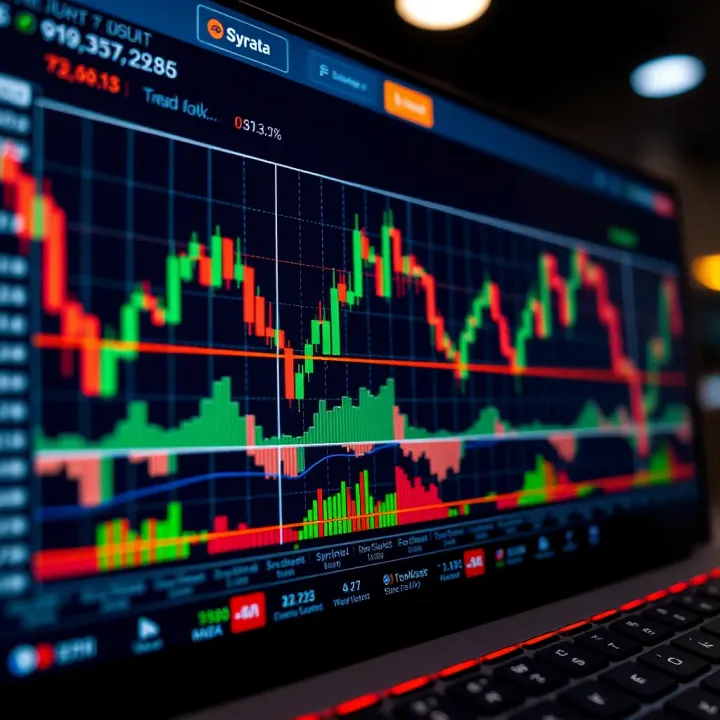
Guide to TradingView Synthetic Indices
Explore TradingView synthetic indices 📈: what they are, how they work, key features, benefits, risks, and tips to trade them effectively with confidence.
Edited By
Amelia Foster
Synthetic indices are gaining traction among proprietary (prop) trading firms, especially for traders seeking consistent, round-the-clock opportunities without traditional market limitations. These indices simulate market behaviours through computer algorithms rather than reflecting real-world assets like stocks or commodities. This means they run continuously, unaffected by external economic events, offering a unique trading playground for prop firms.
For Nigerian traders, understanding synthetic indices is essential because they provide a steady alternative to volatile local markets and limited access to global assets. Unlike typical forex pairs or shares, synthetic indices mimic asset price movements based on mathematical models, letting traders exploit predefined patterns in a controlled environment.
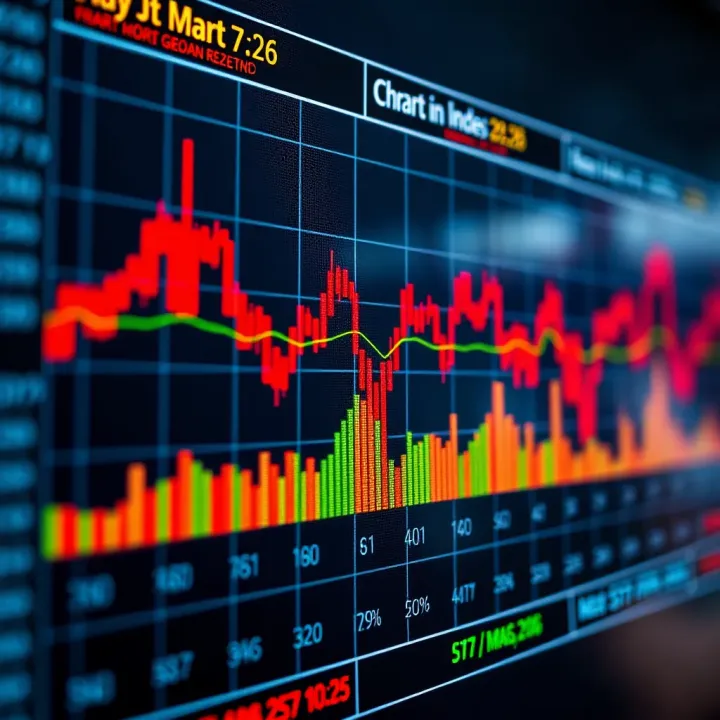
Prop firms favour synthetic indices because they offer:
Constant availability: Trade 24/7, unlike stock markets that close on weekends.
Reduced external shocks: These indices aren’t swayed by unpredictable news or government policies.
Clear volatility patterns: Algorithmic design allows traders to anticipate swings with suitable strategies.
Synthetic indices present a stable trading environment, ideal for disciplined risk management and strategy testing, making them attractive for prop firms and individual traders alike.
For example, the Volatility 75 Index, a popular synthetic index, mimics high market volatility but in a predictable cycle. Prop firms use it to train traders in managing risk efficiently and applying technical analysis without worrying about market closures or black swan events.
As Nigerian traders grow more sophisticated, synthetic indices can bridge the gap between limited local market access and global trading excitement. They also allow traders to navigate price moves with less concern over naira volatility or market halts often experienced in Nigerian exchanges.
In summary, synthetic indices offer a reliable, algorithm-driven trading option that prop firms employ to balance risk and opportunity effectively. Nigerian traders aiming to work with prop firms should grasp this concept deeply to maximise their chances of success in both local and global trading spheres.
Synthetic indices offer a fresh space for traders, especially within proprietary trading firms, by simulating market movements without relying on real-world assets. Unlike traditional indices that track actual companies, synthetic indices are generated through algorithms, reflecting artificial price movements. This allows trading around the clock, making them highly attractive for prop firms seeking continuous opportunities without the limitations of market hours or external economic factors.
Real indices, such as the Nigerian Stock Exchange All-Share Index or the US S&P 500, represent baskets of actual stocks whose prices fluctuate based on corporate performance, economic indicators, and market sentiment. Synthetic indices, however, are mathematical constructs designed to mimic market conditions. Their prices aren’t linked to any physical assets but are created using complex formulas and algorithms. This means synthetic indices are not vulnerable to real-world events like company earnings reports or geopolitical tensions.
This difference matters practically because traders in synthetic indices aren’t, for instance, exposed to corporate scandals or sudden crashes caused by crises. They trade patterns generated by set rules, providing a more controlled environment, which is ideal for prop firms that prioritise strategy and risk management over reacting to unpredictable news.
Several synthetic indices have gained traction on trading platforms used by prop firms. For example, the Volatility 75 Index (VIX 75) replicates high market volatility conditions, making it useful for traders keen on short bursts of price swings. Another example is the Crash/Boom indices that represent sudden market drops or surges, enabling strategic plays on rapid movements with tight stop-loss tools.
Such indices are especially relevant for Nigerian traders because they provide access to market-like dynamics without needing a large capital base or exposure to exchange restrictions. Prop firms often offer these synthetic indices precisely because they balance risk and reward in a tightly managed environment.
Synthetic indices rely on mathematical models powered by random number generation and statistical processes to produce price movements. In practice, sophisticated algorithms simulate ‘ticks’ or price changes every few seconds or milliseconds, ensuring dynamic yet predictable patterns within predefined limits.
This algorithmic creation is crucial since it guarantees the market behaves without external interference, making trading more about skill and timing rather than following news or events. Prop traders benefit because consistent price behaviour aids backtesting strategies and developing automated trading systems.
Unlike traditional markets that close during nights, weekends, or public holidays, synthetic indices trade 24/7, allowing Nigerian traders flexible entry and exit times. This round-the-clock availability matches the fast-paced lifestyle of Lagos or Abuja traders, who might only find time after standard business hours.
The constant accessibility also means prop firms can run training sessions and support at any time, adjusting to various time zones. It helps maintain liquidity and avoids downtime, crucial factors that keep spreads tight and volatility manageable in synthetic trading.
Trading synthetic indices opens the door to markets that never sleep, giving prop traders much-needed flexibility and a consistent environment to sharpen their strategies.
Key Points to Remember:
Synthetic indices differ from real indices by not being tied to physical assets.
Popular examples include Volatility 75 and Crash/Boom indices.
Prices are generated by complex algorithms simulating market behaviour.
They are available 24/7, suiting traders with diverse schedules.
For Nigerian traders and prop firms, this means a unique blend of accessibility, reduced exposure to unpredictable news, and a space to develop refined trading skills under controlled conditions.

Proprietary trading firms, commonly called prop firms, play a significant role in the synthetic indices market. These firms do not trade on behalf of clients but instead use their own capital to trade financial instruments, including synthetic indices. This allows them to capture profits from market movements directly, often under stricter risk controls and with access to technology and leverage not commonly available to retail traders. For Nigerian traders, understanding how prop firms operate in this space can unlock better trading strategies and capital access.
A prop firm uses its own funds to conduct trades, while retail brokers merely facilitate client trades without risking their own money. This distinction means prop firms assume the financial risk but also the rewards directly, often granting traders funded accounts to trade on behalf of the firm. Unlike retail brokers who earn primarily via spreads or commissions, prop firms profit when their traders generate gains. This model allows traders to access bigger capital pools than their personal funds would permit.
Prop firms typically support traders with capital, advanced trading platforms, and risk management tools. For example, a trader at a Nigerian prop firm might start with a funded account of ₦5 million, allowing them to make trades at scales not possible individually. Additionally, many prop firms provide training, including market analysis methods and discipline coaching, which helps traders navigate the unique volatility of synthetic indices more effectively. This support is pivotal in developing profitable strategies while controlling losses.
Synthetic indices are attractive due to their consistent liquidity and predictive volatility profiles. Unlike physical asset markets that depend on global economic factors, synthetic indices are algorithmically produced, offering steady price movements even during traditional market downtimes. Prop firms value this predictability and consistency as it enables them to execute trades rapidly with lower slippage risks. For Nigerian traders, these markets provide an opportunity to trade 24/7 without worrying about global market holidays or sudden illiquidity.
Synthetic indices accommodate high-frequency and intraday trading strategies because of their continuous price updates and tight spreads. Prop firms take advantage of this by empowering traders to respond swiftly to market changes, using leverage to maximise returns on short-term movements. Traders in Lagos or Abuja, for example, can engage in quick scalping trades on indices like the Volatility 10 Index, capturing profits within minutes. This speed is less feasible in traditional equity markets due to slower price action and trading hours.
Prop firms enable traders to benefit from synthetic indices' unique features, notably consistent liquidity and high volatility, through access to capital, expertise, and technology.
In summary, the synergy between proprietary trading firms and synthetic indices offers Nigerian traders a practical platform for capitalising on market volatility with enhanced support and better risk management. By recognising the difference between prop firms and retail brokers, as well as understanding the inherent market characteristics, traders can navigate this space with more confidence and resources.
Trading synthetic indices through proprietary (prop) firms offers several distinct benefits that appeal to both novice and experienced traders. These firms provide access to market opportunities that might otherwise be out of reach, especially for traders in Nigeria and similar markets where capital constraints can limit direct trading access.
Leverage is a cornerstone advantage in prop firm accounts. Essentially, prop firms allocate their capital to traders, allowing them to control positions much larger than their personal funds would permit. For example, a trader with just ₦100,000 might access ₦1 million or more in buying power, depending on the firm’s leverage policy and risk parameters. This means traders can open bigger positions, potentially increasing profits on successful trades.
However, leverage amplifies both gains and losses. While a well-timed trade can multiply returns, a wrong move risks wiping out a significant portion of the account quickly. Hence, prop firms often enforce strict rules and risk limits to protect their capital. Traders must understand how the leverage ratio works and exercise discipline in managing their positions to avoid steep losses.
Prop firms usually provide training and educational resources tailored to their synthetic indices platforms. This might include webinars, trading guides, video tutorials, and live coaching sessions. Such resources are critical for Nigerian traders who might not have easy access to quality trading education elsewhere. Through structured learning, traders develop skills to navigate synthetic markets effectively.
Furthermore, these firms often integrate risk management tools such as stop-loss orders directly into their platforms. Stop-loss limits a trader’s potential loss by automatically closing losing trades at a certain price level. For instance, setting a stop-loss on a synthetic index trade prevents the account from being drained by sudden, volatile moves — a common feature in synthetic markets. By using stop-loss and other risk controls, traders can protect their capital and maintain discipline, which is especially crucial when operating with leveraged funds.
Trading synthetic indices with a prop firm provides both the capital edge and safety nets necessary to attempt consistent profitability in these fast-moving markets.
In summary, the blend of increased capital through leverage and structured support for risk management makes trading synthetic indices via prop firms a compelling proposition for traders focusing on growth and skill development. Nigerian traders stand to gain considerably by tapping into these resources while carefully managing the risks involved.
Trading synthetic indices through proprietary firms offers great opportunities, but it comes with risks that traders must weigh carefully. Understanding these risk factors is vital for Nigerian traders aiming to thrive in this fast-paced, algorithm-driven market. Identifying potential pitfalls and mastering risk management strategies can protect capital and improve chances of consistent profits.
Because synthetic indices are created and maintained by algorithms rather than physical market forces, questions sometimes arise about potential market manipulation. Unlike real asset markets that react to supply and demand, synthetic markets run on programmed price feeds, which might be influenced internally. This raises worries that the platform operator could alter price behaviour to benefit certain traders or the platform itself.
For Nigerian traders, this means it’s crucial to trade with reputable prop firms known for transparency. A red flag would be erratic price swings not correlating with market trends or global economic news. Always ask about how the algorithm is regulated and if independent audits are performed. Transparency ensures the trader’s activity doesn't get unfairly influenced or disadvantaged.
Synthetic indices rely entirely on mathematical models and random number generation to simulate market movements. Unlike real stocks or currency pairs, they don't respond to geopolitical events, company earnings, or other fundamental factors. This can cause price behaviour to seem odd or less predictable.
For instance, a synthetic volatility index might spike sharply without any real-world news driving that movement. Traders need to understand that these indices can display sudden surges or drops programmed deliberately to mimic volatility patterns. Recognising this helps traders avoid overreacting or mistaking these moves for usual market signals.
With synthetic indices, setting achievable goals is essential. Expecting to double your account overnight is unrealistic and likely to lead to reckless trades. Instead, focus on steady gains, such as targeting 1–2% profit daily, which compounds over time.
Nigerian prop traders should link their goals to both their capital size and risk appetite. Since leverage magnifies both gains and losses, modest objectives help avoid blowouts. Regularly reviewing and adjusting goals based on performance ensures sustainable trading over months or years.
Mastering proper position sizing shields you from losing too much on any one trade. A common rule is risking 1–2% of your total trading capital per position. This means if your account is ₦500,000, you shouldn’t lose more than ₦5,000–₦10,000 on a single trade.
Equally, understanding risk-reward ratios guides whether a trade is worth taking. For example, aiming for a 3:1 reward-to-risk ratio means you expect to gain ₦3 for every ₦1 risked. Over time, this approach helps offset losses and fosters profitable trading. Prop firms often encourage these prudent practices by providing tools with automatic stop-loss and take-profit features.
Effective management of synthetic index risks combines realistic expectations with disciplined trade control. Nigerian traders who master this can build resilient portfolios despite the unique challenges of algorithm-driven markets.
In short, while synthetic indices bring exciting trading prospects, recognising the inherent risks and applying sound risk management is non-negotiable. Traders should select transparent firms, understand the artificial price dynamics, and adopt steady, disciplined strategies for long-term success.
Choosing the right proprietary trading firm focused on synthetic indices can greatly affect your success as a trader. The firm you pick should align with your trading style, risk tolerance, and offer practical tools that enhance your trading experience. Given the nature of synthetic indices—driven by algorithms and available 24/7—selecting a reliable and well-equipped prop firm is essential to handle market volatility effectively.
Regulation serves as a foundation for trust and security in financial dealings. A regulated prop firm means it operates under oversight from recognised financial authorities, which helps protect you from scams and unethical practices. For Nigerian traders, firms regulated by bodies like the Financial Conduct Authority (FCA) in the UK or the Securities and Exchange Commission (SEC) Nigeria are preferable because they adhere to strict operational standards.
Without regulation, there’s a higher risk that funds might not be properly safeguarded or that the firm could impose unfair trading conditions. Essentially, regulation adds a layer of accountability, assuring traders of transparent pricing and fair treatment.
Looking at how other traders have experienced a prop firm can reveal a lot about its reliability. Reviews and track records provide insight into the firm's performance, customer service, and payout history. For example, if multiple traders report delays in profit withdrawals or poor customer support, these are red flags you shouldn’t ignore.
Moreover, proven track records in handling synthetic indices specifically indicate that the firm understands this unique market. Platforms like Trustpilot or relevant trading forums can be useful when gathering this information, but always cross-verify to avoid falling for fake reviews.
A firm’s capital allocation policies dictate how much trading capital you’ll receive and the conditions tied to it. For example, some prop firms may start you with ₦500,000 trading capital and require a 70/30 split on profits, favouring the firm. Knowing these figures upfront helps you plan realistic earnings and manage expectations.
Profit sharing should be fair and incentivise your growth rather than limit it. Besides the split ratio, check if the firm has any hidden fees or clawback clauses that can cut into your profits unexpectedly. Practical firms also allow you to scale your capital depending on your trading performance, a feature that Nigerian traders find valuable to grow steadily.
The quality of a firm’s trading platform can make or break your trading experience. You want a platform that offers real-time price feeds for synthetic indices, quick order execution, and reliable uptime. Popular trading platforms used by prop firms include MetaTrader 5 and proprietary systems with custom indicators tailored for synthetic markets.
Look out for additional tools like advanced risk management features, charting packages, and educational resources within the trading software. These tools help you analyse price movements and set stop-loss orders effectively, especially in synthetic markets that move rapidly. A user-friendly platform is especially crucial for Nigerian traders who might need mobile-friendly options to trade from anywhere.
Picking a prop firm is more than just signing up; it's about ensuring the firm matches your trading goals, offers transparent conditions, and provides the right tools to succeed in synthetic index trading.
Explore TradingView synthetic indices 📈: what they are, how they work, key features, benefits, risks, and tips to trade them effectively with confidence.

📊 Understand synthetic indices, how they work, and their role in trading. Learn strategies, risks, and benefits for smarter financial decisions in Nigeria.
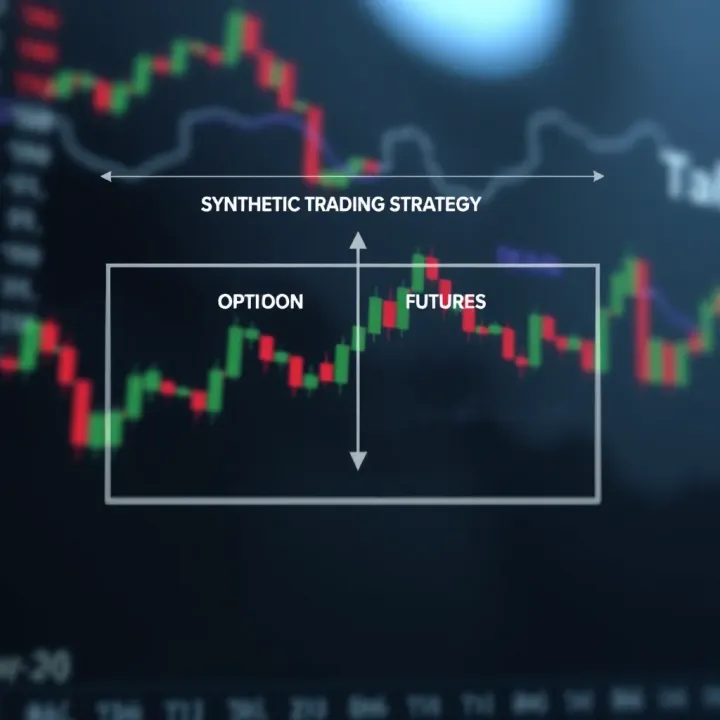
Explore synthetic trading concepts, practical examples, benefits, risks, and regulations to better navigate Nigeria’s financial markets 📈💼
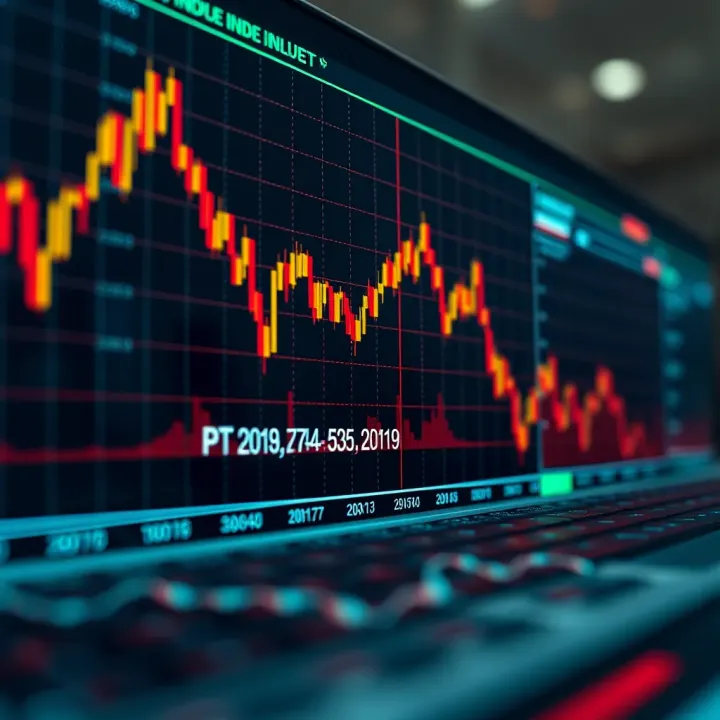
Explore how synthetic indices work, potential manipulation risks, and tips for Nigerian traders to navigate these markets confidently 📈🤔💡
Based on 13 reviews