
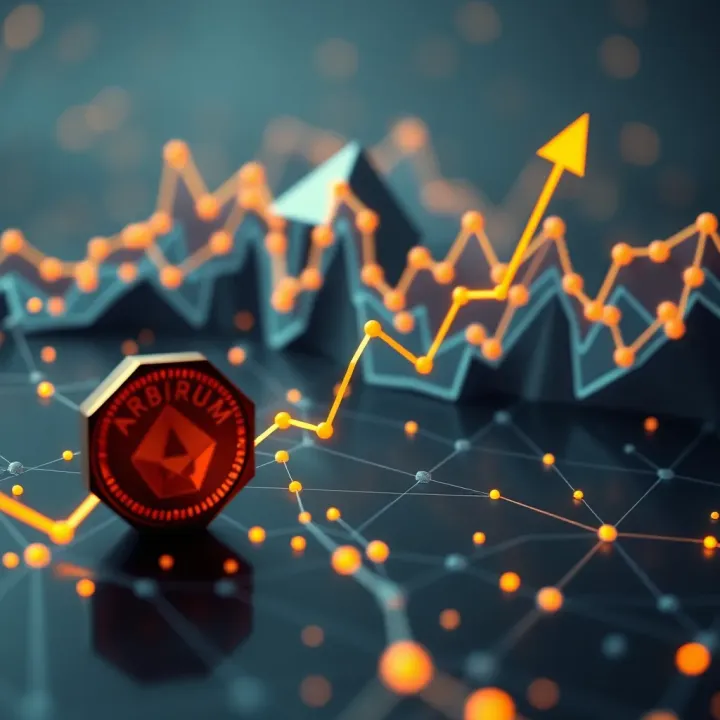
Arbitrum Price Prediction for Nigerian Investors
📈 Exploring Arbitrum price trends and factors shaping its future, with tailored insights for Nigerian investors on risks and opportunities ahead.
Edited By
James Whitmore
Investing in cryptocurrencies like the Sui token has attracted a lot of attention among Nigerian traders and investors. Given Nigeria’s dynamic financial environment and growing crypto adoption, understanding what influences Sui token price movements is vital for making informed decisions.
Sui token operates on smart contract technology similar to Ethereum but aims to offer faster transactions and lower fees. These technological features have sparked interest but also bring volatility common to emerging tokens.
The key for Nigerian investors is balancing potential gains against risks linked to crypto regulations, naira fluctuations, and liquidity constraints.
Current market trends for Sui show fluctuating prices driven by global crypto sentiment and local factors such as electric power costs that affect mining profitability. For example, higher generator fuel prices indirectly impact crypto transaction costs, influencing investor behaviour.
When considering Sui investment in Nigeria, you should keep an eye on:
Naira exchange rates: Sudden naira depreciation can affect your returns when converting back to local currency.
CBN’s crypto stance: Regulatory shifts sometimes cool off or ignite market confidence.
Project updates: Technical upgrades or partnerships can trigger price surges.
Traders often monitor technical indicators like Relative Strength Index (RSI) alongside news from crypto communities and market data sites. These tools help anticipate short-term price swings.
Sui’s early adoption phase means price predictions vary widely. Some analysts expect steady growth if network adoption rises, while others caution about speculative bubbles, common in Nigeria’s crypto space.
In short, Nigerian investors should approach Sui with clear strategies, assess market shifts continuously, and avoid putting more than a small portion of their portfolio into emerging tokens to manage risk effectively.
Before investing in any digital asset, understanding what it is and where it stands in the market matters a great deal. This section focuses on explaining the nature of the Sui token, its purpose, and how it is currently performing in the volatile crypto market. Investors in Nigeria need this perspective to make informed decisions, especially given the unique challenges in the local financial environment.
Sui is a native cryptocurrency token associated with the Sui blockchain, a platform designed to enhance decentralised applications with faster transaction speeds and better scalability. Created by the team behind the Move programming language, Sui aims to offer a highly efficient ecosystem suitable for developers and users focused on gaming, finance, and social apps. Unlike older blockchains such as Ethereum, Sui emphasises low latency and a user-friendly experience, which could make it attractive for tech startups and investors alike.
Understanding that Sui is more than just a speculative token helps investors appreciate its potential utility in powering decentralized apps (dApps). This distinction matters because tokens tied to actively used networks tend to demonstrate more resilience during market swings.
Sui token primarily serves as the fuel for executing transactions and smart contracts on its blockchain. For Nigerian developers building decentralised finance (DeFi) platforms or NFT marketplaces, Sui offers a platform that promises speed and cost efficiency compared to alternative chains. Additionally, some projects within the Sui ecosystem use the token for governance – allowing holders to vote on network upgrades or budget allocations.
This practical use means Sui is not just a speculative asset but also a functional currency within its community. For Nigerian investors, this gives the token a clear role, potentially supporting long-term demand beyond pure speculation.
Since its launch, the Sui token has seen a mix of sharp gains and occasional corrections, reflecting typical crypto market behaviour. Initially, the token's price spiked following its mainnet release and increasing developer interest, but like many assets, it has faced downward pressure during broader market downturns. For example, after peaking in the first quarter of 2024, the token experienced retracements alongside global crypto sell-offs.
Tracking this volatility is key for Nigerian investors who may prefer timing their entry points carefully rather than buying during hype phases. The token’s recent trends suggest cautious optimism but confirm that price swings remain significant.
Market capitalization helps investors assess a token’s overall value and market presence. Sui’s market cap has grown steadily, driven by rising adoption and network activity. Although not yet at the scale of giants like Bitcoin or Ethereum, Sui holds a stable position within the top tiers of emerging blockchain projects.
Trading volume reflects liquidity—the ease with which investors can buy or sell tokens without large price impacts. Sui enjoys active trading on major exchanges accessible in Nigeria, like Binance and Gate.io, ensuring investors can enter or exit positions relatively smoothly. This liquidity reduces the risk of getting stuck with tokens difficult to offload.
Understanding these market metrics helps investors gauge both the health and potential opportunities of the Sui token before committing funds.
In summary, Nigeria-based investors who grasp the foundations of Sui and stay attuned to its market signals will navigate this asset with greater confidence. This clearer view aids in managing risks tied to price swings and regulatory uncertainties while recognising practical investment benefits.
Understanding the factors that drive the price of Sui token is essential for Nigerian investors aiming to make informed decisions. The token’s value does not exist in isolation; it responds to technology innovations, market demand, and regulatory environments, among other things. Appreciating these elements can help investors anticipate price movement and manage risks better.
Network upgrades and scalability directly affect the usability and reliability of the Sui blockchain. Frequent improvements in transaction speed and capacity reduce network congestion and lower fees, making the platform more attractive to users and developers. For instance, if Sui introduces a new protocol that boosts transactions per second (TPS) from thousands to tens of thousands, it could encourage decentralised applications (dApps) to migrate to its network, increasing demand for the token and potentially pushing its price higher.
Partnerships and project developments also shape investor confidence and token value. Strategic alliances with established blockchain projects or tech firms can signal growth and practical use cases. A recent collaboration between Sui and a prominent DeFi platform could open new markets and liquidity pools for the token, promoting wider adoption. Such developments demonstrate active ecosystem growth rather than a static asset, which usually influences price positively.
User adoption rates reflect how many people actively use or hold the Sui token in the ecosystem. A rising number of wallets or dApp users usually signals growing interest and utility, which translates to stronger token demand. For Nigerian investors, watching wallet activity trends can offer clues—if the number of active participants on Sui increases steadily, it suggests the token might gain value as usage intensifies.
Exchange listings and liquidity determine how easily investors can buy or sell Sui tokens. Tokens listed on major platforms like Binance or Coinbase see higher trading volumes and better price discovery. Lack of liquidity on Nigerian-accessible exchanges could lead to wider price swings and higher spreads. Hence, Nigerian traders should track which exchanges support Sui and the volume of trading pairs paired with naira or stablecoins for smoother entry and exit.
Nigerian crypto regulations and policies weigh heavily on the token’s price prospects. Nigeria’s Central Bank has severally warned banks about crypto dealings, affecting investor access to fiat onramps and cashing out profits. Any sudden regulatory changes could limit liquidity or discourage widespread adoption. Conversely, clearer and supportive frameworks would encourage institutional players and retail investors alike to consider Sui more seriously.
The regulatory stance not only impacts local trading volumes but also influences global sentiment about Nigerian crypto markets.
Global market influences and investor sentiment from the broader cryptocurrency landscape have a knock-on effect on Sui’s price. When Bitcoin or Ethereum take a hit, altcoins like Sui often follow suit due to correlated market behaviour. Economic shocks, central bank policies worldwide, or political crises can cause swings in investor appetite for risk assets, including Sui. For Nigerian investors, keeping an eye on global crypto trends alongside local news helps navigate price moves more strategically.
All these factors interact to shape the practical outlook for Sui token’s price. Nigeria’s unique regulatory challenges and growing appetite for blockchain mean investors here need to blend technology insight, market data, and policy awareness before placing bets on Sui.
Expert opinions and price predictions play a significant role in guiding investors, especially in a volatile space like cryptocurrency. For Nigerian investors looking at Sui Token, these insights help navigate market uncertainties and understand potential price movements. Analysts apply various methods, including technical analysis and fundamental assessments, to offer projections on where the token might head in both the near and distant future. By considering expert views, investors can form an informed strategy that aligns with the risks and opportunities specific to Sui Token.
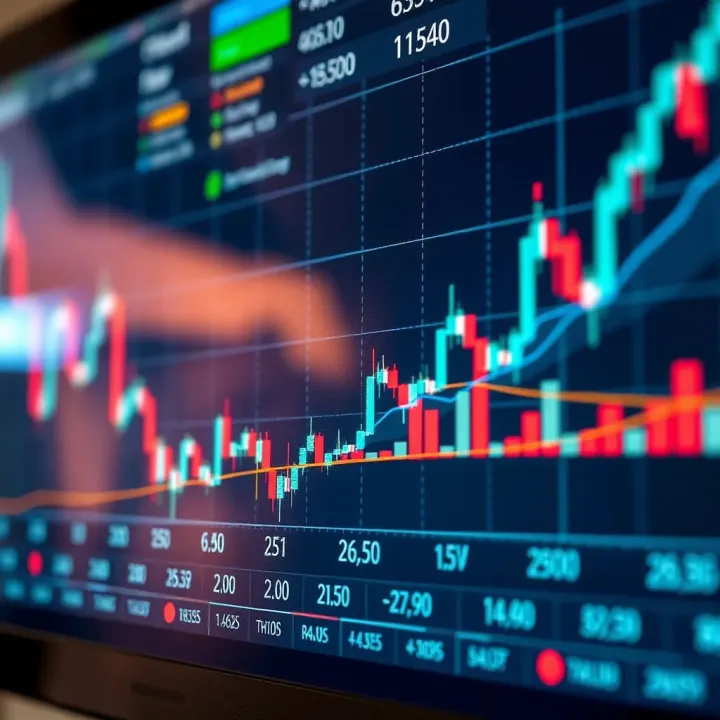
Key technical analysis indicators offer a snapshot of market sentiment within a short horizon. Nigerian traders commonly watch indicators like the Relative Strength Index (RSI), Moving Averages (MA), and Bollinger Bands to pinpoint entry or exit points. For example, when Sui Token's RSI moves into overbought territory, it may signal a price pullback soon, giving traders a chance to take profits. Moving Averages help smooth out price fluctuations, showing clear trends that guide short-term trades.
Using these tools effectively requires constant monitoring of price charts and volume activity, which Nigerian investors can do on platforms such as Binance or Binance P2P, which support Naira trading pairs. Keeping tabs on technical indicators helps investors react within weeks to months rather than relying on long-term outcomes alone.
Predicted price range within 6 to 12 months depends on current trends and market sentiment. As of early 2024, some experts forecast Sui Token to trade between ₦250 and ₦500 in this period, assuming stable network development and market acceptance. This range considers potential fuel costs for miners, demand from DeFi users, and broader crypto market trends.
This forecast is valuable because it sets realistic expectations, allowing Nigerian investors to budget their portfolios accordingly, avoiding panic selling during short-term dips. Traders might plan partial profits if the token nears the upper price estimate or prepare to buy more should prices fall closer to the lower band.
Growth potential over several years looks more promising but remains tied to fundamental progress. If Sui continues enhancing its blockchain capabilities and carving niches, its token price could multiply several times over five years. Historical examples like Ethereum and BNB illustrate how early network upgrades and ecosystem expansions lift token values significantly.
Nigerian investors eyeing the long term should assess how Sui’s team addresses scalability, security, and user adoption, as these factors typically dictate sustained demand. Those holding tokens for years must be ready for periods of volatility but benefit from compounded growth when the project meets milestones.
Impact of broader blockchain adoption also influences Sui’s trajectory. Nigeria’s growing fintech landscape, combined with rising crypto acceptance by businesses and regulators, could boost Sui’s practical uses locally and internationally. As blockchain integrates more deeply with sectors like finance, supply chain, and digital identity, tokens like Sui gain natural demand.
Considering this, Nigerian traders and investors should watch for partnerships and pilot projects involving Sui, plus government stances on blockchain tech. Widespread blockchain adoption reduces speculative risks and adds real-use cases, which often stabilises and elevates token prices over time.
Staying informed about expert views and predictions is essential for managing risk and spotting timely opportunities when investing in Sui Token within Nigeria’s complex crypto environment.
**Summary:**Technical indicators help in short-term trading decisions, with a 6-12 month price range forecast offering practical guidance. Long-term growth depends on blockchain adoption and project development, making expert insight vital for Nigerian investors mapping out strategies.
For Nigerian investors eyeing the Sui token, practical information on buying, storing, and understanding risks is key. The local market has unique challenges and opportunities, from exchange access to regulatory concerns. This section gives clear guidance tailored to Nigeria’s realities, ensuring investors make informed choices.
Nigerian investors can find Sui tokens on global platforms like Binance and KuCoin which allow registrations from Nigeria. These exchanges provide decent liquidity and varied trading pairs, including those paired with stablecoins like USDT. Locally, platforms like Bundle Africa and Binance P2P have made buying crypto with naira easier through bank transfers and mobile payments. However, users must confirm if Sui is listed, as listings often vary.
Using peer-to-peer (P2P) services remains a popular option when direct crypto-to-naira trading pairs are scarce. Investors should prioritise exchanges with strong track records, high trading volumes, and transparent fee structures to avoid liquidity traps and unexpected charges.
After acquiring Sui tokens, storing them securely is crucial. Hardware wallets such as Ledger Nano S or Trezor offer cold storage, reducing exposure to hacks. For everyday access, mobile wallets like Trust Wallet or MetaMask support Sui-compatible tokens. Setting up two-factor authentication and backing up recovery phrases offline keeps funds safer.
Many Nigerian users underestimate wallet security. Avoid storing large holdings on exchanges, which are prone to cyber attacks. Instead, split investments between cold wallets for long-term holding and hot wallets for trading. Regularly updating wallet apps and cautious handling of phishing attempts also reduce risks.
Sui token, like many crypto assets, experiences wide price swings. High volatility means rapid gains and losses can happen within days. Nigerian investors should be ready for such fluctuations, especially given the naira’s own instability and local market sentiment swings during ember months or political events.
Understanding market cycles and avoiding impulsive decisions is vital. Diversifying portfolios to include traditional assets alongside crypto can cushion shocks. Investors should also watch for pump-and-dump schemes, common in emerging markets, which can affect tokens with low market cap like Sui.
Nigeria’s regulatory stance on crypto remains cautious and evolving. The Central Bank of Nigeria (CBN) restricts banks from facilitating crypto payments, pushing many to use P2P channels or fintech apps. Investors must stay updated on fresh policies from CBN or Securities and Exchange Commission (SEC) Nigeria to avoid legal pitfalls.
Compliance with know-your-customer (KYC) rules and using reputable platforms can provide safer transaction channels. Those ignoring regulatory updates risk frozen accounts or difficulties in converting crypto to naira. Understanding these rules helps Nigerian investors protect their capital and engage in crypto trading confidently.
By combining access knowledge, strong security practices, and awareness of risks, Nigerian investors can better position themselves to navigate the Sui token market effectively.
This conclusion offers Nigerian investors a straightforward assessment of whether Sui token fits their portfolio. It connects all previous sections by balancing the token’s price potential with the practical challenges specific to Nigeria’s economic and regulatory climate. Investors need this closing overview to make an informed decision that goes beyond hype and technical jargon.
Balancing risks with opportunities means recognising that while Sui token shows promising growth, it is not without hazards. Its blockchain technology and expanding ecosystem suggest a medium- to long-term upward price trajectory. For example, recent network upgrades and partnerships could drive adoption, potentially raising demand and token value. However, Nigerians should consider market volatility and liquidity constraints. Price swings can be sharp, especially when global investor sentiment shifts or local policies tighten crypto access.
Practical relevance here lies in knowing that investing in Sui is not a guaranteed windfall. Risk management strategies such as investing only amounts one can afford to lose and keeping abreast of both Nigerian crypto regulations and global market waves are vital. Using local crypto exchanges or reliable international platforms with NGN support and secured wallets enhances safety and reduces exposure to fraud.
Timing your entry into Sui token depends on personal risk appetite and market conditions. A cautious investor might wait to see stable upward trends or clearer regulatory signals from Nigeria’s authorities before buying. Conversely, more seasoned traders may seize dips caused by temporary market jitters as buying opportunities. This approach demands careful chart reading and following expert analyses from Nigerian and global crypto commentators.
In terms of strategy, diversifying investments across several tokens and assets lessens exposure to a single volatile asset like Sui. Also, setting clear profit-taking and stop-loss levels keeps emotions in check, preventing panic selling during downturns or greed during rallies. Nigerian investors, given local challenges like naira fluctuations and generator costs affecting online access, should plan transactions considering both market timing and operating constraints.
Smart investing in Sui token means balancing optimism with caution, understanding both its promising tech-driven growth and the unpredictable landscape within Nigeria’s crypto space.
In summary, Sui token offers a potentially profitable addition to a well-planned portfolio, but it requires informed timing, risk awareness, and leveraging Nigeria-specific knowledge to maximise gains and limit losses.
📈 Exploring Arbitrum price trends and factors shaping its future, with tailored insights for Nigerian investors on risks and opportunities ahead.
Explore Stellar Lumens (XLM) price trends, expert insights, and risks for Nigerian crypto investors. Stay informed on opportunities in the local market 🚀📈
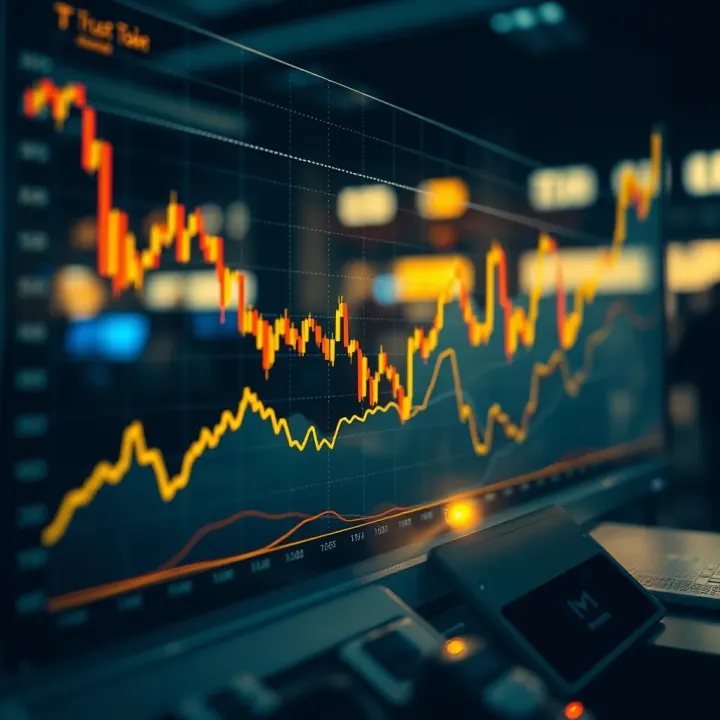
🔍 Explore detailed TWT price predictions and market trends, plus key tips for Nigerian investors to navigate Trust Wallet Token’s future with confidence.📈

📊 Explore vet price prediction insights for investors & pet owners in Nigeria. Learn about price influences, forecasting methods, and smarter financial choices.
Based on 12 reviews