

Will Bitcoin Rise Again? A Clear Look
📈 Curious if Bitcoin will rise again? Explore key trends, tech updates, and expert insights shaping its future—perfect for Nigerian crypto enthusiasts! 🇳🇬
Edited By
Oliver Davies
Libertex has become a notable name among Nigerian traders and investors interested in cryptocurrency, especially bitcoin mining. However, there’s often confusion about what Libertex actually offers in relation to bitcoin mining activities. Understanding this distinction is essential before committing any funds, particularly in a market as volatile and regulated as Nigeria’s crypto space.
Libertex is primarily a multi-asset trading platform, allowing users to speculate on various financial instruments including cryptocurrencies through Contracts for Difference (CFDs). Unlike traditional bitcoin mining, where hardware solves complex algorithms to validate transactions and earn new bitcoins, Libertex doesn’t provide direct involvement in the mining process. That means you won’t be running mining rigs or joining mining pools via Libertex.
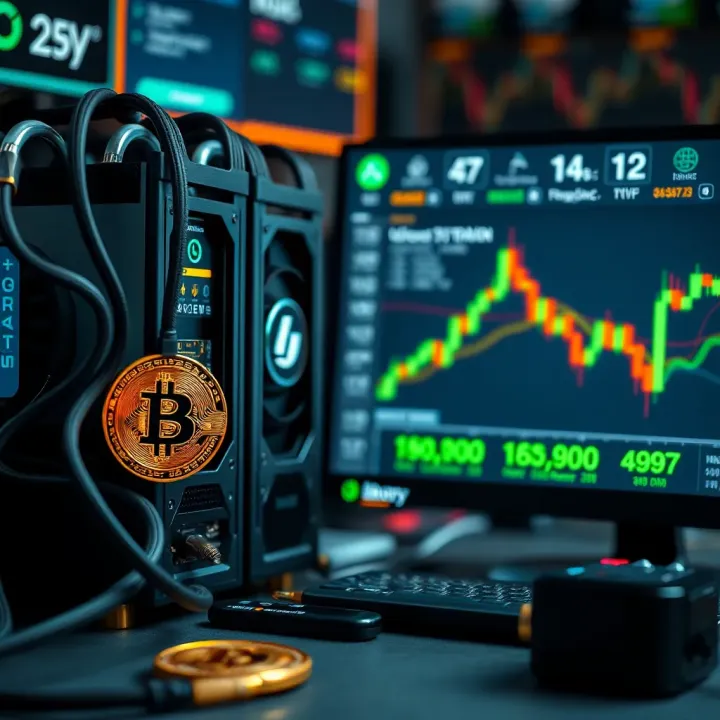
Instead, Libertex enables exposure to bitcoin price movements without owning the underlying asset. For Nigerian investors, this offers easier access without the technical burdens or high energy costs associated with mining. Mining bitcoin in Nigeria can be quite expensive due to unstable power supply and high generator fuel costs. Libertex bypasses these challenges by letting traders engage through CFDs, which reflect bitcoin’s price but involve no actual mining activity.
It’s important for investors in Nigeria to recognise that trading bitcoin CFDs is not the same as mining bitcoin. Each comes with its own risk profile and operational requirements.
For investors seeking to understand the tech involved, bitcoin mining demands specialised hardware called Application-Specific Integrated Circuits (ASICs) and software to maintain the blockchain. In contrast, Libertex’s technology focuses on real-time price feeds, leverage, and risk management tools suited for trading.
Libertex does not offer direct bitcoin mining services or hosting.
Exposure to bitcoin through Libertex is via trading derivatives dependent on bitcoin’s market price.
The platform removes the need for costly mining equipment and power consumption.
Risks remain high due to bitcoin’s price volatility and CFD leverage.
In sum, Libertex serves as a trading venue rather than a mining operator. For Nigerians interested in bitcoin mining, joining dedicated mining pools or purchasing mining rigs remains the route. Traders looking for price exposure without mining hassles will find Libertex’s approach more accessible but need to remain cautious of CFD trading risks.
Understanding Libertex’s structure and what it offers is vital, especially when evaluating its involvement in bitcoin mining or cryptocurrency trading. For traders and investors in Nigeria, Libertex represents an alternative platform to access global digital assets without the burdens of ownership complexities. This overview highlights key points relevant for discerning Libertex’s role in Nigeria’s growing crypto space.
Libertex was established in 1997, gaining recognition as a reliable online trading platform with a presence in over 27 countries. It quickly built a reputation for offering forex and CFD (Contracts for Difference) trading. The platform’s longevity and regulated status make it a trusted choice for users seeking a straightforward entry into online trading, including crypto assets.
In recent years, Libertex expanded its services to include cryptocurrencies, responding to increasing global demand. For Nigerian investors browsing options beyond local exchanges, Libertex offers access to international markets and assets, including bitcoin and other cryptos.
Libertex primarily provides CFD trading, allowing users to speculate on price movements of various assets without owning the underlying commodity. This includes forex, stocks, commodities, indices, and cryptocurrencies. For example, instead of holding bitcoin tokens, traders buy or sell CFDs on bitcoin to profit from price fluctuations.
This model suits investors who want exposure without the technical or security challenges of holding actual coins — a major convenience in the Nigerian context where digital wallets and exchanges can be complex or unfamiliar.
Libertex has steadily attracted Nigerian users by offering a seamless online experience and a platform that accepts local payment methods. While not originally created with Nigeria as a primary market, its ease of access and multi-language support appeal to Nigerians interested in diversifying their investment portfolio.
Given Nigeria’s regulatory landscape, which remains cautious about direct crypto ownership, Libertex’s CFD approach presents an attractive avenue. It offers Nigerians a way to engage with bitcoin price movements legally and efficiently.
Libertex supports trading of popular cryptocurrencies such as bitcoin (BTC), ethereum (ETH), ripple (XRP), and litecoin (LTC) through CFDs. This enables traders to take positions on rising or falling prices without needing to manage wallets or private keys.
For instance, a Nigerian trader can speculate on bitcoin’s price surge during a global rally via Libertex, without worrying about buying on a local exchange or storing bitcoin securely.
It is essential to grasp that Libertex does not offer bitcoin mining services. Mining involves verifying bitcoin transactions on the blockchain using specialised hardware and earning block rewards. Libertex’s core is trading — allowing exposure to bitcoin’s price but not participating in its mining process.
This distinction matters to Nigerian investors seeking to understand whether Libertex provides direct access to bitcoin mining profits or only market-based speculation opportunities. Engaging with Libertex means trading price movement, not mining crypto directly.
Libertex simplifies cryptocurrency trading for Nigerians by letting them focus on market trends and potential profits without the technical and financial burdens mining requires.
This clarity helps users manage expectations and choose paths that align with their investment goals and technical capacity.
Understanding the basics of bitcoin mining is essential for anyone looking to grasp how platforms like Libertex relate to cryptocurrency. Mining plays a key role in maintaining the bitcoin network's integrity by verifying transactions and adding them to the blockchain. This process demands significant resources, technical know-how, and careful consideration, especially for Nigerian investors weighing participation.
Bitcoin mining is the backbone of blockchain verification. Every transaction made on the bitcoin network must be recorded and confirmed to prevent fraud. Miners gather recent transaction data into a "block" and solve complex mathematical puzzles, a process called proof-of-work, to validate and add this block to the blockchain. This way, the system ensures transactions are genuine and prevents double-spending without relying on a central authority.
For example, when you transfer bitcoin to someone else, miners verify that you have enough bitcoin to send and that you haven't spent it elsewhere. This trustless verification builds confidence in the currency's security and is critical for all users.
Mining requires powerful hardware to solve these complex puzzles efficiently. Early on, miners could use ordinary laptops, but today, specialised machines known as ASICs (Application-Specific Integrated Circuits) dominate the scene due to their superior speed and energy efficiency. GPU rigs remain an option but are mostly for altcoin mining now.
In Nigeria, setting up an ASIC mining rig can be costly upfront, requiring considerations for sourcing quality equipment, dealing with import duties, and ensuring reliable power supply. Computational speed directly affects how likely a miner is to solve puzzles first and earn rewards.
Miners get rewarded for their efforts with newly minted bitcoins (block rewards) plus transaction fees from the validated transactions included in blocks. Currently, the reward halves roughly every four years (known as halving), making mining progressively challenging and potentially less profitable without scale or low costs.
This reward system encourages miners to maintain the network securely and fairly, but it also means that profitability depends sharply on factors like electricity costs, hardware efficiency, and bitcoin market prices.
Bitcoin mining is energy-intensive, with large mining operations consuming megawatts of electricity. Nigerian miners face the dual challenge of often unreliable grid power and high generator fuel costs. A small mining rig running 24/7 can rack up a considerable power bill, cutting into profits quickly.
Electricity cost is a primary factor Nigerian miners must evaluate before investing in mining rigs. For many, inconsistent power supply means using generators, raising operational costs by several folds.
The huge electricity demand has raised environmental questions worldwide, particularly where fossil fuels generate power. Mining's carbon footprint is under scrutiny, pressing miners to consider renewable energy or even greener cryptocurrencies. For Nigeria, which grapples with power and environmental challenges, this is a relevant concern for responsible investing.
Solo mining has become increasingly difficult due to competition with large mining farms globally. Technical skills are needed for setting up, maintaining, and troubleshooting mining rigs and software. Many individual Nigerian miners opt to join mining pools to combine their computational power and improve chances of rewards.
Joining a mining pool allows small-scale miners to earn more stable income by sharing rewards based on contributed computing power.
Still, pool fees, internet reliability, and payout mechanisms can be hurdles.
This section highlights that bitcoin mining is not just about ownership but about participating in network security with real costs and technical demands. For Nigerian investors, understanding these fundamentals helps clarify what platforms like Libertex can offer—whether direct mining exposure or trading opportunities—and whether mining is a practical option locally.
Libertex does not directly participate in bitcoin mining. Instead, it mainly functions as an online trading platform offering access to various financial instruments, including cryptocurrencies. This distinction is relevant because many investors, especially in Nigeria where bitcoin interest is high, may confuse crypto trading with actual mining. Understanding Libertex’s role helps clarify what users can expect and how they can benefit or face limitations.
Libertex specialises in trading services, providing users access to Contracts for Difference (CFDs) on bitcoin and other cryptocurrencies. This means investors can speculate on bitcoin price movements without owning the underlying asset or engaging in mining activities. The platform also offers features like leverage trading, allowing for amplification of potential gains (and losses). For Nigerian investors, this simplifies entry into crypto markets because there’s no need to handle mining hardware or face the high electricity costs associated with running mining rigs.
Mining bitcoin involves verifying transactions by solving complex algorithms using specialised hardware. This process secures the blockchain and earns the miner rewards in bitcoin. Trading on Libertex, by contrast, involves buying and selling derivatives tied to bitcoin’s price. Investors profit if they accurately predict price moves but don’t contribute to blockchain maintenance or earn new bitcoins through mining rewards. For many Nigerians, trading is the easier, more accessible option, but it doesn’t provide the same technical involvement as mining.
Through CFDs and derivatives on Libertex, investors get exposure to bitcoin’s price without direct mining involvement. This means they can benefit from market fluctuations fueled by mining activities worldwide. For example, if mining difficulty increases and supply tightens, leading to price changes, traders on Libertex can gain or lose based on these movements. However, this indirect link means they miss out on mining’s block rewards, focusing instead on price speculation.
Libertex sometimes partners with fintech companies or payment services to enhance crypto trading options. While these partnerships may indirectly connect users to broader crypto infrastructure, including wallets or crypto exchanges, they don’t translate to mining facilities. Nigerian users should see Libertex as a gateway for crypto assets trading rather than mining operations or hosting.
For Nigerian investors, the indirect exposure through Libertex offers several advantages. It lowers entry barriers by eliminating the need for expensive mining hardware or managing power supply issues – a big concern given Nigeria’s electricity challenge. Also, Libertex’s localised payment methods and regulatory compliance make trading relatively straightforward. Still, investors should remember they don’t earn new bitcoins from mining rewards; profits depend solely on trading success and market conditions.
Understanding Libertex’s role helps Nigerian investors make informed choices. Trading on such platforms is about price speculation and access, not mining mining’s technical complexity or rewards.
Libertex offers bitcoin trading through CFDs, not direct mining.
Trading allows exposure to bitcoin price movements without owning the asset.
Bitcoin mining involves specialised hardware and network validation, which Libertex does not provide.
Nigerian investors benefit from trading crypto derivatives without the mining setup and energy costs.
There is an indirect link to mining through price effects on bitcoin CFDs.
Libertex's partnerships improve trading ease, but without offering mining services.
For practical participation in bitcoin mining, Nigerians need separate setup beyond Libertex.
Bitcoin mining offers unique chances and challenges for Nigerian investors, especially when accessed via platforms like Libertex. Understanding these opportunities and risks is key to navigating Nigeria’s rapidly evolving crypto landscape and making informed investment choices.
Engaging with bitcoin through Libertex opens the door to international crypto markets without the need for physical mining infrastructure. This is especially useful in Nigeria, where direct access to crypto assets can be patchy due to banking restrictions and currency controls. Libertex allows investors to trade bitcoin and other cryptocurrencies with derivatives and Contracts for Difference (CFDs), giving Nigerians a chance to benefit from price movements globally.
Traditional bitcoin mining involves significant investments in hardware like ASIC miners, which can cost hundreds of thousands of naira and demand reliable electricity—a major challenge in Nigeria. Libertex provides a way to participate indirectly through trading or investing in mining-related products without the need for expensive rigs or technical know-how. This lowers the barrier to entry, making bitcoin exposure more accessible.
Adding bitcoin or crypto-related assets to an investment portfolio can improve diversification, given bitcoin’s low correlation with traditional equities or bonds. Nigerian investors exposed to inflation and naira volatility may find value in diversifying through bitcoin trading on Libertex. This offers a hedge against currency depreciation and presents new growth opportunities outside Nigeria’s usual stock or real estate markets.
Cryptocurrency prices fluctuate wildly; bitcoin can rise or fall by double-digit percentages within days. Nigerians who invest without sound risk management may face heavy losses. Unlike regular stocks, bitcoin’s price reacts strongly to global news, regulatory shifts, and market sentiment, so investors must prepare for sharp swings and avoid speculative decisions driven by hype.
Nigeria’s stance on cryptocurrency remains uncertain, with the Central Bank of Nigeria (CBN) restricting crypto transactions in banks since 2021, though not banning ownership or trading outright. This regulatory grey area poses risks—users could face difficulties in converting profits to naira or accessing banking services. Staying updated on SEC regulations and CBN circulars is vital.
Choosing a trustworthy platform matters given widespread scams in Nigeria’s crypto scene. Libertex enjoys some global recognition but Nigerians should confirm its regulatory compliance and security features before depositing funds. Protecting your account with strong passwords and two-factor authentication can help prevent hacks, which have affected less secure local exchanges.
One of the biggest barriers to direct bitcoin mining in Nigeria is unreliable electricity and high generator fuel costs. Frequent outages force miners to rely on petrol or diesel generators, raising operating costs and cutting into profits severely. This challenge makes platforms like Libertex attractive as they sidestep the need for physical mining.
A stable internet connection is essential for mining and trading cryptocurrencies. However, many Nigerian areas still face inconsistent broadband and mobile data service, causing disruptions. Poor connectivity can lead to missed trades or lost mining rewards, so users must prioritise reliable internet access.
Converting bitcoin earnings to naira remains tricky due to foreign exchange controls and bank restrictions. Remittance delays or unfavourable exchange rates can eat into profits for Nigerian users withdrawing from Libertex or other platforms. Using trusted local exchanges and following regulatory guidelines can mitigate this problem.
Nigerian investors eyeing bitcoin mining through platforms like Libertex should weigh these opportunities against the local operational and regulatory realities. Careful planning and risk management are key to making the most of crypto’s potential here.
Setting up for bitcoin mining in Nigeria demands careful planning, especially because of local challenges like unreliable power supply and fluctuating internet connectivity. Those keen to venture into mining must understand not only the technical requirements but also the economic realities, so they don’t find themselves stuck in costly setups without returns. This section breaks down the essentials for Nigerian miners, helping them navigate the landscape with practical knowledge.
Bitcoin mining hinges largely on specialised equipment known as mining rigs. These often come in two primary types: GPU (graphics processing units) and ASIC (application-specific integrated circuits). GPU rigs use powerful graphics cards originally designed for gaming but also capable of mining; they're versatile and can mine different cryptocurrencies. Meanwhile, ASIC machines focus solely on bitcoin mining, are much faster, but costly and less flexible. In the Nigerian context, many prefer GPUs for their relative affordability, but ASICs offer better returns for those with access to consistent power and good cooling systems.
Joining a mining pool is another important step. Pools combine computing power from miners around the world, improving the chance of earning consistent rewards. Instead of waiting ages to solve a block alone, miners share the rewards more regularly based on contributed computing power. Nigerian miners especially find pools attractive because solo mining often leads to long waits and expensive electricity bills. Common pools like Slush Pool or F2Pool allow Nigerian miners to participate even with modest equipment.
After mining bitcoins, the next critical step is wallet setup. Nigerians should select wallets that support local regulations and ease of use, such as mobile wallets from platforms like Binance or Trust Wallet. A wallet securely stores the mined bitcoins and allows easy transactions. Given Nigeria's growing scrutiny on cryptocurrency flows, choosing wallets with good security features and regulatory compliance is vital to reduce the risk of losing funds or facing legal complications.
Mining costs in Nigeria are steep. Upfront investment includes buying the mining rig, cooling equipment, and reliable internet setup. Ongoing expenses cover electricity, which is often the biggest drain due to frequent NEPA/DISCO outages forcing miners to rely on generators. For example, a moderately powered ASIC setup might cost upward of ₦2 million upfront, while monthly electricity and diesel bills can reach ₦50,000 or more, depending on usage.
Understandably, profit margins fluctuate with bitcoin prices and electricity expenses. Break-even points for Nigerian miners tend to be longer than for counterparts in countries with cheaper electricity. To make mining worthwhile, miners need to run efficient rigs, join pools, and track energy consumption closely. Calculating these figures before investing guards against losses and unrealistic expectations.
For those hesitant about the mining rig hassle, Libertex offers alternative ways to benefit from bitcoin’s price movements without direct mining. Through trading bitcoin CFDs (contracts for difference) on Libertex, Nigerians can access market exposure with lower upfront costs and no need for technical setup. This route suits investors focused on price speculation rather than the technicality of mining hardware.
Setting up bitcoin mining in Nigeria isn’t just about technology; understanding costs, pooling options, and wallet security helps investors avoid common pitfalls while aiming for worthwhile returns.
📈 Curious if Bitcoin will rise again? Explore key trends, tech updates, and expert insights shaping its future—perfect for Nigerian crypto enthusiasts! 🇳🇬

💰 Learn how to convert $10 to Bitcoin in Nigeria! Step-by-step tips on trusted platforms, fees, security, and smart investing with small amounts.

Explore Bitcoin's potential rise in Nigeria 🇳🇬 by examining market trends, economics, tech updates, and investor actions influencing its next move 📈💡

Discover how female Bitcoin traders in Nigeria use binary names to shape personal branding, boost security 🔐, and navigate a male-dominated crypto world 💻💰.
Based on 12 reviews