

Will the Dollar Rate Rise Next Week in Nigeria?
📈 Curious about the dollar rate in Nigeria next week? Find out how economic trends, government policies, and market signals might impact the Naira-Dollar exchange.
Edited By
Jack Wilson
When it comes to the Nigerian foreign exchange market, everyone’s watching the US dollar rate like a hawk. Whether you're a trader hedging your bets, an investor planning your next move, or a financial analyst crafting reports, knowing what might happen to the dollar rate next week is key. Small shifts can send ripples across the market, influencing business decisions and investment strategies.
This piece takes a clear-eyed look at what’s likely to push the dollar rate up or down in Nigeria over the coming days. We’ll cut through the noise and unpack the main factors at play — from local economic indicators and government policies to global events and international market vibes. No fluff, just straightforward analysis you can actually use.
Understanding these dynamics isn’t just for big players. With Nigeria’s economy and forex market so tightly interwoven, even small changes can impact importers, exporters, and everyday consumers. Plus, with ongoing questions around liquidity in the official forex market and the persistent demand from the parallel market, it’s a complex dance.
By the end of this article, you’ll have a sharper sense of what signs to watch for and what they could mean for the dollar’s movement next week.
Understanding the current state of the dollar exchange rate in Nigeria is fundamental for anyone involved in trading, investing, or economic analysis. This rate directly influences import and export businesses, affects inflation, and guides central bank policies. Knowing where the rate stands right now gives context to what might happen next week and helps stakeholders make informed decisions.
Lately, the naira-dollar exchange rate has shown some noticeable ups and downs. For instance, the rate moved from about ₦460 to ₦470 per dollar in the past few weeks, a shift driven by changing market demands and supply constraints. This volatility matters because small jumps affect pricing for imported goods almost immediately, impacting everything from electronics to medical supplies. Traders need to watch these shifts closely, especially in the parallel market where rates can differ significantly from the official Central Bank figures.
Several economic factors recently stirred the exchange rate pot. For example, Nigeria's inflation ticked upwards, pressuring the naira to weaken against the dollar. At the same time, delays in oil revenue inflows—Nigeria being heavily reliant on oil exports—contributed to reduced forex availability. Events like these tighten the forex market, meaning businesses and consumers pay more for dollars, stretching their budgets thinner. For forex traders, understanding these economic backdrops helps in anticipating market reactions before they happen.
When comparing the dollar to the euro and the British pound, the dollar often remains the benchmark due to its global dominance. However, the euro and pound also fluctuate based on their own regional economic situations. For instance, if the Eurozone shows stronger economic data or resolves a political challenge, the euro might strengthen against the naira, sometimes outperforming the dollar temporarily. Traders looking beyond just the dollar should keep tabs on these currencies as well because Nigerian importers and exporters often deal with multiple foreign currencies.
It's also useful to look at how the naira stacks up against other African currencies like the South African rand or the Ghanaian cedi. While the naira has faced pressure recently, the rand's value has lagged due to local economic challenges, making it relatively weaker. Such regional comparisons offer insights on the naira's relative strength within the continent, which can influence investment decisions and cross-border trade strategies. For example, a stronger naira relative to the cedi may encourage Nigerian businesses to expand purchase agreements with Ghanaian suppliers.
Staying updated on the current exchange rate conditions helps both businesses and traders prepare smarter strategies and avoid unwanted surprises as they navigate Nigeria's complex forex market.
Understanding the key factors that influence the dollar exchange rate in Nigeria is essential for anyone involved in trading, investment, or financial planning. These factors shape the short-term fluctuations of the currency and offer clues about what might happen in the coming weeks. Next week's dollar rate will not move in a vacuum—it will respond to a blend of economic signals locally and abroad, government decisions, and global market conditions.
Getting a grip on these elements helps traders and investors avoid surprises and make smarter moves. Whether you're a forex broker managing client funds or a business owner planning imports, knowing what drives the naira-dollar rate can save time and money.
Inflation directly affects the real value of the naira versus the dollar. When consumer prices rise sharply, the purchasing power of the naira diminishes. This loss of value typically pushes demand for dollars higher as people and businesses seek stability against a weaker local currency.
For example, if Nigeria’s inflation rate jumps to 18% from 14% in recent months, importers will likely need more dollars to pay for goods priced abroad, pushing the dollar's value up. Watching the monthly inflation figures from the National Bureau of Statistics can hint at this pressure.
Central bank interest rates guide where investors put their money. A hike in Nigeria's Monetary Policy Rate (MPR) often strengthens the naira because higher returns attract foreign capital. Conversely, if the Central Bank of Nigeria (CBN) keeps rates low or cuts them, it may reduce forex inflows and pressure the naira.
Keeping an eye on Monetary Policy Committee (MPC) statements and interest rate announcements helps predict if the central bank aims to rein in inflation or stimulate growth, both of which impact demand for dollars.
The balance of trade, showing imports versus exports, influences how many dollars come into or leave Nigeria. A trade deficit means more naira are exchanged for dollars to pay for imports, increasing dollar demand and exchange rate pressure.
For example, if Nigeria’s oil exports fall but imports rise, this gap puts upward pressure on the dollar rate. Monitoring trade reports from customs and the National Bureau of Statistics gives a snapshot of these flows.
Regulations such as limits on dollar access, prioritization for essential imports, or forex market controls can drastically sway the dollar rate. The CBN has, at times, restricted banks from selling dollars for certain imports or tightened rules around Diaspora remittances.
Such interventions can create scarcity or excess of dollars in the market, causing sudden spikes or drops in the exchange rate. Staying updated on official policy changes and market reactions is critical.
Beyond specific rate changes, the overall stance of monetary policy—whether tightening, easing, or neutral—influences currency expectations. If the CBN signals upcoming tightening to combat inflation, investors might buy naira in anticipation, stabilizing the exchange rate.
On the other hand, a dovish stance indicating prolonged low rates might weaken naira demand, bolstering the dollar.
The dollar’s strength worldwide ties closely to US economic data like employment figures, GDP growth, and Federal Reserve decisions on interest rates. Strong US results usually make the dollar more attractive, putting upward pressure on the exchange rate against the naira.
For instance, a solid jobs report from the US in the coming week could trigger dollar buying, impacting Nigeria's foreign exchange scene.
Nigeria’s economy heavily depends on oil exports, so oil price swings directly affect forex earnings. Higher oil prices mean more dollars flowing into Nigeria, helping support the naira. Conversely, a drop in crude prices reduces forex inflows and can cause the dollar rate to rise.
Traders should watch global crude benchmarks like Brent or WTI for signs of shifts.
Events like conflicts, trade disputes, or sanctions can rattle global currency markets. For Nigeria, tensions impacting oil supply routes or US-Nigeria relations can influence investor confidence and dollar demand.
These unpredictable factors often cause sudden currency moves, so keeping tabs on news from credible sources is vital.
To get ahead in managing forex risk next week, focus on inflation reports, central bank signals, trade data, and global news. These key factors will give a clearer picture of where the dollar rate is headed and help you plan accordingly.
Supply and demand are the backbone of the foreign exchange market, directly shaping the value of the naira against the dollar. In Nigeria, these forces become even more visible because the local economy heavily depends on imports and foreign currency inflows. Understanding how supply and demand operate here is essential for traders, investors, and financial analysts aiming to predict the dollar's next move.
The forex market isn’t just a random seesaw; it's a dynamic interaction where every bit of demand for dollars—from businesses to ordinary Nigerians—affects pricing. When dollar demand rises, without a corresponding increase in supply, the dollar price climbs. Conversely, when supply exceeds demand, the dollar weakens against the naira.
Nigeria's foreign exchange reserves act like a buffer against sudden shocks. Recently, the Central Bank of Nigeria (CBN) has been careful not to let reserves dip too low, recognizing that a falling reserve signals vulnerability. When reserves shrink, it suggests less foreign currency is available to meet demand, which can scare markets and push the naira down against the dollar.
For example, if the CBN’s reserves drop rapidly due to heavy intervention in the FX market, traders may anticipate future scarcity of dollars, leading to a self-fulfilling rise in the dollar rate. Monitoring the daily reserve reports published by the CBN can give useful hints about potential rate shifts.
The reserves directly influence how much control the CBN can exert over the naira-dollar exchange rate. A healthy reserve of dollars allows the bank to pump supply into the market during times of high demand, stabilizing or even lowering the dollar rate.
In contrast, low reserves mean less capacity to intervene, and the naira becomes more susceptible to dollar appreciation. So, keeping a close eye on the reserves' levels helps traders understand the extent of the central bank’s power to curb or boost the dollar rate in the short term.
Demand for dollars from businesses and importers forms a large chunk of the total forex demand in Nigeria. Firms importing machinery, raw materials, or consumer goods often need dollars to pay foreign suppliers. When these import demands surge, for instance ahead of a festive season or economic recovery phase, the dollar rate tends to climb due to heightened demand.
One practical example is the automotive industry, which frequently requires foreign currency to bring in vehicle parts. If the Naira weakens, these costs go up, putting pressure on importers to secure more dollars, which can further push the rate higher.
On the flip side, remittances from Nigerians abroad introduce fresh dollars into the market, creating additional supply. Countries like the UK, US, and Canada contribute significantly to Nigeria’s forex inflow through diaspora transfers.
When remittances increase, they ease pressure on the local forex market by boosting dollar availability. For instance, during holiday times when more Nigerians abroad send money home, the naira might strengthen or stabilize because of this influx.
For anyone tracking the naira-dollar exchange rate, understanding the balance between importers' demand and remittance supply offers valuable insights into possible short-term trends.
In summary, supply and demand forces in Nigeria’s forex market hinge heavily on central bank reserves and dollar demand patterns—especially from importers and diaspora remittances. These elements serve as practical indicators for anticipating shifts in the dollar rate for next week and beyond.
Understanding the potential shifts in next week's dollar rate in Nigeria is key for traders, investors, and finance pros who need to stay ahead of currency fluctuations. This section looks closely at forces that could make the dollar climb or keep it in check. Grasping these scenarios isn’t just about guessing numbers—it helps market players craft strategies based on real factors driving demand and supply.
When businesses ramp up imports, the demand for dollars naturally surges. For example, if Nigerian companies anticipate a spike in raw material needs due to returning consumer confidence or upcoming festive seasons, they might buy more dollars to pay foreign suppliers. This higher demand makes dollars more expensive relative to the naira. Imagine a local tech firm suddenly importing expensive chips from the US; they’ll need dollars upfront, pushing the rate higher.
An important consideration is how these moves impact traders waiting to purchase forex at a perceived lower rate. Knowing import demand spikes helps traders anticipate upward pressure and plan their trades accordingly.
Nigerian forex reserves act as a safety net, cushioning sharp dollar swings. When reserves drop, the Central Bank has fewer dollars to sell, which tightens supply. For example, if oil revenue—which feeds reserves—falls unexpectedly, it can speed up reserve depletion. Without enough reserves, the Central Bank cannot meet all forex demands, nudging the dollar price upwards.
This scenario is critical because low reserves signal vulnerability in the currency market, making investors jittery. Keeping an eye on weekly reports from the Central Bank on reserve levels can offer early warnings of this pressure.
Government and Central Bank policies can be real game-changers. If the Central Bank decides to boost dollar supply by selling from its reserves or enforces stricter controls on forex use, the market can stabilize. For instance, during periods of pressure, the apex bank might intervene by setting official rates or limiting speculative trading to avoid chaos.
These moves can calm jittery investors and traders, preventing steep rate hikes. Staying informed about such interventions through regular bank statements and financial news is crucial for making timely decisions.
When Nigeria exports more than it imports, dollars flow steadily into the country, easing pressure on the naira. Take the example of a bumper oil export season combined with increased agricultural exports; these bring in more foreign currency, boosting reserves and easing demand for dollars on the market.
A positive trade balance means more dollars are available domestically, which can suppress or stabilize the exchange rate. Keeping an eye on trade reports and commodity prices like crude oil gives traders and businesses insight into this trend.
In short, the dollar rate next week will likely respond strongly to how import demand, foreign reserves, policy moves, and trade balance evolve in real time. Traders and investors who monitor these will be better positioned to manage risks and spot opportunities.
Weekly forex reserve announcements from the Central Bank of Nigeria
Importers’ activity and major sector buying trends
Government policy statements on currency regulation
Nigeria’s trade data and global oil price updates
Keeping these factors in mind helps make sense of what’s fueling dollar movements beyond simple speculation.
Changes in the dollar exchange rate have a direct ripple effect on various parts of Nigeria's economy. Since the naira-dollar rate can influence everything from how much consumers pay for imported goods to the competitiveness of Nigerian exports abroad, understanding this impact is key for traders, investors, and businesses alike. A shift in the dollar rate doesn’t just shuffle numbers; it affects the prices of everyday items, business costs, and even inflation, which in turn influences decisions made across the economic landscape.
When the dollar rate climbs, importing goods becomes more expensive because businesses need more naira to buy the same amount of foreign currency. This often leads to higher prices for imported products like electronics, medicines, and food items. For example, a sudden increase in the dollar rate might push the cost of imported rice or smartphones up, as importers pass these costs onto consumers. This is significant because Nigeria relies heavily on imports for many essential items, so a weak naira can quickly make day-to-day goods pricier.
Rising prices of imports usually feed into higher inflation rates, making the cost of living tougher on average Nigerians. When the price of essentials like cooking oil or flour spikes due to a weaker naira, households feel the pinch immediately. Inflation also means people's money doesn’t stretch as far, translating to tighter budgets for families. This situation can lead to reduced spending in other areas, slowing economic growth and affecting consumer confidence.
A higher dollar rate can make Nigerian exports cheaper and more attractive on the global market since foreign buyers get more naira value for their dollars. This can benefit exporters of products like cocoa, oil, and agricultural goods, improving their revenue potential. However, this advantage depends on stable supply chains and product quality. If exporters manage their costs well, a favorable exchange rate can boost foreign earnings and help balance trade deficits.
Conversely, companies relying on imported raw materials or equipment face a hurt when the dollar rate rises; their input costs swell, squeezing profit margins. For instance, manufacturers that source machinery parts or chemicals from abroad see expenses jump, forcing them to either hike product prices or absorb losses. This situation can lead to decreased competitiveness domestically unless businesses find ways to localize production or hedge against currency risk effectively.
Understanding the nuanced effects of dollar rate changes helps businesses and investors plan better. It’s not just about the number on the exchange board but how those numbers trickle down into everyday economic activities and decisions.
From importers to exporters, consumers to business strategists, keeping an eye on the dollar rate equips you to navigate Nigeria’s economic tides with more confidence and less guesswork.
Keeping a close eye on the dollar exchange rate is essential for traders, investors, and businesses operating in Nigeria. Since the naira-dollar rate can shift quickly due to a mix of local and global factors, having timely and accurate information helps in making smarter decisions that can save money or secure profits. With the right tools and sources, staying on top of exchange rate changes isn't a headache—it becomes part of your regular routine.
The Central Bank of Nigeria (CBN) remains the most authoritative source for official exchange rates. Their regular updates provide the benchmark rate used by banks and official forex markets. Traders can monitor the CBN’s press releases and website announcements to get an accurate pulse on policy changes or interventions in the forex market. For example, if CBN decides to tweak its forex sales or tweak monetary policies, those changes show up first in these updates. Relying on central bank data reduces the risk of basing decisions on rumors or unofficial figures.
Nigerian financial news websites and broadcast networks like BusinessDay, The Guardian Nigeria’s business section, and Channels Television finance segment offer quick summaries and analyses of current forex movements. These platforms often contextualize currency changes with related economic news—like inflation reports or oil price shifts—that might affect the naira-dollar rate. Getting daily or weekly briefings here lets traders anticipate trends before market close, helping them decide whether to buy, sell, or hold.
Apps like XE Currency Converter and OANDA provide up-to-the-minute exchange rates, which are handy for anyone needing quick checks on the go. These apps allow users to track multiple currencies alongside the dollar and set alerts for specific rate thresholds. For Nigerians working with dollars daily or planning transactions, having these apps on their phones means they never miss an opportunity. Plus, they can compare rates easily between official and parallel markets to spot discrepancies.
Websites dedicated to forex, such as Investing.com or Forex Factory, provide in-depth tools like live charts, news feeds, and technical analysis indicators. These platforms cater to seasoned traders who want more than just rates—they offer trend analysis, historical data, and predictions based on economic events. For instance, if you're watching how US Federal Reserve announcements might impact the dollar, these sites package all relevant info in one place. Using these resources alongside local data gives a fuller picture and better strategic insights.
Staying updated on dollar exchange rates requires blending official updates with real-time tools and trusted news sources. This approach minimizes surprises and equips you with knowledge to act swiftly in Nigeria’s dynamic forex environment.
This practical approach to tracking will arm professionals—from traders to business owners—with the info needed to navigate currency volatility confidently.
Dealing with currency volatility is no walk in the park, especially in Nigeria where the dollar exchange rate can swing unpredictably. For both individuals and businesses, having practical strategies to navigate these ups and downs is essential to avoid sudden financial shocks. This section will shed light on how you can brace yourself against these shifts, ensuring stability whether you're planning personal finances or running a business that relies on foreign exchange.
One common way to shield yourself from wild currency rate changes is through hedging. This means using financial tools such as forward contracts, options, or futures to lock in current rates for future transactions. For example, a Nigerian importer expecting to pay for goods next month can use a forward contract to fix the dollar rate now. This prevents surprise spikes that could skyrocket costs. Hedging isn't just for big players; some platforms now let small businesses and individuals tap into these protections without hassle.
Putting all your eggs in one currency basket is risky, especially when the naira and dollar dance erratically. By diversifying holdings across different currencies—such as euros or pounds along with dollars—you reduce your exposure to any single currency’s shock. For instance, if the dollar bumps up sharply, you still have assets or reserves in other currencies that might not be affected the same way. This approach smooths out surprises and gives you more control over how currency moves impact your bottom line.
If you've noticed dollar rates creeping up, it’s smart to revisit your budget. Businesses should adjust cost projections and pricing structures to reflect potential currency costs. For example, an entrepreneur importing electronics might factor in a higher cost of goods sold to guard against exchange rate jolts. Similarly, individuals planning overseas travel or tuition payments should estimate higher expenses when budgeting. This proactive step helps avoid nasty surprises that can upset your financial plans.
Timing is everything when it comes to buying or selling foreign currency. Keeping a close eye on the market and converting money at favorable rates can save a chunk of cash. Consider spreading out exchanges rather than making one big transaction; this technique, known as dollar-cost averaging, minimizes the risk of catching a bad rate. For instance, Nigerian exporters paid in dollars might convert smaller amounts weekly to avoid losing out on sudden exchange dips.
Staying ahead in the currency game means not just reacting to market swings, but setting up your finances to handle shifts smoothly. Whether you’re running a business or managing personal cash, these strategies can make a world of difference.
By mixing smart risk management like hedging, diversifying currency holdings, adjusting budgets, and picking the right moments to exchange, Nigerians can better weather the dollar rate fluctuations ahead.
📈 Curious about the dollar rate in Nigeria next week? Find out how economic trends, government policies, and market signals might impact the Naira-Dollar exchange.
📊 Explore what drives USD/JPY movements—from global politics to Japan and US policies. Get insights tailored for Nigerian traders interested in forex trends.
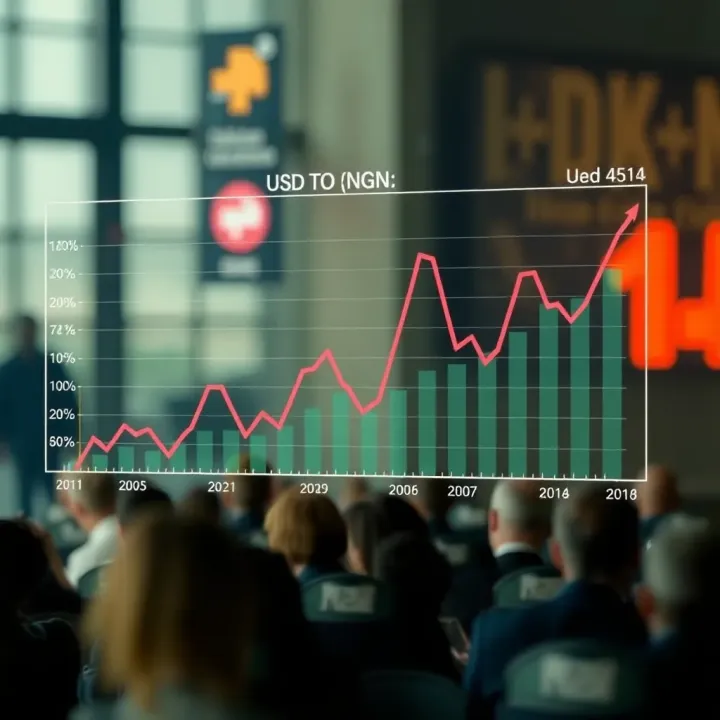
Explore how the USD/NGN exchange rate shapes Nigeria's economy 🇳🇬: impacting trade, inflation, policies, and daily life, plus tips for businesses and individuals 💼📉
Learn how to pick the right leverage for your $10 trading account in Nigeria 📊. Manage risks smartly, choose reliable brokers, and trade confidently.
Based on 5 reviews