
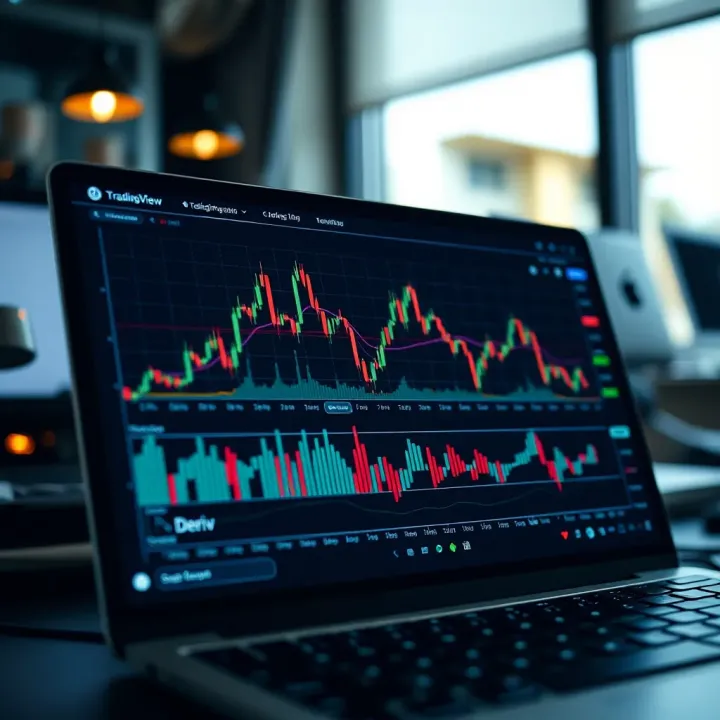
Using TradingView with Deriv: A Guide for Nigerian Traders
📈 Nigerian traders: Master TradingView on Deriv with our clear guide! Set up charts, use indicators, manage risks, and stay ahead in the market.
Edited By
Benjamin Reid
TradingView charts have gained serious traction worldwide, and Nigerian traders are no exception in tapping its power. When combined with the Deriv trading platform, TradingView offers layered charting tools that sharpen market analysis and help you catch better trade setups.
Deriv provides a versatile platform to trade forex, synthetic indices, and commodities, but the native charting tool may feel limited for users craving more advanced technical indicators and drawing capabilities. This is where TradingView integration steps in, allowing you to overlay sophisticated charts directly on your Deriv dashboard.
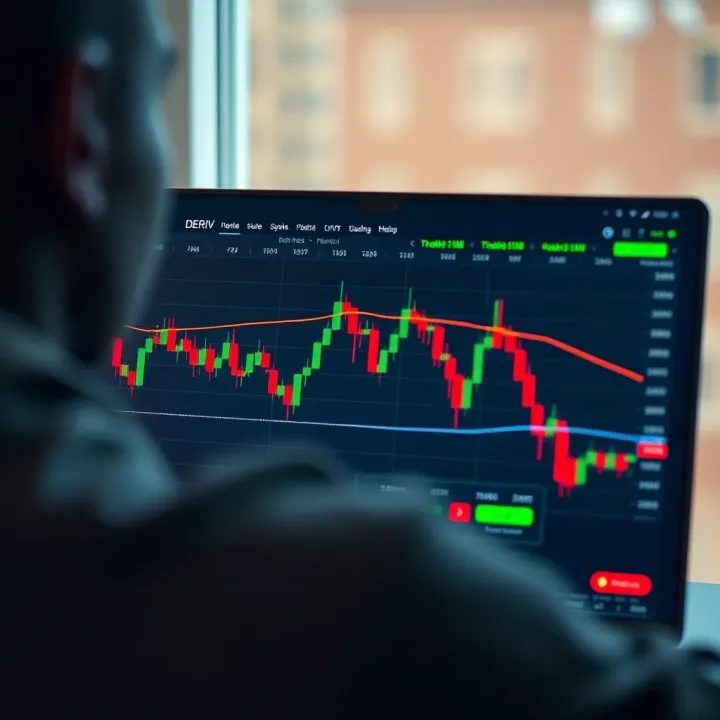
By plugging TradingView into Deriv, you gain access to over a hundred indicators, customisable chart types, and social features where traders share setups. For example, if you're tracking the Nigerian Naira against the US dollar (NGN/USD), you can apply Moving Average Convergence Divergence (MACD) and Relative Strength Index (RSI) together to better time entries and exits.
That said, Nigerian traders should note some hurdles before full adoption. Connectivity issues due to intermittent internet or power outages can disrupt streaming charts. Also, TradingView’s free tier limits some features, so consider your usage patterns carefully.
Connecting TradingView charts to Deriv offers Nigerian traders a valuable boost in technical analysis, but successful use means preparing for local challenges and understanding the tools well.
In the sections ahead, this guide will walk you through how to set up the integration smoothly, explore key features tailored for Nigerian markets, and share practical advice to maximise the trading edge. Whether you’re an experienced trader or just starting, knowing how to blend these platforms effectively is a worthwhile skill.
To sum up, integrating TradingView into Deriv brings an upgrade from basic charting to more nuanced, flexible analysis — essential for navigating the dynamic financial markets in Nigeria and beyond.
Grasping the fundamentals of both Deriv and TradingView is essential before integrating the two platforms. This knowledge helps Nigerian traders use features smartly to improve trading decisions and avoid common pitfalls. Knowing what each platform offers makes it easier to harness their combined power for the local market context.
Deriv offers a straightforward interface tailored for derivative trading, which suits the needs of many Nigerian traders navigating volatile markets. It supports multi-asset trading including forex, indices, commodities, and synthetic indices, allowing flexibility depending on your risk appetite and trading style. For instance, synthetic indices provide 24/7 market access unaffected by external news, something appealing to traders who want to avoid naira volatility issues common in the forex segment.
Deriv also scales well for beginners and experienced traders alike. Its educational resources and demo accounts encourage practice without risking real funds earlier, which is vital since access to formal trading education remains limited in several Nigerian regions.
Deriv provides several account options to suit different trader profiles. The financial account focuses on forex and CFDs, while the synthetic account deals with synthetic indices. This diversity lets traders choose instruments aligned with their investment goals and market outlook.
The platform supports quick deposits and withdrawals in naira, often through local payment options such as bank transfers or e-wallets like OPay and PalmPay. Security measures like two-factor authentication add to safeguarding funds—a major concern for Nigerian traders who often rely on online platforms.
TradingView is famed for its dynamic charting capabilities. Nigerian traders gain access to multiple chart types—candlestick, Heikin Ashi, Renko, and more—each offering unique insights into price action. Its library includes hundreds of built-in technical indicators like RSI, MACD, and Bollinger Bands, as well as the ability to create custom scripts using Pine Script.
This variety lets traders customise their analysis and spot trends or reversals that fit their trading style. For example, a trader focused on short-term forex scalping can use multiple moving averages combined with volume indicators to make quick decisions.
TradingView doubles as a social platform with an active global community sharing trade ideas, strategies, and market analysis. Nigerian traders can follow experienced market watchers, learn from shared charts, or participate in forums tailored to sectors like petroleum or banking stocks.
Access to real-time data from exchanges around the world helps traders react promptly. Since Nigerian market hours can be limiting, having live data feeds empowers traders to explore multiple markets without unnecessary delays.
Integrating TradingView with Deriv brings the best of both worlds: Deriv’s reliable trading execution pairs with TradingView’s superior visual and analytical tools. This means instead of relying solely on Deriv’s inbuilt charts—which may lack advanced indicators or flexible layouts—traders gain a richer, more customisable interface to monitor price movements.
For instance, a Nigerian trader using Deriv for binary options can better time entries and exits by observing trend lines or Fibonacci retracement levels displayed through TradingView. This reduces guesswork and sharpens overall trading precision.
Having enhanced tools at your disposal lets you test and refine strategies more effectively. You can layer multiple indicators on TradingView, backtest strategies through its replay feature, and set customised alerts that trigger before placing trades on Deriv.
Such an approach helps traders avoid emotional decisions that often lead to losses. Imagine a trader noticing a divergence on RSI combined with a support band on TradingView, confirming a strong buy signal to execute on Deriv. This practical blending raises confidence and can improve profit chances despite market uncertainties, including challenges like naira fluctuation.
Being familiar with Deriv’s features and TradingView’s capabilities is not just smart—you need it to maximize your edge in Nigeria’s trading scene.
Integrating TradingView with Deriv can significantly sharpen your trading analysis, especially in the fast-paced world of derivatives. This guide ensures Nigerian traders navigate the setup smoothly, focusing on practical steps rather than vague instructions. Familiarity with this process lets you access advanced charting tools directly within Deriv, saving time and improving your trade execution.
Before linking TradingView charts, your Deriv account must be properly set up and verified. Signing up requires your basic details with a valid email, and Nigerian traders should also provide BVN (Bank Verification Number) and proof of identity for regulatory compliance. Account verification isn’t just a formality; it safeguards your funds and prevents delays during transactions. For instance, without verification, you may face withdrawal restrictions, which is a common issue among new traders.
Deriv’s platform works well on most modern devices, but checking compatibility saves future headaches. Ensure your browser is updated—Google Chrome or Firefox versions released in the last two years tend to offer the best experience. Mobile users should confirm their operating system supports the latest Deriv app versions or use the mobile-friendly web interface. Also, check your internet speed; a stable connection above 2 Mbps usually guarantees smooth integration without lagging charts.
Deriv’s interface features a dedicated section where you can embed TradingView charts seamlessly. After logging in, head to the ‘Charting’ area and select the TradingView widget. The platform’s clean layout simplifies placing these charts beside your trading options, so you don’t need to toggle between tabs constantly. This setup is particularly useful for active traders during volatile periods like ember months when market movements demand quick reactions.
Once embedded, you can tailor TradingView widgets to suit your trading style. Change themes from light to dark to reduce eye strain during late-night sessions, adjust timeframes from minutes to days, or select specific currency pairs and indices relevant to Nigeria’s market or global derivatives. Customising your layout helps focus on the most actionable data, improving decision-making without clutter.
Not all technical indicators apply well to derivatives due to their unique volatility and expiry conditions. Popular choices like Moving Averages, Bollinger Bands, and RSI (Relative Strength Index) offer insights into trend direction and price momentum. Nigerian traders often find combining RSI with Fibonacci retracements helpful in predicting potential reversal points during highly leveraged trades.
Setting alerts for price levels or indicator thresholds ensures you never miss a trading opportunity. Deriv allows alerts configured through TradingView to notify you via email or app notifications. For example, you can set an alert to trigger when the USD/NGN pair breaks a critical support level, enabling timely decisions even if you’re away from your device. This responsiveness is key, especially during periods of naira volatility or unexpected economic announcements.
Proper setup of TradingView integration with Deriv is not a one-time affair but a foundation for smarter trading decisions. Getting it right improves your chances of success and helps you manage risks more effectively in Nigeria’s derivative market environment.
Ensure your Deriv account is verified to avoid operational setbacks.
Confirm platform compatibility to prevent technical disruptions.
Customise charts and indicators to match your unique trading strategy.
Use alerts actively to stay ahead of market moves.
With this solid setup, you’re positioned to take fuller advantage of Deriv’s tools combined with TradingView’s rich analysis features.
To get the best from trading on Deriv, you must fully utilise the features TradingView offers. These tools go beyond simple charts – they provide deep insight into price actions, market trends, and community-driven ideas. Nigerian traders can sharpen their analysis and decision making by learning to use these functions properly.
Different chart types serve distinct purposes in derivative trading. The most common are the candlestick, line, and bar charts. Candlestick charts, for example, give detailed information about opening, closing, highs, and lows within set timeframes. This makes spotting reversals and momentum easier. Meanwhile, line charts simplify trend observation by connecting closing prices, helpful for a quick overview.
For Nigerian traders dealing with forex or commodities on Deriv, understanding these basic charts enables sharper timing of entry and exit points. For instance, during volatile periods like ember months, candlestick patterns such as hammer or engulfing signals can indicate potential price reversals, offering critical clues for risk management.
Trend lines help reveal the general direction of market movements. Drawing correctly on price charts identifies bullish or bearish trends clearly, guiding whether to buy or sell. Support and resistance levels mark price points where assets often reverse or pause, acting as barriers.
Say you’re trading currency pairs like USD/NGN; spotting consistent support around a price allows you to place stop-loss orders just below. If the price fails to break resistance repeatedly, it might signal a good time to take profits. These manual tools add precision beyond automated indicators, essential especially when naira volatility creates sharp price swings.
TradingView’s social platform allows you to view charts and strategies shared by seasoned traders worldwide, including Nigerians active in forex and derivatives. Watching how others analyse indicators or set alerts can broaden your approach, exposing you to fresh techniques.
However, it’s wise not to copy blindly. Instead, use their ideas as a learning tool or starting point. For example, an experienced trader’s annotated chart on gold might highlight key breakout levels you hadn't considered.
Joining discussions within TradingView communities connects you with other traders who face similar market conditions in Nigeria. Asking questions and exchanging ideas help you stay updated on news, patterns, or shifts affecting Deriv markets.
If you spot a big move during ember months or pre-Sallah holidays, discussing it openly might reveal underlying reasons or confirm suspicions. This shared knowledge often proves valuable, especially in fast-moving markets.
TradingView offers various automated trading signals and indicators created by community members. Before relying on any, assess their historical success and alignment with your market focus. Some signals excel at momentum detection but may lag during sideways markets.
Review signal duration and past accuracy. Signals that work well for equity indices on Deriv might not suit forex pairs subject to Nigerian market-specific events like CBN interventions or fuel price changes.
Signals should augment, not replace, your own market reading. Combining personal review with automated alerts strengthens decision-making. For example, after a buy signal, check if it matches your trend line or support level before committing.
This balance helps avoid overtrading or reacting to false alarms, critical to preserving trading capital in the volatile Nigerian context. Keep your strategies flexible to adapt as market conditions evolve.
Using TradingView features wisely inside Deriv lets you play smarter, not harder. By mastering charts, tapping into community wisdom, and carefully weighing signals, you improve your odds considerably. Nigerian traders who apply these tools thoughtfully stand a better chance to thrive despite local market challenges.
Integrating TradingView charts with Deriv can significantly improve your trading analysis, but Nigerian traders may encounter challenges that slow down this process. Troubleshooting these common problems promptly ensures you maintain a smooth workflow and avoid unnecessary losses. Understanding the typical technical snags and data inconsistencies empowers you to react swiftly, especially given the fast-moving nature of derivative markets.
Fixing display or loading issues often arises due to browser incompatibilities or outdated software. For instance, if TradingView charts fail to load or appear distorted on your Deriv dashboard, start by clearing your browser cache and updating to the latest version. Sometimes, browser extensions or ad blockers interfere by blocking scripts essential for chart rendering. Disabling such extensions temporarily can resolve display concerns.
On some occasions, using a different browser such as Google Chrome or Mozilla Firefox can help, as they offer better support for interactive chart tools. Avoid opening heavy tabs or running multiple apps in the background to reduce system load, which can impact loading speed and chart responsiveness.
Handling internet connectivity and latency concerns is crucial for Nigerian traders who often contend with fluctuating network quality. If you experience delayed chart updates or lag in placing trades, it might be your internet speed or stability causing the problem. Using a reliable broadband service or tethering from a mobile network with strong coverage can reduce latency.
At busy trading hours, network congestion may slow down data transmission. Traders should consider using lightweight modes on the Deriv platform or accessing TradingView through less data-intensive settings. Tools like speed test apps help monitor connection health regularly, ensuring you act before network issues interfere critically with your trades.
Understanding differences in price feeds is important because Deriv and TradingView source their market data from different providers. This can lead to slight mismatches in price quotes or chart candles. For example, you might notice a slight variation in the current market price on TradingView compared to Deriv’s live feed.
Such differences arise from delayed updates or data vendor specifics and do not necessarily indicate errors. Nigerian traders should keep this in mind, especially when scalping or executing rapid trades where even minimal price changes matter.
Verifying data accuracy before trading decisions helps avoid costly missteps. Always cross-check critical signals or indicator alerts between platforms before committing funds. For instance, if a buy signal appears on TradingView but is absent on Deriv's native chart, pause to confirm which data stream aligns better with your trading strategy.
This practice reduces overreliance on one source and supports more confident decision-making amidst slight data variance.
Deriv customer support channels provide direct assistance tailored to their platform features. Nigerian traders can reach them via live chat on the website, email queries, or phone calls. Support agents are usually well-informed about integration issues and can guide you through troubleshooting steps or escalate unresolved problems quickly.
Keep your account details and screenshots ready before contacting support to speed up resolution. Timely communication with Deriv helps maintain platform stability, especially during volatile market sessions.
TradingView help centre and community forums offer a wealth of knowledge for both beginners and seasoned traders. The help centre contains tutorials on widget customisation, indicator setup, and known bugs with suggested fixes.
Besides official resources, active forums and social media groups allow Nigerian traders to share experiences and solutions about integrating TradingView with Deriv. Engaging in these communities enhances your support network and keeps you updated on new tips or changes in the integration process.
Quick access to these support systems is not a luxury but a necessity for traders aiming to stay competitive in today’s market.
By anticipating common challenges and knowing how to handle them, Nigerian traders can take full advantage of combining TradingView’s analytical power with Deriv’s trading platform for better outcomes.
Traders in Nigeria face unique challenges and opportunities that should shape how they use Deriv with TradingView. Understanding local market conditions, managing costs carefully, securing personal data, and continuously learning are vital for success. This section offers practical tips to help Nigerian traders tailor their approach and make the most of this powerful integration.
Naira instability directly affects trading, especially when dealing with forex or commodities priced in foreign currencies. Sharp swings in ₦/US$ rates can impact your leverage and margins, so Nigerian traders need to factor this into their risk management strategy. TradingView’s real-time data, combined with Deriv’s platform, lets you monitor these shifts closely. Also, align your trading activities with the main global market hours and Nigeria’s local time. For example, European markets open in the late afternoon WAT, which may coincide with work hours. Planning trades around these hours can help you spot better volatility and liquidity.
The period from September to December, known as the ember months, traditionally sees more economic activity and sometimes market volatility in Nigeria. Seasonal factors like budget approvals or central bank policy announcements often occur in this window, which can affect asset prices. Traders should be alert during these months and possibly tighten stop-loss orders or reduce trade sizes. Moreover, other key trading periods such as pre- and post-election years also influence market dynamics. Using TradingView alerts during these critical periods helps capture sudden moves without constant supervision.
Managing how you allocate funds on Deriv is essential to prevent losing more than you can afford. Since currency fluctuations can erode trading power, consider funding your account in stable currencies if possible or converting funds in smaller batches. Avoid overtrading to keep transaction costs and spreads manageable. Nigerian traders often use local banks or fintechs like Paystack and Flutterwave for deposits; ensure these channels are secure and officially recognised to minimise fraud risk.
Phishing and hacking threats are real concerns. Use strong, unique passwords for your Deriv account and activate two-factor authentication where available. Regularly update your devices and avoid logging in over unsecured public Wi-Fi, common in places like cafes or bus stops. Since traders often access platforms on mobile phones, ensure your phone has updated security software. Remember, compromised access can lead to financial loss and identity theft.
TradingView offers a wealth of tutorials, webinars, and user-generated ideas that Nigerian traders can tap into to sharpen their skills. Watching videos on chart patterns or indicator setups lets you understand market movements better and apply these lessons on Deriv. Daily use of TradingView’s paper trading feature can build confidence without risking real money.
Engaging with fellow traders in groups on Telegram, WhatsApp, or attending workshops in Lagos and Abuja provides practical insight grounded in local experiences. These communities often share tips on optimising TradingView indicators for markets most Nigerian traders focus on, like forex pairs or commodities relevant to the local economy. Real-time discussions serve as a sounding board for testing ideas and staying updated on regulatory changes or market rumours.
Nigerian traders who integrate local market awareness, cost control, security practices, and continuous learning are better positioned to thrive using Deriv with TradingView. Practical adjustments based on Nigeria's realities turn raw tools into reliable trading advantages.
This hands-on approach is critical for navigating Nigeria’s unique financial landscape while leveraging global trading technology effectively.
📈 Nigerian traders: Master TradingView on Deriv with our clear guide! Set up charts, use indicators, manage risks, and stay ahead in the market.
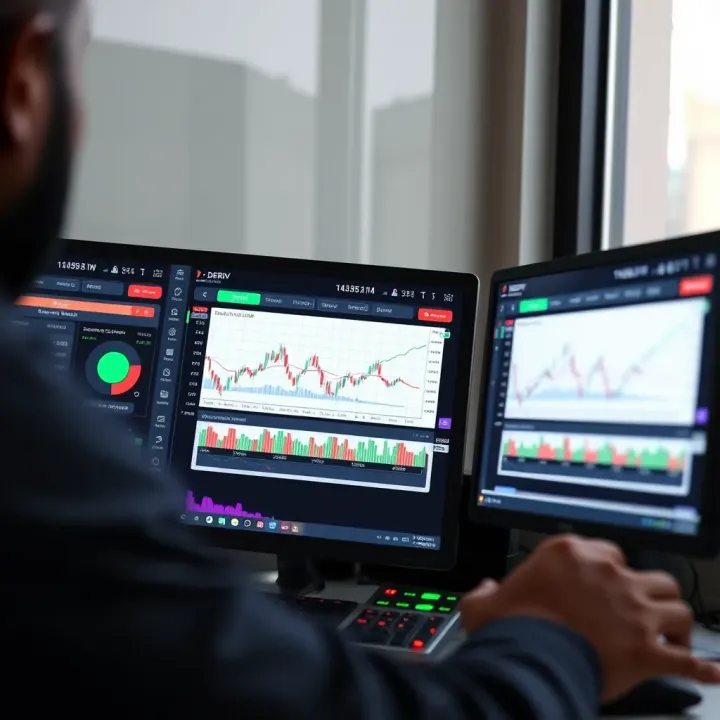
📊 Learn how TradingView.com and Deriv work together to boost your trading skills in Nigeria. Get tips, platform features, and smart connection methods for better trades!
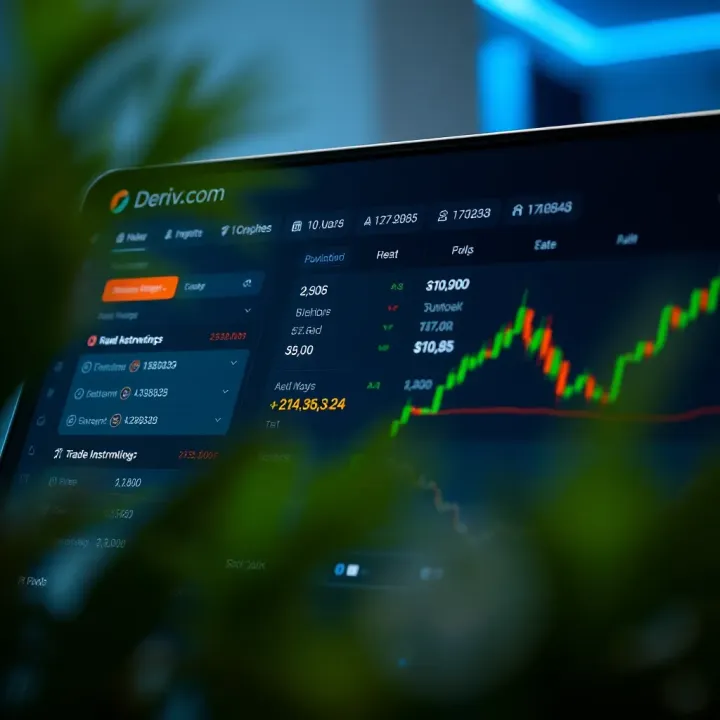
Explore the Deriv.com app designed for Nigerian traders 🇳🇬. Learn setup, secure deposits, trading tips, and support for a smart trading experience 📈💼.
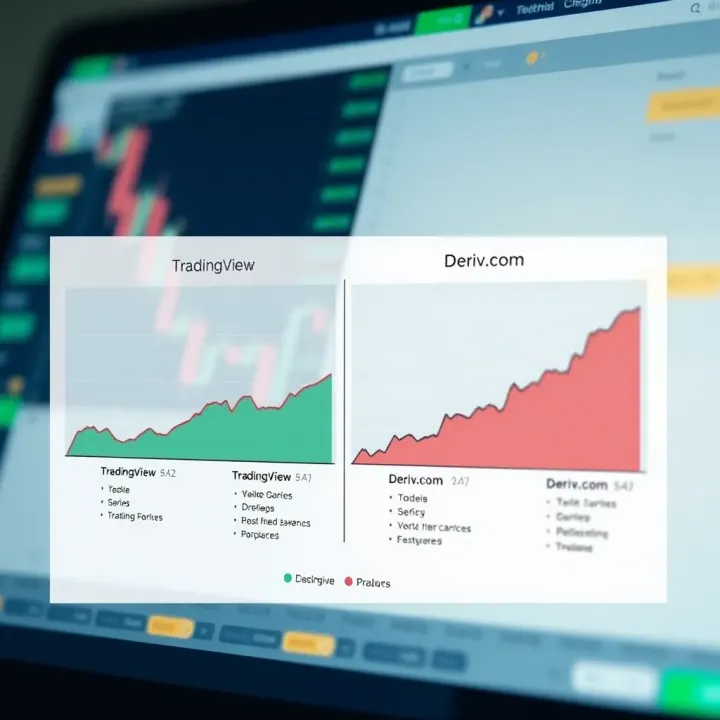
Compare TradingView 📈 vs Deriv.com 💹 for Nigerian traders 🇳🇬 with insights on features, usability, pricing, and regulations to pick the best platform.
Based on 14 reviews