
Best Trading Platforms for Nigerian Traders: A Practical Guide
Discover how to pick the best trading platform worldwide 🌍 by exploring features, security, tools, and user experience tailored for Nigerian traders 🇳🇬.
Edited By
Charlotte Evans
Selecting the right online trading platform can feel like trying to pick the best mango at a crowded market—there are so many options, and not all of them are ripe for your needs. For Nigerian investors, this decision is a bit more complex due to factors like regulatory environment, payment methods, and the availability of local market assets.
This guide aims to clear the fog by breaking down the essentials: what to look for in terms of security, fees, user experience, asset variety, and customer service. We’ll also take a close look at some platforms that have carved out a reputation as reliable choices for investors in Nigeria.
Whether you're a seasoned trader or just getting started, understanding these factors will help you protect your money and make smarter, more confident trades. Let's get down to the basics and set you up with facts, not fluff.
Online trading platforms serve as the critical bridge between investors and financial markets, especially in Nigeria where digital access to global markets is becoming more widespread. Understanding these platforms helps investors make smarter choices, avoid pitfalls, and use tools effectively to maximize returns.
Knowing how an online trading platform works can save you from hidden fees or security issues that some platforms might have. For example, a Nigerian investor using a well-known platform like Trove or Bamboo gets access not only to Nigerian stocks but also international shares, an advantage not every platform offers. When you grasp the ins and outs of these platforms, you get better at spotting features that actually matter, such as real-time data, smooth order executions, and educational tools.
An online trading platform is basically software or a web service that allows you to buy and sell financial products like stocks, forex, or bitcoin via the internet. Think of it as your digital broker's desk, packed with charts, trade buttons, and portfolio details all on one screen. Platforms vary widely: some focus on simplicity for beginners, while others offer advanced tools for experienced traders.
Take, for example, Chaka, a popular Nigerian platform that combines easy access to stocks and ETFs with a minimalistic interface suitable for new traders. Contrast this with a more complex platform like Interactive Brokers, which offers extensive research tools and access to global markets but might overwhelm beginners.
In Nigeria, online trading typically starts with opening an account through a licensed brokerage offering a digital platform. You first verify your identity with documents like your National ID or passport and then fund your account, usually in Nigerian Naira, via bank transfer or mobile money.
Once funded, you navigate the platform to select what you want to trade. If you’re buying shares on the Nigerian Exchange (NSE), your order is sent to the exchange electronically. The speed and transparency of these transactions depend largely on the platform's technology.
Besides NSE stocks, many Nigerians trade forex or cryptocurrencies on online platforms that connect them with global markets. Using a platform such as Webull (though not all accept Nigerian clients) opens up access to US stocks and forex pairs, but they might require currency conversion and carry specific regulations.
For Nigerian investors, understanding which trading platforms are legally allowed and how funds flow is essential for avoiding scams and ensuring smooth trading experiences.
By grasping what online trading platforms offer and how the mechanics work locally, Nigerian investors can choose wisely and trade confidently, avoiding common mistakes like falling for scams or using platforms with poor regulation.
Picking the right online trading platform means knowing what features actually matter to you. It’s more than just a flashy design or a big name — you want a platform that fits your trading style, offers the assets you’re interested in, and keeps your funds safe. Let’s unpack the must-have features Nigerian investors should focus on when comparing platforms.
One of the first things to check is how your data and transactions are protected. Trading platforms often handle sensitive info like your bank details and personal ID, so strong encryption is non-negotiable. Look for platforms using SSL encryption; this keeps your data safe from prying eyes, especially when using public Wi-Fi. Imagine logging into your trading app at a café without worrying your details will be snatched — that’s the kind of peace of mind good encryption offers.
It’s easy to get caught up in flashy features, but make sure the platform operates legally under Nigerian laws. The Securities and Exchange Commission (SEC) in Nigeria regulates most trading activities. Platforms approved by the SEC or other known financial authorities carry less risk of fraud. If a platform isn’t licensed locally or recognized internationally, it might be best to steer clear. Remember, legal oversight means some level of accountability and protection for your investments.
When you’re watching the markets or placing trades, clunky menus and confusing layouts just slow you down. The simpler it is to find what you need, the better. A trading platform with a clean, straightforward dashboard helps you spot opportunities fast and avoid mistakes. Think of it like driving a car with clear dials versus one with too many confusing buttons. Easy navigation cuts down on frustration and keeps your focus on trading.
In Nigeria, many traders rely on smartphones due to better internet availability on mobile networks. A responsive, well-designed mobile app means you’re not stuck at a desktop to manage your trades. Top platforms like EasyEquities or Saxo Bank offer apps that match or even beat their desktop versions in features and speed. Responsive apps adjust smoothly to screen size and internet speeds, letting you check market movements or execute trades without a hitch.
Diversity is key in investing. Look for platforms offering a broad selection of Nigerian stocks, like those listed on the Nigerian Stock Exchange, as well as international equities and ETFs. This variety lets you mix local opportunities with global exposure. For instance, platforms like Chaka provide access to Nigerian and US stock markets side by side.
Forex trading is popular in Nigeria, especially with the country’s interest in currency value shifts. Commodities like oil and gold also draw attention. A platform with real-time forex pairs and commodities can help diversify your portfolio beyond shares. Check whether the platform offers competitive spreads and good execution speed for forex trading.
Interest in crypto is booming, but many Nigerian traders are cautious due to regulation uncertainty. However, having crypto options like Bitcoin, Ethereum, or stablecoins on your platform can unlock new investment avenues. Some brokers have integrated crypto trading seamlessly, while others keep it separate. Confirm if the trading platform supports your preferred cryptocurrencies and review their fee structure for crypto trades.
Some platforms charge monthly or annual account fees, which can eat into your profits if you’re not trading frequently. Always check if the platform charges maintenance fees or inactivity penalties. For example, Risevest doesn’t have account fees, making it attractive for beginners or casual investors.
Every trade usually comes with a commission or a spread. The difference might seem small per trade, but it adds up over time, especially if you trade actively. Platforms like Interactive Brokers offer low-cost options but may have a more complex fee structure, so it pays to read the fine print.
Watch out for charges that don’t appear upfront — withdrawal fees, currency conversion charges, or data feed costs can surprise you later. Transparency is a hallmark of a good platform. If details about fees aren’t clear or require extra steps to find, that’s a red flag. Always ask or search for user reviews to spot these hidden costs.
A solid platform isn’t just a place to trade but also a learning space. Look for platforms that provide tools like advanced charting, real-time news feeds, and educational materials tailored to Nigerian investors. This helps you make smarter decisions rather than guessing in the dark.
Markets don’t sleep, and surprises can happen any time. Good customer service means help is there when you need it, whether during the day or after hours. Platforms with 24/7 support or extended hours tend to earn more trust.
Multiple support channels improve your chances of quick resolution. Whether you prefer phone calls, live chat, emails, or even social media, make sure the platform offers your favorite way to reach them. Experience with platforms like ForexTime (FXTM) shows that live chat often speeds things up compared to just email support.
Choosing a trading platform isn't just about the bells and whistles. It's about finding one that feels like a good partner in your investment journey—secure, reliable, and easy to work with, all while giving you the tools and access you need to trade confidently.
Choosing the right online trading platform is no walk in the park, especially when you're dealing with the unique market conditions and regulatory environment in Nigeria. This section sheds light on platforms that have gathered traction among Nigerian investors, explaining why they matter and how they fit into your trading toolkit.
Understanding which platforms are popular helps you cut through the noise, avoid sketchy options, and pick a service that matches your investment goals and trading style. Popularity often points to reliability, decent fees, and solid support, all critical factors when your hard-earned money's on the line.
Local brokers in Nigeria have stepped up their game by offering online platforms tailored to homegrown investors. For example, Zenith Securities provides an online trading portal that integrates with local banks, making fund transfers straightforward. Their platform usually offers good coverage of Nigerian stocks like Dangote Cement or Nigerian Breweries, which is a big plus if you're more comfortable trading locally.
These local platforms typically offer customer support with regional knowledge, meaning you can navigate regulatory requirements such as compliance with the Nigerian Stock Exchange rules without sweating bullets. Also, they handle naira transactions directly, so you avoid extra forex conversion fees.
Using a Nigerian broker's platform can come with perks like better localized insights and adherence to regulations, reducing your exposure to fraud, which is unfortunately a real risk in the online trading sphere.
On the flip side, a growing number of international brokers welcome Nigerian clients. Platforms like Interactive Brokers and IG Markets provide access not only to Nigerian stocks but also a broader range of international markets, including US stocks, European equities, commodities, and forex.
These platforms often have more advanced tools and lower fees on some asset classes, though funding your account might be more complex due to currency and regulatory matters. However, platforms like eToro have managed to simplify the process by supporting multiple deposit options, including Visa and MasterCard, which many Nigerians use daily.
Choosing an international platform can diversify your portfolio outside Nigeria’s borders but watch out for platform-specific restrictions and ensure they accept users from Nigeria to avoid account freezes.
When comparing trading platforms, it’s essential to look beyond just catchy ads or friend recommendations. Break down what each platform offers in terms of:
Trading fees and commissions: For instance, some Nigerian brokers charge a fixed commission, say 0.5% per trade, while others operate on a tiered scale based on trade size. Meanwhile, international platforms might offer zero-commission stocks but make money on spreads or currency conversion fees.
Range of tradable assets: Platforms like Chaka allow Nigerians to trade Nigerian stocks and US equities all on one interface, while others may restrict you to one market.
Ease of use: Some platforms suffer from clunky interfaces that slow you down during fast-moving markets. You want something intuitive, whether you’re trading on desktop or your phone.
Customer support: Look for responsiveness and availability. Afternoon calls to a Nigerian broker may be easier to get through than support from someone three time zones away.
Deposit and withdrawal options: Check the cost, speed, and supported payment methods. Some platforms may charge high withdrawal fees or slow account processing times.
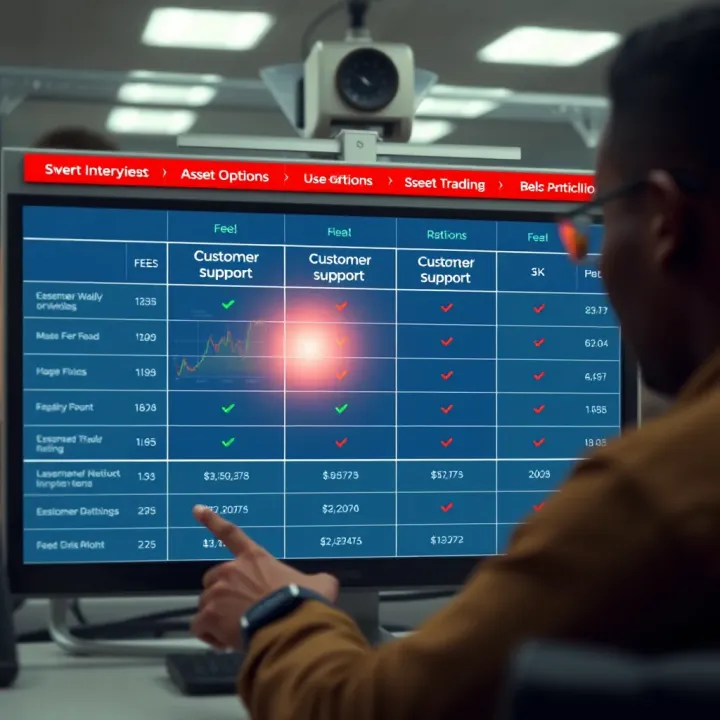
Summing these factors up side by side can help you zero in on which platform fits your style, budget, and goals.
Before committing your funds, take time to read user reviews, but do so wisely. Look for patterns rather than isolated complaints. For example, if multiple users complain about withdrawal delays on a platform, that’s a red flag you can’t ignore.
Websites like Trustpilot and even social media discussions often provide a goldmine of real user experiences. Former clients may flag issues with customer service, unexpected fees, or platform downtime during crucial trading hours.
Remember, no platform is flawless, but the best ones maintain a balance of transparency, fair dealing, and consistent uptime.
Good reputations are usually earned by platforms that prioritize security, comply with regulations, and keep their users informed about changes—a must-have for Nigerian investors dealing with fluctuating currency and regulatory shifts.
In short, understanding popular platforms through the lens of localization, costs, features, and user feedback sets you up for smarter decisions and a smoother trading experience.
Opening an account and starting to trade is the gateway for Nigerian investors to participate in the financial markets. This step is not just about filling forms—it's the foundation for secure, hassle-free trading. Getting the basics right here saves time and frustration later, such as delays caused by missing documents. For example, understanding what proof of ID or proof of residence a broker accepts can be a lifesaver.
Documentation Needed. To open a trading account, Nigerian investors usually need a valid government-issued ID like the National Identity Card, International Passport, or Driver's License. You'll also need proof of address, such as a recent utility bill or bank statement, to comply with KYC (Know Your Customer) rules. Some platforms might ask for additional documents like a tax identification number (TIN). Having these ready speeds up the signup process and ensures your details are verified quickly.
Verification Process. Once you submit your documents, the broker performs identity verification to prevent fraud and comply with regulatory requirements. This check often takes between a few hours to a couple of days. Sometimes, platforms require a selfie or a video call for enhanced verification. Prompt verification means you can start trading sooner, so it's wise to use clear, legible copies of your documents. For instance, using blurry scans can hold up verification unnecessarily.
Accepted Payment Methods in Nigeria. Most online brokers catering to Nigerian clients accept bank transfers, debit cards, and sometimes mobile payment options like Paystack or Flutterwave. Some international platforms even accept WebMoney or Skrill, but these might involve currency conversion fees. Knowing the deposit options ahead of time helps you avoid delays. For example, GTBank or Zenith Bank transfers are often faster and cheaper within Nigeria.
Currency Considerations. While Nigerian Naira (NGN) is the local currency, many platforms operate primarily in US Dollars (USD) or other major currencies. This means your deposit might be automatically converted, which can lead to small losses due to exchange rates and possible fees. Using platforms with transparent currency conversion policies is vital. Some services allow you to hold a USD-denominated account, which can reduce conversion costs if you plan to trade US-listed assets.
Placing Orders. After funding your account, you can place your first order. Trading platforms typically offer several order types—market orders, limit orders, and stop orders. A market order buys or sells immediately at the current best price, suitable for quick trades. Limit orders let you set a price to buy or sell, ensuring you don’t pay more or receive less than desired. For example, if you want to buy Dangote Cement shares at ₦230 instead of the current ₦245, you place a limit order at ₦230, which only executes when the price hits that level.
Managing Positions. Keeping an eye on your open trades is just as important as placing them. Many platforms provide tools like stop-loss orders and take-profit orders to automatically close positions at preset levels. This helps control risk, especially in volatile markets. For instance, if you bought shares at ₦240, a stop-loss order at ₦220 limits your loss if the price drops unexpectedly. Regularly reviewing your portfolio ensures you adjust your strategies based on market moves and personal goals.
Opening an account and understanding the steps to start trading are vital first moves to navigate the markets confidently and securely. Careful preparation and knowing your options help Nigerian investors avoid common pitfalls and get the most out of their trading experience.
Trading online can be a rewarding way to grow your investments in Nigeria, but it comes with its share of pitfalls. Knowing the right tips for staying safe and trading smart is not just helpful—it’s essential. Without proper caution, traders can fall into scams, lose far more than intended, or struggle with unrealistic expectations. This section breaks down practical advice that seasoned traders apply every day to protect their funds and make informed decisions.
Fraud in online trading comes in many forms, from fake platforms promising sky-high returns to phishing schemes targeting your account details. Nigerian investors should stay alert to warning signs like requests for upfront fees to unlock “special access,” offers that sound too good to be true, and platforms lacking clear regulatory information. Always check if the broker is registered with the Securities and Exchange Commission (SEC) Nigeria. For example, if you receive unsolicited emails offering insider tips or guaranteed profits, that's a red flag. Verify all communications independently before acting.
A stop-loss order is a simple yet powerful tool that helps limit potential losses by selling a security when it hits a predetermined price. For instance, if you buy a stock at ₦500, you might set a stop-loss at ₦450 to prevent bigger losses if the price drops suddenly. This tool lets you control risk without staring at the market all day. Many Nigerian traders using platforms like GTBank's investment portal or Bamboo can easily apply stop-loss settings to their trades, helping them avoid emotional decisions during volatile sessions.
Jumping into online trading with dreams of quick riches often leads to disappointment. It's important to set realistic goals based on your capital, time, and knowledge. Remember, even professional traders don’t hit winning trades every time. Aiming for steady, modest gains and understanding the natural ups and downs of the market will keep your strategy grounded. For example, expecting consistent monthly returns of 20% is unrealistic, but targeting a 5% monthly return could be more achievable and safer.
Financial markets change fast, especially with how technology and global events influence prices. Keeping your knowledge fresh ensures you adapt well. Subscribe to local and international market news from sources like The Guardian Nigeria or Bloomberg. Also, many platforms such as Trove and Chaka provide educational blogs and webinars tailored for Nigerian investors. Regularly learning about market trends, new tools, and regulations helps maintain a sharp edge and avoids costly mistakes.
Smart trading isn’t about luck—it’s about preparation, vigilance, and ongoing learning to navigate risks while seizing opportunities confidently.
Following these tips will make your journey into online trading safer and more effective, increasing the chances you turn your investments into tangible growth over time.
Discover how to pick the best trading platform worldwide 🌍 by exploring features, security, tools, and user experience tailored for Nigerian traders 🇳🇬.
Explore essential tips on choosing the best copy trading platform in Nigeria 📈. Learn how it works, key features, risks, and pick one that matches your goals.
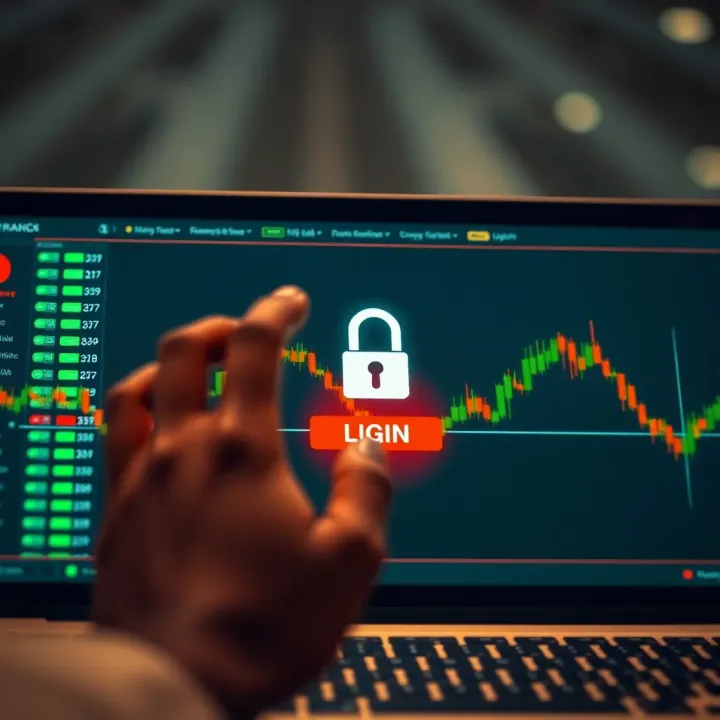
Find the best online trading app in Nigeria 📱🔒. Explore key features, fees, security, and top platforms to match your trading goals easily.

📈 Discover app.deriv's key features, security, and trading tools tailored for Nigerian traders. Start smart with account tips and trading options today! 🇳🇬
Based on 13 reviews