
Best Online Trading Platforms for Nigerian Investors
🔍 Find the right online trading platform for Nigerian investors! Explore security, fees, assets, and support to trade safely and confidently. 💹🇳🇬
Edited By
Isabella Morgan
Choosing the right online trading platform can make a significant difference for Nigerian investors looking to grow their portfolios. The selection affects not just your access to local and global markets but also the costs you incur, the quality of execution, and the safety of your funds.
The Nigerian investment landscape has evolved fast, with fintech innovations and regulatory improvements opening more doors. Yet, the choice remains tricky because platforms differ widely in fees, features, regulation compliance, and usability. For example, while some platforms give you direct access to the Nigerian Stock Exchange (NGX), others focus more on foreign stocks or even cryptocurrencies.
When evaluating platforms, consider these key factors:
Regulation and Safety: Ensure the platform is registered with the Securities and Exchange Commission (SEC) Nigeria or other relevant authorities. This adds a layer of protection against fraud and malpractice.
Market Access: Nigerian investors often want a mix of local shares, US stocks, and other international securities. Platforms like Chaka and Bamboo offer Nigerian investors access to both Nigerian and US markets with reasonable fees.
Cost Structure: Trading fees can eat deeply into returns. Look for clear information on commissions, inactivity fees, currency conversion charges, and withdrawal costs.
User Experience: A platform easy to navigate with solid customer support saves time and frustration. Mobile apps with seamless funding options such as debit cards, bank transfers, and USSD codes are a big plus in Nigeria’s market.
Research Tools and Education: Access to market data, charts, and educational resources helps traders make informed decisions.
Selecting a trading platform is not just about low fees. Prioritise regulatory compliance and market access to trade confidently and avoid hidden expenses.
In the sections that follow, we will compare popular trading platforms tailored to Nigerian investors, exploring their unique features and how they fit different trading profiles. This will help you avoid blind spots and pick a platform that matches your investment goals and trading style.
Selecting the right online trading platform involves looking closely at several key features that impact your trading experience and potential returns. Nigerian investors should prioritise platforms offering a smooth, secure, and cost-effective interface that fits local realities such as power shortages and network reliability. Paying attention to these features helps avoid unnecessary headaches and better positions you to make smart investment decisions.
Mobile app availability matters a lot, especially for Nigerian traders who rely heavily on smartphones. A well-designed mobile app allows you to trade on the go, whether you’re commuting in a danfo or waiting at the barbing salon. For instance, platforms like Chaka and Meritrade NG offer native apps optimized for Android and iOS, ensuring you don’t miss market moves due to being away from your laptop.
Ease of navigation can make or break your trading experience. Complex menus or cluttered dashboards can slow you down, causing missed opportunities or costly mistakes. A clear, simple interface with quick access to key functions lets you place trades, check your portfolio, and monitor market news without stress. Platforms should also have features like watchlists and alerts that keep you updated without overwhelming you.
Compatibility with local devices and networks is crucial given Nigeria’s diverse tech landscape. Some Nigerians still use older phones or have intermittent internet, so a platform that runs smoothly on low-end devices and slower networks will be a plus. For instance, USSD-based options or lightweight web versions help those in regions with unstable connectivity stay in control.
Commission rates directly affect your profits, especially if you trade often. Some Nigerian platforms charge fixed ₦ charges per trade, while global ones may use percentage fees. It's important to compare these rates because even small differences add up over time. For example, Meritrade NG charges about ₦500 per trade regardless of size, whereas eToro applies a spread model.
Account maintenance fees can erode your gains if not checked. Some platforms keep charging monthly or annual fees even if you don’t trade regularly, which can sting small investors. Choosing a platform with no or minimal maintenance fees, or one that waives fees for inactive periods, helps you keep your money working longer.
Hidden charges like withdrawal or inactivity fees often catch traders unaware. Some platforms deduct fees when you pull funds or if your account stays dormant beyond a period. These costs can turn what looks like a profitable trade into a loss. Make sure to read the fine print carefully to avoid nasty surprises.
Stocks and equities remain the backbone for most Nigerian traders. A good platform should provide access to local stocks on the Nigerian Exchange (NGX) and international ones for portfolio diversification. Platforms such as Chaka allow Nigerians to invest in both Nigerian stocks and US-listed shares, giving you wider options.
Forex and cryptocurrencies have gained huge popularity in Nigeria. Platforms offering forex pairs and popular cryptos like Bitcoin and Ethereum can help investors tap into volatile markets for fast returns. However, remember forex and crypto trading carry higher risks, so only use platforms with sound risk management tools.
Commodities and indices offer more diversified trading strategies. Some platforms enable investments in gold, oil, or stock indices like the NGX 30 or S&P 500. This broadens your exposure beyond equities and currency, helping to balance risk and potential profits.
Licensing by Nigerian or international regulators provides assurance your funds and data are protected under official standards. Platforms regulated by the Securities and Exchange Commission (SEC) Nigeria or global bodies like FCA (UK) show they meet minimum operational safeguards.
Data protection and encryption safeguard your personal and financial information from hackers. Look for platforms using SSL encryption and two-factor authentication (2FA). Given the rise of cyber threats, weak security is a red flag.
Funds segregation policies mean your trading capital is held separately from the platform’s operational funds. This ensures your money remains safe even if the broker faces financial problems. Knowing your funds are protected this way reduces anxiety around online trading.
Before committing to any platform, test demo accounts or free trials if available. They help you feel the platform’s usability and assess fees and features hands-on, preventing costly mistakes later on.
Choosing the right online trading platform is more than just picking the most popular name. By focusing on user interface, costs, available assets, and robust security, Nigerian investors can navigate the market confidently and profitably.
Choosing the right online trading platform can greatly affect your investment experience, especially in Nigeria where local conditions and regulations matter. Popular platforms cater differently to Nigerian investors depending on factors like ease of funding, local market access, and support for regional currencies. Knowing which platforms bridge the gap between global opportunities and Nigerian-specific challenges helps you trade smarter.
Meritrade NG is designed specifically for Nigerian investors focusing on Nigerian Stock Exchange (NGX) listings and some international stocks. Its strength lies in easy naira funding options directly from Nigerian banks, cutting down currency conversion hassles often faced on global platforms. Meritrade's mobile app works well even on modest data plans and typical Nigerian network conditions, making it accessible to users outside major cities.
Chaka offers a wider mix of assets, including Nigerian stocks, US equities, and cryptocurrencies. It appeals to investors looking to diversify beyond the NGX while still enjoying reasonable transaction fees in naira. Chaka's straightforward registration process with BVN verification aligns with local regulatory requirements, boosting investor confidence. Its integration with local payment methods means deposit or withdrawal delays common on some platforms are mostly avoided.
Risevest focuses on wealth building through fractional investments in US stocks and real estate without needing large capital outlay. Nigerian investors can start with amounts as low as ₦5,000, which suits retail traders or those testing international markets for the first time. Besides offering dollar-pegged investments, it supports local payment methods and provides educational content tailored to Nigerian market dynamics.
Interactive Brokers stands out for Nigerian investors seeking deep market access across global exchanges. It offers a broad range of assets including stocks, options, futures, and forex. While Interactive Brokers demands a higher initial deposit and has more complex interfaces, its tight spreads and advanced tools suit professional traders or serious investors looking to tap international markets beyond basic stocks.
IG Group combines user-friendly design with access to global markets and CFDs (Contracts for Difference). Nigerian traders interested in active trading, especially in forex, indices, or commodities, appreciate IG's wide product range. It offers robust research material and risk management features, although some withdrawal methods may take longer due to international banking processes.
eToro is popular for its social trading features, allowing Nigerian investors to mimic strategies of seasoned traders. It supports stocks, cryptocurrencies, and ETF trading with no commission on stock purchases. Deposits and withdrawals in naira are possible through local payment options. This platform suits novice traders who want community-based insights alongside straightforward trading.
Knowing the specific strengths and limitations of these platforms helps you choose one that matches your investment goals, budget, and local realities.
By carefully weighing the benefits of local versus global access, Nigerian investors can trade efficiently, keep costs manageable, and navigate market rules effectively.
Trading online can be rewarding, but it’s also an area where caution is necessary — especially in Nigeria where scams and unreliable platforms exist alongside legitimate brokers. Applying practical tips helps you protect your funds and make smarter decisions. This section covers essential steps for safe and effective trading in our local context.
Checking regulatory approvals is the first step. Every serious trading platform should be licensed by recognised authorities such as the Securities and Exchange Commission (SEC) Nigeria for local operations, or international bodies like the Financial Conduct Authority (FCA) in the UK. Confirming these licences means the platform follows established rules meant to protect investors. For example, platforms without SEC approval or any visible regulation should raise red flags.
Reviewing user ratings and feedback offers real-world insight beyond official claims. Look at customer reviews on trusted forums, social media groups, or fintech review sites. A platform that’s often reported for withdrawal delays or poor customer service might cost you more than just fees — it wastes time and tests your patience. Conversely, platforms with responsive support and positive ratings tend to be more reliable.
Diversifying investments means spreading your money across different assets instead of putting all in one stock or crypto. This is a common-sense way to reduce exposure to sudden market swings, especially in volatile sectors like cryptocurrencies or foreign exchange. For instance, splitting funds between NGX stocks and some stable global shares avoids being wiped out by one bad investment.
Setting limits and stop-loss orders helps control losses automatically. Stop-loss orders instruct the platform to sell a security once its price falls to a certain level, preventing further decline. This is crucial during volatile market days when prices can swing wildly. Nigerian investors using platforms like Chaka or Meritrade NG can use these tools to safeguard their portfolio without needing to watch markets 24/7.
Recognising common fraud tactics must be part of your trading awareness. Beware of unsolicited calls promising guaranteed high returns or demands for upfront fees before withdrawal. Fake platforms may also create websites that imitate well-known brokers. Always verify contact channels and never share your login details, PINs, or sensitive data via informal channels.
Using local banks and USSD options is the easiest way to fund your trading account. Many platforms now support direct bank transfers or special USSD codes, allowing Nigerians to fund accounts without internet banking. For example, OPay or GTBank USSD services integrated with platforms speed up deposits safely without extra charges.
Cryptocurrency transfers provide another funding option, especially useful during naira volatility or FX restrictions. You can transfer Bitcoin or stablecoins to some international brokers, avoiding bank delays. However, be mindful of crypto price fluctuations and always use secure wallets.
Transaction times and costs vary widely. Local bank transfers often clear within minutes to a few hours, while international wire transfers may take days and attract hefty fees. Some platforms charge withdrawal fees, which can eat into profits. Compare these costs before committing funds to prevent surprises during crucial moments.
Safe trading is not just about picking the best platform; it’s about understanding risks, verifying credentials, and managing funds wisely. Nigerian investors who pay attention to these practices increase their chances of sustainable success in the online trading space.
Understanding the Nigerian trading environment is essential for anyone looking to invest through online platforms. It gives crucial insights into the local market dynamics, regulatory landscape, operational challenges, and the broader economic climate, all of which directly affect trading success. For instance, knowing how the Nigeria Stock Exchange (NGX) functions or how government policies impact liquidity can guide better investment decisions and platform choice.
The NGX is Nigeria’s main securities exchange, hosting listings for equities, bonds, and exchange-traded funds. It offers investors local access to a broad range of Nigerian companies across various sectors, including banking, oil and gas, telecommunications, and consumer goods. For Nigerian traders, using a platform integrated with NGX means direct access to these market offerings without currency conversion hassles.
Many online trading platforms link directly to NGX, enabling users to buy and sell shares seamlessly. However, the trading hours, typically between 9:30 am and 2:30 pm WAT, and occasional market suspensions (especially around political events or economic announcements) require traders to plan their activity carefully. Knowing the exchange rules, such as settlement periods (usually T+3 days), can save investors surprises with their funds.
CBN policies strongly influence Nigeria’s trading environment. One significant factor is foreign exchange (FX) controls. For example, CBN often restricts access to foreign currency for imports or external transactions, which can affect the ability to fund accounts on foreign trading platforms or repatriate investment profits.
In recent years, the CBN’s forex restrictions have led many investors to rely on trusted local platforms or authorised dealers to access foreign markets indirectly. Additionally, CBN’s monetary policy rate changes impact market sentiment, affecting stock valuations on NGX and beyond. Staying updated on CBN announcements helps traders anticipate market movements triggered by policy shifts.
Profits from trading activities in Nigeria attract tax obligations. FIRS requires the reporting and payment of capital gains tax (CGT) on gains above ₦100,000 annually at a rate of 10%. While dividends from Nigerian companies are subject to withholding tax, there are specific rules for foreign-earned income.
Traders should keep accurate records of transactions and consult tax professionals to comply with FIRS regulations. Ignoring tax implications can lead to penalties or legal issues, so integrating tax considerations into trading strategy is essential, especially when using multiple platforms with varying reporting capabilities.
Nigeria’s inconsistent power supply remains a significant hurdle for online traders. Frequent blackouts can disrupt internet connectivity and the ability to access trading platforms in real time, risking missed trades or delayed reactions to price changes.
Many traders mitigate this by investing in alternative power sources like generators or inverters. However, the additional fuel or maintenance costs influence overall trading expenses. The timing of trading activities often coincides with the hours when power tends to be stable, usually mornings. Knowing this helps investors choose suitable windows to trade actively.
Stable internet is the backbone of online trading. Fortunately, several Nigerian telecom providers offer affordable data packages tailored for heavy users. MTN's 4G network, Airtel's wide coverage, and emerging providers like Smile Nigeria provide options that balance cost and speed.
Using Wi-Fi at reliable spots such as tech hubs or co-working spaces also helps traders avoid data overuse costs. Platforms that support lightweight mobile apps or USSD access are valuable in low-bandwidth areas, ensuring continuous market access even with modest connections. This flexibility is crucial for handling price-sensitive trades in volatile markets.
Nigeria’s trading environment demands more than just picking a platform; understanding local exchanges, regulatory rules, and infrastructural realities ensures smarter, safer investment moves.
🔍 Find the right online trading platform for Nigerian investors! Explore security, fees, assets, and support to trade safely and confidently. 💹🇳🇬
Discover how to pick the best trading platform worldwide 🌍 by exploring features, security, tools, and user experience tailored for Nigerian traders 🇳🇬.
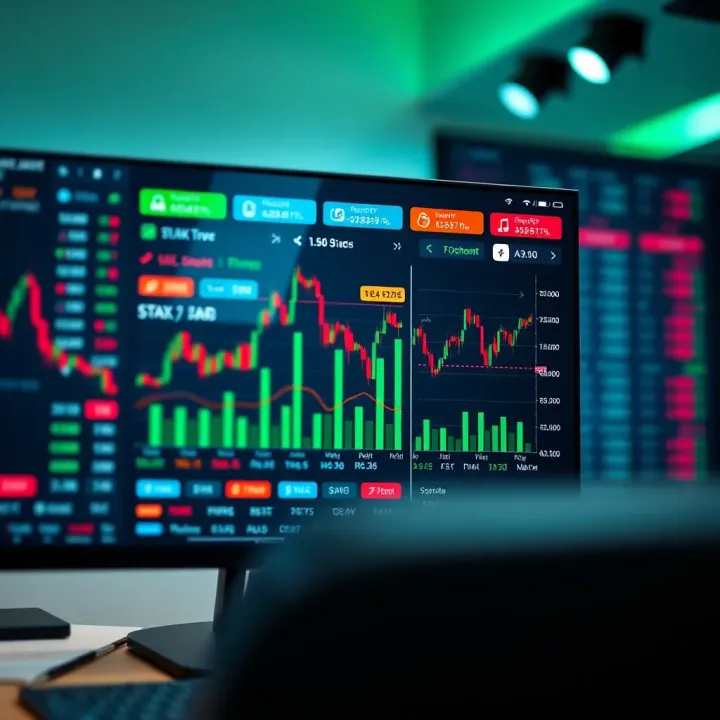
Find the best online trading app in Nigeria 📱🔒. Explore key features, fees, security, and top platforms to match your trading goals easily.
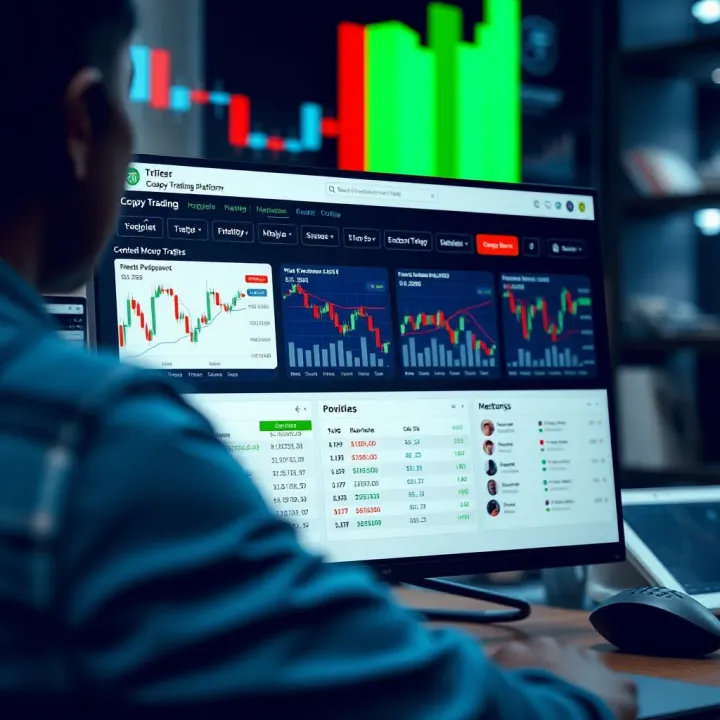
Explore essential tips on choosing the best copy trading platform in Nigeria 📈. Learn how it works, key features, risks, and pick one that matches your goals.
Based on 8 reviews